
Review · ISTANBUL PRIVATE TOURS
2-Days Private Tour to Gobeklitepe and Karahantepe from Istanbul
Two days, 12,000 years back. This private Istanbul to Sanliurfa route connects Göbekli Tepe with nearby Karahantepe and key Abraham-era stops.
I really like how the itinerary balances big, world-changing archaeology with human-scale places you can actually walk through and picture in real time. The Sanliurfa Archaeology and Mosaic Museum is a highlight for me, especially because you get context for what you’ll see outside.
The second thing I love is the local touch from the guides. In one standout review, the guide Taha (plus his colleague) was praised for friendly help, strong English, and handling the trip details so you can focus on the sights. One possible drawback: this is priced at $2,760 per person, so it makes the most sense when you value a truly private schedule and you are okay with 2 intense days in the car and on your feet.
Key points before you go
- Private group time means you set the pace, not the crowd.
- Museum context first, with artifacts and even stonework references tied to Göbekli Tepe.
- Göbekli Tepe plus Karahantepe in one trip gives you a broader view of the Pre-Pottery Neolithic era.
- Sanliurfa’s Abraham sites add stories, landmarks, and a real local gathering place at the fish pond.
- Soğmatar (Sogmatar) mixes ancient remains with the Moses legend tied to rain and a sacred hill.
- Local guide support can take the stress out of the day-to-day logistics.
Göbekli Tepe and Karahantepe: why pairing them matters
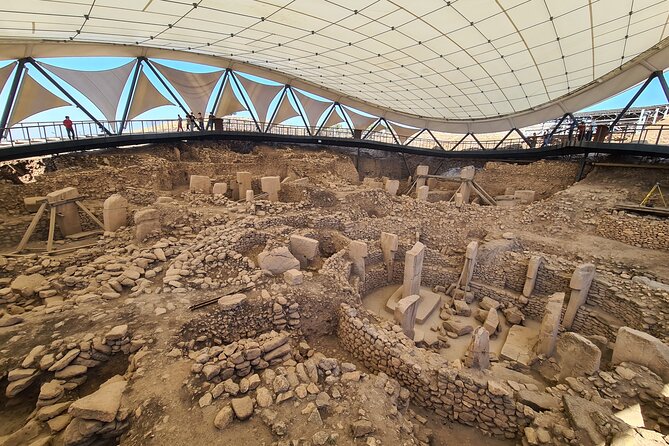
If Göbekli Tepe is the main act, Karahantepe is the excellent supporting role. Both are in the same region and both date back over 10,000 years, but they help you see the bigger idea. The tour takes you to Göbekli Tepe first, where you’ll find what many archaeologists call the world’s oldest ritual complex, dating to around 12,000 years ago.
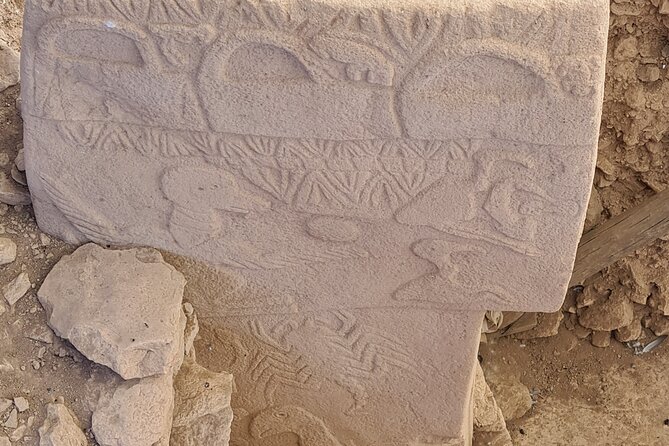
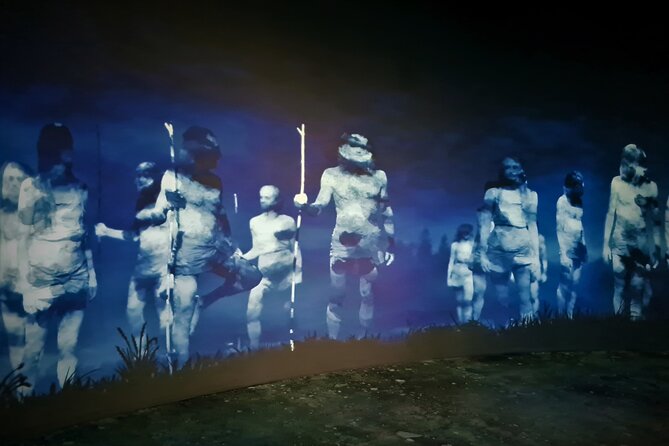
Then you move to Karahantepe, another Pre-Pottery Neolithic site with T-shaped pillars and carvings of animals and humans. It’s described as having elaborate stone structures, and the fact that it’s near Göbekli Tepe makes it easier to compare the styles and themes without adding extra days of travel.
Here’s why you should care: seeing only one site can leave you with a single snapshot. Seeing both helps you understand that this was not a one-off event, but a long-running tradition of sacred architecture and symbolic art. And since this is a private tour, you have the breathing room to ask questions and to spend a bit more time where you personally feel the pull.
You can also read our reviews of more private tours in Istanbul

Sanliurfa Archaeology and Mosaic Museum: Urfa Man and moved stonework
This is the stop that helps everything else make sense. The Sanliurfa Archaeological and Mosaic Museum covers artifacts spanning from the Neolithic through the period of Crusader Edessa, so you get a timeline, not just isolated monuments.
Two details are especially worth your attention. First is a famous figure often referred to as Urfa Man, linked to the region’s Abraham-era story cycle and described as the world’s oldest statue. Second is how the museum directly connects to Göbekli Tepe.
You’ll see a replica of Enclosure D, and you’ll also get the story of a cult site known as Nevali Cori. That site was submerged by the Ataturk Dam, and the museum houses the cult site with its original stones. That matters because it turns Göbekli Tepe from a frozen outdoor ruin into something tied to real decisions, real loss, and real preservation.
Time-wise, plan on about 2 hours here, and use it strategically. Arrive with the mindset that you’re building your mental map for later. After you’ve seen the museum’s references, Göbekli Tepe will feel less like a mystery and more like a place with echoes.
Göbekli Tepe visit: what to look for in your 2 hours
At Göbekli Tepe, your visit is scheduled for about 2 hours, and the tour frames it as a site that’s changing how archaeologists think about early human history. That claim is big, but standing in front of the carved stone pillars is what makes it click.
You’re there for the ritual-complex concept, built long before writing or pottery. Practically, that means you should spend time noticing the pillars and the artwork rather than trying to read the site like a normal museum display. It’s not a place where the story is told with labels alone. Instead, the carvings and the architecture do the talking.
One smart way to use your time: keep your first pass quick, so you don’t miss major viewing areas. Then slow down for a second look at the carved elements. If your guide is Taha, or another English-speaking expert, ask them where the carvings fit into the broader interpretation of the site. That’s the kind of local explanation that turns seeing stone into understanding symbol.
Abraham’s Cave and Balıklıgöl fish pond: a story you can walk into
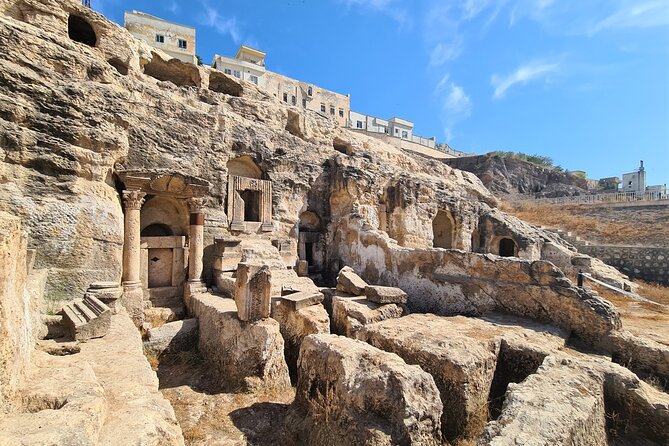
The Abraham stop is different from the archaeology. It’s about lived tradition, local meaning, and a place that still functions as a gathering space.
You’ll visit Abraham’s cave, described as the birthplace of the prophet Abraham, and also see the Pool of Prophet Abraham, believed to be the site where Abraham was thrown into the fire by Nimrod. The schedule gives you about 1 hour, and admission is noted as free.
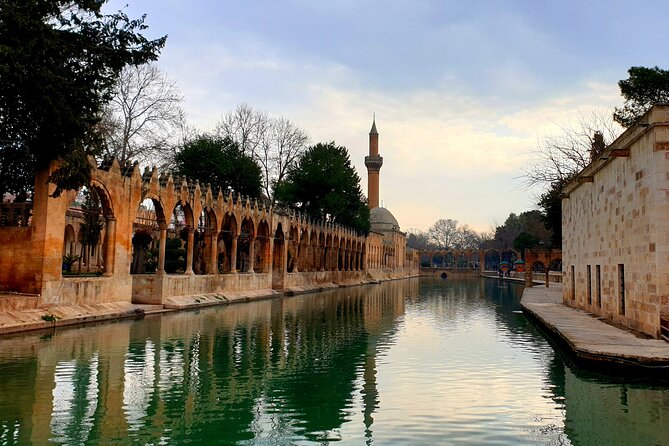
Then you have Balıklıgöl, the sacred fish pond area tied to Abraham. Even if you’re not into religious history, this is visually memorable because it’s both a shrine space and a social one. In at least one praised experience, the sacred fish pond was singled out as an enjoyable stop where families spent time together, making the area feel alive rather than staged.
What to watch for during your hour: notice the contrast. You’re moving from monumental stone symbolism at Göbekli Tepe to a place where the story is remembered through everyday rhythms. That shift is one of the best parts of Sanliurfa, because it shows how layers of time overlap instead of replacing each other.
Sanliurfa bazaar plus Kizilkoyun Necropolis: quick archaeology, real street life
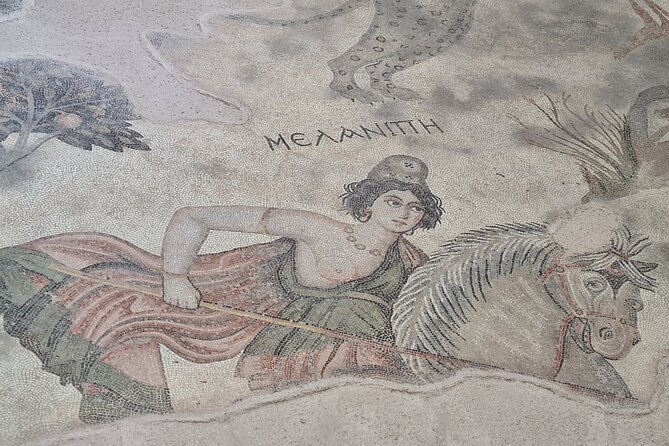
Day 1 includes a short stop at Kizilkoyun Necropolis, with newly excavated tombs carved into bedrock limestone. The dating is given as between the 2nd and 4th centuries AD, and the description emphasizes that over 61 tombs were formed by carving into the limestone. Time here is about 30 minutes, and admission is free.
That half hour is worth it if you treat it as a palate cleanser between the bigger Neolithic sites and the later Israelite and Roman-era stories you’ll hear about in the region. It also helps you see that Sanliurfa didn’t stop being important after the earliest sacred architecture. People kept coming, burying, and building.
Then Day 2 brings the bazaar, about 2 hours, also free to enter. This is the lively Urfa market scene where you’ll find stalls selling things like sheepskins, jeans, and colorful local scarves. You’ll also see workshops and craftsmen you might not notice in other places.
A practical approach: don’t plan to shop for a long time. Instead, plan to browse with focus. Look for small craft details, talk with the sellers if your language is limited, and treat the bazaar as an atmospheric connector. It’s the kind of stop that makes you feel where you are, not just what you’re seeing.
More Istanbul tours and experiences for the shortlist


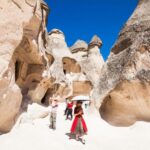

Soğmatar (Sogmatar): Moses, rain, and the hill of seven temples
Soğmatar is one of the most story-rich stops on the route, and the way it’s described gives you two layers to pay attention to.
First is the legend side. The name Soğmatar is said to come from the Arabic word matar, meaning rain. The region is believed to connect to the story of Prophet Moses escaping Pharaoh and engaging in farming. One well hole is believed to have been opened by the miraculous scepter of Prophet Moses.
Second is the archaeology and symbolism side. The schedule places you on a hill with remnants of a civilization from the 2nd century. It’s described as originally a pagan center with an outside sanctuary made of seven temples for the Sun, Moon, Saturn, Jupiter, Mars, Venus, and Mercury. Later investigation is said to have suggested it was a grave monument and sacred area, with the center interpreted as a representation linked to the Lord of Gods, and prayers oriented toward the hill in a way that’s compared to modern prayers toward Mecca.
You’ll visit Pognon’s Cave, a sacred hill, and the Mars temple. Time on this stop is about 2 hours, and admission is free.
How to handle this intellectually without getting lost: pick one thread. Either focus on the rain and Moses legend, then watch how the site elements are explained. Or focus on the seven-temple idea and the shift toward a grave monument. Doing it one way keeps your brain from juggling everything at once.
Han el Ba’rur caravanserai: Silk Road service in 30 minutes
Not every stop needs to be long to matter. Han el Ba’rur is the remains of an Ayyubid dynasty caravanserai built in 1228 to serve local trade caravans on the Silk Road.
You’ll have about 30 minutes here, and admission is free. This is a useful pause because it changes the scale. Neolithic sites and shrine stories can make your days feel weighty. A caravanserai is more about routes, rest, and the practical side of travel. It helps you imagine merchants, families, and goods moving through the same roads for centuries.
Even with a short time window, try to notice how caravanserais function in a larger landscape of trade and travel. Then see if your guide gives any specific framing. Some guides connect these places to what comes next in the itinerary, which helps your brain keep the timeline straight.
Price and logistics: what $2,760 per person is buying
At $2,760 per person for a 2-day private tour, this is not a budget trip. So the value has to be practical, not just poetic.
Here’s what you are paying for that matters:
- A private experience restricted to your own group.
- Pickup from your hotel or address (details are confirmed and agreed between you and the provider).
- English-speaking guidance.
- A focused itinerary that includes multiple major stops.
- Admissions are included for the Sanliurfa Archaeological and Mosaic Museum and Göbekli Tepe. Other stops are listed as free.
Breakfast is included as well, though food and drinks beyond that are not specified. That means you should plan for extra snacks or meals on your own, unless your guide coordinates meals as part of the on-the-ground plan.
One review specifically praised that the team coordinated hotel pickup and a flight from Istanbul, plus an overnight stay in Sanliurfa at a lovely historic hotel. While that may not be universal, it tells you the provider can handle real-world movement between Istanbul and Sanliurfa and keep things organized once you’re there.
Also, the tour requires good weather. Outdoor archaeology sites like Göbekli Tepe and Karahantepe are the kind of places that can be affected if conditions are poor, so build flexibility into your travel plans.
How to set expectations for day 1 and day 2
This itinerary works best when you expect two full days of meaningful stops, not a slow sightseeing stroll.
Day 1 is anchored by the museum and Göbekli Tepe, plus a Abraham-era detour to balance the weight of the Neolithic sites with a living cultural space. That’s followed by the short Necropolis stop, giving you a quick Roman-era snapshot before day 2 shifts toward markets and more legends.
Day 2 starts with the bazaar and then moves to Soğmatar, which is the most narrative-heavy stop in the lineup. After that, you cap the day with Han el Ba’rur, keeping it short and focused. Then you reach Karahantepe, which is the archaeology payoff that ties back to the Göbekli Tepe theme.
For comfort and sanity, I’d plan your essentials like this: wear shoes you can stand in for extended periods, bring water even if it is not listed as included, and keep something light for between meals. If you’re the type who likes photos, remember that your time is limited at each stop, so shoot first, then listen. The carvings and the explanations are where the value really sits.
Should you book this private 2-day Göbekli Tepe and Sanliurfa tour?
Book it if you want a private schedule with an archaeology-heavy core, plus story-based stops in Sanliurfa that go beyond ruins. It’s a strong choice for couples, small groups, or anyone who likes structure: museum context, then big outdoor monuments, then cultural stops that make the day feel human.
Skip or consider alternatives if the price feels steep for your budget, or if you prefer lighter days with more free time to wander on your own. This route is packed, and it’s best when you enjoy getting from one major site to the next with minimal friction.
One final decision tip: if you care about understanding what you’re seeing, lean into the guide. The reviews point to a friendly, English-speaking guide like Taha and his team, and that kind of guidance can turn a visit into something you remember for years.
FAQ
How long is the 2-day private tour?
The tour is listed as lasting about 2 days.
Is this a private tour or a group tour?
It is a private tour, meaning only your group participates.
Do I get hotel pickup in Istanbul?
Pickup is offered, with the pickup hotel or address confirmed and agreed between you and the provider.
What is included in the price?
Breakfast is included. Admission tickets are included for the Sanliurfa Archaeological and Mosaic Museum and Göbekli Tepe, while some other listed stops are free.
What language is the tour offered in?
The tour is offered in English.
Do I need to pay for entry to all sites?
No. The tour specifies admission included for the museum and Göbekli Tepe, while other stops in the itinerary are listed as free.
Is the tour dependent on weather?
Yes. It requires good weather, and if it is canceled due to poor weather, you will be offered a different date or a full refund.
What is the cancellation policy?
You can cancel up to 6 days in advance for a full refund. The policy also states partial refunds depending on how close you are to the start time, and no refund if you cancel less than 2 days before the start time.
More Private Tours in Istanbul



More Tours in Istanbul

More Tour Reviews in Istanbul

Not for you? Here's more nearby things to do in Istanbul we have reviewed






More Istanbul Private Tours to consider.
 ★ 5.0Best of Istanbul 1, 2 or 3-Day Private Guided Istanbul TourFrom $1008,922 reviews
 ★ 5.0ISTANBUL BEST: Iconic Landmarks Full Day PRIVATE Guided City TourFrom $801,032 reviews
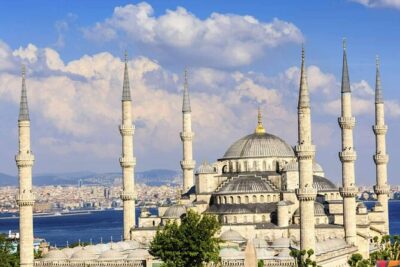 ★ 5.0Istanbul Highlights Private Tour: Hotel Pick-Up & Drop-OffFrom $90672 reviews
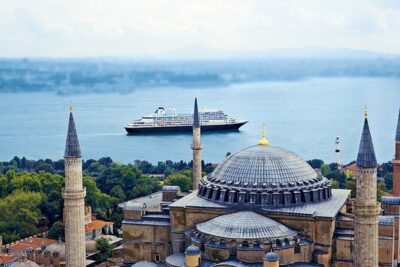 ★ 5.0Skip-the-Line Istanbul: Private Tour from Cruise Ship & HotelFrom $280536 reviews
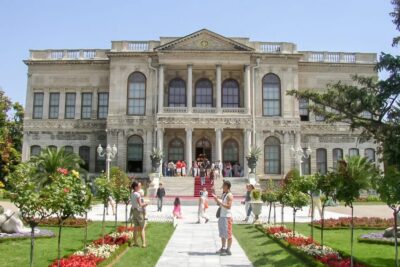 ★ 4.71 or 2-Day Private Guided Tour with Hotel TransferFrom $188438 reviews
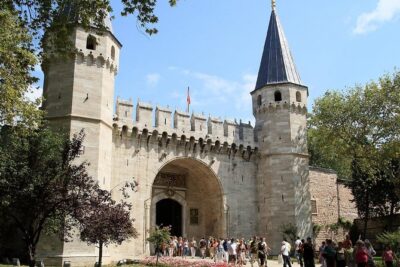 ★ 5.0Best Of Istanbul: 1, 2 or 3 Day Private Guided TourFrom $85435 reviews
 ★ 4.7Full Day Istanbul 1, 2 or 3-Day Private City Guided TourFrom $98411 reviews
 ★ 4.8Best of the City 1, 2 or 3-Day Private Guided TourFrom $102373 reviews
Other ways to explore Istanbul