
Review · 6-DAY EXPERIENCES
6 days Turkey tour: Multi City
Ancient ruins and war cemeteries, plus hot springs. This 6-day multi-city Turkey route strings together private guiding with key admission fees, so you spend your energy on the places, not ticket math. I like the tight way it connects the big-hitting sites, from Gallipoli’s memorial coast to Cappadocia’s fairy chimneys.
I also like that the plan includes a hotel night in Kusadasi with breakfast by the sea, plus meals like lunch throughout the trip. The one real downside to consider is the pace: you start early on Day 1, and you’ll be on the move across multiple regions in just a week.
If you want iconic Turkey without the logistics headache, this is a strong match. Just go in knowing it’s a packed, high-impact itinerary.
Key highlights you should care about
- Private tours and on-site guiding: faster explanations, fewer guesswork moments.
- Entrance tickets are handled: you get access to major ruins and museums without scrambling.
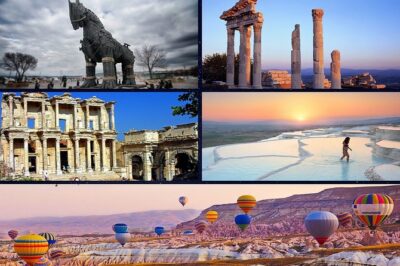
- Multi-city flow: Gallipoli, Troy, Pergamon, Ephesus, Pamukkale, Cappadocia in one trip.
- Kusadasi overnight with breakfast by the sea: a proper reset day after the ancient sites start piling up.
- Cappadocia views plus hands-on stops: museums, valleys, and an Avanos pottery workshop.
- Strong guide feedback, including Josh: the name Josh comes up for deep site knowledge and added learning stops.
Price and what you get for $1,750 per person
At $1,750 per person, this trip is priced like a “setup all the pieces for me” Turkey package. That matters, because you’re not only visiting sites, you’re also covering flights, airport transfers, and a lot of ground transportation.
Here’s the practical value: round-trip flights with all taxes and airport transfers remove the biggest friction points of a multi-city plan. On top of that, you get a 1-night hotel in Kusadasi with breakfast by the sea, plus breakfast four times and lunch six times. Dinner is not included, so you’ll still have a few evenings to choose your own meal, but you won’t be hunting for lunch between monuments.
You also have entrance tickets included for the historical stops and museums that are listed as paid entries. That turns into real savings of time and hassle. Many independent travelers end up spending energy on ticket queues and rule-checking. With this format, your guide handles the “how do we get in” part so you can focus on what you’re actually seeing.
Is it pricey? Yes, compared with a budget-only plan. But for a 6-day route covering Gallipoli, multiple UNESCO sites, Ephesus, Pamukkale, and Cappadocia, the price feels more like paying for efficiency.
You can also read our reviews of more city tours in Istanbul

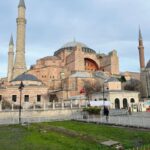
Day 1 in Gallipoli: ANZAC Cove, the War Museum, and an early start
Day 1 begins with a 06:30 pickup from your hotel in Istanbul, then a drive toward Eceabat and a full day Gallipoli tour. That early departure is not a small detail. It’s what gives you enough daylight to cover memorial stops without feeling rushed into a photo-only sweep.
You visit major World War I sites tied to the Gallipoli Campaign (1915-1916). The day’s highlights include ANZAC Cove, plus memorials such as Lone Pine Memorial and Chunuk Bair Memorial. There’s also The Nek, described as small but impactful. Even if you’re not a war-history fanatic, these stops hit in a direct way because they’re tied to real geography, not just museum text.
After the memorial points, you also stop at the Gelibolu Savas Muzesi (Gallipoli War Museum) for about an hour. This is useful because memorials can feel like a quiet space for reflection. The museum adds context with war relics like rifles and personal belongings like letters and diaries, plus maps and dioramas that show how operations unfolded.
The only drawback is emotional heaviness. If you’re sensitive to war themes, go in with the right mindset. Also, Day 1 is long. Comfortable shoes and patience will matter more than fancy outfits.
Day 2 in the Troy and Pergamon orbit: UNESCO sites with myth and science
Day 2 is built around two very different kinds of “wow,” and that balance is why it works.
First comes Troy (Truva) for about 3 hours. You’re walking through the remains of nine ancient cities stacked on top of each other, spanning more than 4,000 years. The connection to Homer’s Iliad and the Trojan War is part of the story, but the experience stays rooted in archaeology: city walls, gates, temples, and houses. There’s even a replica of the Trojan Horse, which helps many people tie the myth to what they’re actually standing on.
After Troy, you move to Pergamon (Bergama), also for about 3 hours. Pergamon is known for Hellenistic and Roman power, but what I like about it is the variety: you have the Acropolis, the ancient theater, the famous Altar of Zeus reference (noting it’s now in Berlin), and then a separate shift into the Asclepion, the ancient medical center dedicated to healing.
The Asclepion angle is surprisingly human. You see treatment spaces, pools, and sacred spring references. Then you also have Pergamon Library context. Even if your focus is architecture, it’s a reminder that these cities were about more than temples and speeches. They were systems for education and care.
Practical consideration: this day involves enough walking to make your legs your main “tour guide.” Bring water, wear something you can walk in for hours, and keep your pace steady.
Day 3 in Ephesus and Selçuk: Celsus, Artemis, Mary’s House, and Isa Bey Mosque
Day 3 is where the trip leans hard into one of the world’s best-preserved ancient cities: Ephesus. You spend about 3 hours there, and the big hits are exactly what you’d hope for.
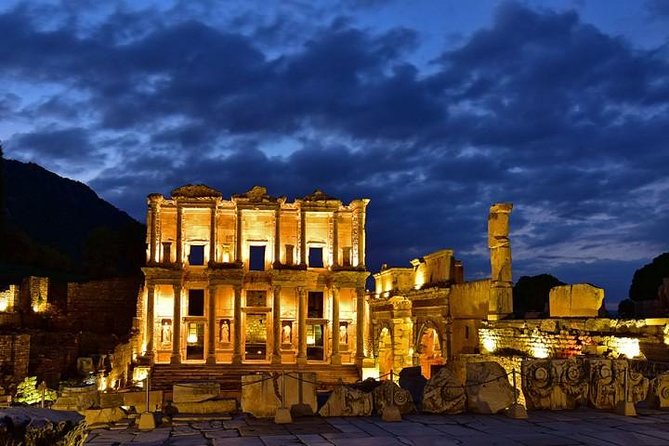
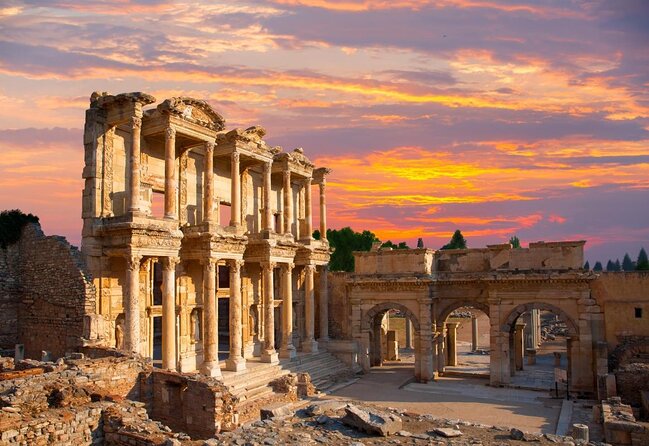
You’ll see the Library of Celsus, including its role as a monumental tomb. You’ll also take in the Great Theatre, built for massive crowds and used for dramas, concerts, and even gladiator battles. Then you’ll move through the Terrace Houses area, which is where the scale of everyday luxury in Roman-era Ephesus becomes real through mosaics and layout.
After Ephesus, the plan adds a three-part cultural and spiritual stack in Selçuk. First is the Temple of Artemis, with a short visit of about 30 minutes. It’s listed as free entry, and it works well as a quick, high-impact stop because it’s one of the Seven Wonders conceptually. You get a feel for the original ambition of the site, even though what you see today reflects later history.
Next is Meryemana (The Virgin Mary’s House) for about 1 hour. This place is not about empire or athletics. It’s a pilgrimage site linked to tradition about Mary’s residence. The setting is described as serene natural scenery, and there’s a designated wall for prayers and wishes. Even if you’re not religious, you may appreciate the calm contrast after Ephesus’ massive stone scale.
Then you end the day at Isa Bey Mosque, again for about 1 hour. This stop is interesting because it’s architectural. The description highlights an asymmetrical layout, a feature noted as rare in Islamic architecture, plus the two-domed prayer hall and the marble portal with geometric patterns and Arabic calligraphy. One detail I really like here is that the courtyard uses columns repurposed from Ephesus ruins. It’s a neat physical link between the ancient world you just toured and the later layers of the region.
Possible drawback: it’s a lot of different “modes” in one day, ancient city, wonder-site, pilgrimage, mosque. If you prefer one theme per day, you might feel slightly compressed. If you enjoy variety, it’s a strength.
Day 4 in Pamukkale and Hierapolis: white terraces, thermal pools, and Cleopatra’s Pool
Day 4 is a nature-and-ruins blend, and it’s the kind of day you’ll either love right away or need a bit of recovery for later.
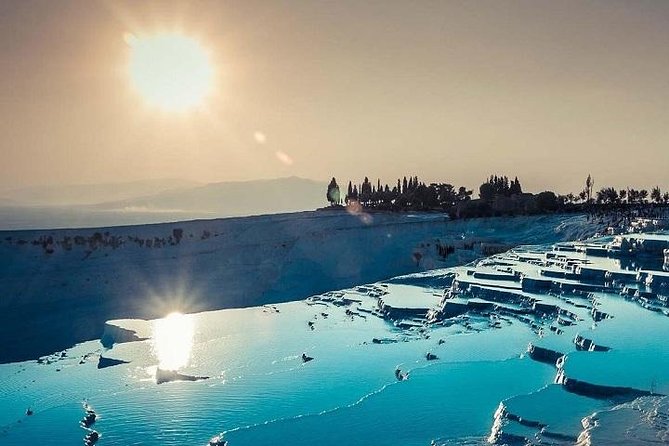
You start with Pamukkale and its white terraces, listed with about 3 hours and marked as free entry. The key idea is travertine formed by mineral-rich hot water, depositing calcium carbonate over time. The place earns its nickname “Cotton Castle” because of that soft white look created by the cascading formations.
Then you move to the Pamukkale Thermal Pools for about 3 hours, with entry included. These pools are described as temperatures ranging from 35°C to 100°C, fed by underground geothermal activity. The important practical point is that you can wade in warm areas, and the mineral water is tied to skin and muscle-ache beliefs. Bring swim basics and be ready for temperature variation.
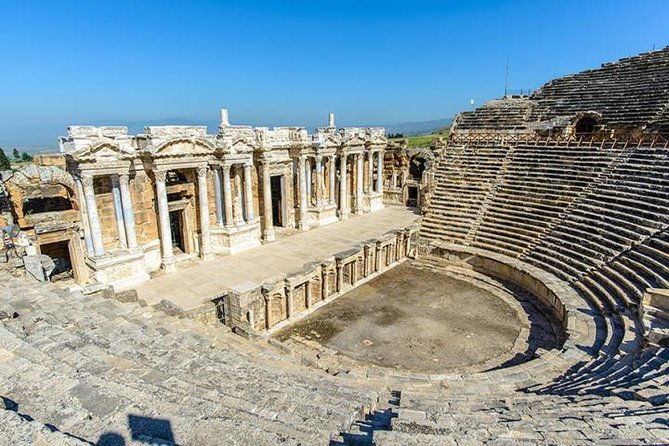
After that, you visit Hierapolis & Pamukkale for about 2 hours. Hierapolis brings the ancient city side back, including the theater (around 15,000 capacity), Roman baths, and a necropolis with thousands of tombs and sarcophagi. It’s a good pairing with Pamukkale because it gives you two reasons to feel amazed: natural wonder and human engineering.
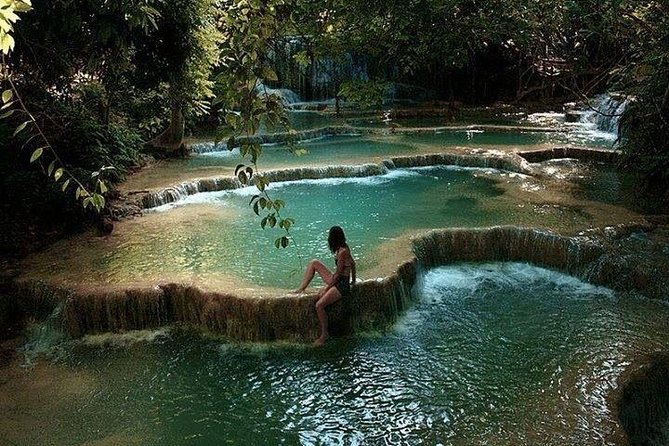
Finally, you visit Cleopatra’s Pool for about 2 hours with entry included. The description notes the legend of Cleopatra bathing there, while also pointing out the evidence is not definitive. What you get practically is a warm mineral pool (around 36°C) surrounded by Roman columns and marble ruins fallen into the water over time. It’s scenic, and the water adds a relaxing break after hours of site walking.
One consideration: Pamukkale can be crowded and hot. The plan notes that early morning or late afternoon is advised to avoid midday heat and crowds. If you’re sensitive to heat, prioritize shade and water and plan your pace accordingly.
More Istanbul tours and experiences for the shortlist
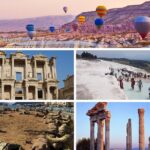

Day 5 in Cappadocia: Göreme views, the Open-Air Museum, Avanos pottery, and valley stops
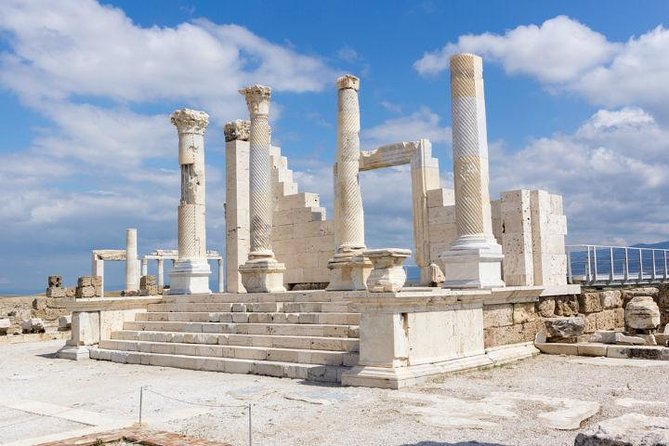
Day 5 turns the volume up again, shifting from western Turkey into Cappadocia. The structure is smart: viewpoints first, then a major museum, then crafts and valleys.
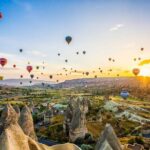
You start at Göreme Panorama for about 1 hour. The big win here is the sweeping look at fairy chimneys, rock formations, and valleys. The tour notes that balloons often appear early morning, which hints that timing changes the feel. Even later in the day, the view does its job.
Next comes the Göreme Open-Air Museum for about 3 hours. This is UNESCO territory in practice, not just on paper. You’ll see rock-cut churches and dwellings, including Dark Church, plus Apple Church and Snake Church, each known for frescoes. The museum also shows monastic life through quarters, kitchens, and a refectory, which helps the churches feel lived-in rather than decorative.
Then you go to Avanos Pottery Workshop for about 2 hours. Avanos pottery uses red clay from the nearby Kızılırmak River, and the tour description notes traditions dating back to the Hittite period. You might see artisans working and, in many workshops like this, there can be hands-on attempts. This stop is valuable because it adds a modern human skill to a day otherwise dominated by ancient stone.
After Avanos, you visit Devrent Valley (Imagination Valley) for about 2 hours. This place is about animal-like rock formations formed by erosion, not ruins. It’s fun for photos because you can spot shapes as you walk, and the tour notes it’s less about historical structures and more about the imagination of nature itself.
You then hit Paşabağları (Monk’s Valley) for about 1 hour. The focus is the fairy chimneys with mushroom-like shapes, and the fact that some rock-cut chapels and dwellings remain associated with monks.
Finally, you stop at Üç Güzeller (Three Beauties) for about 30 minutes. This is a short end-cap that’s ideal for a postcard view without swallowing your whole afternoon.
Practical consideration: this is a long day of outdoors. You’ll want sunscreen, a hat, and shoes you can trust on uneven ground.
Day 6 in Cappadocia: Uchisar, Red Valley sunset walk, Love Valley, underground city, and Pigeon Valley
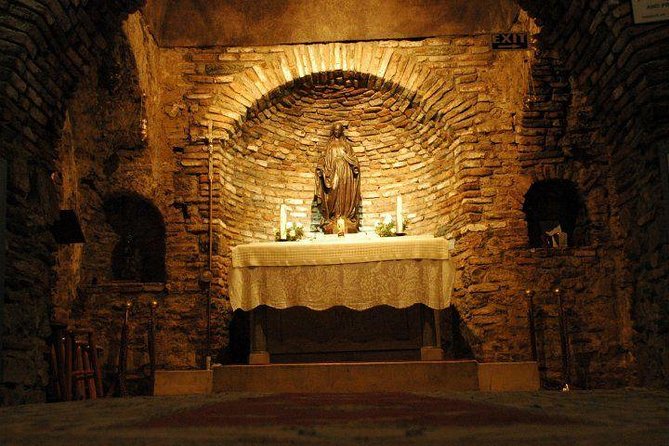
Day 6 keeps the fairy-tale theme but changes the texture of the experience.
You start at Uchisar Castle for about 1 hour. It’s a rock formation carved into volcanic stone, serving as a strategic defense point historically and now offering panoramic views. It’s one of those stops where the scenery tells the story of why people lived and guarded high ground.
Then you walk in Kızılçukur Valley (Red Valley) for about 2 hours, framed as a sunset experience. The tour calls it a red and pink rock hike with fairy chimneys, rock-carved churches, and vineyards. The route is described as suitable for nature lovers and photography, with a leisurely pace. If you’re chasing golden hour, this is the day to plan for it.
After the hike, you visit Çavuşin (Cavusin Village) for about 1 hour. Here, the highlight is the Church of St. John the Baptist, dated to the 5th century with frescoes. This stop adds a living village feeling to Cappadocia’s stone wonders.
Next is Love Valley for about 1 hour. The tour notes distinct rock formations shaped by erosion, plus trails and views, and that it’s a popular area for hot air balloon rides. Even without balloon focus, Love Valley works because it feels open, photogenic, and walkable.
Then you go underground with a major stop labeled Kaymakli Underground City, while the description explains the Derinkuyu Underground City in detail. Either way, the key facts provided are that it’s one of the largest and deepest underground cities in Cappadocia, built between the 8th and 7th centuries BCE, capable of housing up to 20,000 people plus livestock and supplies. You’ll see multiple levels, ventilation, living quarters, kitchens, chapels, and storage. This is a fascinating reset because it switches you from bright valleys to the logic of survival.
You finish with Pigeon Valley for about 1 hour. The tour description says the valley is named for pigeon houses carved into the soft volcanic rock, used historically for droppings collected as fertilizer. It’s also a scenic walking route connecting areas around Göreme and Uçhisar.
Consideration: underground sites can feel cooler and darker, so bring a layer even in summer.
Kusadasi overnight and meal plan: where your day slows down
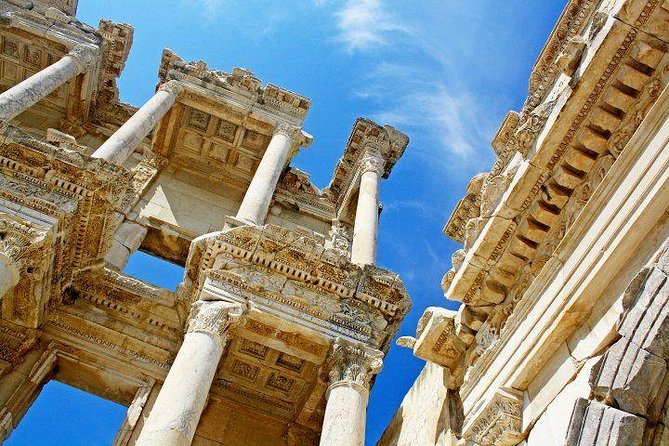
The trip includes one night in Kusadasi with breakfast by the sea. That’s more than a comfort perk. Kusadasi sits between Ephesus and the Pamukkale region, so the timing makes sense as a recovery point after ancient-site touring.
Meal coverage is meaningful here: breakfast four times and lunch six times are included, and dinner is not. That means most of your daily decision-making is already handled. When you do have dinner freedom, you can pick something close to your hotel or along the water, depending on your mood.
Also, because transportation is included, you’re not trying to coordinate buses or trains between far-flung areas. The private guide format, plus included tickets, tends to keep each day from bleeding time into logistics.
Practical tips to get the most from this packed route
A few notes to make this kind of multi-city week feel smoother.
First, embrace early mornings and protect your energy. Day 1 starts with a 06:30 pickup from Istanbul, and other days include multiple stops spread across hours. Plan to move slowly between sites, take a breather when your feet need it, and keep water handy.
Second, pack for mixed weather and mixed surfaces. You’ll be in ancient ruins with steps and uneven ground, plus hot springs areas where water is part of the experience. You’ll also be in Cappadocia on rock formations and valley paths.
Third, for Pamukkale, think about timing. The guidance notes early morning or late afternoon to avoid midday heat and crowds. If your tour day happens to land you near peak sun, treat shade and hydration as non-negotiable.
Fourth, let the guide do what guides do best. In the feedback, the guide Josh is singled out for being extremely knowledgeable and even arranging an extra learning stop when you have time. In other words, ask questions early. If you’re the type who loves context, you’ll get more out of the trip when you speak up.
Who should book this, and who might want a slower plan
This is a good fit if you want a lot of Turkey in one trip and you prefer your time guided, ticketed, and transported. It’s also a strong choice if you value private pacing. Since it’s described as a private activity where only your group participates, you’re not stuck waiting for strangers.
If you’re okay with a packed schedule, you’ll enjoy the variety: war memorials in Gallipoli, myth and excavation at Troy, Hellenistic and Roman power at Pergamon, grand-scale Ephesus plus Selçuk’s spiritual sites, thermal Pamukkale, then Cappadocia’s museum and valleys.
Who might consider a slower route? If you hate long drives, struggle with lots of walking, or want more free time for wandering, this plan may feel like a sprint. You can still love the destinations. The difference is how much you’ll want to linger.
Should you book this Turkey multi-city tour?
I’d book it if you want the “best-of Turkey” feeling without planning headaches, and you’re happy trading some downtime for full coverage: Gallipoli, Ephesus, Pamukkale, and Cappadocia in one week, with entrances included and guided on-site time.
I wouldn’t book it if you’re looking for a relaxed pace or you want nights and dinners completely unstructured. Also, the experience requires good weather, so if you’re traveling during a period when weather is unpredictable for you, keep that in mind.
If you’re flexible, curious, and ready for an active week, this is the kind of trip that turns into a long set of memories, not a short set of photos.
FAQ
How much does the tour cost?
The price is $1,750.00 per person.
How long is the Turkey tour?
The duration is 6 days (approx.).
What’s included in the price?
Included: 1 night hotel in Kusadasi with breakfast by the sea, 2 days private tour with lunch, guide, transportation, and entrance fees, round-trip flight tickets with all taxes, all airport transfers, plus lunch six times and breakfast four times.
Is pickup offered?
Yes. Pickup is offered, and you’re picked up from your hotel in Istanbul for the Day 1 start.
What is not included?
Dinner is not included.
What is the cancellation timeframe for a full refund?
You can cancel up to 6 days in advance for a full refund. The policy also states changes within 6 days or less are not accepted, and refunds drop to 50% if you cancel 2–6 days before the start time.
More City Tours in Istanbul
More Tours in Istanbul

More Tour Reviews in Istanbul
Not for you? Here's more nearby things to do in Istanbul we have reviewed


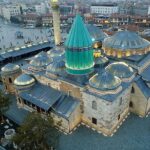
More 6-Day Experiences to consider.
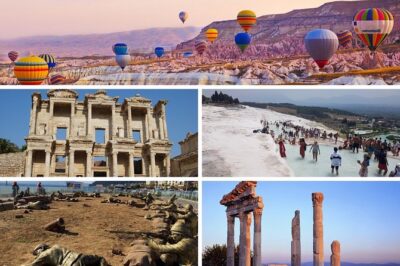 ★ 5.06 Days Turkey Tour Cappadocia, Pamukkale, Ephesus, Gallipoli TroyFrom $2,122109 reviews
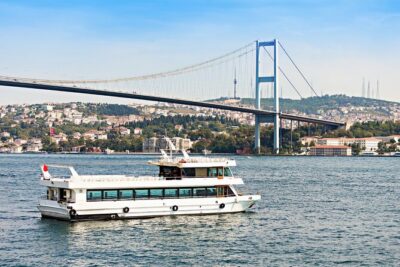 ★ 5.06 Days Guided Istanbul and Cappadocia TourFrom $1,55036 reviews
 ★ 5.06 Days Istanbul Cappadocia Tour in Spanish with 2 internal flightsFrom $1,92229 reviews
 ★ 5.06-Day Turkey Tour from Istanbul: Gallipoli, Troy, Ephesus, Pamukkale and CappadociaFrom $1,80727 reviews
 ★ 5.06-Day Private Guided Tour to Istanbul and CappadociaFrom $1,49927 reviews
 ★ 5.0Istanbul – Cappadocia 6 Day Private Tour + Deluxe Balloon RideFrom $3,30014 reviews
 ★ 5.06 Days Turkey Tour Cappadocia, Ephesus, Pamukkale, Gallipoli, Troy TourFrom $2,36010 reviews
 ★ 5.06 Day Tour of Turkey, Istanbul, Cappadocia and EphesusFrom $2,5007 reviews
Other ways to explore Istanbul