
Review · 5-DAY EXPERIENCES
Western Turkey Explorer – 5 Days
Turkey packs a lot in five days. This route ties together Istanbul’s grand monuments, the emotional Gallipoli battlefields, and the big-ticket ancient ruins of the Aegean, all with a guide and comfy ground transport.
I like that the trip is built for low-stress logistics: airport transfers, centrally located hotels, and four breakfasts plus four lunches means you spend your energy sightseeing, not meal-planning. I also really appreciate the way the schedule is structured around major sites, while your guide provides enough background to make the visits click, including ANZAC history and why places like Asklepion mattered.
One drawback to plan for: entrance tickets are not included, so you need to budget extra for places like Hagia Sophia and Topkapı Palace. Also, it is a packed itinerary, so your feet will get a workout.
Key things to know before you go
- Max 12 travelers keeps it feeling small-group rather than bus-crew.
- Skip-the-line support is built in through your guide for historical sites.
- Four breakfasts and four lunches cut down on day-to-day decisions.
- Ephesus is the capstone, with stops that frame the ruins well.
- Transport is air-conditioned and non-smoking, plus airport transfers are included.
- Entry fees are extra, while children 8 and under get free entry.
Istanbul in One Day: Hagia Sophia, Blue Mosque, Topkapı, and a Grand Bazaar browse
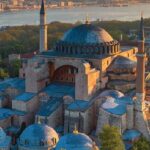
This is the kind of Istanbul day that makes a first-time visit feel efficient without trying to cram every street in the city. You start with Hagia Sophia Grand Mosque, a building tied to Byzantine power and then later Ottoman religious life. The scale matters here, and the timing is simple: you get about an hour, enough to see the main highlights and take in why people still stop mid-walk to stare up.
Next up is the Blue Mosque, famous for its look and its six minarets. You get the chance to see the interiors and the famous blue tile work attributed to Sultan Ahmed I (1616). Then you swing by the Hippodrome of Constantinople remains, including three monumental columns and a fountain, where chariot races used to play out. It’s not always the headline stop on other itineraries, but it’s a great palate cleanser after the big religious buildings.
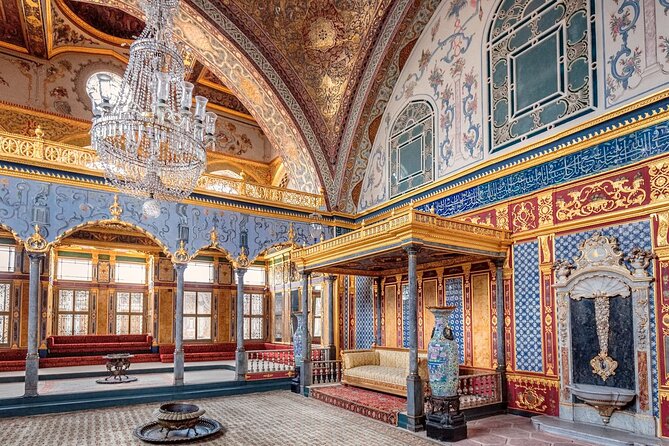
Then comes Topkapı Palace, which spent centuries as the Ottoman Sultan’s imperial residence and government seat. In the tour format, it’s about two hours, and because it is a museum now, you can focus on the treasures you care about most, from porcelain and antiques to holy relics mentioned in the palace collections.
Finally, you end with a Grand Bazaar Jewelers visit. This is not a time for deep shopping strategy unless you love wandering. It’s more of a guided introduction to how these covered markets work, with stalls that sell everything from jewelry to leather goods, rugs, and hand-woven fabrics.
What to watch for: this day is big on famous landmarks, so dress comfortably and plan for lines and security processes even if your guide helps with ticket flow for some sites. Also, since tickets for key stops like Hagia Sophia and Topkapı are not included, you should budget ahead so you are not doing last-minute math in the lobby.
More Istanbul tours and experiences for the shortlist
Gallipoli National Park and Troy: ANZAC sites and the Trojan War setting
Day three is where the tour turns serious and stays that way. You drive from Istanbul toward Çanakkale, then the heart of the day is Gallipoli National Park. Expect a guided walk through major locations connected to the ANZAC campaign, including Brighton Beach, ANZAC Cove, Beach Cemetery, and major memorials like Lone Pine and the Turkish and allied commemorations.
What makes this part of the tour valuable is that it is not treated like a quick photo stop. The tour includes specific battlefield points and the physical remnants of the fighting, including Turkish and allied tunnels and trenches at Johnston’s Jolly, plus the 57th Regiment Turkish Memorial and Chunuk Bair New Zealand Memorial. With a good guide, the geography adds weight fast, because you can actually see why those positions mattered.
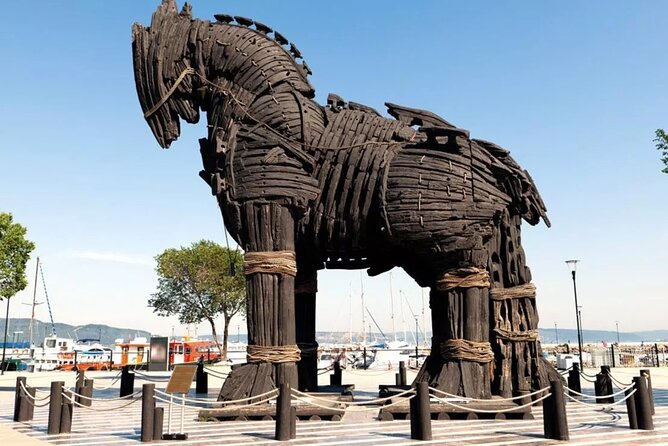
After Gallipoli, you head to Troy (Truva). Here, you get around two hours at the UNESCO-recognized archaeological site, and the visit is framed around the big names people associate with this story: the Trojan War, the Trojan Horse, Helen of Troy, Prince Paris, and the battle setting tied to Achilles and Hector. You can walk the ruins while connecting themes like ancient walls, notable buildings like the Megaron House, and features such as the Roman bath and the Odeon.
Practical note: this is still a long day even with guided timing. If you get motion-sick easily, bring what you usually use. And bring sturdy shoes. Terrain at archaeological sites can be uneven, and you will walk more than you expect.
Pergamum to the Aegean: Zeus Altar area, Temple of Artemis remains, and Asklepion
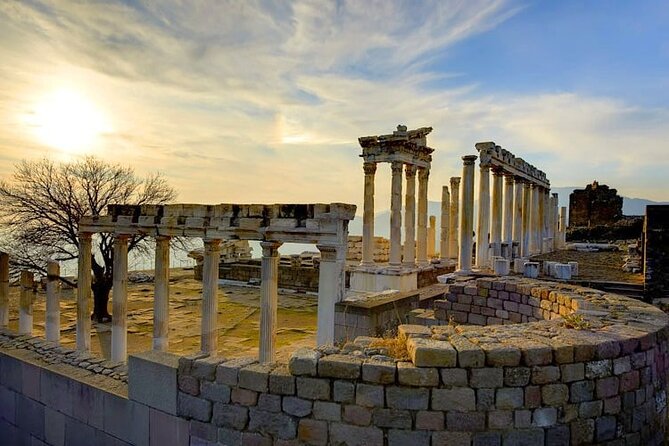
The fourth day is the most “ancient city” feeling of the trip. You start in Çanakkale, then head toward Pergamum. The big stop is Pergamon Ancient City, tied to a wide timeline of cultures and backed by recognizable landmarks. You get a guided look at how Pergamum functioned as a capital across eras, including temples, palaces, and agora spaces.
This is also where the tour highlights major intellectual and cultural references linked to the site. Your guide points out the Asclepion, which the tour describes as a medical center with lasting importance, and mentions the Zeus Altar and the Parchment Library. Even if you are not an archaeology nerd, the story helps you understand why Pergamum mattered beyond being “old rocks on a hill.”
After Pergamon, you make quick time for the Temple of Artemis. In this stop, you mostly see the reality check version of a wonder. The tour notes that only foundation and one column remain from the original enormous temple. Even in fragments, it’s a strong reminder of how huge ancient projects were, and why later generations still used the Temple of Artemis as a reference point.
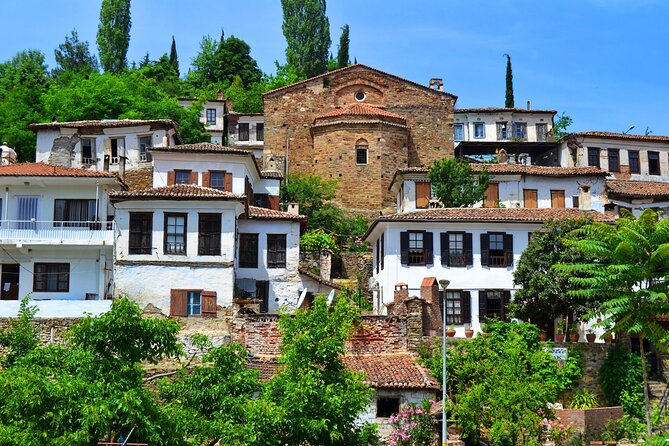
Then you finish the day at the Asklepion, described as Pergamum’s “God of Health” place for medicine and dietary health across centuries. The tour includes the educational angle, including the idea that famous scholars like Hippocrates and Galen are connected to Pergamum. It is also a scenic transition point, with sea views and olive trees mentioned along the way, plus the feeling of being near the Aegean.
Finally, you drive onward to Kuşadası for overnight. That means the day ends with you positioned for the final big day in Ephesus.
What to watch for: Pergamum and Asklepion can involve more walking than you think, and the distances between key spots can feel long if you stop to read every sign. If you like to absorb slowly, take your time. If you prefer faster coverage, trust the guide’s pace and come back to details later on your own.
Ephesus Finale: Virgin Mary’s House, Ancient Ephesus, and two Temple of Artemis stops
Day five is where the tour earns its reputation. You start in Kuşadası, meet your guide, and then you jump into a sequence that frames Ephesus as more than one big ruin field.
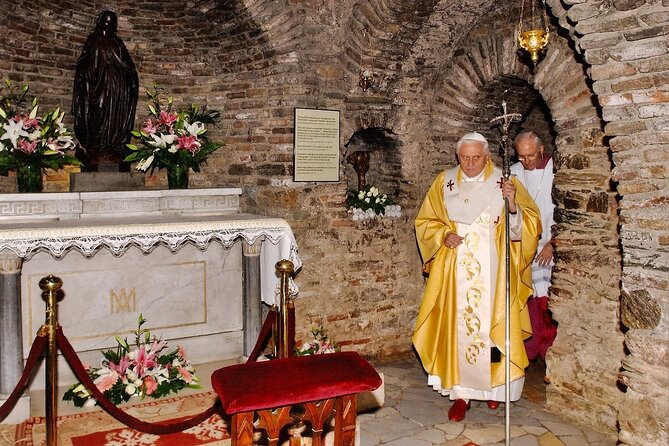
First is Meryemana (The Virgin Mary’s House). The tour describes a church built from the 6th century to the top of foundations from a house dating to the 1st century, and it is presented as the final house where Mary spent her last days. This stop is about setting a human, spiritual tone before the hard stone of the ruins.
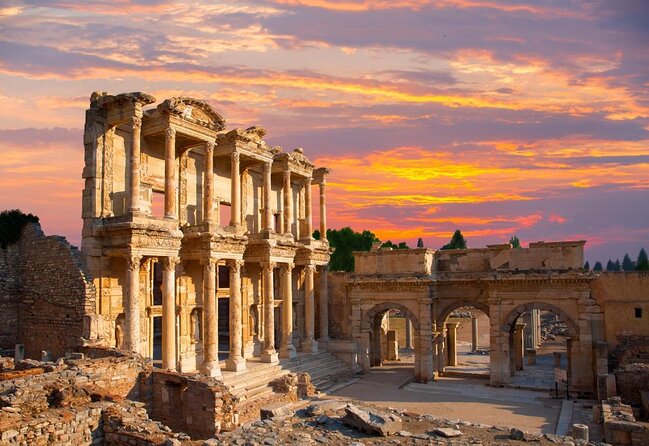
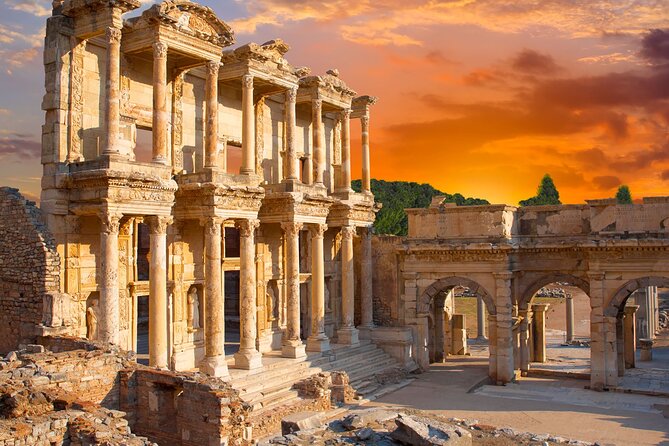
Then comes Ancient City of Ephesus, one of the best-preserved classical cities in the Eastern Mediterranean. You get about two hours here, and you will likely focus on major monuments your guide brings up: an ancient street setting, a sense of the city scale (the tour mentions more than 250,000 citizens), and signature structures like the library mentioned as one of the largest of the ancient world and the large Roman theatre on the Asia continent.
Finally, you end with two Artemis-related stops in the broader tour flow. On this day you get The Temple of Artemis described as one of the Seven Wonders of the Ancient World, with the tour emphasizing the pilgrimage appeal tied to Artemis’s cult.
Why this finale works: the order helps. Mary’s House sets a reflective mood, and then Ephesus gives you the real-world scale of ancient urban life. After that, Artemis stops tie the religious and cultural thread together, so you do not just see statues and columns, you understand the old logic behind the city’s fame.
Comfort tip: bring something for sun protection. Ephesus can feel open and exposed on certain routes. Even if the guide keeps the timing smooth, your body will notice the daylight.
Comfort and Logistics: air-conditioned rides, non-smoking vehicles, and max 12 travelers
For many people, the biggest win of this tour is not a single site. It is the fact that you are not managing the day. You get land transportation in an air-conditioned, non-smoking vehicle, and your itinerary includes included transfer services from/to airports.
The tour also keeps group size small, with a maximum of 12 travelers. That matters more than people think. Small groups mean the guide can move faster without losing people, and you spend less time waiting around for stragglers.
Another helpful detail: the tour notes that your guide has skip-the-line tickets for historical sites. Entrance fees are not included, but this is still a big deal because it cuts the time you spend standing still.
Your meeting time is 8:30 am, so plan an early morning routine, especially if your hotel is more than a short walk from the pickup point. On travel days, your schedule will feel guided, not spontaneous, and that is the point.
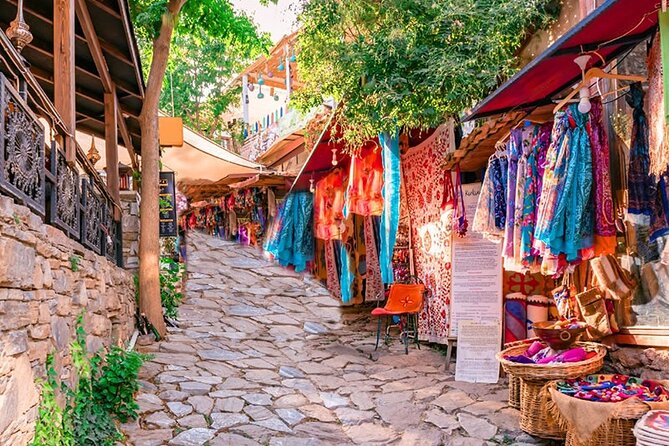
About hotels: the tour states the accommodations are “special class” hotels centrally located, with regional style rather than the generic look of big chain properties. You are not chasing luxury branding here. You are chasing location and comfort between long sightseeing days.



Price and value: what $750 gets you, and what you should budget for
At $750 per person for about five days, the value is mostly in the bundle. You are paying for a guided route that includes:
- 2 nights in Istanbul, plus 1 night in Kuşadası, plus 1 night in Çanakkale
- Four breakfasts and four lunches
- Airport transfers
- Air-conditioned, non-smoking vehicle transportation
- Mobile ticket for the tour
That is a lot of “logistics work” you do not have to do yourself. If you have ever tried to assemble a similar route with guides, transfers, and sensible hotel locations, you know the costs creep up fast. Even if you enjoy independent travel, having someone coordinate the sequence and keep you moving between distant regions can be worth paying for.
What is not included is the part you must plan for: entry tickets to historical sites and beverages with meals. The itinerary also includes multiple locations where ticket cost could add up, especially the major Istanbul stops where the tour explicitly notes admission is not included.
So here is the budgeting mindset that works:
- Treat $750 as the guided travel package (transport, hotels, meals, guide, transfers).
- Treat site tickets as an extra line item you pay on the day.
If you go into it with that plan, you will feel in control rather than surprised.
Guides and the human side: why good explanations change the stops
The reviews attached to this provider focus heavily on guide quality. Names that come up include Kerem, Rıza, Hakan (driver), Gokan, and Shukran. The common theme is that guides are described as friendly, professional, and strong on explanations, not just “show and go.”
That matters on this specific route. Places like Gallipoli are emotionally charged, and places like Pergamon and Asklepion are dense with meaning. When your guide connects the dots, you spend less time guessing what you are looking at.
You should also notice the tone in the itinerary: it repeatedly includes context, like St Sophia’s Byzantine role, the Ottoman layers in the Blue Mosque, the reason Gallipoli points matter, and why Asklepion is treated as a medical center. That is not fluff. It is the difference between seeing ruins and understanding what the ruins used to do.
If you care about story as much as sightseeing, you will probably love this format. If you only want quick photos, you might feel some stops are slower than your pace.
Who should book this Western Turkey Explorer
This tour is a strong fit if you want:
- A guided, small-group way to cover the big sites of Western Turkey
- Low-stress logistics with transfers, hotels, and meals handled
- A route that balances emotional history (Gallipoli) with ancient city wonders (Troy, Pergamon, Ephesus)
It is a weaker fit if:
- You dislike “visit after visit” days with lots of walking and driving
- You do not like budgeting for separate entrance fees
- You want total independence and zero schedule structure
One more practical match check: if you are traveling with someone who values comfort and smooth movement, the air-conditioned vehicle, central hotels, and small group size help a lot.
Should you book this tour?
I would recommend booking this Western Turkey Explorer if you want a guided route that feels efficient and grounded, without sacrificing explanation. The big wins are the small group feel (max 12), the included meals and transfers, and the fact that your guide helps you make sense of what you are seeing, from ANZAC Cove to the urban life of Ephesus.
I would hold off if you are trying to keep costs ultra-low, because the itinerary makes it clear that key site entrances are not included. Also, if you have limited mobility or get worn out by long full days, this schedule could feel heavy.
If you book, do one smart thing: plan a realistic budget for entrance tickets ahead of time, and wear shoes you trust. Then you will spend the five days doing what you came for, seeing the places that make Western Turkey unforgettable.
FAQ
What is included in the Western Turkey Explorer package?
The package includes 2 nights accommodation in Istanbul, 1 night in Kuşadası, 1 night in Çanakkale, meal plan as mentioned in the itinerary (four breakfasts and four lunches), transfer services from/to airports, and land transportation by air-conditioned, non-smoking vehicle.
Are entry tickets to historical sites included?
No. Entrance tickets to historical sites are not included. The guide provides skip-the-line tickets for historical sites.
What are the accommodations like?
The tour states the hotels are special class and centrally located, with a characteristic regional structure rather than large groups staying in the same type of big hotel.
How many people are in the group?
The tour has a maximum of 12 travelers.
What is the meeting time?
The start time is listed as 8:30 am.
Is pickup included?
Yes, pickup is offered, including a driver to pick you up at Istanbul Airport on day 1, and guided pickup timing is referenced on other days.
Can I get a full refund if I cancel?
Yes. You can cancel up to 24 hours in advance of the experience for a full refund.
More 5-Day Experiences in Istanbul

More Tour Reviews in Istanbul

Not for you? Here's more nearby things to do in Istanbul we have reviewed





More 5-Day Experiences to consider.
 ★ 4.55-Day Aegean Tour – Gallipoli, Troy, Ephesus, Kusadasi, PamukkaleFrom $1,54386 reviews
 ★ 5.05-Day Best of Cappadocia, Pamukkale and EphesusFrom $1,1996 reviews
 ★ 4.5Getaway Turkey 5-Day Tour from Istanbul: Gallipoli and TroyFrom $1,0996 reviews
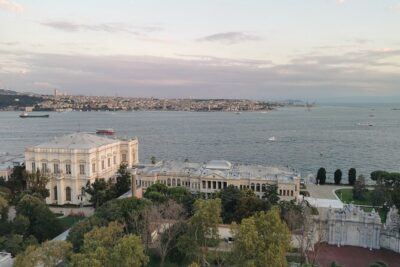 ★ 5.0Ephesus-Pamukkale (5 Days Private Tour)From $1,6105 reviews
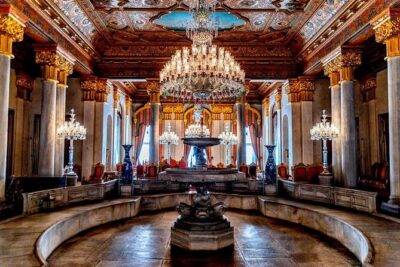 ★ 5.05 Days Best of Istanbul Tour in IstanbulFrom $1,3305 reviews
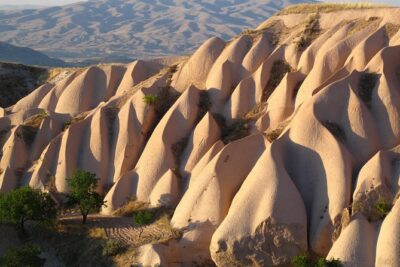 ★ 5.05-Day Tour of Istanbul and Cappadocia with return flightsFrom $1,2995 reviews
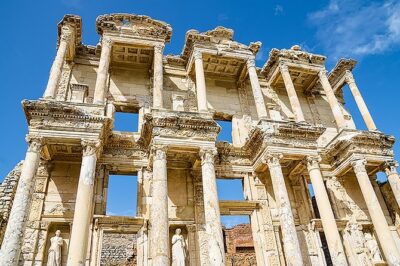 ★ 4.55-Day Tour of Istanbul, Ephesus and PamukkaleFrom $9994 reviews
 ★ 5.05 Days Cappadocia Ephesus Pamukkale Tour from Istanbul by PlaneFrom $1,3804 reviews
Other ways to explore Istanbul