
Review · 7-DAY EXPERIENCES
Turkey Higlights in 7 days
Four icons, one efficient route. I love how this week starts in Sultanahmet, so you’re close to Hagia Sophia and the Blue Mosque from day one. I also like that the tour’s English guidance is a real selling point, with praise for guides such as Dilek and the hospitality credited to Erkan’s team. One consideration: the schedule is packed, and the hot air balloon ride costs extra.
For $2,315.20 per person, you’re not just paying for sights. You’re paying for logistics: guided days, lunches and breakfasts included for five days, entrance fees for most stops, a hotel for six nights, and a mix of airport transfers and flights to cover big distances fast. If you want long, loose wandering days with zero structure, this may feel a bit tight.
Key highlights I’d plan my week around
- Sultanahmet hotel base gives you easy access to Istanbul’s top monuments with less commuting stress.
- English-led guidance is a standout, including positive mentions of Dilek and clearly explained history.
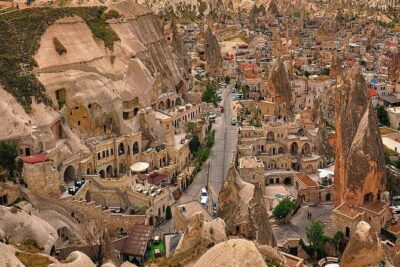
- Cappadocia valley time goes beyond viewpoints, with rock villages and a classic underground city stop.
- Göreme Open-Air Museum brings the fairy-chimney scenery together with early Christian rock-cut art.
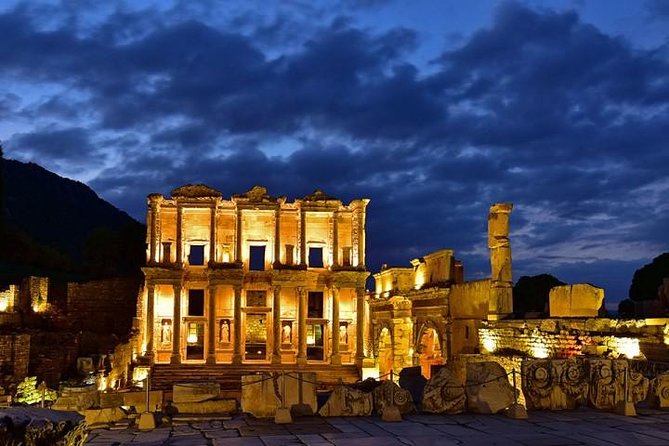
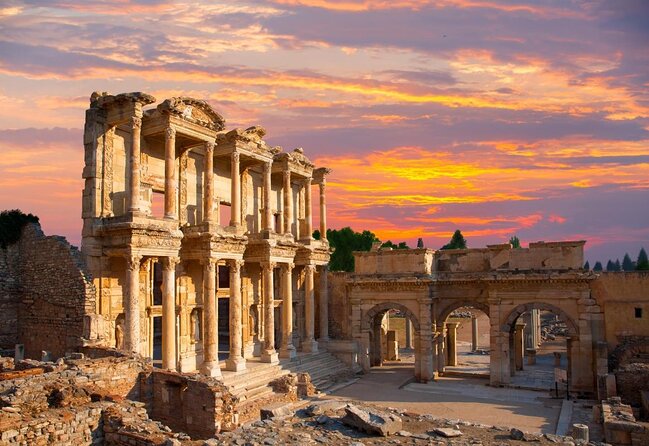
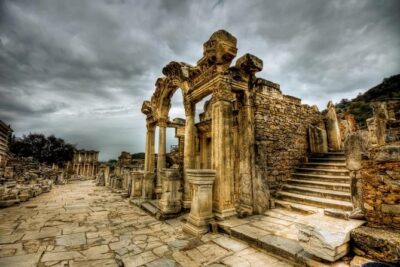
- Ephesus with major anchors like the Great Theatre and Celsus-style architecture, plus Meryemana.
- Pamukkale’s travertines and thermal pools pair world-famous walking terrain with Roman-era spa ruins.
Sultanahmet Arrival: Airport Transfers and a Blue Mosque Area Hotel
Your first move is simple, and that matters after travel days. You land at Istanbul Airport or Sabiha Gökçen, meet your team, and get transferred to a hotel in the Blue Mosque area in the old city. Then you get free time to settle in, eat on your own, and plan an early start for the sights.
This matters for two reasons. First, you avoid wasting time crossing the city. Second, Istanbul’s historic core rewards early hours. In practice, being based in Sultanahmet helps you do the big stuff without feeling like you’re always rushing to catch the next van.
More Istanbul tours and experiences for the shortlist
Istanbul’s Classic Loop: Hippodrome Square, Blue Mosque, Topkapi, Hagia Sophia, Basilica Cistern
Day two is the “great hits” day in Istanbul, and it’s built around landmark clusters you can connect in a smart order. You start at Sultanahmet Square, the old Hippodrome area where Byzantine and Ottoman history still echoes through surviving monuments.
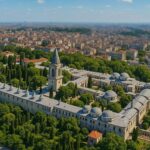
Then you hit the big three of the neighborhood. The Blue Mosque (Sultan Ahmed Mosque) is known for its İznik tile interior and its six minarets, and you’ll also need to dress modestly because it’s a functioning mosque. Next is Topkapi Palace, the long-time Ottoman power center. The palace stops that tend to land best for most people include the Imperial Treasury and the Harem section, since they explain how rulers lived and displayed authority.
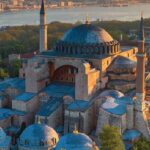
After that comes Hagia Sophia, the one building that makes you stop talking and just look up. It started as a Byzantine cathedral, later became a mosque, and has shifted roles through modern history. Inside, mosaics and calligraphy style cues help you understand why it’s always been more than a single religious building.
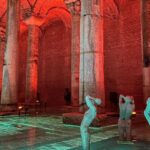
Finally, you go underground to the Basilica Cistern, a Byzantine water reservoir turned into one of the most atmospheric indoor spaces in the city. The columns and the famous Medusa Head column bases are the kind of detail you remember because it feels strange and specific, like someone hid a story in plain sight. If you like photo-friendly stops with strong atmosphere, this is a winner.
Practical note: days like this can be intense on your feet. Bring comfortable shoes and plan to pace yourself, especially if you’re sensitive to crowds.
Grand Bazaar Time Without the Headache
The Grand Bazaar is scheduled as a focused stop, which is the right way to do it. A market like this can eat whole afternoons if you’re not careful. With a guided plan, you get in, see the layout and key areas, and then you can decide how long you want to keep browsing.
You’ll pass through the maze-like covered streets and domed sections that make it feel like a city inside a building. It’s also a strong place to look at crafts and Turkish goods, including ceramics, carpets, spices, jewelry, and textiles. Just remember: bazaars are sales-focused by design, so keep your spending goals in mind. If you’re not shopping, treat it like a cultural walk and take photos of the architecture and signage instead.
Cappadocia Arrival Mood Shift: Uchisar Castle and the Red Valley Sunset Walk
After Istanbul, the trip pivots to a completely different planet. On your first full day in Cappadocia, you start with Uçhisar Castle, carved into volcanic rock and famous for panoramic valley views. Even if you only give it an hour, it’s the kind of viewpoint that helps everything else make sense, because you finally see the “big picture” of the chimneys and valleys.
Next comes Kızılçukur Valley, often called Red Valley, especially for sunset. This is not just a drive-by view. You’ll do a roughly two-hour walk through the rock scenery, and the payoff is the color shift in the rocks during golden hour. It’s also a nice pace change from the bigger museum days, because you’re moving through open terrain rather than standing still under indoor ceilings.
Cavusin, Love Valley, and Derinkuyu: Cappadocia With Real Texture
Cappadocia becomes more than postcards once you start mixing villages, valleys, and underground spaces. Çavuşin is one of those places where rock-cut churches and old homes make the region feel inhabited, not just sculpted.
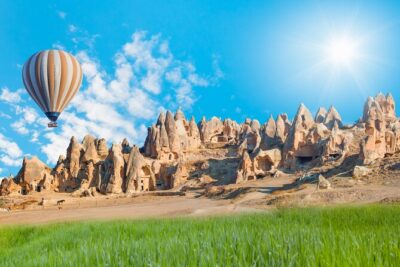
The route also includes Love Valley, known for dramatic fairy-chimney formations. It’s popular for hiking and is closely tied to the same landscape backdrop you see from balloon baskets. Even without the balloon, this stop helps you “read” the terrain.
Then you go underground to Derinkuyu Underground City, a deep multi-level refuge system. It’s the kind of stop that surprises people because it’s so organized: living quarters, kitchens, chapels, storage areas, and even ventilation features are part of the design. The site is described as able to house up to 20,000 people with supplies, which helps you understand the scale of what communities were prepared for during conflict.
If you like human-scale survival stories and engineering details, this is one of the strongest days in Cappadocia. If you’re claustrophobic, you might still be able to enjoy it, but be honest with yourself and pace your visit.
Göreme Open-Air Museum, Avanos Pottery, Devrent, Paşabağları, and Three Beauties
Day four is a smart blend: museum culture, crafts, playful nature shapes, and iconic fairy chimney landscapes.
You’ll start with Göreme Panorama, a viewpoint designed for sweeping views of valleys, chimneys, and the balloon scene early in the day. Then you enter the real centerpiece: the Göreme Open-Air Museum. Here you’re walking among rock-cut churches and chapels with frescoes dating back roughly to the 10th to 12th centuries. Stops inside the museum like the Dark Church, Apple Church, and Snake Church matter because each shows different fresco themes and church layouts, so you don’t feel like you’re seeing one single room over and over.
After the museum, you head to Avanos, known for its long pottery tradition. The local red clay from the nearby river is part of why the pottery here has a recognizable look. Even if you only observe the workshop work, you get a better sense of how craft is tied to landscape and materials.
Then you shift gears again to Devrent Valley, also called Imagination Valley, where erosion creates rock shapes that resemble animals and faces. It’s not a church, not an underground city, not a palace. It’s geology plus imagination, and it makes for fun photos because your brain keeps finding new patterns.
You’ll finish with Paşabağları (Monk’s Valley) and Üç Güzeller (Three Beauties). Paşabağları is famous for mushroom-shaped fairy chimneys and even rock-cut chapels in the formation areas. Three Beauties is shorter but postcard-effective, with three tall conical chimney forms near Ürgüp.
This day works well if you like variety. It also works well if you want Cappadocia to feel like a story, not just a set of scenic stops.
Ephesus in the Morning: The Great Theatre, Celsius-Style Landmark Views, Meryemana, and Artemis
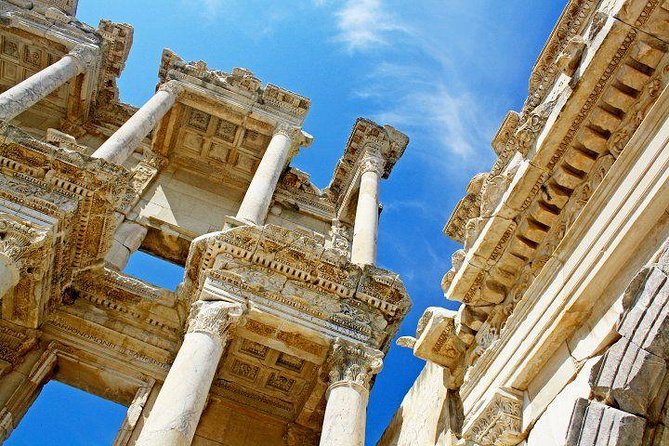
Ephesus is the stop that turns a trip into a time machine. You’ll spend time at Ephesus Ancient City, one of the major archaeological sites in the Mediterranean. What makes it feel special is the scale: it’s not a single building, it’s a whole urban world with major monuments.
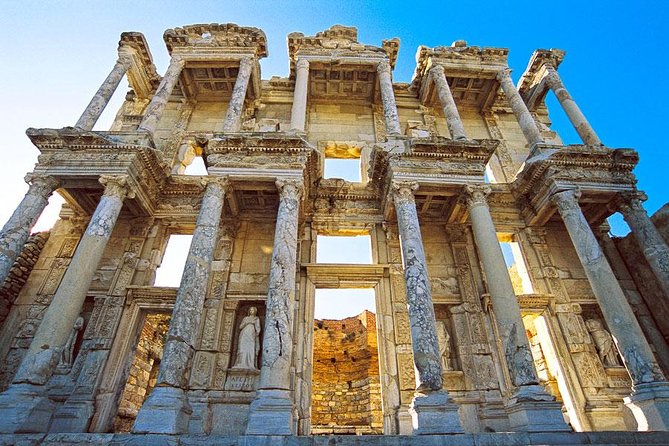
The stops you’ll likely focus on include the Temple of Artemis remnants, the Great Theatre (listed as able to seat about 25,000), and the library façade area often associated with Celsus. The Agora and surrounding streets also help you picture daily life, not just rulers and priests.
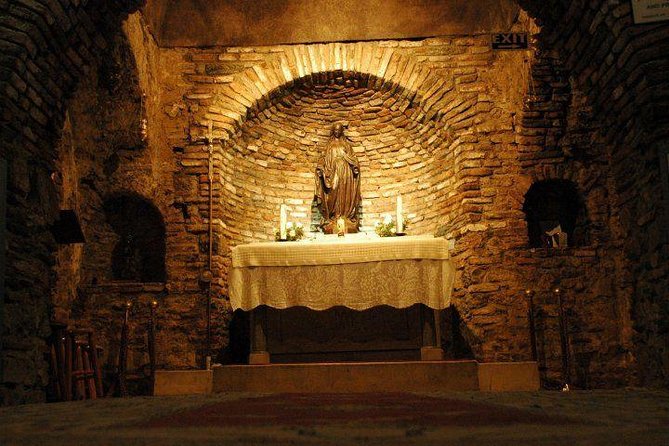
You also visit Meryemana (The House of Virgin Mary) near Selçuk. It’s treated as a sacred pilgrimage site, and the story is part of the experience. The house is described as a modest stone structure, rediscovered in the 19th century and later supported by a Vatican commission in the 1960s. You may notice the wishing wall practice, where pilgrims tie pieces of cloth tied to prayers.
Then you wrap with the Temple of Artemis information area and Isa Bey Mosque in Selçuk, an example of early Turkish-Islamic architecture. Even if you only spend an hour or so in each, the mix of archaeology plus living religious places gives Ephesus context you don’t always get on strictly museum-only days.
A practical takeaway: Ephesus can be hot and demanding on your feet. Plan to hydrate and take breaks during the biggest open areas.
Pamukkale’s Cotton Castle and Cleopatra Pool, Plus Hierapolis Roman Ruins
Pamukkale is the kind of place that looks unreal in photos, then still manages to impress in person. You start with Pamukkale Village, a calmer base near the travertine terraces. The village stop is useful because it helps you switch from “big sightseeing” to “walk, soak, repeat.”
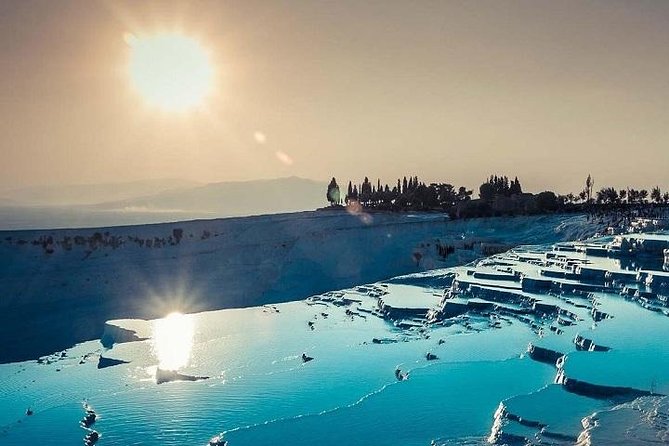
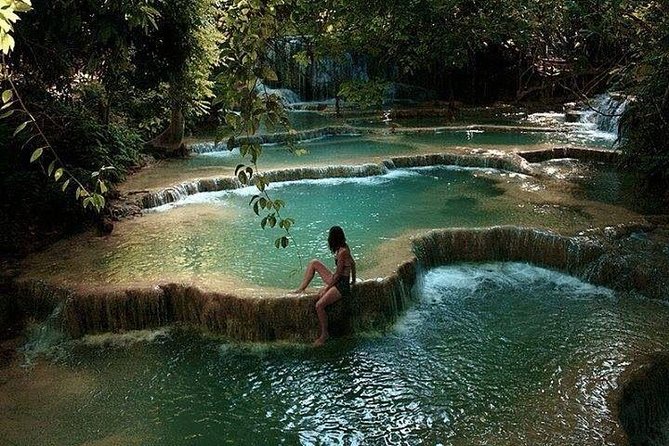
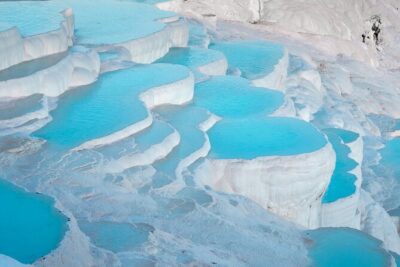
Then you step into the signature attraction: Pamukkale Thermal Pools, often called the Cotton Castle. The white terraces are formed by mineral-rich thermal water flowing over the cliffs. You’ll be able to walk the terraces and relax in the warm water areas provided for visitors. The mineral deposits are the point, so you’ll likely want to take your time and slow down your pace to enjoy the cascading steps of chalky-looking rock.
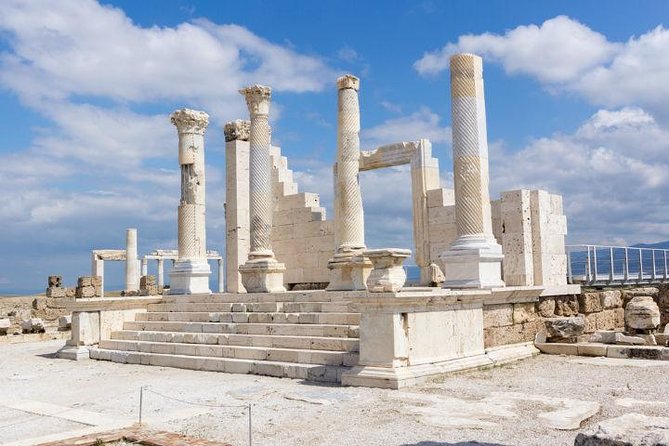
The stop continues with Hierapolis Ancient City, a Roman spa town site near Pamukkale. Here you’ll see major ruins connected to the spa culture, and you’ll also encounter the Roman Theater, the Temple of Apollo, and the Ancient Necropolis area. The necropolis is described as one of the largest burial sites in Anatolia, with thousands of tombs and sarcophagi, which adds a solemn tone after the playful terrace scenery.
Finally, you visit the Cleopatra Pool, an ancient thermal pool with a legend attached to Cleopatra, Mark Antony, and Roman-era spa mythology. What you do there is straightforward: soak and float while you’re surrounded by ruins and submerged columns. It’s a rare mix of relaxation and history in the same physical space.
Tip: since you’re walking on mineral terraces, your feet will notice it. Take it slow and wear footwear you can stand in comfortably if you don’t want to go barefoot the whole time.
Price and Value: What $2,315.20 Buys in Flights, Hotels, Guides, and Tickets
This tour price can look high until you break down what’s actually included.
You get:
- 6 nights of hotel
- Round trip flights with taxes
- 3 domestic flight tickets with specified baggage allowance (15kg plus an 8kg handbag)
- All airport transfers
- Guided sightseeing with transport across the route
- Breakfast (5) and lunch (5)
- Entrance fees for listed stops across the itinerary
You also get a maximum group size of 15, which usually makes questions and timing easier than on giant coach tours.
What’s not included is important too. Dinners and drinks are not included, so you’ll still budget evenings. And the hot air balloon ride is optional and paid in Cappadocia if you want it.
So the value calculation comes down to your style. If you hate managing logistics, hunting tickets, and stitching together day-by-day plans, this package can feel like peace of mind. If you prefer total independence, you may end up paying extra for guidance and pre-set stops.
Who This Tour Fits Best (And Who Might Feel Rushed)
This tour suits you best if you want a fast, high-impact route through Istanbul, Cappadocia, Ephesus, and Pamukkale with guided context and fewer headaches. It’s also a good fit if you like history and like learning stories as you walk from site to site.
You might not love it if:
- You want long empty hours with no fixed timing.
- You plan to eat out every night and prefer drinks to be included.
- You want unlimited free time in shopping-heavy spaces like the Grand Bazaar.
Still, the small group size and the way the itinerary clusters major sites can make the pace feel purposeful rather than chaotic.
Should You Book This Istanbul, Cappadocia, Ephesus, and Pamukkale Week?
I’d book if you want a structured route that hits the iconic Turkey highlights without making you juggle tickets, flights, and transport on your own. The combination of Sultanahmet monuments, Cappadocia’s geology and cave history, Ephesus scale, and Pamukkale’s thermal terraces is a strong mix, especially when entrance fees and most logistics are handled.
I’d think twice if you hate busy days or you want to control every minute. Also consider that the balloon ride is an extra cost, and dinners are on your own budget.
If your goal is a memorable first trip to Turkey with guided clarity, this one is built for that.
FAQ
How long is this tour and how many nights are included?
The tour is approximately 7 days and includes 6 nights of hotel.
What is included in the tour price?
The package includes guided tours (5 day tours), lunch (5) and breakfast (5), transport, entrance fees, all airport transfers, round trip flights with taxes, 3 domestic flight tickets with baggage (15kg plus 8kg handbag), and the hotel. A mobile ticket is also offered.
Is the hot air balloon ride included?
No. The hot air balloon ride tour is not included in the price. If you are interested, payment is made in Cappadocia.
Are dinner and drinks included?
No. Dinners and drinks are not included.
What is the group size limit?
The tour has a maximum of 15 travelers.
Can I cancel and get a full refund?
Yes. You can cancel up to 24 hours in advance for a full refund. If it is canceled due to poor weather, you will be offered a different date or a full refund.
More 7-Day Experiences in Istanbul
More Tour Reviews in Istanbul
Not for you? Here's more nearby things to do in Istanbul we have reviewed


More 7-Day Experiences to consider.
 ★ 4.5Turkey Classics 7 Day Escorted Tour from IstanbulFrom $1,905165 reviews
 ★ 5.07 Days Best of Turkey Tour: Istanbul-Cappadocia-Ephesus-PamukkaleFrom $1,71391 reviews
 ★ 5.07 Days Turkey Tour Package – Highlights of TurkeyFrom $2,36573 reviews
 ★ 5.07 Day 6 Night Express Turkey TourFrom $1,80037 reviews
 ★ 4.5Istanbul, Cappadocia, Pamukkale and Ephesus 7 Day PackageFrom $97033 reviews
 ★ 4.57 Days Highlights of Turkey Tour: Istanbul, Cappadocia, Pamukkale, EphesusFrom $1,28417 reviews
 ★ 5.07 Days – Ephesus and Cappadocia Tours from IstanbulFrom $1,7059 reviews
 ★ 4.07-Day Turkey Tour from Istanbul: Cappadocia,P.kale, Ephesus, Troy, GallipoliFrom $1,5088 reviews
Other ways to explore Istanbul