
Review · CAPPADOCIA TRIPS FROM ISTANBUL
4 days Turkey highlight: Pamukkale Ephesus and Cappadocia
Three legends of Turkey in four days. I love the 15-person max group pace, and I love the included time for Pamukkale thermal pools and a proper swim. The trade-off is simple: it is a packed route, with a lot of driving and walking squeezed into a short window.
This is a strong choice if you want big-name sights without spending your vacation juggling tickets and transfers. One night is included in Kusadasi with breakfast by the sea, and you also get round-trip flights, airport transfers, and guided visits. If you want slow travel, you might find the rhythm a bit intense.
Key highlights worth centering your expectations on
- Small-group touring (max 15 people) keeps the day moving without feeling chaotic
- Pamukkale’s thermal pools plus Cleopatra’s pool give you a break from ruins
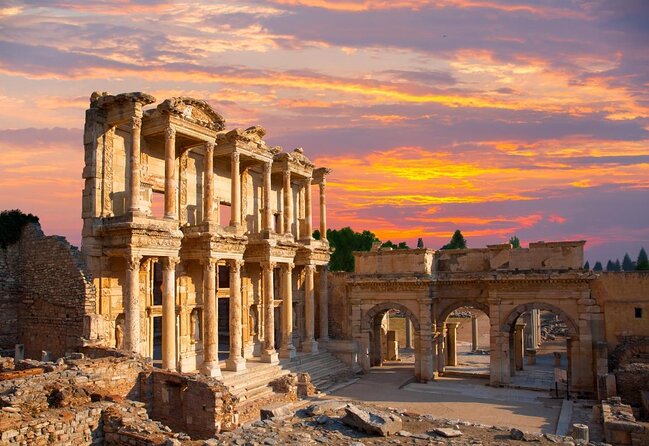
- Ephesus with Meryemana and Artemis Temple mixes Roman city scale with faith pilgrimage sites
- Cappadocia valleys and rock-cut churches deliver dramatic scenery and easy-to-medium hikes
- Derinkuyu Underground City adds a different kind of history, literally under your feet
- UNESCO Göreme Open-Air Museum gives you frescoed churches in one concentrated visit
How this 4-day route actually works (and why it feels efficient)
Turkey’s highlights can be spread out, and that is where most short trips run into trouble. This plan fixes that by bundling the Aegean and Cappadocia together with flights, transfers, and hotel coverage, so you can spend your energy on the sites instead of the logistics.
I like that the itinerary has a clear rhythm: one day anchored on Pamukkale and Hierapolis, one day on Ephesus and Seljuk-era religious architecture, then a two-day shift into Cappadocia valleys, caves, and underground spaces. The result is variety without a lot of backtracking.
More Istanbul tours and experiences for the shortlist
Price and value: what $1,500 buys you here
At $1,500 per person, this is not a budget weekend. But it is also not just a “guided sightseeing day.” You get a package that includes:
- Round-trip flights with all taxes
- All airport transfers
- A two-day small group tour with transportation, lunch, guide, and entrance fees
- One night hotel in Kusadasi with breakfast by the sea
- Breakfasts (3) and lunches (4)
- A mobile ticket and English-speaking guidance
- Pickup from hotels and apart hotels
That mix matters. Flights plus regional transfers can quietly inflate the total when you book everything separately. Here, the package tries to keep the core costs locked in, so you can plan your budget around optional add-ons like dinners.
Door-to-door pickup, mobile tickets, and the “less hassle” factor
One of the most practical parts of this experience is that pickup is handled for you. The operator states they pick up from hotels and apart hotels, and you get the mobile ticket for smoother entry at sites.
In plain terms: when you are jumping between regions, getting yourself to airports and meeting points eats time and adds stress. This tour reduces that risk with hotel pickup and airport transfers, so you can focus on what you actually came for.
Day 1 in Pamukkale: Cotton Castle thermal terraces and Hierapolis spa-town vibes
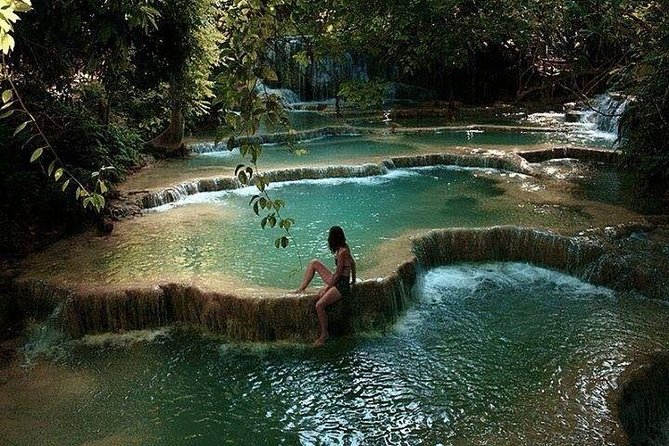
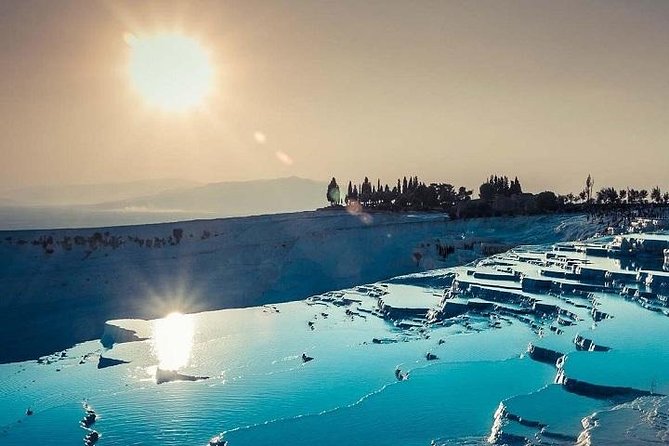
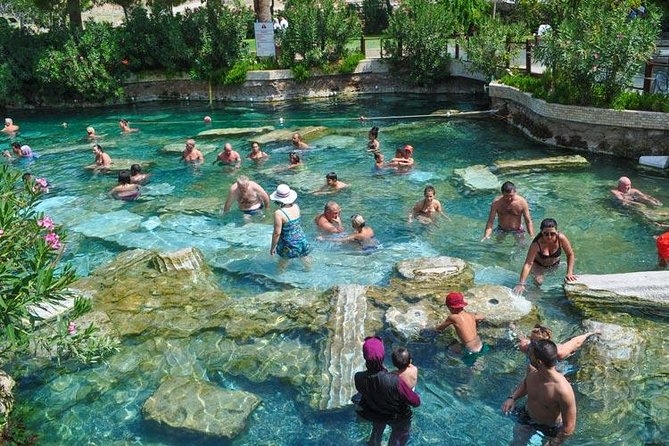
Pamukkale Thermal Pools are the headline for a reason. The area is often called the Cotton Castle, and that name fits what you see when mineral-rich water slowly builds up white terraces. The package includes admission and time there, and the best part is that you get a chance for a relaxing swim in the thermal area, including Cleopatra’s pool.
A quick practical note: thermal pools can be slippery and warm, so pack swimwear, bring towel(s), and wear shoes you can manage on changing surfaces. Even if you are not trying to stay in the water for long, the chance to cool down and soak for a moment makes the whole day feel less like a museum marathon.
Next up is Hierapolis & Pamukkale, where you connect the modern spa reputation with the ancient one. Hierapolis is described as a city with roots going back to as far as the 2nd century, and it’s presented as a place people visited to treat ailments, with layers of Pagan, Roman, Jewish, and Christian influence. That blend is what makes the ruins feel more layered than just “old stones.”
Hierapolis ruins you will actually enjoy: theatre, gymnasium, and Byzantine-era remains
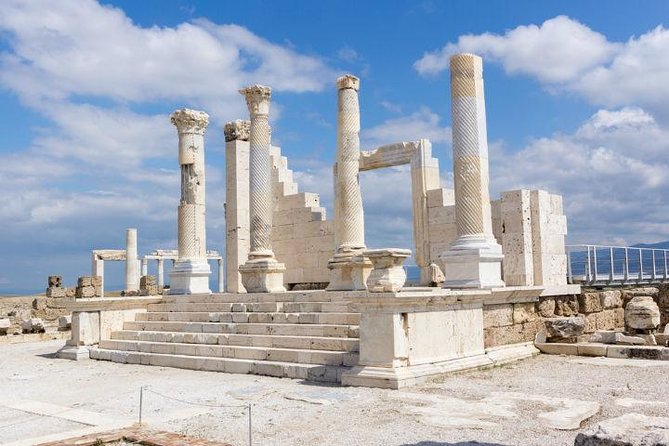
After the thermal portion, you move into Hierapolis proper, including several timed stops that help break up the day:
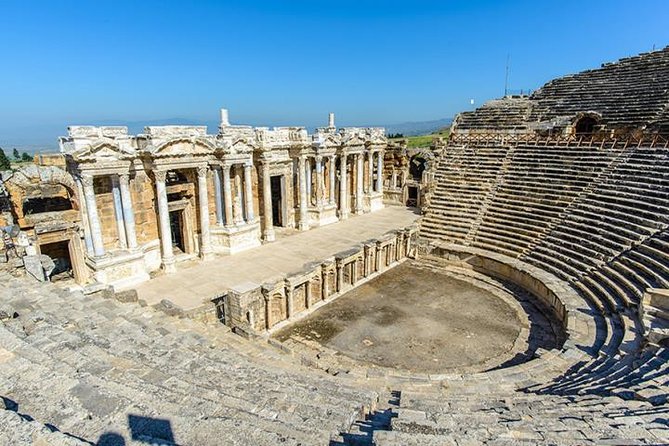
- The Pamukkale Theater, where the grand scale comes through even if only portions remain. The description notes it could house up to 15,000 people, and what you see today includes steep passageways and aisles leading down toward the main stage.
- The Byzantine Church stop, plus nearby Roman-era structures. The provided details also mention a gymnasium as a social and athletic gathering place in Roman times.
This mix is valuable because it shifts you from the “wow water” feeling of Pamukkale to the “wow engineering” feeling of a large Roman theatre and the social world around it. If you like understanding how people lived, this is a satisfying pivot.
Day 2 in Ephesus: the ancient city scale, then spiritual stops with big views
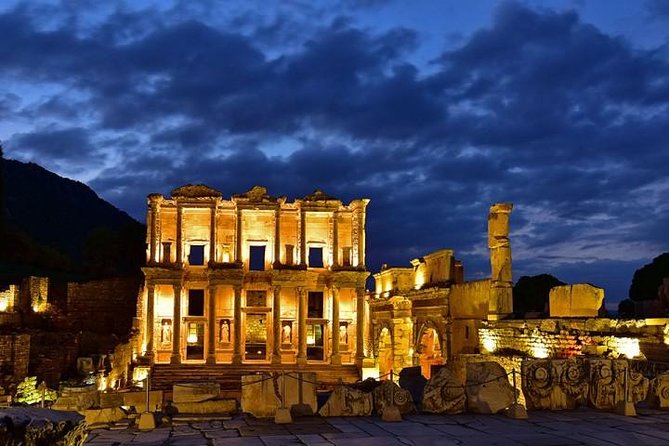
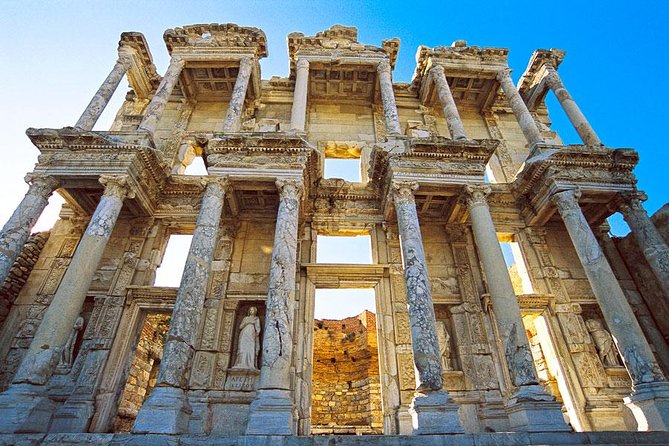
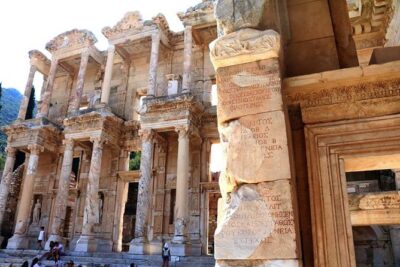
Ancient City of Ephesus is the kind of site that makes you slow down, even when the schedule is tight. The tour frames it as the second largest ancient city in the ancient world, once home to more than 200,000 people, and it calls out how well preserved the ruins are.
You get about 3 hours, which is a sweet spot. It is long enough to see the main bones of the place with a guide’s context, but it is not so long that you lose the story. I also like that Ephesus is paired with other stops that change the mood of the day.
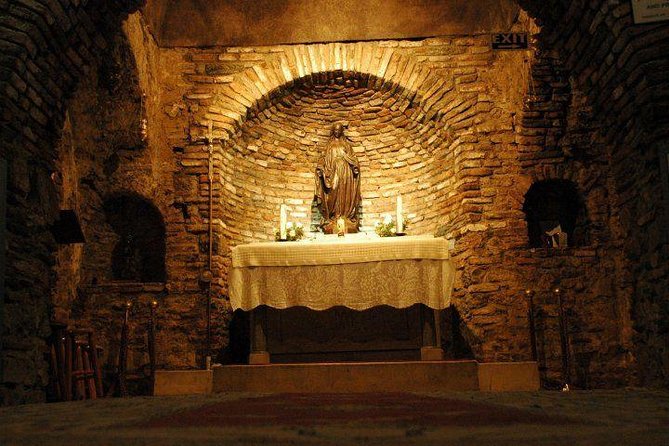
Meryemana (Virgin Mary’s House): pilgrimage site with an eye-level view of Selcuk
At Meryemana, the tour focuses on the idea of Mary’s last years and the site’s role as a pilgrimage destination. It is located on top of BulBul Mountain, overlooking Selcuk.
This stop is worth it even if you do not approach it from a religious angle. High viewpoints tend to refresh your brain after long ruins time, and the guide’s framing helps you see why people make the journey.
Artemis Temple and Isa Bey Mosque: ancient foundations and Seljuk craftsmanship
The Temple of Artemis is presented as dating back as far as the 6th century B.C. and as one of the Seven Wonders. What remains today are foundations and some columns, which can sound underwhelming until you imagine the full structure.
The tour then moves to the Isa Bey Mosque, dated to 1374 and 1375, and highlights the Seljuk architectural style, including crown-like doors and mosaics. This is a smart pairing. You get a large-scale ancient legend, then you shift to a smaller, intimate building style that makes you appreciate how different eras expressed power through religion and design.
Day 3 in Cappadocia: Uchisar viewpoints, Red Valley hiking, and rock churches
Cappadocia is where the trip turns visual in a big way. The day is built around multiple valley and cliffside stops, and you get a mix of short visits and one longer walk.
Uchisar Castle: carved rock, tunnels, and commanding panoramas
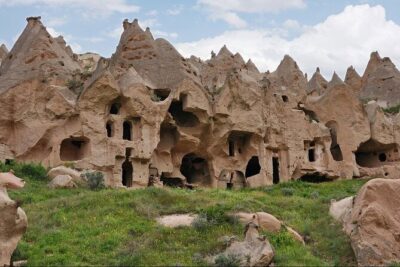
Uchisar Castle is a natural rock formation carved over time, described as perched on the highest point in the region. The tour notes tunnels, rooms, and ancient dwellings, and the key payoff is the panoramic views across valleys and fairy chimneys. Expect this to feel like your “orientation point” for Cappadocia.
Kızılçukur Valley (Red Valley): the hike portion you can feel
The Red Valley stop is timed at about 2 hours of walking. The description calls it one of the most beautiful hiking spots, with red and pink rock formations that look especially great during sunset. It also mentions peaceful trails, rock-carved churches, and vineyards.
This is the kind of hike that works well with a group because you are not stuck on your own. Still, it’s outdoors, so wear grippy shoes and bring water.
Çavuşin: rock-carved houses and the Church of St. John the Baptist
At Çavuşin, the tour spotlights the village’s ancient rock-carved houses and churches. The major anchor is the Church of St. John the Baptist, described as dating back to the 5th century and known for frescoes.
Even if frescoes are not your main focus, this area helps you understand Cappadocia as a living region shaped by geology, not just a backdrop for photos.
Love Valley and Pigeon Valley: fairy chimneys plus a calmer trail feel
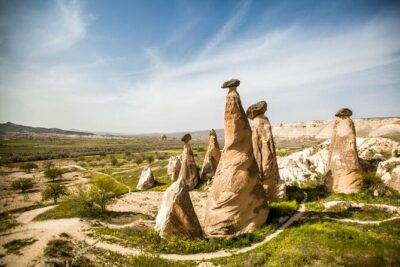
Love Valley is described as famous for fairy chimneys shaped by erosion, creating a surreal, romantic atmosphere. The stop is short, but it is positioned for quick photo time and a change of pace.
Later, Pigeon Valley adds a softer, scenic hiking route. It is named for pigeon houses carved into soft volcanic rock, with droppings historically used as fertilizer. The description also notes that it connects Göreme to Uçhisar, so it feels like part of a larger network of routes rather than a single isolated stop.
Derinkuyu Underground City: the history move that resets your imagination
Derinkuyu Underground City is included with admission, and the details make it fascinating. It is described as one of the largest and deepest underground cities in Cappadocia, with construction dates placed around the 8th to 7th centuries BCE. It could house up to 20,000 people, along with livestock and supplies.
The tour framing includes multiple levels: living quarters, kitchens, chapels, storage areas, and a ventilation system. If you have only seen Cappadocia from above, this is the counterweight that makes the region feel even more unusual. You go from sweeping valleys to the practical, defensive logic of people who planned for trouble and survived underground.
Day 4 in Cappadocia: Göreme views, UNESCO frescoes, pottery, and fairy chimneys
Day 4 is packed with the big Cappadocia names and two types of experiences: viewpoint and museum-type history, plus scenic valleys and a craftsmanship stop.
Göreme Panorama: a viewpoint that works even when you are not chasing sunrise
Göreme Panorama is your sweeping-view stop. The tour notes it is near Göreme National Park, with fairy chimneys, rock formations, and valleys stretching out, and it mentions the idea that early morning light and sunset light make it magical. Even if you cannot be there at the perfect hour, the panoramic format helps you keep the big picture in your head.
Göreme Open-Air Museum: Dark, Apple, and Snake Churches
The Göreme Open-Air Museum is described as UNESCO World Heritage and as a complex of rock-cut churches, chapels, monasteries, and living quarters. The tour highlights frescoes dating to the 10th to 12th centuries, with churches such as:
- Dark Church
- Apple Church
- Snake Church
This is one of the most valuable stops on the whole tour because it compresses centuries of religious art into a single guided visit. Plan to spend energy on details like fresco themes and layout, not just photos. That is where the stop clicks.
Avanos pottery: a stop with hands-on potential
Avanos is along the Kızılırmak River, and the tour focuses on the ceramics tradition tied to the Hittite period. The red clay used in pottery comes from the river, giving local ceramics their distinctive character. The tour also notes that you can visit workshops and that many studios offer hands-on experiences.
Even a short pottery visit can be a nice break from caves and outdoor walking. It also gives you a tangible souvenir idea that is tied to place.
Devrent Valley and Pasabag: imagination rocks and Monk’s Valley fairy chimneys
Devrent Valley, also called Imagination Valley, is presented as a place where wind and water erosion created rock shapes that resemble animals and objects. The tour encourages spotting forms like a camel, dolphin, or even a human face among the rocks.
Then Paşabağları (Monk’s Valley) returns you to the fairy chimneys story, this time with a focus on mushroom-like formations. The details also say monks used some of these formations, particularly during the Byzantine period, for solitude and worship, and some chimneys still contain rock-cut chapels and dwellings.
Three Beauties: Urgup views with wine country notes
The day ends with The Three Beauties, a viewpoint over Ürgüp town. The tour notes wine factories and vineyards, plus apricot gardens, making it a shot-friendly wrap-up.
It is a good ending because it combines scenery and a sense of how today’s local economy relates to the land.
What you should bring and how to stay comfortable
This kind of itinerary is intense but manageable if you pack smart. Based on the stops, I would plan for:
- Comfortable walking shoes for ruins and valley paths
- Swimwear and towel for Pamukkale thermal pools
- Sunglasses and sunscreen for exposed viewpoints
- A light layer for evenings, since temperatures can shift quickly
- A small day bag for water and essentials
Also, note that the experience requires good weather. Outdoor viewpoints and valley walks can be affected if conditions turn.
Who this tour is best for, and who might want a different pace
This fits you if you:
- Want a fast but structured hit of Pamukkale, Ephesus, and Cappadocia
- Like guided context, especially for sites like Ephesus and the Göreme churches
- Prefer a small group with pickup and organized transitions
Consider a different option if you:
- Want downtime for long afternoons, rather than a full schedule each day
- Struggle with walking and stairs, since you will spend time in ruins and underground spaces
Should you book this 4-day Turkey highlights tour?
I would book it if your priority is seeing Turkey’s three headline regions in a short timeframe with the heavy lifting done for you. The value comes from the combination of flights, transfers, a hotel night in Kusadasi, meals, and entrance fees, plus an English-speaking guide.
The main reason not to book is pacing. If you dislike packed days, this route will feel like too much. If you can handle a busy schedule, this is a solid, efficient way to experience Pamukkale’s thermal calm, Ephesus’s ancient scale, and Cappadocia’s weird-and-wonderful geology.
FAQ
What does the $1,500 price include?
The price includes round-trip flight tickets with all taxes, all airport transfers, a two-day small group tour with guide, transportation, lunch, and entrance fees, plus one night hotel in Kusadasi with breakfast by the sea. Breakfasts (3) and lunches (4) are included, and dinner is not.
Is hotel pickup included?
Yes. Pickup is offered from hotels and apart hotels.
How many people are in the group?
The tour has a maximum of 15 travelers.
Are flights and transfers part of the experience?
Yes. Round-trip flights with all taxes and airport transfers are included.
What meals are included, and is dinner covered?
Breakfast is included three times and lunch is included four times. Dinner is not included.
What is the cancellation policy, and what happens if weather is bad?
You can cancel up to 6 days in advance for a full refund. If you cancel 2 to 6 days before, you get a 50% refund, and if you cancel less than 2 days before, there is no refund. The experience requires good weather, and if it is canceled due to poor weather, you will be offered a different date or a full refund.
More 4-Day Experiences in Istanbul
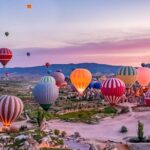
More Tour Reviews in Istanbul
Not for you? Here's more nearby things to do in Istanbul we have reviewed



More Cappadocia Trips from Istanbul to consider.
 ★ 5.02 Day All Inclusive Cappadocia Tour from Istanbul with Optional Balloon FlightFrom $725429 reviews
 ★ 4.9From Istanbul: 2-Day All-Inclusive Cappadocia Guided TripFrom $709380 reviews
 ★ 4.72-Day Cappadocia Trip with Flights and Cave HotelFrom $328318 reviews
 ★ 5.02 Days Cappadocia from Istanbul with Cave Hotel+Optional BalloonFrom $330260 reviews
 ★ 4.5Cappadocia Dream: 2-Days Tour from Istanbul & Balloon Ride OptionFrom $590236 reviews
 ★ 4.6From Istanbul: Day Trip to Cappadocia with Flight & LunchFrom $188182 reviews
 ★ 5.04 Days Turkey Tour – Cappadocia, Ephesus and Pamukkale TourFrom $1,571138 reviews
 ★ 5.02 Days Cappadocia Tour From IstanbulFrom $725132 reviews
Other ways to explore Istanbul