Review · ISTANBUL
Ancient Rome Under Istanbul
Step below Istanbul, and Rome appears. This tour stitches together Byzantine sites tucked under modern streets, plus classic surface stops around Sultanahmet, so the city’s layers make sense fast. You’ll walk with a guide who explains what you’re seeing, including Constantine’s Palace area and remains of Byzantine chapels.
I like that the stops are short and purposeful, and the route is built around the idea that so much of old Istanbul sits underground. I also like that it’s small-group focused, with a max of 15 people, and the price is low enough to feel like a smart add-on. The main drawback to consider is timing expectations, since the listing says 3 to 5 hours but at least some departures run closer to the shorter end.
Key Highlights That Make This Tour Worth Your Time
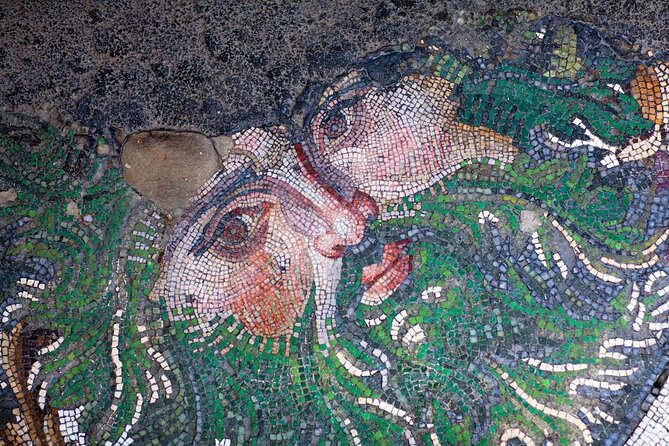
- Underground-first storytelling: you’ll see Roman and Byzantine remains under modern buildings, then connect them to what’s above ground.
- Constantine’s Palace visit: a major anchor point for understanding why the city looked the way it did.
- Hidden cistern experience: these water structures make the Byzantine city feel real, not just theoretical.
- Kucuk Ayasofya comparison to Hagia Sophia: you get the “how it influenced design” angle, not just the name.
- Sultanahmet Hippodrome square walk: quick orientation to the chariot-racing heart of Byzantine Istanbul.
- Max 15 travelers: smaller groups tend to mean more questions and less waiting.
Why Istanbul Keeps Rome and Byzantium Underground
Istanbul can feel like a magic trick. You’re standing in the modern city, then your guide starts pointing at the traces of older worlds right where you thought only streets and shops existed.
That’s the core value of this experience: you don’t just read about the Byzantine era, you see why so many remains are below street level. Roman and Byzantine structures were built, modified, repaired, and eventually covered as the city expanded. Later generations built on top. So when you go underground, you’re not entering a random tunnel, you’re stepping into the “missing” layers that explain the whole skyline.
This matters because it changes how you look at everything else in Sultanahmet. After this, Hagia Sophia, the mosques, and the surrounding neighborhoods stop feeling like separate stops on a list. They start feeling like one connected city, stacked by time.
You can also read our reviews of more tours and experiences in Istanbul.



Starting in Sultanahmet’s Neighborhoods, Then Walking the Story
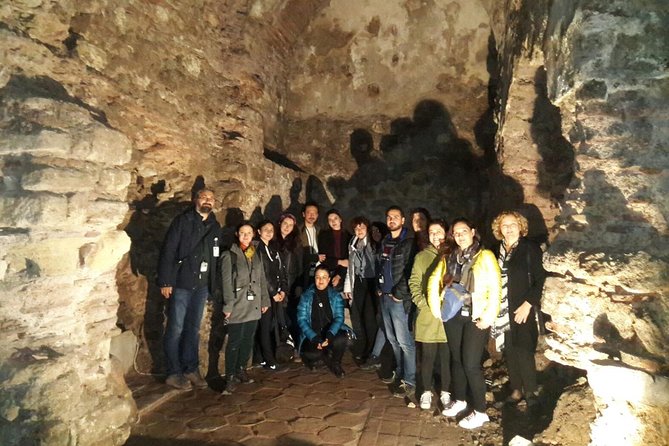
The tour starts at 10:00 am at Binbirdirek, Divan Yolu Cd. No:15, 34122 Fatih/İstanbul. It ends back at the meeting point. It’s designed as a focused half-day, usually around the 3 hour mark, with additional time for the other stops.
This is the kind of schedule where your feet do real work. Plan on walking, and bring comfortable shoes. Also, keep your expectations flexible. The tour duration is listed as 3 to 5 hours, and one negative review complained the day felt closer to 3 hours than the longer end. So if you’re planning a tight dinner reservation, give yourself a buffer.
On the plus side, the small group size (max 15) helps. You’re less likely to spend time waiting around, and it’s easier for a guide to keep the explanations moving at a human pace.
Kucuk Ayasofya to Gazi Suleyman Pasa Mosque, A “Model” You Can Still See
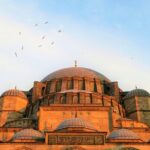
One of the best parts of this route is the stop at Kucuk Ayasofya – Gazi Suleyman Pasa Mosque. This site works as a bridge between eras. It was once a church, then converted into a mosque, and it’s described as a model that helped shape the architects who later built Hagia Sophia.
What you’ll likely enjoy here is how the story lands in your eyes. Instead of just hearing that two buildings are related, your guide can point out architectural ideas you can actually observe. That kind of comparison pays off later when you’re out in Sultanahmet and you start recognizing repeating design logic across buildings.
Time is tight at this stop (about 20 minutes), so treat it like a concentrated lesson, not a slow museum visit. If you love architecture, this short stop gives you a strong takeaway without eating your whole day.
The Hippodrome at Sultanahmet Square, Chariots to Current-Day Footsteps
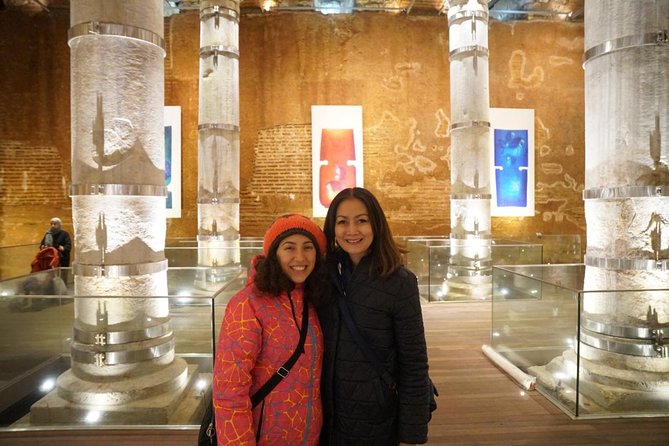
Next up is the Hippodrome, now part of Sultanahmet Square. On paper, it can sound like a quick photo stop. In practice, it’s a useful one, because it anchors your mental map.
This is where Byzantine chariot races and big public celebrations used to happen. Today, it’s a busy public square, surrounded by the sights you already want to see. The contrast is the point. Your guide can help you imagine the space when it was packed with noise, motion, and spectacle, then you look around and recognize how the open area still shapes the way the neighborhood functions.
This stop is short (around 15 minutes), so don’t expect a deep dig into every monument there. Think of it as orientation plus atmosphere, the kind of context that makes the next underground moments click.
Constantine’s Palace: A Big Name That Helps You Understand the City’s Logic
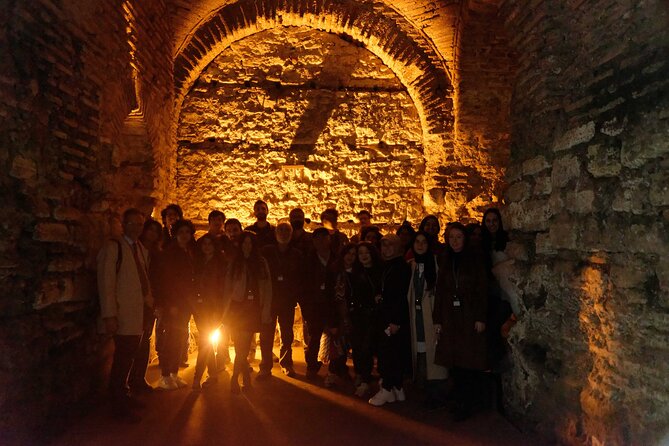
A key highlight is Constantine’s Palace. Even if you’ve seen photos of Istanbul’s grand periods before, putting a name like this into the underground context makes a difference.
Why? Because Constantine is not just a name from a textbook. In this setting, the palace area helps you understand how power, religion, and urban planning worked together. Your guide connects that to what lies beneath the streets around Sultanahmet, so you start seeing the city as engineered and intentional, not just “old.”
From a value standpoint, this stop is doing heavy lifting. It’s one of the places that turns the tour from a list of ruins into a guided argument about why the Byzantine capital mattered so much.





Going Underground to See Byzantine Chapels and Hidden Cisterns
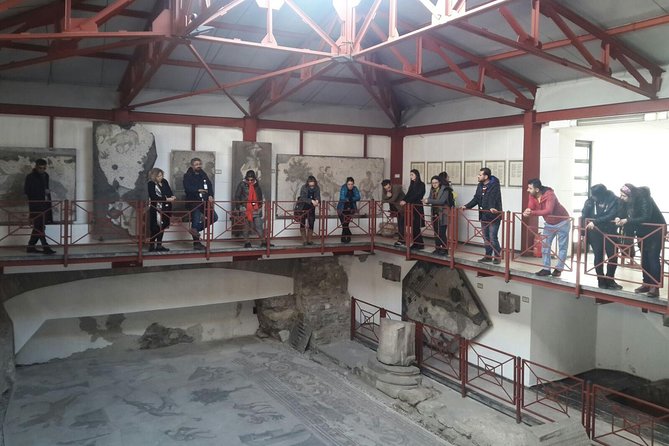
The underground segment is the heart of the experience. You’ll explore Roman and Byzantine remains under modern Istanbul, and the tour specifically calls out ancient cisterns and remains of Byzantine chapels.
Cisterns are especially interesting because they show the practical side of ancient life. Water storage is not glamorous, but it’s essential. Seeing the cistern spaces gives you a tangible sense of how the city functioned day to day. Your guide’s job here is to connect the physical structure to the human need it served.
As for the Byzantine chapels, the real payoff is imagining what kind of worship took place there and why certain locations mattered. In Istanbul, religion shaped architecture. Once you understand that, the underground traces stop being “cool rocks.” They become clues.
This is also where the guide quality can make or break your experience. The best feedback in the reviews emphasizes guides who explain clearly and help you picture the past. Names like Ece and Ege come up with strong praise for passion and for making the city feel alive, not like a lecture.
Short Stops, Big Explanations, and the Risk of Getting Sales-Prompted
Most people looking for an underground-history tour want two things: access and clarity. This experience seems built for that, with a professional guide included and free-entry stops listed along the route.
But here’s the balanced part. There’s at least one sharply negative comment about the tour feeling like it included sales-oriented detours, like a rug shop or a demonstration stop, and another mention of starting with tea on a restaurant terrace. Your itinerary details in this summary focus on the underground sites plus Kucuk Ayasofya and the Hippodrome, so those shop or tea moments might be brief side stops rather than a guaranteed piece of the day.
So my advice is simple: if you dislike shopping stops, ask your guide at the start what the day includes beyond the main sites. If you’re fine with short detours that support local craft businesses, you’ll probably find them a small price to pay for the underground access and storytelling.
Price and Value at Around $45 for a Small-Group Tour
At $45, this tour is priced like a practical, low-cost history hit. You’re paying for a guide, local taxes and fees, and the structure of the route that gets you into the underground spaces and keeps you oriented around Sultanahmet.
Admission is marked as free for the stops listed, including the Constantine’s Palace area segment in the general overview and the surface visits. That means the value isn’t hidden behind extra ticket costs.
Is $45 always worth it? If you love context, yes. You’re not just looking at stones, you’re learning why they sit where they do. If you’re expecting a long, slow, museum-style visit with heavy time at each major monument, you might find the stops feel fast. The length can also run closer to the shorter end for some departures, so plan your day accordingly.
Practical Tips So This Doesn’t Feel Rushed
Here are the details that matter for a smooth experience:
- Bring comfy shoes. You’ll walk between sites and spend time on underground routes.
- Show up at the meeting point. It’s in the older part of the city, Binbirdirek, near Divan Yolu Cd. If you’re staying far away, do not assume hotel pickup is built in.
- Mobile ticket. The tour uses a mobile ticket, so keep your phone charged and ready.
- You might need your own food plan. Food and drinks, and lunch, are not included, so eat beforehand or plan for later.
- Language can vary by guide. Many reviews praise guides by name, including Ece and Ege. One negative review complained about English ability, so if language is critical to you, consider checking guidance on the day of your tour or look for a guide you’ve seen praised in your booking details.
If you want the best experience, treat this as a “connector tour.” You’ll get more out of it if you keep your mind open to the idea that Istanbul is a stack of cities, and your job is to spot the seams.
Who Should Book This Tour, and Who Should Rethink It
This works best if you:
- Want under-street access to Roman and Byzantine spaces, not just surface monuments
- Enjoy short site stops paired with explanation
- Are in Sultanahmet for multiple days and want a guided way to connect everything
I’d rethink it if you:
- Need a long, 5-hour day with plenty of free time at each stop
- Hate any chance of shopping-style detours, especially if you only want archaeology and architecture
- Want pickup from your hotel as part of the package. The meeting point is fixed, and hotel pickup, if offered, is not described as included
Should You Book Ancient Rome Under Istanbul?
If your main goal is to understand Istanbul’s Byzantine layer by going where the city keeps its oldest spaces, I think this tour is a smart buy at around $45. The underground focus plus the quick surface anchors at Kucuk Ayasofya and the Hippodrome makes it easier to remember what you saw and why it matters.
I’d book it if you can be flexible on pacing and you’re comfortable with walking. Skip it or ask more questions before committing if you want a slow, monument-heavy day, or if shopping detours would make you cranky.
If you’re the type who likes your history hands-on, this is one of those experiences that turns the city into a story you can stand inside.
FAQ
How long is the Ancient Rome Under Istanbul tour?
It’s listed as approximately 3 to 5 hours.
What is the price for the tour?
The price is $45.
Where does the tour start, and when?
It starts at Binbirdirek, Divan Yolu Cd. No:15, 34122 Fatih/İstanbul, and it begins at 10:00 am.
What stops are included in the route?
The tour summary includes Roman and Byzantine ruins under modern Istanbul, Kucuk Ayasofya – Gazi Suleyman Pasa Mosque, and the Hippodrome (Sultanahmet Square).
Are admission tickets included?
The itinerary lists admission ticket free for the stops shown.
What’s included in the price?
You get a professional guide, and all taxes, fees, and handling charges are included.
Is food or lunch included?
No. Food and drinks, including lunch, are not included.
How large is the group?
The tour has a maximum of 15 travelers.
Is the tour suitable for people who need accessible options or service animals?
Service animals are allowed, and the tour notes that most travelers can participate.
What is the cancellation policy?
Free cancellation is available up to 24 hours in advance for a full refund.
I’m arriving on a cruise. What information do I need to provide?
Cruise ship passengers must provide ship name, docking time, disembarkation time, and re-boarding time at booking.