
Review · ISTANBUL FENER & BALAT TOURS
Fener and Balat – Old Greek & Jewish Quarter
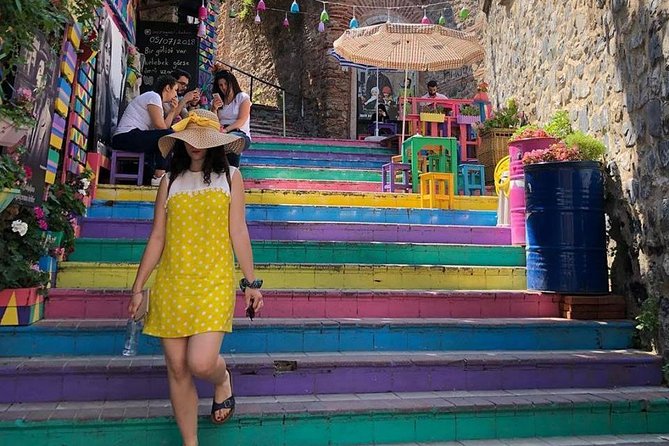
Colorful steps and calm, real neighborhoods. This small-group tour takes you out of the usual sights and into Fener and Balat, where Greek, Jewish, and Ottoman-era life still shows up in everyday streetscapes. I especially like the small-group feel (max 10) and the way your guide turns simple walking into a clear lesson on how Istanbul changed from Byzantine to Ottoman times. The main drawback is the terrain, steep hills and narrow streets mean you should plan on solid walking.
You start mid-afternoon, and the pacing is designed for an afternoon stroll, not a sit-and-stare museum day. You’ll do a mix of neighborhood wandering and waterfront time along the Golden Horn, with a stop at Pierre Loti café for a classic view-and-tea moment. If you expect an easygoing route with long photo pauses, you might feel a bit rushed.
Quick hits: what makes this afternoon route special
- Fener Rum Patrikhanesi first, setting the tone with Istanbul’s Greek heritage
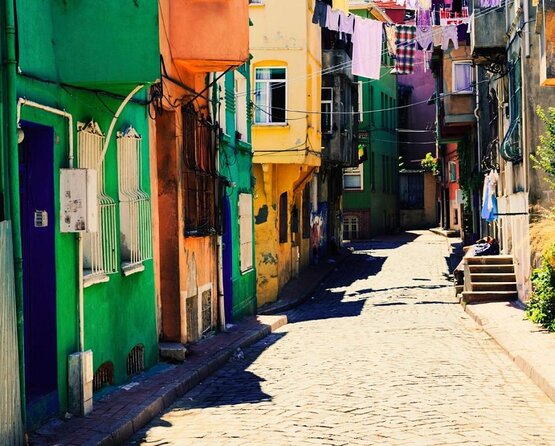
- Balat’s colorful streets and old residential texture, the part many first-time plans skip
- Golden Horn time and a fall-of-Constantinople story, told as you walk by the water
- A stop at a Bulgarian Orthodox Church, adding another layer to the neighborhood mix
- Pierre Loti café tea break, often the most soothing moment of the tour
- Practical public transport help, so you can keep moving around the city after the tour
Why Fener and Balat feel like a different Istanbul
Fener and Balat are Istanbul’s “wait, this is still a working neighborhood” districts. Instead of loading you onto big sightseeing loops, this tour is built around the streets between major monuments, where you see homes, stairways, storefronts, and daily rhythms. That is the whole point, you end up with context, not just photos.
I like how the tour frames the area as a long story of overlapping communities. You’re not only looking at buildings, you’re learning why Jews, Christians, and Muslims lived side by side for centuries, and how that kind of coexistence shaped the neighborhoods. The guide also links what you’re seeing to bigger historical turns, including an explanation tied to the fall of Constantinople.
One more thing I really appreciate is that you’re not just walking to one viewpoint. You get several “micro stops” that keep the afternoon from feeling like a single long grind. The trade-off is that the streets can be steep and tight, so pack for comfort rather than fashion show walking shoes.
You can also read our reviews of more tours and experiences in Istanbul.


What you’ll actually do in 3 hours at 2:00 pm
This is an afternoon, about 3 hours, starting at 2:00 pm. The tour ends back at the same meeting point, so you do not have to figure out a new drop-off location on the fly. Most people can participate, but you should still go in knowing the day is mostly walking.
The best way to think about the schedule is as a connected loop through western historic areas of Istanbul. You begin around Fener, then move toward Balat and the Golden Horn area, finishing with the Pierre Loti café viewpoint vibe. Along the way, you stop at religious and cultural landmarks, plus points where the architecture and street layout show their age.
If you love city history but also love street life, this tour nails the balance. If your main goal is slow, detailed photography time, you may want to pair it with another half-day later. One of the most consistent themes is that it stays active, so you keep momentum.
Stop by stop: what each place adds to the story
1) Fener Rum Patrikhanesi to set the Greek heritage tone
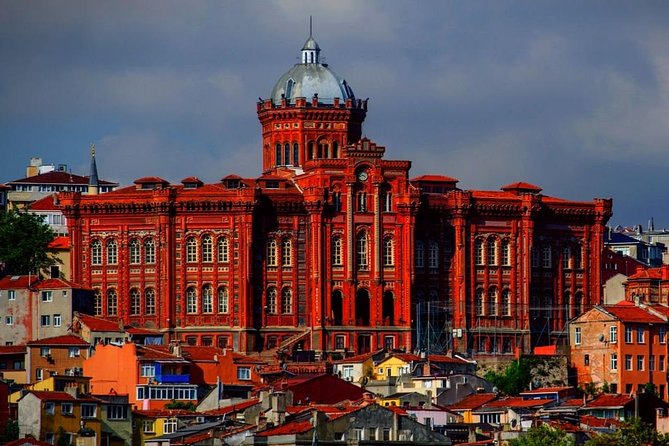
You start at Fener Rum Patrikhanesi, which immediately anchors the tour in the Greek side of Istanbul’s identity. This first stop matters because it shapes how you read everything after it. Instead of treating Fener and Balat as pretty streets only, the tour begins by giving you a starting point for the neighborhood mix you’ll see later.
In practical terms, starting here also gets you away from the densest old-city crowds and into a more local rhythm early in the afternoon. The tour is designed to feel like you’re moving through residential space, not just hopping between tourist photo backdrops.
2) Balat for Ottoman-era houses and street-level life
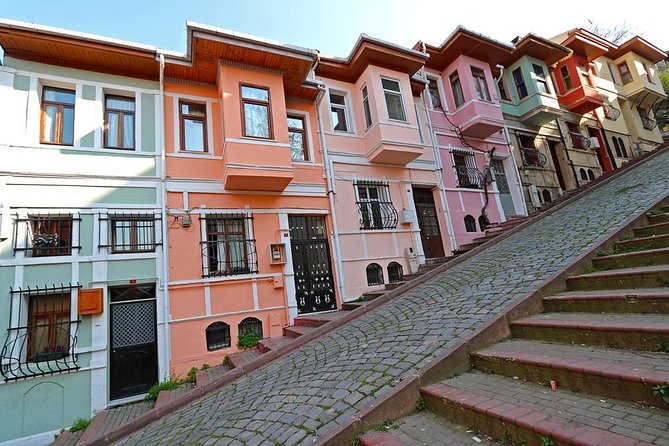
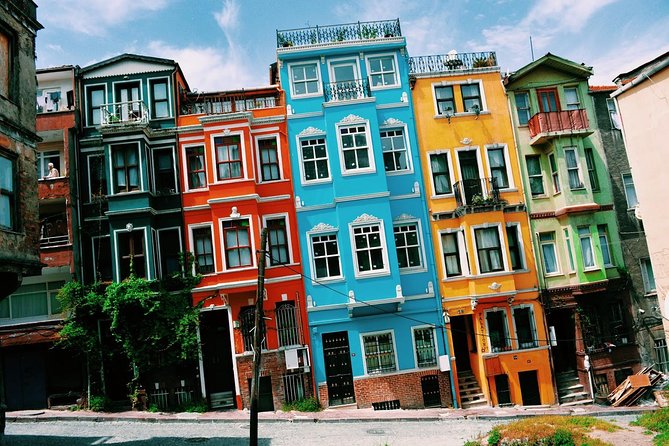
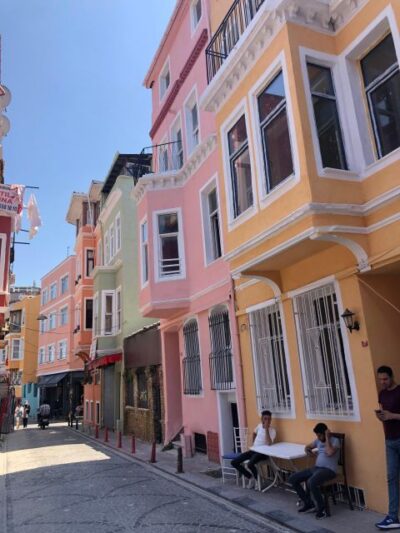
Next comes Balat, and this is where the tour earns its reputation for color and charm. Balat is known in this neighborhood-focused style for its colorful streets and older houses, and the experience leans into that by walking through the residential texture rather than circling only the most famous corners.
This is also where you get the “why it looks like this” explanation. The guide talks about the 19th and 20th century houses and how architectural changes show up in the streetscape. That makes Balat feel less like a postcard and more like a living timeline.





3) Halic and the Golden Horn waterfront moment
Stop 3 is Halic, and you’re not just getting a view. The tour includes time along the Golden Horn, plus a history lesson tied to the fall of Constantinople. This is one of those moments where history makes physical sense, because you’re literally standing by the water that shaped so much of Istanbul’s power and movement.
The waterfront element is also a nice reset. After stair-heavy neighborhood walking, the Golden Horn stretch gives you space for photos and a breather, even while the guide keeps the story moving.
4) Bulgarian Orthodox Church for more faith and community context
You then visit the Bulgarian Orthodox Church stop. This adds another piece to the puzzle of who lived where, and how religious institutions and community identities helped shape neighborhood life. It is not random sightseeing, the tour keeps coming back to coexistence and the layered character of the district.
If you like architectural variety and want to understand how Orthodox communities fit into the wider mix of the area, this stop is one of the more meaningful ones. It also tends to be a good spot for questions, especially if you want clarity on what you’re seeing in the street areas around it.
5) Pierre Loti café for tea and the view that slows you down
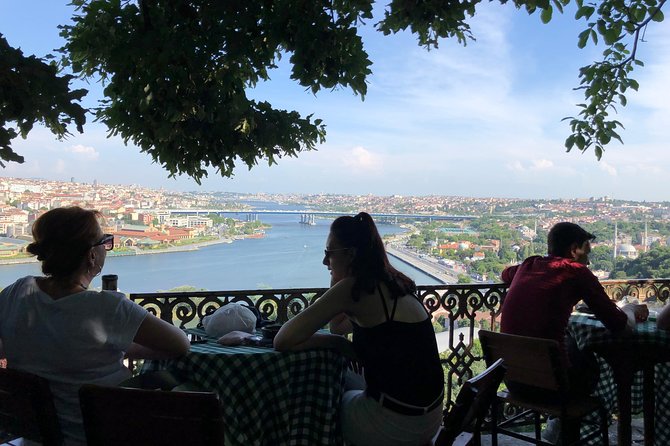
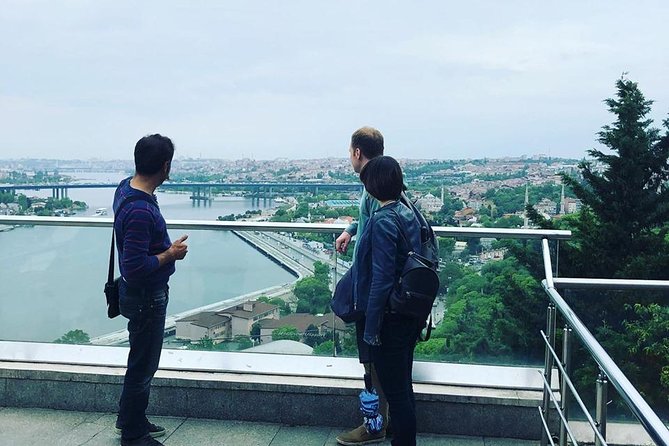
You end with a visit to Pierre Loti café, usually the most calming moment of the tour. This is where the afternoon’s energy turns into a view-and-sip pause. Many groups enjoy a cup of tea here, with the kind of outlook that makes the hills and walk feel worth it.
If you want a practical tip for your own day, this is the moment to slow down and actually look around. You see how the neighborhoods step up the hills and how the water frames the city. It also gives you a clean “mental map” for whatever you plan next.
How the guide makes history feel like a street-level thing
The guides behind this tour are often praised for being able to explain the area in a way that connects directly to what you can see. Names that come up again and again include Salih, Omar, Sahli, Önder, Burak, and Barak. Whatever the guide, the goal stays consistent, you do not just memorize dates, you learn what those dates meant for real communities.
The tour leans heavily into the idea that Istanbul’s identity is built in layers: Byzantine to Ottoman, old city walls to modern neighborhoods, and faith communities that lived close enough to influence daily life. The guide’s explanations also help you notice details you might miss on your own, like how residential architecture reflects different eras.
One thing to keep in mind: the tour can move with a steady pace because it packs a lot into 3 hours. If you want to talk, ask questions early. Even on a busy afternoon, a good guide will respond in a way that makes the neighborhood make more sense.
Golden Horn and transport tips: how you can keep exploring after
A big plus of this experience is the support with getting around. The tour highlights that you’ll receive public transport tips from your guide, and you’ll be close to public transportation near the meeting point. In practice, this makes your day smoother, especially if you’re arriving in Istanbul with limited time.
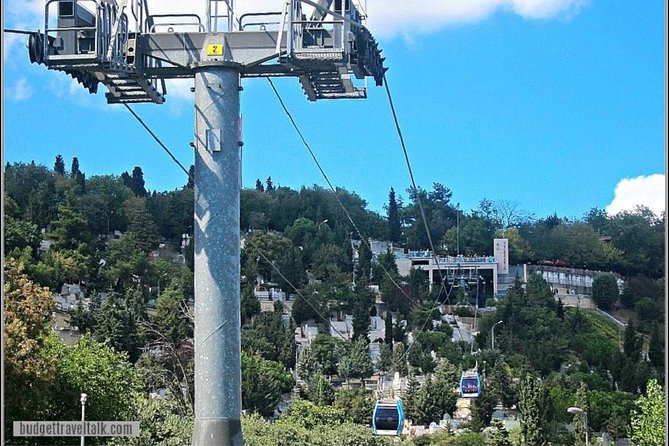
You may use a mix of transit during the outing, and one of the most helpful things is that your guide helps you understand how to handle tickets and connections without second-guessing every step. Some groups have even reported using tram, bus, and ferry options during the afternoon, plus additional connections like cable car depending on the flow.
I like this approach because it turns a single tour into more than a single tour. After you finish, you have a clearer sense of routes across the Golden Horn and what to look for. You spend less time stuck at station entrances and more time actually exploring.
Tea, lemonade, and Turkish treats: the breaks that make it feel local
This tour builds in a few pauses where you can taste the neighborhood vibe. A lot of the magic shows up in the food and drink moments, not in fancy dining.
At Pierre Loti café, many people enjoy tea with the view, the kind of stop that makes you feel like you’re catching your breath in the middle of a city that never stops moving. Other breaks can include Turkish treats, and one frequently mentioned favorite is homemade lemonade at a café stop.
Another popular drink mentioned is sahlep, and there are notes of it being enjoyed during the ride home. If you’re the kind of person who loves trying one new local thing per day, this tour gives you that chance without turning your afternoon into a food marathon.
There’s also a small insider-style tip from the experience: ask your guide about kir pidesi if it comes up during your time there. That kind of suggestion is exactly why a guide helps.
Price and value: is $60.34 worth an afternoon?
The price is $60.34 per person for about 3 hours, and it includes a mobile ticket plus a guide-led route through neighborhoods most visitors skip. On paper, it looks like a paid walking tour. In reality, you’re paying for three things that are hard to replicate well on your own: context, route sense, and timing.
First, the history is part of the package. You’re getting explanations tied to what you’re seeing, including the fall-of-Constantinople story and how communities shaped the districts. That kind of local interpretation can turn a generic neighborhood walk into an actually memorable afternoon.
Second, you’re getting transport help. Learning where to go and how to connect with tram, ferry, and metro options saves time. It also reduces the stress of being lost in a maze of hills and streets.
Third, the tour includes a tea stop at Pierre Loti café, plus the general rhythm of guided breaks. Those moments keep the afternoon from feeling like a workout you paid for.
Is it cheaper than going DIY? Yes. But for first-time Istanbul visitors, this price is often a good shortcut to understanding how these districts work.
Who this tour is best for, and what to watch out for
This experience fits best if you want neighborhood reality, not just famous landmarks. If you like stepping away from crowds and seeing where people actually live, you’ll likely enjoy it. It is also great if you want history with daily-life details, not just a lecture.
The main watch-out is physical. There is a lot of walking with steep and narrow streets, and one report describes around 11,000 steps for the tour alone. A steady pace plus hills is totally doable for many people, but it could be tough for older relatives or anyone who has limited mobility. The data says most travelers can participate, so the intention is inclusive, but the terrain still matters.
Another practical consideration is photography time. If your priority is slow, careful framing and long stops at every corner, this route might feel a bit fast. You can still get great images, you just won’t have a leisurely, pick-your-own-speed schedule.
Practical tips for comfort, shoes, and better photos
Bring comfortable, grippy shoes. Balat and the surrounding streets include steps and cobblestones, so your footing matters more than your style. Also, go in expecting hills. If you plan your day around the tour, put nothing too ambitious before it.
For photos, I’d treat it like a moving street shoot. Use the guide’s pace to get shots, then grab extra time at the calm points like Pierre Loti café and Golden Horn waterfront moments. That’s where you’ll get the view-based images without sprinting up stairs.
Weather matters. The experience is described as requiring good weather, and rain has occurred during at least one outing without ruining the day. Still, check the forecast and bring a small rain layer if your travel dates are unpredictable.
Finally, if you’re the type who likes to eat one local thing during a walk, keep an eye out for tea, lemonade, and local snacks at the café stops. This is where the tour becomes personal.
Should you book this Fener and Balat tour?
Book it if you want a real neighborhood Istanbul afternoon, with history explained through streets, churches, and the Golden Horn. It is especially good for your first days in town because it helps you learn how the city connects and how to keep moving after the tour.
Skip it or reconsider if you dislike hills and steep walking, or if you need long pauses to photograph every detail. This is a guided route with momentum, not a slow wander.
If you’re excited by the idea of seeing how multiple communities shaped Istanbul over centuries, and you’re happy to wear walking shoes, this is one of the most satisfying ways to spend 3 hours in the city.
FAQ
How long is the Fener and Balat tour?
The tour lasts about 3 hours.
What time does the tour start?
It starts at 2:00 pm.
Where does the tour start and end?
It starts at İtimat Fabrika Satış Yeri Rüstem Paşa, Avrupa Yakası, 34116 Fatih/İstanbul, Türkiye, and it ends back at the meeting point.
Is it a small group?
Yes. The maximum group size is 10 travelers.
What language is the tour offered in?
The tour is offered in English.
Do I get a mobile ticket?
Yes, the tour includes a mobile ticket.
Is the meeting point easy to reach using public transport?
Yes, the meeting point is near public transportation.
Is the tour very strenuous?
There is a lot of walking, including hills and narrow streets, but most travelers can participate.
What is the cancellation approach?
Free cancellation is available, and you can cancel up to 24 hours in advance for a full refund. If it is canceled due to poor weather or the minimum number of travelers is not met, you are offered a different date or a full refund.
More Tour Reviews in Istanbul
Not for you? Here's more nearby things to do in Istanbul we have reviewed







More Istanbul Fener & Balat Tours to consider.
 ★ 4.9Fener Balat Half-day Guided Walking TourFrom $201,711 reviews
 ★ 5.0Half day Fener-Balat Walking Tour in TurkiyeFrom $20308 reviews
 ★ 4.9Fener, Balat, Old Greek and Jewish Quarter TourFrom $59234 reviews
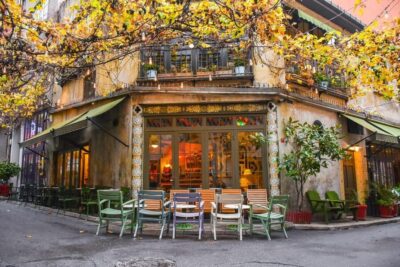 ★ 4.7Colorful Fener & Balat Walking Tour w/Expert GuideFrom $18234 reviews
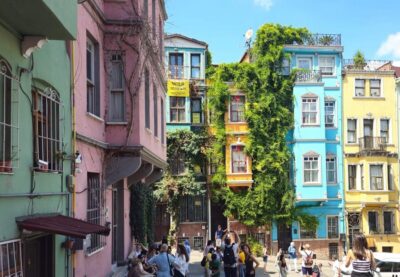 ★ 4.8Fener & Balat Guided Tour through Colored StreetsFrom $15171 reviews
 ★ 5.0Istanbul in Colors: Balat TourFrom $6892 reviews
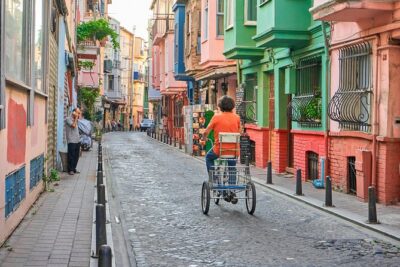 ★ 5.0Istanbul City Walk: Colors, Culture & History Fener Balat TourFrom $3056 reviews
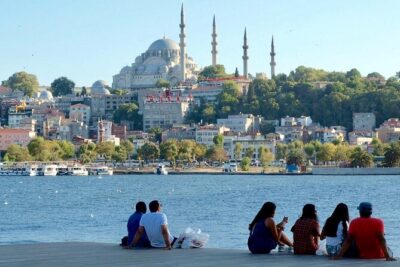 ★ 5.0Multi Cultural Istanbul: Galata Tower – Fener and Balat – Golden Horn by FerryFrom $7914 reviews
Other ways to explore Istanbul