
Review · ISTANBUL BOSPHORUS CRUISES
Majestic Istanbul: Walking Tour & Sunset Cruise on the Bosphorus
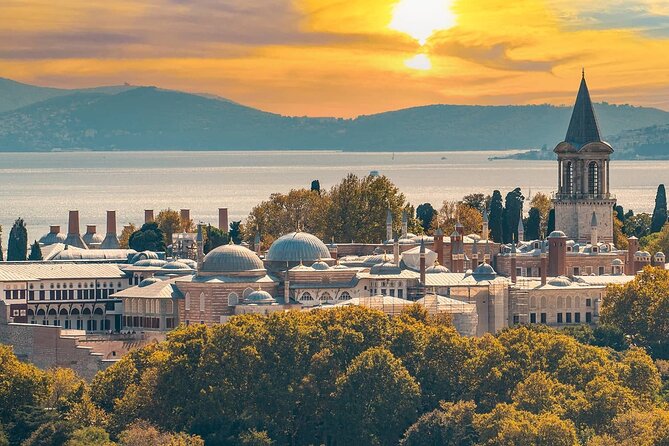
Istanbul hits different at sunset. This day mixes a focused walk through Sultanahmet’s big landmark cluster with a Bosphorus cruise that lets you look at Istanbul from the water, including both the European and Asian shores. You get a guided thread through Byzantine monuments and Ottoman icons, then you roll right into the golden-hour views.
What I love most is how smoothly it combines two modes of travel: on foot for the old city, then by boat for the skyline views. I also really liked the snacks and drinks during both the walking portion and the cruise, plus the guide support that helps you make good photos without rushing. In January, when the air got cold fast, the cruise setup still felt comfortable, with a cabin heater and small blankets.
One possible drawback: you do not go inside Hagia Sophia, and for Topkapi Palace you only see the First Courtyard, not the deeper palace sections. If you’re hoping for full museum-style interiors, you may feel slightly under-satisfied.
Key highlights at a glance
- A smart combo day that pairs Sultanahmet landmarks with a sunset Bosphorus boat ride in about 7 hours
- Small group size (maximum 20 travelers), which keeps the pace manageable
- Real photo help from the guide, including tips for getting the best shots on the water
- Snacks built into the plan, including cookies, baklava, fruit, lemonade or juice, plus tea and coffee
- Practical old-city routing, including tram use to connect Sultanahmet to Column Constantine and the Grand Bazaar
- Clear visiting rules like Blue Mosque exterior-only on Fridays and no Hagia Sophia interior entry
Sultanahmet to the Bosphorus: how this day really flows
This tour is designed like a story, not a list. You start in the Sultanahmet area, where a lot of Istanbul’s most famous sights sit close enough to connect in one walking segment. The walk gives you the ground-level feel, with ancient monuments in plain sight and Ottoman architecture rising around them.
Then the day pivots to the water. That’s the move that makes this experience feel worth your time. Istanbul’s personality shows up differently from a boat: the long coastline lines up buildings, mosques, and shore neighborhoods in a way you can’t easily replicate on foot. And sunset is the moment when the whole Bosphorus scene turns from sightseeing to atmosphere.
You can also read our reviews of more walking tours in Istanbul

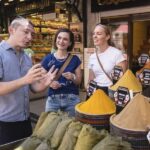
Meeting point, small group, and the pace you’ll feel
You meet at the Turkish and Islamic Arts Museum area, on Binbirdirek, At Meydanı Cd, in Fatih. The tour begins at 1:00 pm, and it ends at Kabatas Square in Beyoğlu. There’s no hotel pickup, so plan to arrive a bit early and comfortable walking shoes.
The group is capped at 20 people. That matters more than it sounds. With smaller groups, you spend less time waiting at intersections, and you get better chances to hear the guide explain why each monument matters.
The walking part is described as moderate and centered on Sultanahmet’s old city streets. That means you should expect a fair bit of walking, but it’s not a marathon, and you’ll stop often enough to catch your breath and refocus.
Hippodrome monuments in Sultanahmet: ancient Constantinople in stone form
Your first stops focus on the Hippodrome of Constantinople area, now around Sultanahmet Square. This is one of those places where Istanbul’s layers stack fast: you’re surrounded by Ottoman-era landmarks while the ground tells Byzantine stories.
The Hippodrome of Constantinople (Sultanahmet Meydani)
You’re looking at a site that functioned as the center of public life for over a thousand years. It was set up in the Byzantine era as the stage for chariot racing, plus celebrations, riots, and political events. Even if you’re not a sports fan, it helps to know this was entertainment and power rolled into one.
The Hippodrome’s U-shaped track and tiered seating could hold tens of thousands. That scale explains why those later monuments were placed here. The guide pauses you long enough to take it in, rather than doing a quick glance and moving on.
Walled Obelisk
Next is the Walled Obelisk, also called the Masonry Obelisk. Unlike the big Egyptian obelisk you’ll hear about elsewhere, this one is built from roughly cut stone rather than a single piece. It’s a short stop, but it gives you a useful contrast: not every monument in the Hippodrome is identical in origin or construction.
You can also read our reviews of more boat tours in Istanbul

Serpent Column
Then comes the Serpent Column, with its intertwined serpent heads. You learn that it originally stood at Delphi in Greece before being moved here. The column once supported a golden tripod, and the monument commemorates Greek victory over the Persians at the Battle of Plataea in 479 BC.
This is one of those “small detail” moments that makes the whole place feel smarter. You start noticing that Istanbul didn’t just build new things, it also collected and repurposed older symbols.
Obelisk of Theodosius
The Obelisk of Theodosius is tall and impossible to ignore once you’re close. It was re-erected in the Hippodrome in the late 4th century, and it originally came from Egypt, tied to Pharaoh Thutmose III and the Karnak area in Luxor.
This stop helps you understand how Istanbul acted like a museum before museums existed. Objects traveled, rulers changed, and monuments kept getting reinstalled in new political contexts.
German Fountain
You’ll also pause at the German Fountain. The stop is brief, but it breaks up the monument sequence so you can take photos, reset, and keep your attention on what you’re looking at rather than getting monument fatigue.
Blue Mosque and Hagia Sophia: big exteriors, important rules
After the Hippodrome area, the tour moves into the core Ottoman skyline zone.
Blue Mosque (Sultan Ahmed Mosque)
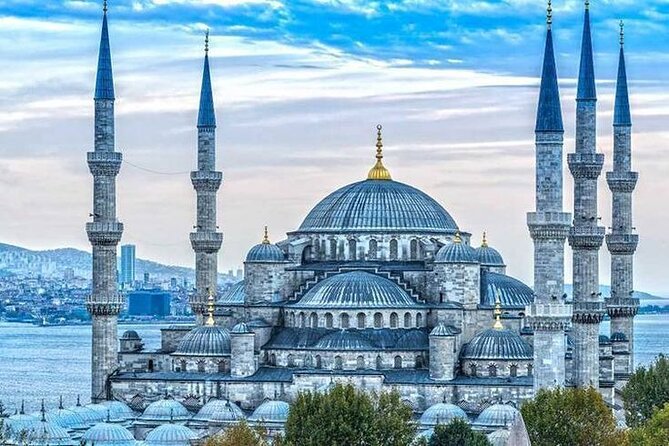
The Blue Mosque is constructed between 1609 and 1616 under Sultan Ahmed I. It’s called the Blue Mosque because of the blue tiles inside. From the outside, you’ll see the large main dome and the famous minarets. The design detail that often surprises people is that the mosque has six minarets, which was controversial at the time because it matched the number at Masjid al-Haram in Mecca. A seventh minaret was later added there, but here you just get to enjoy the fact that the architects were thinking big.
On Fridays, you should expect exterior-only visits. That’s not a failure of the tour, it’s a schedule reality. If you want interior time, choose another day of the week.
A practical tip: ladies are recommended to bring a scarf to use when visiting the Blue Mosque. Bring one from home if you don’t want to improvise near the entrance.
Hagia Sophia (Ayasofya)
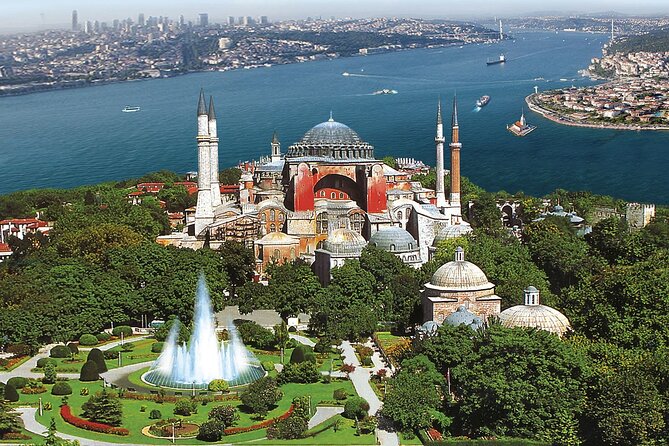
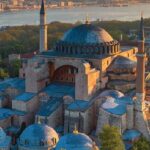
Then you reach Hagia Sophia, or Ayasofya, meaning Holy Wisdom. This building’s history stretches over a millennium and it served different religious roles over time.
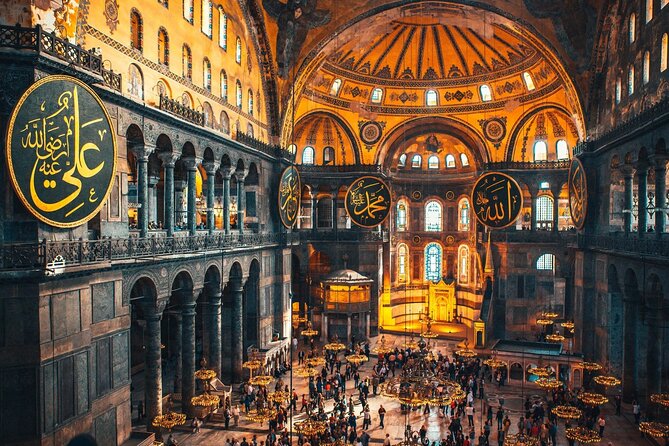
But here’s the key planning point: there is no interior visit to Hagia Sophia on this tour. You’ll still get the value of seeing the scale and getting context from your guide, but if interior access is your top priority, you’ll want a different tour option.
Topkapi Palace first courtyard: an Ottoman “taste” without the full palace
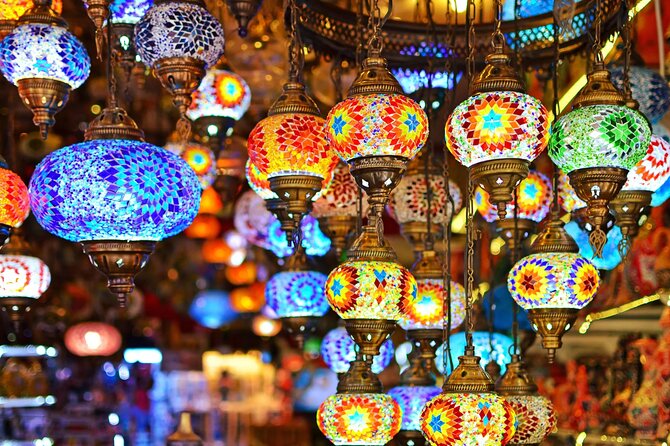
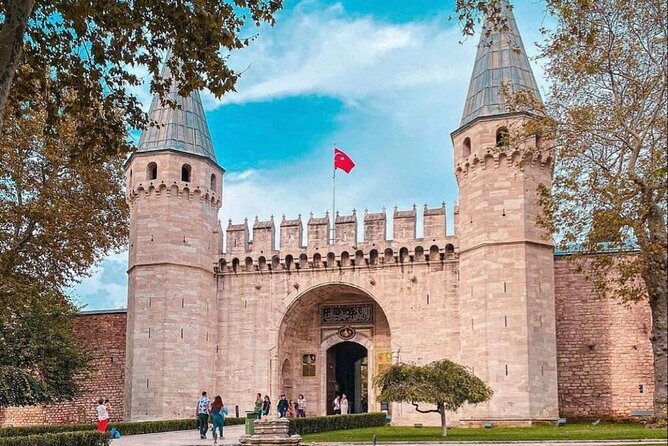
Topkapi Palace is one of the big names on any Istanbul list. This stop is shorter and more targeted: you visit only the First Courtyard, not the deeper palace rooms and museum spaces.
You’ll learn that Topkapi served as the administrative headquarters and main residence of Ottoman sultans for nearly 400 years, starting in the late 15th century after Mehmed II. Even a single courtyard helps you grasp the palace’s logic: courtyards act like layers of privacy, and each gate signals how close you are to the sultan’s world.
Because you’re not doing the entire palace circuit, you avoid long indoor time and the heaviest crowds. It’s a practical way to include Topkapi in a day that also includes the Bosphorus cruise.
Tram to Column Constantine and the Grand Bazaar’s maze
Next comes a move that feels very “Istanbul local”: you use the tram from Sultanahmet Square to reach Column Constantine and then the Grand Bazaar area. It saves walking distance and keeps your energy for the bigger sights later.
Column of Constantine (Cemberlitas Sutunu)
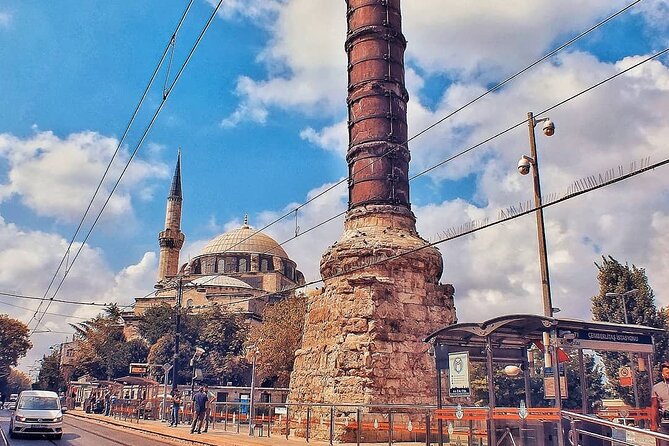
You stop at the Column of Constantine, also known as the Burnt Column. It was originally erected to mark the dedication of Constantinople as the capital in 330 AD.
This column is made from porphyry, known for its purple hue. You also learn that the original statue on top was lost in the 12th century, and the column has been restored over time after damage from fires and earthquakes. That’s a helpful reminder that Istanbul’s monuments are not static. They survive, they break, they get rebuilt.
Grand Bazaar (Kapalıçarşı)
The Grand Bazaar is next, and this is where your sense of place shifts from monument viewing to shopping-street reality.
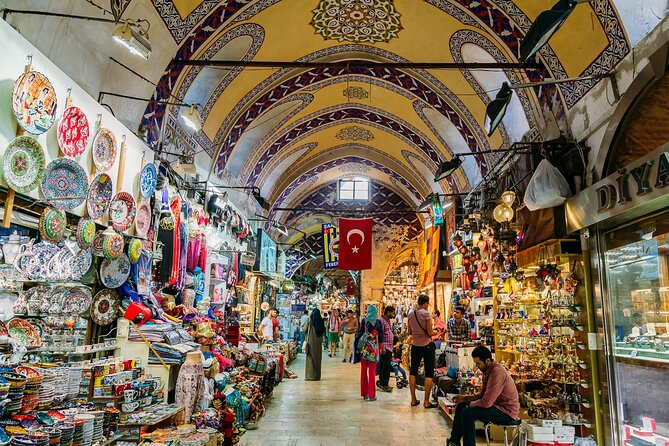
The Grand Bazaar began construction in 1455 after the Ottoman conquest and was designed to support the Hagia Sophia. By the 17th century it had reached its final shape, with thousands of shops spread across a maze of streets.
One important rule for planning: Grand Bazaar is closed on Sundays. If your travel dates are Sunday, expect the day to feel different, and you might want to confirm what your guide does to adapt.
Even if you don’t plan to buy much, the bazaar is worth seeing because it shows how commerce sits inside architecture. The streets feel like a living map, and your guide’s route helps you avoid getting instantly lost.
Süleymaniye Mosque and Spice Bazaar: Ottoman scale meets snackable streets
After the bazaar stop, the day continues into another major Istanbul landmark zone.
Süleymaniye Mosque
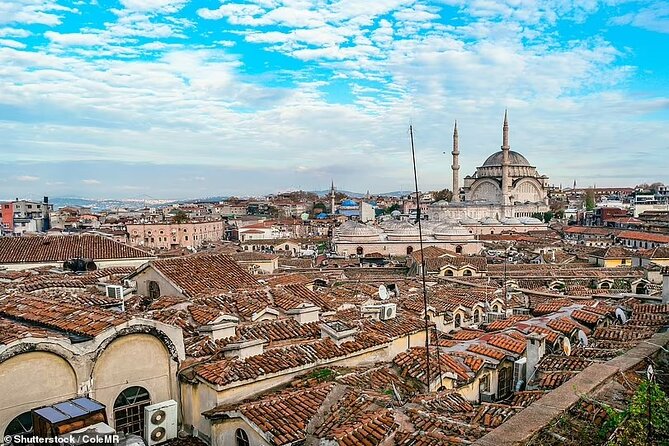
Süleymaniye Mosque was designed by Mimar Sinan and commissioned by Sultan Süleyman the Magnificent, completed in 1557. The big idea here is scale and structure. The central dome rises to about 53 meters high with a diameter around 27.5 meters.
You’ll also hear about how Sinan blended architectural influences. The dome draws inspiration from Hagia Sophia, which is a neat connection because you saw Hagia Sophia earlier, even if you did not go inside. This makes the city feel less random and more like one conversation across centuries.
Spice Bazaar (Mısır Çarşısı)
Then you head to the Spice Bazaar, or Mısır Çarşısı, in the Eminönü quarter. It was built in the 1660s as part of the New Mosque complex, with revenues intended to support the mosque’s maintenance. The “Egyptian Bazaar” name links back to Ottoman trade routes bringing goods from Egypt.
What you can expect is color, smell, and a lot of sensory options: spices, herbs, sweets, dried fruits, and nuts. There are 85 shops in an L-shaped vaulted corridor, with multiple entrances.
This stop also pairs well with a cruise day because it reminds you that Istanbul is not only about big buildings. It’s also about everyday food culture, the kind you remember long after your photos fade.
Sunset Bosphorus cruise: comfort, views, and photo guidance
Now the day makes its best move. You head to the pier, and you take the Bosphorus ride at sunset.
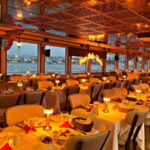
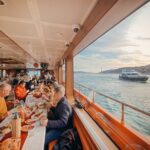
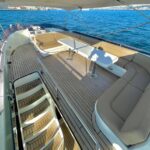
This part of the experience comes through strongly in the feedback. The boats are described as beautiful and spacious, and the vibe is more relaxed than a typical tourist ferry. You also get plenty of snacks and drinks while you’re out on the water, including cookies, delicious Turkish baklava, and what sounds like thoughtful seasonal options.
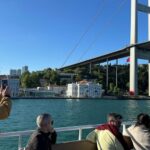
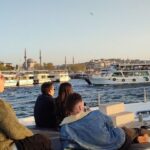
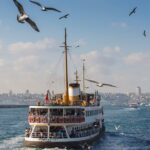
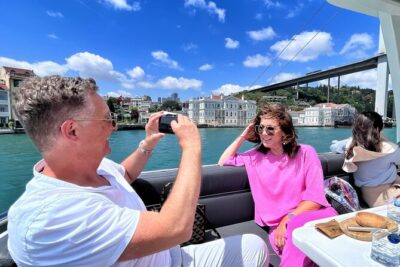
The views are the main event. You see both the European and Asian sides, which is hard to replicate in a land-only day. From the water, you get a new sense of distance and geometry, and the skyline lines up in a way that makes your camera roll feel productive without constant stop-and-go.
Warmth tips for real weather
If you’re traveling in winter, this matters. In January, the air gets cold quickly once the sun goes down. Even though there are small blankets and a heater in the cabin, you’ll enjoy the cruise much more if you dress for cold air and bring gloves if you run cold.
One more practical detail: if you want the best photos, your guide can help with timing and angles. Mohammed is specifically called out for going above and beyond to help people get perfect shots, which is exactly the kind of small service that turns a good cruise into a memorable one.
Value check: what $119.14 includes and why it adds up
On paper, $119.14 can sound like a splurge. In practice, it can feel reasonable because the tour stacks several cost areas for you:
- A professional guide for the whole day
- Transportation support to the pier from the old city
- Tram tickets from Sultanahmet Square to Column Constantine and the Grand Bazaar connection
- Food and drink included throughout, including light snacks, cookies, Turkish baklava, and fruit
- Tea and coffee, plus lemonade in summer or fruit juice in winter
- A small-group format (maximum 20), which is harder to find at this price point
What’s not included is hotel pickup and drop-off. That’s the tradeoff. You’ll start at the Turkish and Islamic Arts Museum area and finish at Kabatas Square, so you have to plan your own arrival and departure. For many people, that’s a fair trade because it keeps the tour efficient.
Also, the included touches during the cruise matter. A boat tour without drinks and snacks can feel short or stingy. Here, you’re set up to relax and actually enjoy the views while you snack.
Who should book this Istanbul combo day?
This tour makes a lot of sense if you want variety in one evening. It’s a strong choice for first-time visitors who want to hit major sights without turning the day into a stressful sprint.
It also fits well if you like having structure. Your guide connects the dots from Byzantine public life at the Hippodrome to Ottoman religious architecture like the Blue Mosque and Süleymaniye, then into the food-focused Spice Bazaar, and finally into the Bosphorus sunset payoff.
You might choose a different option if:
- You specifically want interior access at Hagia Sophia or a deeper multi-courtyard visit at Topkapi Palace
- You need a strict Sunday plan, since the Grand Bazaar is closed on Sundays
- You dislike moderate walking and want a mostly vehicle-based tour
Should you book Majestic Istanbul: Walking Tour and Sunset Cruise?
If you want the classic Istanbul combo, I’d say yes, with eyes open. The biggest win is the pairing of old-city monuments with an actual sunset moment on the Bosphorus. The food and drinks included along the way help you keep pace without constantly hunting for snacks, and the small group size makes the walk feel under control.
Just plan around the two visiting limitations: no Hagia Sophia interior, and Topkapi is First Courtyard only. Also, pack for the conditions. In winter, warmth is part of the experience, not an afterthought.
If your dates include Friday, expect Blue Mosque exterior-only. If they include Sunday, remember the Grand Bazaar closure. Once you’re aware of those rules, this tour is a good value way to see Istanbul from street level and water level in one day.
FAQ
Where do I meet and where does the tour end?
You start at Turkish & Islamic Arts Museum, Binbirdirek, At Meydanı Cd No:12, 34122 Fatih, Istanbul, Turkey. The tour ends at Kabatas Square, Kabataş, Meclis-i Mebusan Cd., 34427 Beyoğlu, Istanbul, Turkey.
What time does the tour start?
The start time is 1:00 pm.
How long is the experience?
It’s approximately 7 hours.
Is hotel pickup or drop-off included?
No. Hotel pick-up and drop-off are not included.
What attractions are included regarding Hagia Sophia and Topkapi Palace?
There is no interior visit to Hagia Sophia. For Topkapi Palace, only the First Courtyard is visited.
What is the visiting plan for the Blue Mosque on Fridays?
On Fridays, only exterior visits are available to the Blue Mosque.
Is there anything to bring for visiting the Blue Mosque?
Ladies are recommended to bring scarfs to use while visiting the Blue Mosque.
Does the tour use public transportation?
Yes. You’ll use the tram to get to Column Constantine and Grand Bazaar from Sultanahmet Square.
Is the Grand Bazaar open every day?
Grand Bazaar is closed on Sundays.
What’s included for food and drinks during the day?
The tour includes light snacks, cookies, Turkish baklava, a fresh seasonal fruit platter, tea and coffee, and homemade lemonade in summer months or fresh fruit juice in winter months.
Is free cancellation available?
Yes. You can cancel up to 24 hours in advance for a full refund. The experience also requires good weather, and if it’s canceled due to poor weather, you’ll be offered a different date or a full refund.
More Walking Tours in Istanbul
More Tours in Istanbul


More Tour Reviews in Istanbul
Not for you? Here's more nearby things to do in Istanbul we have reviewed


More Istanbul Bosphorus Cruises to consider.
 ★ 4.8Bosphorus Dinner Cruise & Show with Private TableFrom $3444,561 reviews
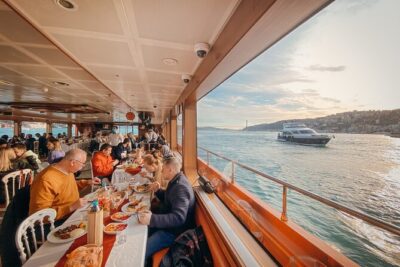 ★ 4.8Bosphorus Dinner Cruise with Turkish Night ShowFrom $3410,127 reviews
 ★ 5.0Perfume Making Workshop with Bosphorus ViewFrom $282,985 reviews
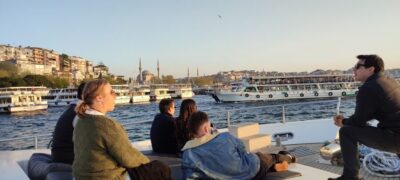 ★ 4.9Bosphorus Sunset Cruise on Yacht with Live GuideFrom $192,845 reviews
 ★ 4.8Bosphorus Sunset Cruise with Drinks & SnackFrom $82,716 reviews
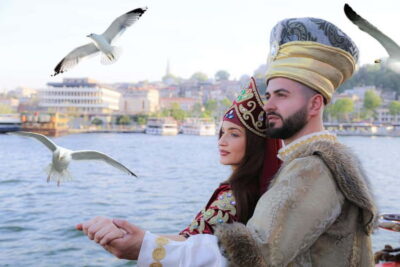 ★ 4.6Bosphorus Sightseeing Cruise Tour with Audio GuideFrom $82,694 reviews
 ★ 5.0Bosphorus Yacht Cruise Experience: Visit the Asian SideFrom $602,251 reviews
 ★ 4.4Bosphorus Cruise with Dinner ShowFrom $412,181 reviews
Other ways to explore Istanbul