
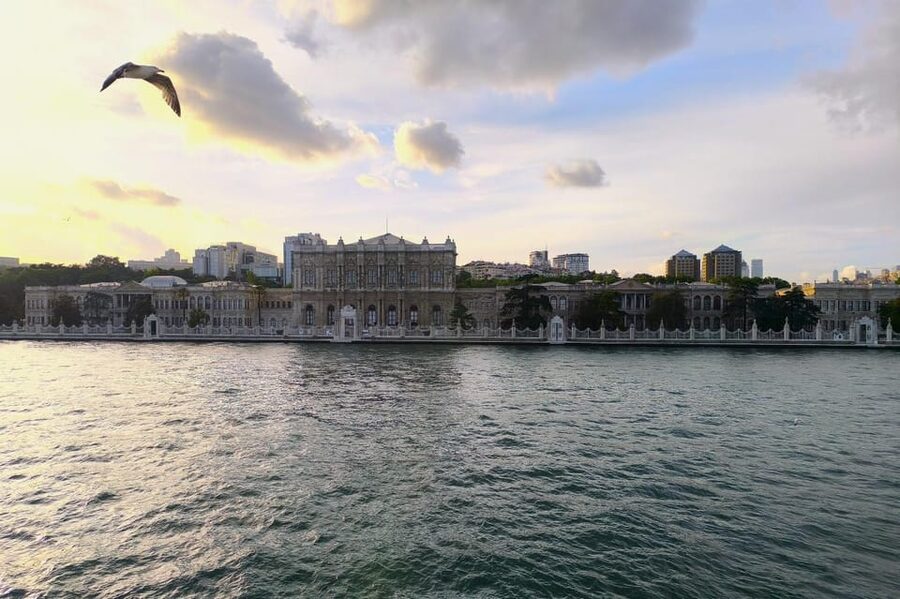
Review · ISTANBUL DOLMABAHCE PALACE TOURS
Istanbul: Dolmabahce Palace and Harem Skip-the-Line Ticket
Dolmabahçe Palace makes you slow down. You get skip-the-line access to Ottoman splendor, then use an audio guide to make sense of the Selamlık and Harem. My favorite part is how much you can cover without needing a human guide. The main thing to consider is that this is self-entry, so if you want deep storytelling from a live guide, you may find the audio-only format less satisfying.
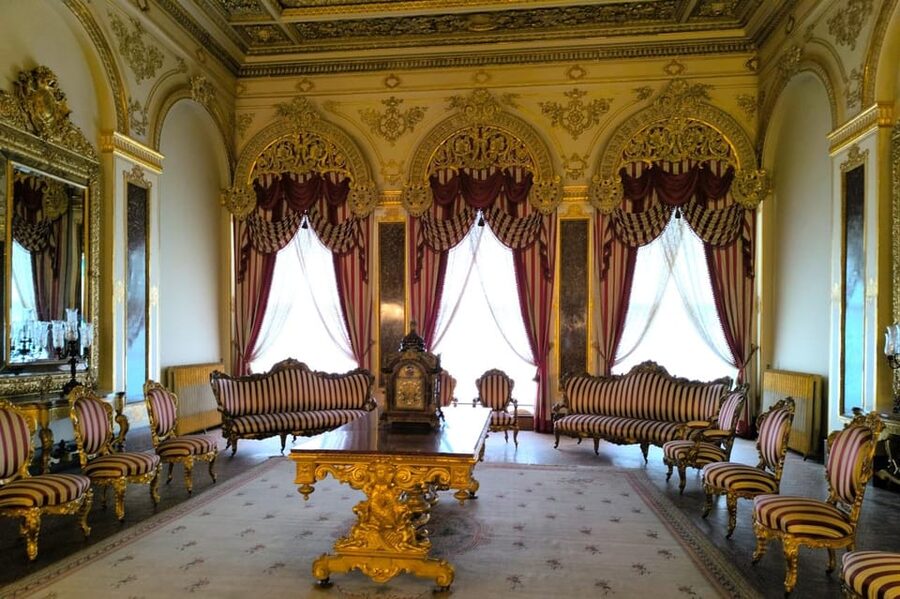
You’ll start in the palace’s formal world, then move into the private quarters where the sultans’ family lived. The Bohemian crystal chandelier is real show-stopper material, and the views over the Bosphorus help the whole visit feel cinematic. A small drawback: some rooms or features may be limited or under restoration on your visit, so keep expectations flexible.
Key highlights I’d plan around
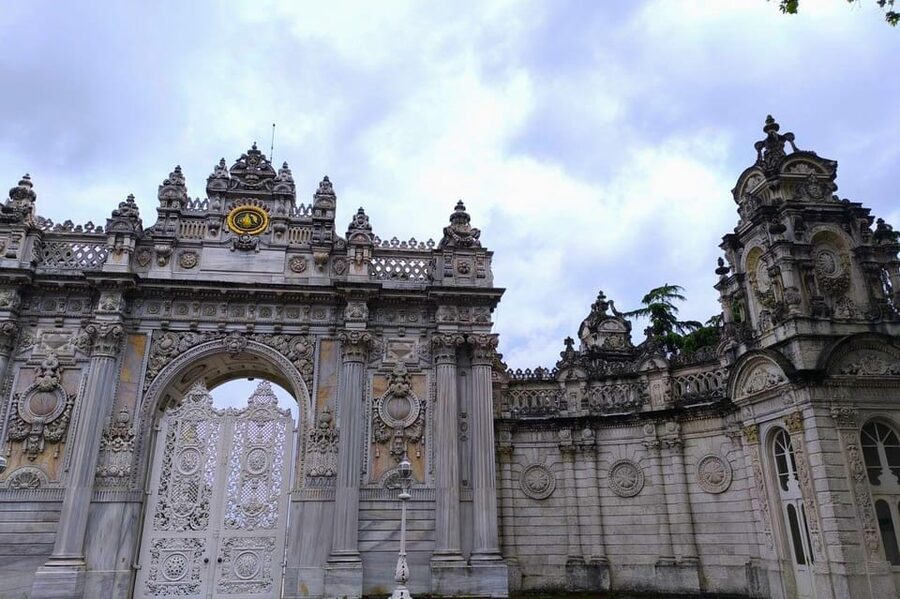
- Skip-the-line entry into Dolmabahçe Palace, with mandatory security checks for everyone
- Selamlık and Harem access plus the Painting Museum, all covered by one valid e-ticket
- Audio guide included in many languages, designed to match what you’re looking at
- Crystal Staircase views and lavish ceremonial spaces, even if not every room is open
- Photography allowed outdoors, but not inside the palace rooms
Dolmabahçe Palace ticket in plain words, Selamlık, Harem, Painting Museum

This ticket is built for a smart, efficient visit. For one price, you get entry to Selamlık, Harem, and the Painting Museum. That matters because Dolmabahçe is not a one-room palace. It’s a full complex where you’ll want time to connect spaces, not just rush from door to door.
I like that your day isn’t only about architecture, either. The audio guide is there to help you understand how the Ottoman palace worked, with context as you walk. That becomes especially useful in the Harem, where the rooms can look similar unless you know what you’re seeing.
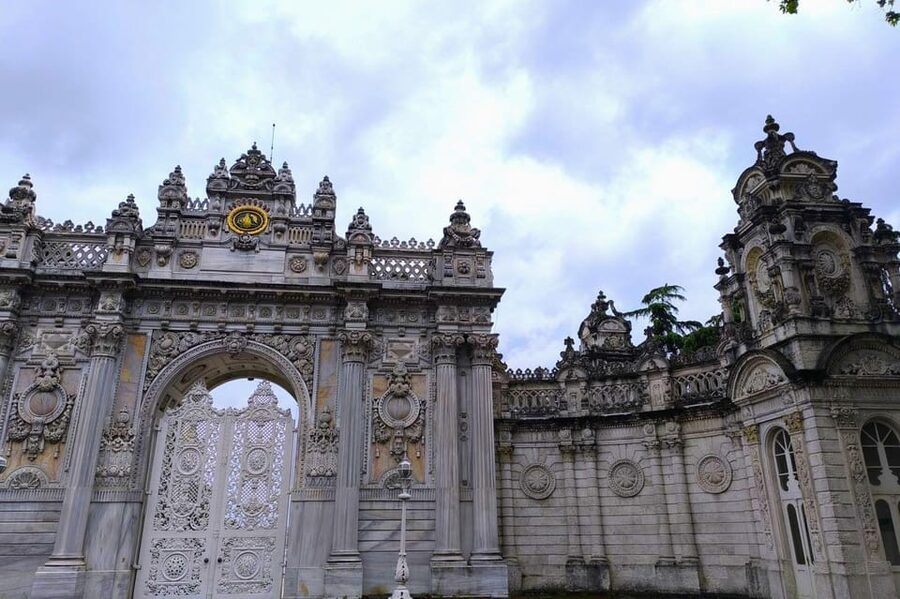
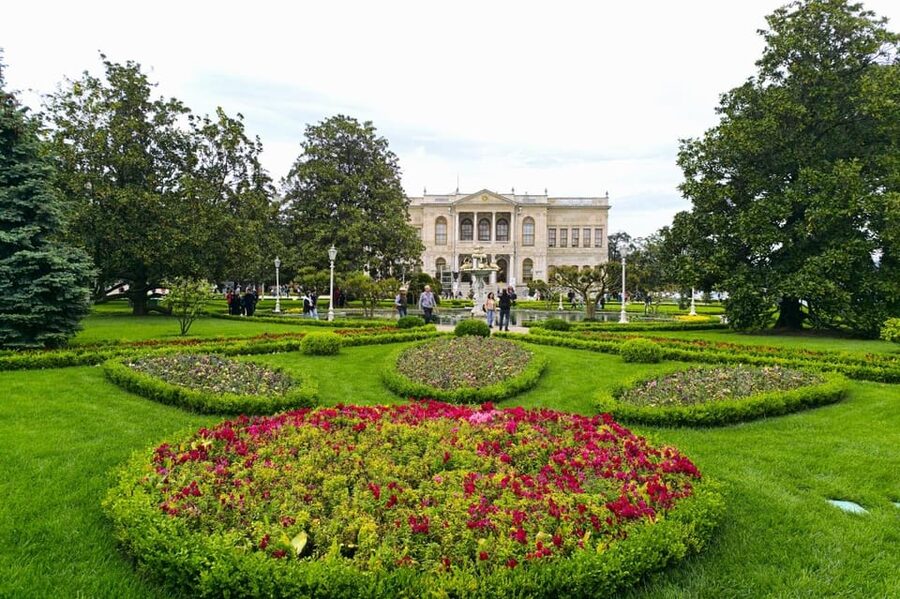
You’ll also see how the palace fits into late Ottoman power and taste. Dolmabahçe sits on the European side of the Bosphorus, and the setting adds drama. Even when the interiors are closed to photos, the outside views and gardens give you visual payoff.
More Istanbul tours and experiences for the shortlist



Entering smoothly: skip-the-line, but security is still real
Let’s clear up the biggest logistics point. This is not a guided tour. You go on your own with your e-tickets.
Here’s the flow I’d follow:
- Go to Dolmabahçe Palace and enter on your own with your ticket.
- Pass the left-side security line.
- Scan your tickets.
- Exchange your ID for an audio guide before you enter the palace.
- Keep the audio device number safe, because you’ll need it to get your ID back when you exit.
The good news is that the “skip-the-line” part is still helpful in Istanbul. One review even points out that there was no timed entry, so you could sometimes go in earlier than your selected time. Still, don’t treat it as a magic bypass. Everyone must go through security checks.
Also check your tickets before you arrive. One thing that caused confusion is that some people expected tickets saved to Apple Wallet to be enough, but you may need the QR code for each person in your group. If your plan is tight, open your ticket email and confirm you can reach each QR code quickly.
Selamlık first: the Ottoman palace for state business

Your visit usually starts in the Selamlık, the more formal side of the palace. This is where state affairs were handled, so the tone is ceremonial and official. If you’re the type who likes to understand a place before you get emotional about it, Selamlık does that job.
Pay attention to scale. You’re walking through long halls meant for important moments, with furniture and finishes that feel very intentional. The audio guide helps you connect what you see with what it meant, which is crucial here because there aren’t always lots of explanatory signs.
Two spots worth planning for:
- The Crystal Staircase, which people remember because it feels both grand and slightly surreal.
- The main ceremonial rooms where gold accents and chandeliers create that “late imperial” atmosphere.
I also love how Selamlık sets you up for the Harem. You’ll feel the contrast more clearly. Selamlık is about public authority. The Harem is about private life and daily routines.
The Bohemian crystal chandelier: why it hits so hard

There’s a reason visitors keep mentioning the Bohemian crystal chandelier. It isn’t just pretty. It signals a specific kind of Ottoman luxury, one that mixes traditional power with a taste for European-style display.
When you see it, slow down. Don’t just snap and move. Let it frame the room for you. The chandelier helps you understand why the palace feels like a statement, not just a residence. It’s the kind of detail you notice more the second time you pass through a space, so if you can, give yourself some overlap rather than doing a single pass.
One practical note: photography inside is not allowed. That means the chandelier is best enjoyed with your eyes, not your camera. Take a mental photo, then get your real pictures outside where you’re allowed.
Harem apartments: sultans’ family life, room by room
Next up is the Harem, the private section where the sultans’ family lived. This part changes the mood fast. You go from ceremonial showrooms to living spaces, and the audio guide makes a big difference because the meaning of rooms can be easy to miss when you’re just looking at doors and corridors.
In the Harem, the highlight isn’t one single object. It’s the sense of routine and privacy. You’ll learn about daily life and how the palace functioned internally. That’s what turns it from “pretty rooms” into “oh, now I get it.”
One thing to know based on experience reports: some people felt the amount of interior access could be disappointing, with certain rooms sealed off or only partially visible from shared areas. On the day you go, you might also encounter restoration work affecting specific features. If you’re the type who loves seeing every room in person, arrive with a flexible mindset.
Also, plan for crowds. This is a popular Istanbul site. The Harem can feel busy, so if you want quieter moments, move early in the day or take short pauses when you hit the busiest corridors.
More Istanbul tours and experiences for the shortlist


Painting Museum: Ottoman art beyond the glamour
The Painting Museum is included in your ticket, and that gives your day more variety than just palaces within palace walls. Even if you’re not a museum person, Ottoman art and the way it’s displayed can help you see the palace as more than a showpiece.
This stop is also a useful breather. After the bright, ornate rooms, the museum portion offers a different pace. You can sit for a minute, look closely, and reset.
If you care about art specifically, give the museum a little more time than you think you need. One of the advantages of an audio guide is that it helps you notice details you might otherwise skim past.
Audio guide tips: language fit, device swap, and what can go wrong
The audio guide is included and offered in many languages: English, French, German, Russian, Italian, Spanish, Polish, Arabic, Chinese, Turkish. That’s a big deal for a self-guided experience because Dolmabahçe doesn’t rely on lots of on-the-spot signage.
A few practical lessons from real-world use:
- You exchange your ID for the audio guide before entry, and you keep the device number to reclaim your ID later.
- One review noted that the audio tour was easy to use and helped because there weren’t many interpretive signs.
- Another review mentioned the audio guide did not function properly, so it’s smart to test it quickly right after the ID exchange.
- There was also an account of a selected language not being available on the spot. If language matters a lot to you, verify your language choice matches what you receive at pickup.
Also, don’t wait until you’re deep inside to figure out the headset. Do a quick setup outside first. If your device is temperamental, you want time to fix it before your most important rooms.
How long should you plan? 2.5 to 4 hours is realistic
A ticket like this can stretch because the building is large and you’ll likely pause for photos outdoors and for slow reading with the audio guide. Many people end up spending a long morning.
A sensible planning range looks like:
- Around 2.5 hours if you move at a steady pace.
- Closer to 3 to 4 hours if you listen carefully, explore the gardens, and pause between sections.
One useful perspective: some people felt it was a long morning and suggested a more focused approach if you’re time-limited. If you only have energy for one area, consider whether you want the Selamlık overview or the Harem life story more. But since this ticket includes both, most visitors find it’s worth doing the full circuit.
Grounds, Bosphorus views, and outdoor photo opportunities
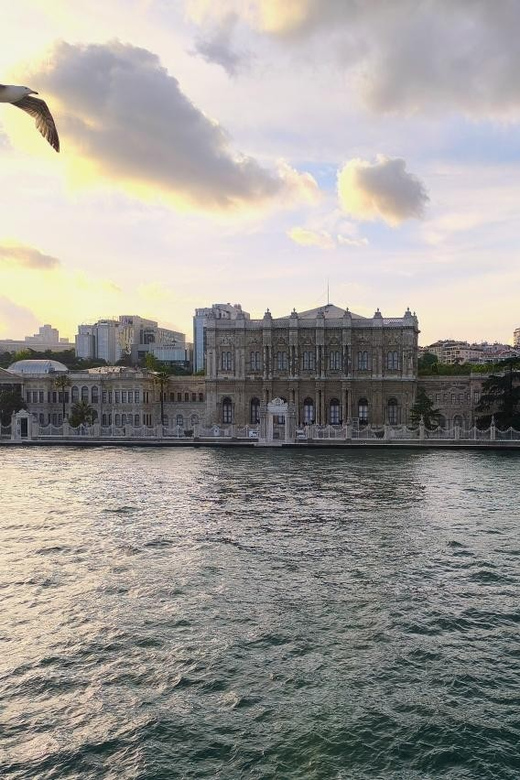
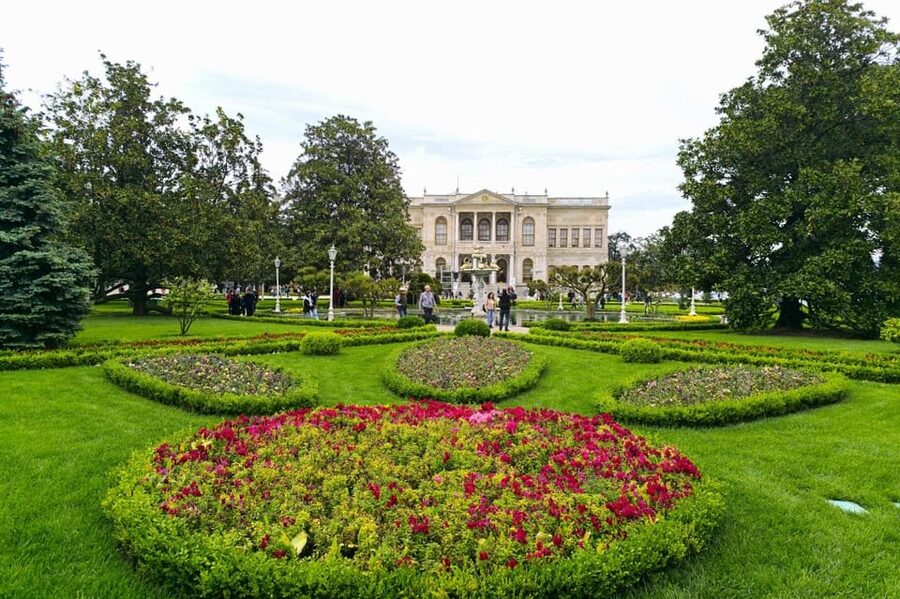
Even with “no interior photography,” you’re not missing out on visuals. The grounds and courtyards provide lots of opportunities. People talk about the gardens and Bosphorus views, and one account even mentioned swans around the grounds, which is an unexpectedly sweet detail.
This is where the palace feels less like a museum and more like a place. The gardens are part of the experience, not an optional add-on. Give yourself a chance to step outside after one of the palace sections. You’ll come back calmer, and the audio guide will feel easier to follow.
Rules that affect your comfort: photography, dress, and what you can bring
A few “save yourself stress” notes from the info you’ll see before you go:
- Photography inside the palace is not allowed.
- There’s no strict dress code, but modest, comfortable attire is recommended, especially covering shoulders and knees.
- Avoid sleeveless tops, shorts, and strapless dresses to respect the site.
- Baby strollers are not allowed.
- Large luggage or bags are not allowed.
I’d also suggest wearing shoes you can walk in for a few hours. Dolmabahçe is about rooms plus corridors plus grounds. If your plan is heels or thin-soled sandals, you might regret it.
Price and value: is $62 per person worth it?
At about $62 per person, the value depends on how you like to travel.
Here’s what you’re buying:
- Skip-the-line entry (useful in a city where queues can eat your day)
- Access to three parts of the site: Selamlık, Harem, Painting Museum
- An audio guide in multiple languages
That’s good value if you’re comfortable with self-guided exploration. Audio guides are not perfect, but they are exactly what you need to turn architecture into understanding, especially at a complex palace like this.
Where the price may feel less justified is when:
- You expected a live guide.
- You find that some interiors are sealed off or features are under restoration.
- Your audio guide glitches or your selected language isn’t available.
So my honest take: if you’re okay with a structured walk and you’ll use the audio guide, this ticket is a strong buy.
Who this Dolmabahçe Palace experience suits best
This works especially well if you:
- Want a fast, organized way to see a major Istanbul landmark
- Like pairing your visit with an audio guide instead of paying for a live guide
- Care about both palace life and art, since the ticket includes the Painting Museum
- Appreciate Bosphorus views and gardens enough to slow down outside
It may be less ideal if you:
- Crave a human storyteller who can adapt to questions
- Need guaranteed access to every room and every feature on site
- Have low patience for audio devices that require basic setup
Should you book this skip-the-line Dolmabahçe ticket?
Book it if your goal is to see Selamlık, Harem, and the Painting Museum in one smooth outing, and you’re comfortable driving the experience with an audio guide. The skip-the-line part is a real quality-of-life upgrade in Istanbul, and the included context helps you enjoy the palace instead of just walking through it.
Skip it or reconsider if you strongly prefer a guided format, or if you know you’ll be frustrated by possible limited access to certain interiors due to closures or restoration. If you do book, go early when possible, test the audio guide right away, and keep your expectations aligned with a self-guided, audio-led visit.
FAQ
Is this a guided tour with a live guide?
No. This is not a guided tour. You enter the attraction on your own using your tickets.
What does my ticket include at Dolmabahçe Palace?
Your e-ticket is valid for Selamlık, Harem, and the Painting Museum, and you also get an audio guide.
How do I use the audio guide when I arrive?
Before entering the palace, you exchange your ID for an audio guide. You should keep the device number safe so you can reclaim your ID when you exit.
What languages are available for the audio guide?
The audio guide is available in English, French, German, Russian, Italian, Spanish, Polish, Arabic, Chinese, Turkish.
What do I need to bring for entry?
Bring a passport or ID card.
What are the opening hours for Dolmabahçe Palace?
Dolmabahçe Palace is open 9:00 AM to 5:30 PM, except on Mondays. Last admission is 3:30 PM.
Is photography allowed inside the palace?
No. Photography inside is not allowed, but there are many good opportunities to take photos outdoors.
Are there limits on bags or strollers?
Yes. Baby strollers are not allowed, and you cannot bring luggage or large bags.
More Skip the Line in Istanbul
More Tickets in Istanbul
More Tour Reviews in Istanbul



Not for you? Here's more nearby things to do in Istanbul we have reviewed










More Istanbul Dolmabahce Palace Tours to consider.
 ★ 4.6Dolmabahce Palace & Harem Fast-Track Entry with Audio GuideFrom $47966 reviews
 ★ 4.7Dolmabahce Palace & Harem Skip-the-Line EntryFrom $47488 reviews
★ 4.5Dolmabahce Palace & Harem Skip-the-Line EntryFrom $55401 reviews
★ 4.7Dolmabahce Palace & Harem Skip-the-Line EntryFrom $47488 reviews
★ 4.5Dolmabahce Palace & Harem Skip-the-Line EntryFrom $55401 reviews
 ★ 3.5Istanbul Boat Cruise and Dolmabahce Palace & Two ContinentsFrom $15680 reviews
 ★ 3.5Dolmabahce Palace Tour in IstanbulFrom $9052 reviews
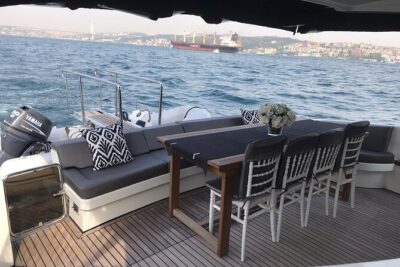 ★ 5.0Dolmabahçe Palace and Sunset Tour on Luxury YachtFrom $7849 reviews
 ★ 5.0Bosphorus Cruise with Dolmabahce Palace and Istiklal Street TourFrom $25036 reviews
 ★ 3.9Dolmabahçe Palace and Uskudar Guided TourFrom $35435 reviews
Other ways to explore Istanbul