
Review · MUSEUMS
Chora Museum Skip-the-Ticket-Line Entry with Audio Guide
A quiet church with loud artwork. If you care about Byzantine art, the Chora Church Museum, also known as the Kariye Mosque, is the kind of place you want to take slowly, not rush through. What I really like about this experience is that you get skip-the-line entry with a QR ticket, and you also get an audio guide in 25 languages, so you can read the building at your own pace.
The main thing to watch is that while the ticket line should be faster, you still cannot skip security, and you may hit an entrance line. Also, the museum is closed on Fridays, so plan your day carefully.
Key highlights worth your time

- QR ticket plus audio guide bundle: you show up with your entry QR and switch on the audio guide when you’re ready
- Late Byzantine mosaics and frescoes: biblical and saint scenes, plus intricate Byzantine design work
- Church-to-mosque transformation explained: the museum’s story includes the Ottoman era changes
- Self-paced visit: you can linger with the art instead of following a group schedule
- Many languages: audio guide availability covers a wide list, including English and multiple European and Asian languages
- Fridays closed: check your calendar first so you do not lose your day
Chora Church Museum and the Kariye Mosque story in plain terms
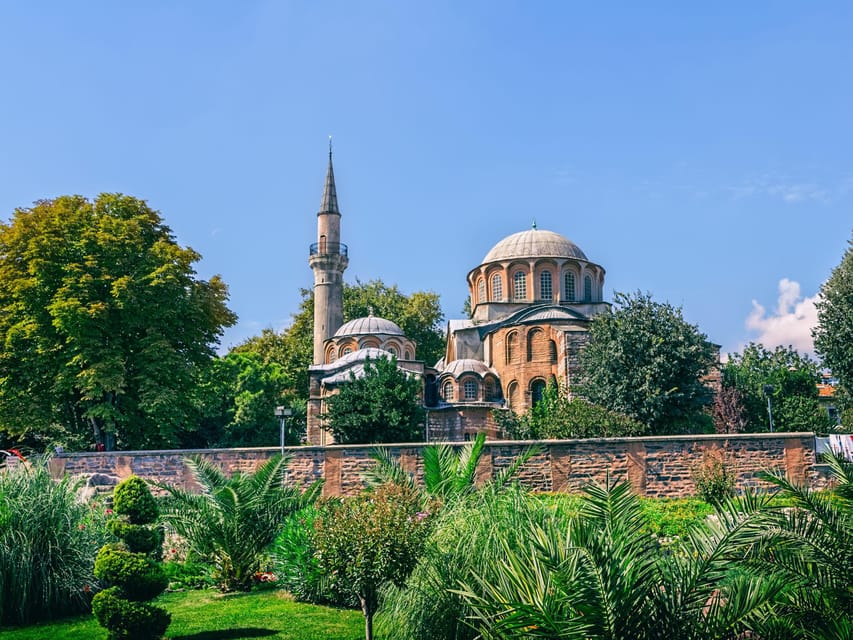
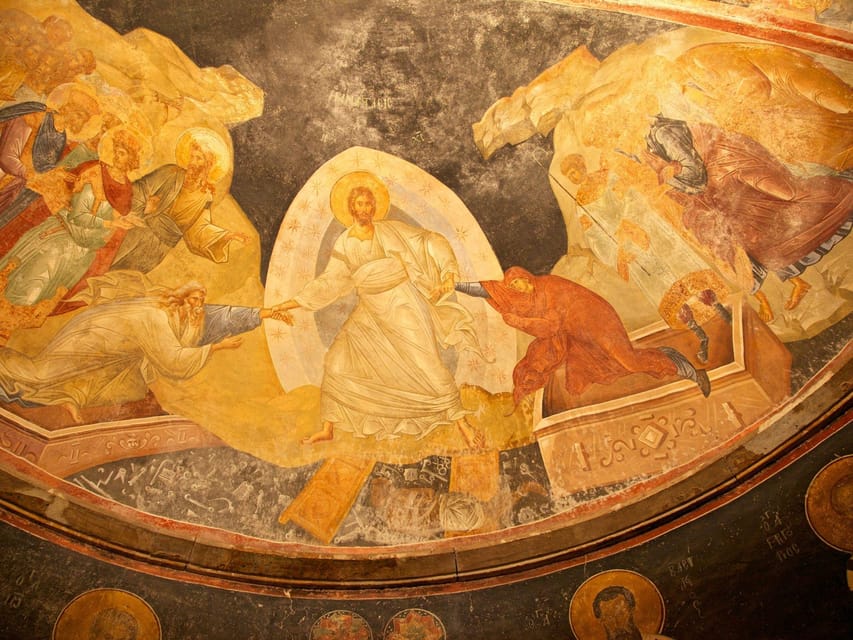
Chora Church Museum sits in Istanbul’s Edirnekapı district, and it is one of those sites where the building itself is the lesson. Originally tied to a monastery complex, the church dates back to the 4th century. The big artistic boom came during a major reconstruction in the 14th century, when the famous mosaics and frescoes were created at what is often described as the peak of Late Byzantine art.
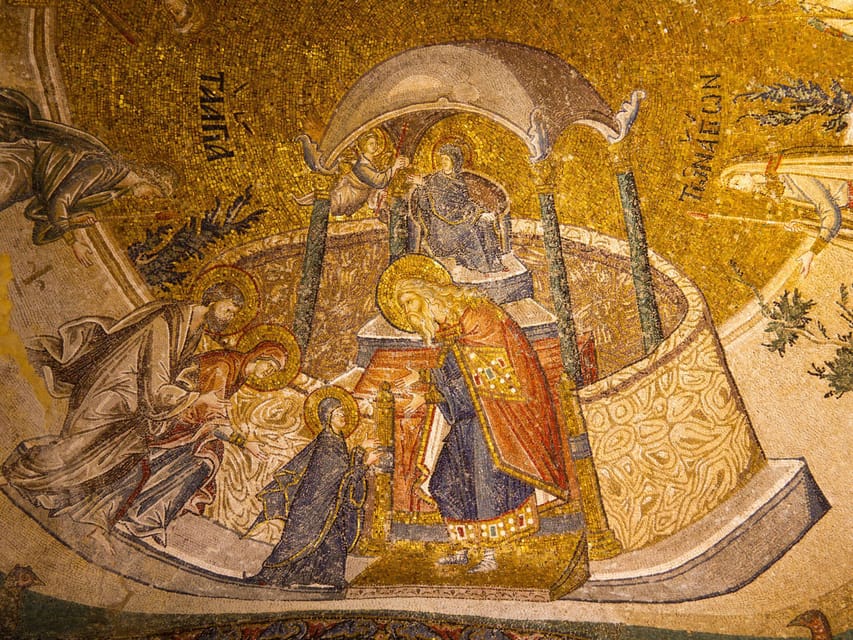
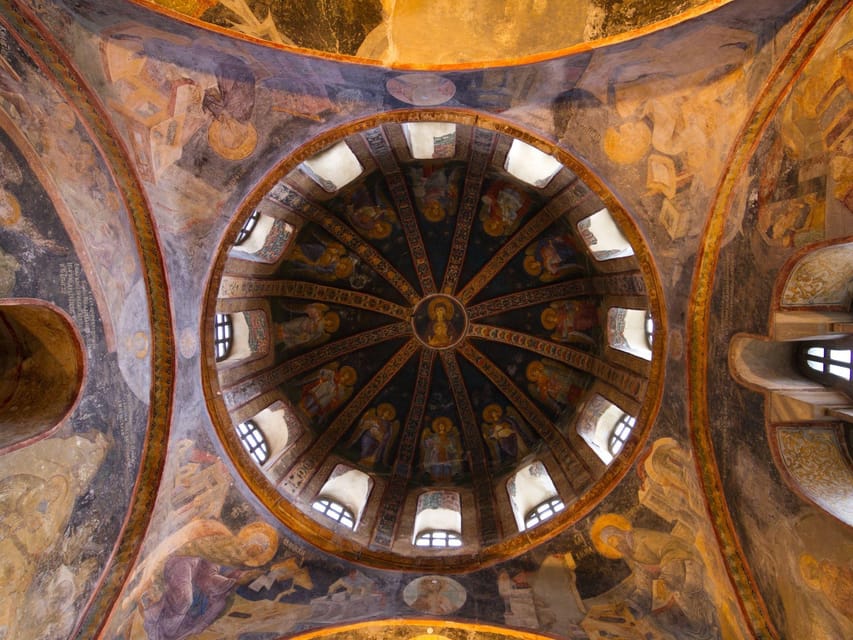
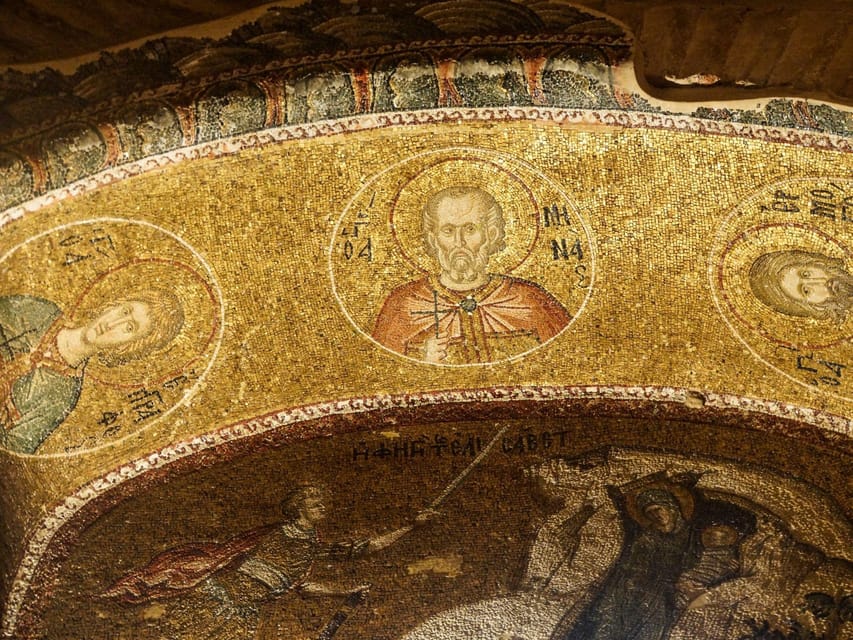
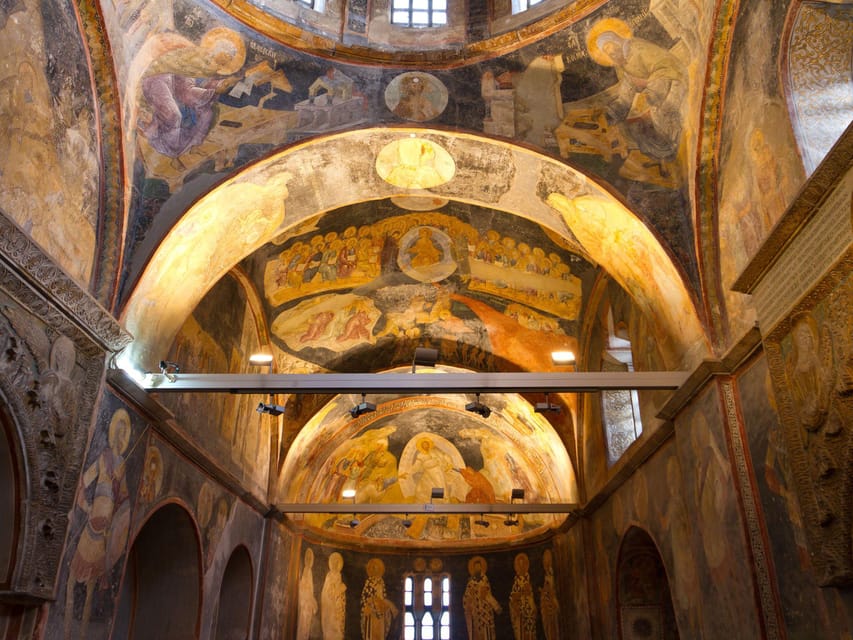
The art is the star: vibrant wall and ceiling mosaics and frescoes with scenes from the Bible and the lives of saints. There is also lots of fine Byzantine ornamentation, with colors and details that reward close looking. If you have ever wished museums could show you how people actually lived and believed, this is the kind of place that answers that question without needing a lecture.
Then comes the twist that makes the visit more than an art stop. During the Ottoman period, the building was converted into a mosque. Some Christian elements were covered or altered in line with Islamic traditions at the time. Today, you get a rare, on-site look at layers of religious and cultural history, all in one complex.
More Istanbul tours and experiences for the shortlist



Getting in faster with QR skip-the-line, and what can still slow you down
This experience is built around skip-the-line entry with an online QR ticket for the Chora Museum. In theory, that means less time waiting just to purchase or confirm your admission.
In real life, the useful thing to know is this: you still cannot skip security lines. The provider is very clear that security is mandatory for everyone. They also note there could be a line at the entrance, even with skip-the-line ticketing. So, think of this as “skip the ticket line,” not “walk right in.”
Here is the practical way to play it:
- Plan to arrive with buffer time, especially if you are visiting near your museum opening window
- Keep your entry QR ready on your phone, and make sure you can access the email you used to get it
- Expect that security checks can be the same regardless of ticket type
One booking issue shared in the feedback is worth taking seriously. One person reported that the codes they received were not accepted, so they ended up buying tickets on site to avoid losing their group connection. Even though your entry should be handled through QR, the best preparation is to confirm your QR codes work before you reach the door, and have internet access on arrival if possible.
Audio guide in 25 languages: how it helps you read the mosaics
The audio guide is included, with availability in 25 languages. The list is broad and specific: English, German, Russian, Persian, Arabic, French, Italian, Chinese, Dutch, Spanish, Hindi, Romanian, Ukrainian, Korean, Turkish, Bulgarian, Polish, Swedish, Japanese, Indonesian, Greek, Hungarian, Portuguese, Urdu, and Croatian.
What you gain from audio here is simple. The mosaics and frescoes can look stunning but still feel “busy” unless you know what story you are seeing. The guide is designed to connect those images to what they represent, and it also supports the museum’s larger narrative about the church-to-mosque transition.
A smart way to use it is to avoid listening nonstop. Start the audio guide when you enter a section, listen for a few minutes, then turn it off and look with your eyes. That back-and-forth helps the details stick.
Also, there is one caution from feedback. One booking said the audio guide link email was missing when they arrived, but they still had QR codes inside the museum area. If that happens to you, do not panic. Look for any on-site QR prompts mentioned in your materials, and check your inbox for the audio guide link email sent separately.
A second useful detail from feedback: one person reported that Italian audio was available even though the language list looked inconsistent for their booking. That is a good reminder that your actual audio options are tied to what you receive in your email, so treat your confirmation message as the source of truth.
Inside the museum: what you will actually spend time looking at
Because this is a self-paced entry, you control the rhythm. The museum’s main draw is the artwork, and it is the kind of art that makes you want to move slowly.
Here is what you can expect as you explore:
- Byzantine mosaics and frescoes covering walls and ceilings
- Scenes from the Bible and the lives of saints, presented visually through careful iconography
- Intricate Byzantine design patterns that mix with the story panels
- A physical sense of the building’s changing identity over time, including how certain elements were covered or altered when the Ottoman era conversion took place
If you like art that has layers, this place is especially rewarding. You can stand in front of a mosaic and think, this was made for a church moment. Then you can look for the places where the building’s later function shaped what you can see today. Even without a guided lecture, the transformation theme helps you interpret the museum as more than decoration.
One of the reasons this matters for your visit is that the Chora Museum is often compared with other major Istanbul highlights. That comparison only works if you understand the difference in experience. Hagia Sophia-style mega-scale can overwhelm you. Chora rewards your attention. It is more about focus than sweep. If your brain enjoys reading details, you will likely be happy you chose it.
Edirnekapı logistics: how to reach the museum without stress
The museum is in Edirnekapı, and you have a few practical public transport options.
Most straightforward: take the T4 tram line to Edirnekapı station, then walk to the museum entrance. It is a short walk from there.
If you prefer buses, several lines stop nearby, including 31E, 37E, 38E, and 36KE. These are useful when your hotel is easier to reach by bus than by tram.
From the Asian side, you can use ferries to reach the European side. Ferries from Kadıköy or Üsküdar to Eminönü can help you connect to the tram line or nearby buses.
My advice: pick the route that minimizes transfers. You are going to be standing and walking inside the museum. The smoother your trip to the entrance, the more likely you are to start on time with your QR ready.
You can also read our reviews of more guided tours in Istanbul



Price and value: is $35 for skip-the-line plus audio worth it?
At $35 per person and a self-paced format for 1 day, you are paying for two concrete things: entry that should reduce ticket-line hassle, and an audio guide in many languages.
So the value question is not just “Is $35 high?” It is “What do you gain versus buying on arrival without the bundle?”
You gain:
- Time savings at the ticket step, which can matter in Istanbul
- A structured, multilingual explanation while you look at mosaics and frescoes
- No need to coordinate with a guide schedule, since you can explore at your own pace
What you do not gain:
- A human guide doing live interpretation
- Total certainty that you will avoid all lines, since security still happens for everyone
Given the museum’s artistic intensity, the audio guide part can make the ticket feel more meaningful. If you are the type who wants context, $35 can feel fair. If you already know the stories and you hate audio guides, you might question whether you would prefer a cheaper ticket route. But for most first-time visitors, the audio support is exactly what turns impressive images into memorable understanding.
Also, pay attention to possible restoration effects. One feedback note said they had to give up visits on two separate occasions because the church closed due to restoration works, and returning was still worth the trip. You cannot fix that risk with pre-booking, but you can reduce the surprise by checking the latest status the week you go.
Who this works for, and who might prefer something else
This is a strong fit if:
- You love Byzantine mosaics and frescoes and want to take your time
- You want audio in your language rather than relying on basic signage
- You prefer independence over joining a group
- You are interested in the site’s big transformation story, from church to mosque
It may be less ideal if:
- You want live commentary that adapts in real time
- You are arriving without the ability to access your emails and QR codes
- You are visiting on a Friday, since the museum is closed to visitors on Fridays
If you fall into that last category, do not treat this as flexible. You are better off swapping your day than gambling on a workaround.
My take: should you book the skip-the-line entry?
If your priority is artwork and self-paced looking, I think this booking makes sense. The combination of skip-the-line QR entry plus a 25-language audio guide targets the two main friction points for independent visitors: finding your entry quickly and understanding what you are seeing once you’re inside.
Just go in with the right expectations. Security cannot be skipped. You still need the QR and audio guide link delivered by email, and you should keep your phone charged. And while most visits should be smooth, the feedback includes a couple of edge cases like QR acceptance problems and a missing audio link email.
Final verdict
Book this if you want a practical way to see Chora Museum at your own pace, with strong support from audio and less time wasted at the ticket stage. Skip it, or at least reconsider your plan, if you are visiting on Friday or if you do not feel comfortable managing emailed QR codes on arrival.
FAQ
What is the Chora Church Museum, also known as?
It is known as the Chora Church Museum and the Kariye Mosque. The site is famous for its Byzantine mosaics and frescoes and its history, including conversion from a church to an Ottoman mosque.
Is the museum open every day?
No. Chora Museum is closed to visitors on Fridays. Audio guide access is available on other visiting days.
What languages are available for the audio guide?
The audio guide is available in 25 languages: English, German, Russian, Persian, Arabic, French, Italian, Chinese, Dutch, Spanish, Hindi, Romanian, Ukrainian, Korean, Turkish, Bulgarian, Polish, Swedish, Japanese, Indonesian, Greek, Hungarian, Portuguese, Urdu, and Croatian.
How do I get the QR entry tickets and audio guide link?
You receive both your entry ticket QR codes and your audio guide link via separate email from the supplier (Istanbul Tourist Pass).
Can I skip security lines with this skip-the-line ticket?
No. You cannot skip the security lines. There could still be a line at the entrance, and security is mandatory for all visitors.
How can I get to the museum in Edirnekapı?
You can take the T4 tram line to Edirnekapı station and walk from there. Several buses also stop nearby, including 31E, 37E, 38E, and 36KE. From the Asian side, ferries to Eminönü from Kadıköy or Üsküdar can help you connect to the tram or buses.
More Guided Tours in Istanbul
More Tickets in Istanbul
More Tour Reviews in Istanbul

Not for you? Here's more nearby things to do in Istanbul we have reviewed







More Museums to consider.
 ★ 3.7Hagia Sophia Skip-the-Line Ticket & Museum OptionFrom $334,958 reviews
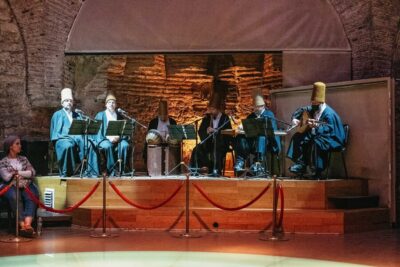 ★ 4.4Hodjapasha Whirling Dervishes Show & ExhibitionFrom $324,790 reviews
 ★ 4.1Topkapi Palace & Harem Museum Ticket & Audio GuideFrom $613,977 reviews
★ 4.0Istanbul Hodjapasha Whirling Dervishes Show & ExhibitionFrom $32503 reviews
★ 4.1Topkapi Palace & Harem Museum Ticket & Audio GuideFrom $613,977 reviews
★ 4.0Istanbul Hodjapasha Whirling Dervishes Show & ExhibitionFrom $32503 reviews
 ★ 4.7Topkapi Palace and Harem Museum Tour with TicketFrom $94247 reviews
 ★ 4.0Official Museum Pass for 12 Most Popular MuseumsFrom $124181 reviews
 ★ 4.5Hagia Sophia Mosque and Museum Skip-The-Line ComboFrom $59136 reviews
 ★ 4.1Museum of Illusions TicketFrom $2083 reviews
Other ways to explore Istanbul