
Review · HALF-DAY
Crossroads of Humanity: Istanbul Half-Day Tour
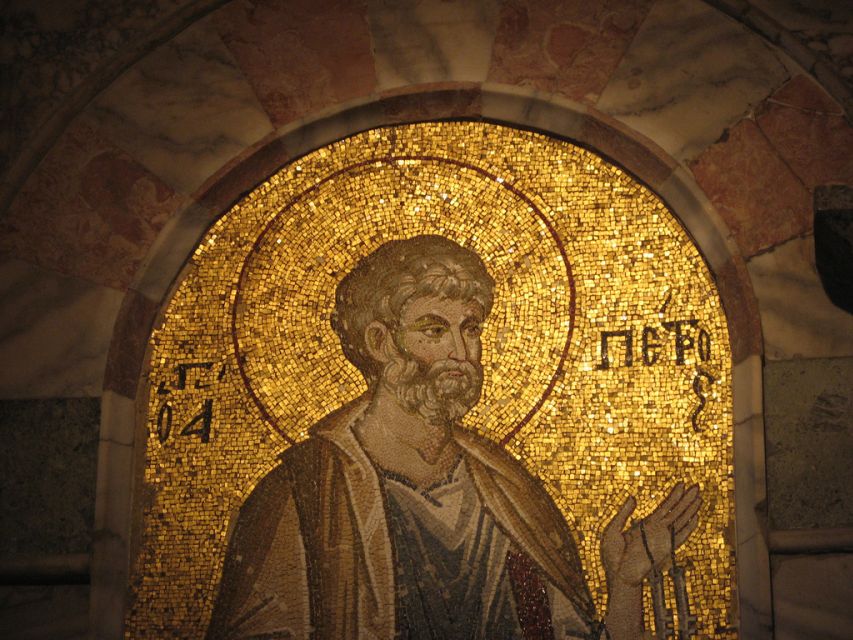
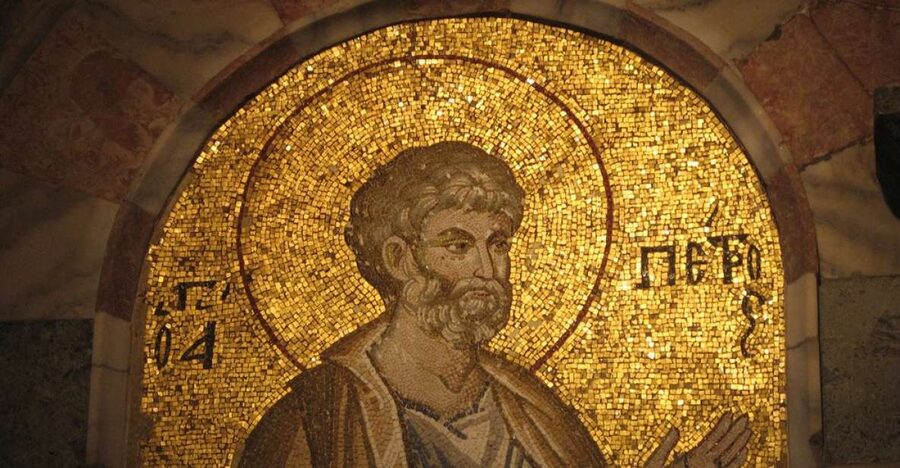
Istanbul turns churches into a time machine. This private half-day tour strings together the most vivid physical clues of Christianity’s early and Byzantine chapters, right inside today’s city life. I particularly love how the route mixes big-name sites with lesser-seen spaces like monastic complexes and hospital-like areas. You’ll also like the photo-friendly Byzantine architecture, especially the mosaics and domed details at Chora. One drawback to keep in mind: St. Chora is closed on Wednesdays, so your guide will need to adapt the plan.
Because it’s private with A/C transport and a live guide (English or Spanish), you get a more personal, talk-through-the-details pace than a bus tour. I also like that the tour includes museum entry and donation time, so you’re not juggling tickets or wondering what counts. If you’re visiting quickly and want a concentrated Christian-focused overview of Istanbul’s past, this is a strong fit.
Key things to know before you go
- Private 4-hour format that still hits multiple major Byzantine sites
- St. Chora’s Wednesday closure can change the stop order
- Fener to Balıklı gives you a clear geographic arc from power to prayer to miracles
- Skip-the-ticket-line plus included museum entry saves time
- Live guide in English or Spanish helps you read what you’re looking at
Why Fener to Balıklı feels like Istanbul, not a museum walk
Istanbul can feel like one long argument between old and new, but this tour keeps the focus on the older layer that shaped how Istanbul worshipped, learned, and built. You’re not just seeing buildings. You’re getting stories tied to specific spots, like why Constantine’s policies mattered and how emperors and patriarchs used holy places.
You’ll move through districts where Christian history collided with empire and politics. That’s the real value here, the way the tour helps you connect the dots between doctrine, architecture, and everyday institutions.
And yes, you’ll take photos. The mosaics at St. Chora and the church design at St Sergius and Bacchus are the kind of visuals that make you stop, look up, and start noticing patterns.
More Istanbul tours and experiences for the shortlist

Starting at the Patriarchate at Fener and Constantine’s big shift
The tour kicks off at the Patriarchate at Fener, the heart of Orthodox Christianity in Istanbul. Your guide sets the stage by explaining how Constantine the Great declared Christianity the religion of the Roman Empire, then shifted the church’s seat to Istanbul. It’s the kind of context that turns a place name into a real turning point.
This stop also matters because it explains why Istanbul became a center. Without this framing, later stops can feel like scattered ruins. With it, you start seeing a network of power, faith, and architecture.
Practical note: this is a thinking stop more than a wander stop. You’ll likely spend most of the time listening and looking closely rather than roaming.
Panagia of Blachernae and the story behind Hagiasma
Next you’ll visit the Church of Panagia of Blachernae, famous for the Hagiasma, the fountain of holy water. It’s said the water could cure health problems, and the tour explains that even an emperor came there for cleansing. Whether you treat that as miracle lore or cultural history, it’s a powerful example of how belief shaped where people went.
This is where the tour’s theme really clicks: Istanbul didn’t just preserve faith in stone, it organized daily spiritual life around specific holy sites. The architecture and setting matter because they helped pilgrims and emperors agree on what was sacred.
Drawback to anticipate: the “holy water” concept is story-driven. If you prefer purely architectural sightseeing, you might find the miracle talk less of a thrill. Still, it’s hard to separate the building from what people believed it did.
St. Savior in Chora (Kariye Museum), mosaics that explain Byzantine art
Then comes one of the standout locations on this route: St. Savior in Chora (Kariye Museum). This former Byzantine monastery dedicated to Jesus is where you can see beautifully preserved mosaics and frescoes, the kind that show you how Byzantine artists used color and detail to teach doctrine.
This stop is also visually efficient. In a short time, you can understand what makes Byzantine decoration so effective: faces, borders, and scenes designed to guide your eye. If you like art that feels narrative, you’ll enjoy how the images work like a visual storybook.
One key consideration: St. Chora is closed on Wednesdays. If your visit lands on a Wednesday, ask your guide ahead of time how they’ll adjust the sequence, because this stop is one of the main reasons the tour feels full.
Zeyrek Pantocrator, when churches came with a whole support system
After Chora, you’ll head to Pantocrator (Zeyrek), a labyrinthine complex with churches, funerary chapels, baths, a hospice for the aged, and even a hostel for travelers arriving today. That mix is the point. Byzantine religion wasn’t only about liturgy. It was also about institutions that served bodies and communities.
Your guide’s job here is to help you navigate what you’re seeing, because complexes like this can feel confusing fast. The value is that you’ll learn how architecture reflected roles, from burial practices to care for vulnerable people.
Photo tip: look for transitions between spaces, not just the big church areas. In complexes, the “in-between” parts often show the most about how people lived.
Fethiye and St. Mary Pammacaristos ruins from the Paleologan Age
Moving toward the water, you’ll reach the remains of the Church of St. Mary Pammacaristos (Fethiye). These 11th-century ruins highlight the aesthetic refinement of the Paleologan Age, and your guide also notes that the patriarchate used the area after conquests.
Ruins can feel like a letdown if you expect a finished building. Here, that’s not a problem because the tour explains what you’re looking at and why refinement shows up even in fragments. You start reading the structure like evidence, not like disappointment.
Another benefit: this stop slows the tour down emotionally. After mosaics and complex life, seeing ruins reminds you that Istanbul’s Christian story has chapters of loss, rebuilding, and adaptation.
Balıklı, Zoodochos Pege, and the underground cistern of gold fish
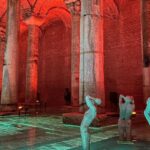
At Zoodochos Pege at Balıklı, the focus shifts to a miracle-linked space that feels almost storybook. The site includes an underground cistern filled with gold fishes, tied to a miracle of fishes. Your guide explains the association, and you’ll likely find the setting instantly memorable because it feels hidden and unusual.
This stop also gives you a break from heavy visual scanning. Instead of hunting for details, you can settle into the atmosphere of a specific kind of holy encounter, one that’s tied to water, legend, and refuge.
If you’re curious, ask your guide how the miracle story affected devotion here. Even if you don’t treat miracle claims as literal, the cultural impact is part of the architecture of the place.
St Sergius and Bacchus, the “prequel” feeling before Hagia Sophia
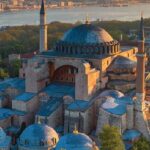
To wrap up, you’ll visit St. Sergius and Bacchus, a major example of Byzantine architecture. The tour notes that people often describe it as looking like a miniature Hagia Sophia, and that idea makes sense once you start comparing how the spaces are shaped.
This stop is the architecture-lover’s reward. It’s one thing to hear names like Hagia Sophia. It’s another to see a related design language in a smaller package, where you can notice how features connect.
Small caution: because you’re already seeing multiple churches and mosaics, this final architectural punch can blend into the background if you don’t pause. I recommend you take a few extra seconds to look up and then re-look at the entrance area, so you absorb the whole “space design” rather than just one detail.
How the 4-hour schedule actually works in your day
This tour is 4 hours, but factor in the time it takes to meet and travel. The pickup shuttle takes 45 to 60 minutes, and free shuttle pick-up is offered between 08:00 and 09:00 or between 13:00 and 14:00 depending on your booking and hotel location. So your true sightseeing time might feel closer to a half-day of focused stops rather than a long, relaxed stroll.
That said, the order makes practical sense. You start with power and patriarchal roots at Fener, work through key churches and monastic art at Chora and Zeyrek, then move toward Balıklı and the water area. It’s a logical arc that reduces backtracking.
You should also know this is set up for pace with guidance. You skip the ticket line and you have private A/C transportation, so you spend less time waiting and more time interpreting what’s in front of you.
Price and value: is $354 per person fair?
At $354 per person, this isn’t a budget outing. The best way to judge value is to look at what’s included: private A/C transportation, museum entry, donations to churches, parking, and VAT at 18%, plus a private guide in English or Spanish. You’re also getting a skip-the-ticket-line experience, which matters when you’re trying to fit multiple stops into a tight window.
For a half-day that covers several major sites tied to Christianity in Istanbul, you’re mostly paying for two things: expert interpretation and reduced logistical friction. If you’re traveling as a couple or small group and want a guided “greatest hits” route without wasting time on tickets and transfers, that price can feel reasonable.
If you’re a solo traveler trying to squeeze costs, you might prefer self-guided visits plus a single targeted museum visit. But if you want your questions answered on the spot, the private format makes sense.
The private guide effect, and what good guiding changes
A tour like this lives or dies by the guide’s ability to explain context quickly and clearly. One highlight from real-world experience with this provider is that guides can be calm, patient, and comfortable answering the kind of questions that come up when you see centuries of art and faith in a single morning. I like that because it keeps the tour from becoming a rush-through checklist.
You’ll get help reading what you see, like how mosaics communicate themes or how a complex like Pantocrator could contain multiple functions at once. That interpretive layer is what makes the stops feel connected, even when the architecture is fragmented.
Also, having a live guide means you can adjust on the fly if timing changes. That’s especially important because St. Chora is closed on Wednesdays.
Who this suits best, and who might not love it
This tour is ideal if you want a focused Christianity and Byzantine architecture route in a short time. You’ll enjoy it most if you like explanation, religious art, and the physical links between empire and faith.
You might not love it if you want lots of free time to wander independently, or if you’re allergic to any discussion of miracle traditions. This tour includes those stories because they are part of how people understand these places.
It also fits well for people who appreciate comfort. The A/C transportation and private format help keep the half-day manageable, especially if your Istanbul days already feel packed.
Should you book this tour?
I’d book it if you want a guided, high-meaning overview of Istanbul’s Christian past, with enough structure to keep you oriented. I’d also book it if St. Chora mosaics are a priority, just plan around the Wednesday closure.
Skip or consider alternatives if you’re mainly chasing broad sightseeing and you prefer to set your own pace with minimal guided context. The architecture here is meaningful, but it’s still a “guided thesis” tour, not a purely casual walk.
If you do book, come with a short list of questions, like how Byzantine architecture reflected power, or why certain sites became pilgrimage magnets. With that mindset, the half-day can feel like more than four hours.
FAQ
How long is the Istanbul Half-Day Tour?
The duration is 4 hours.
Where does the tour start?
The tour begins at the Patriarchate at Fener.
What’s included in the price?
It includes private A/C transportation, donations to churches, museum entrance fees, private guiding in your chosen language, parking, and VAT (18%).
Do I need tickets for the sites?
You get help skipping the ticket line, and museum entrance fees are included.
Is pickup included, and where does it work?
Free pickup is included from centrally located Istanbul hotels. If your hotel is not accessible, your supplier will suggest an alternative meeting point.
What time does the free shuttle pickup run?
Free shuttle pickup is offered between 08:00 and 09:00 or between 13:00 and 14:00, and it takes 45 to 60 minutes.
Which languages are available for the guide?
The live guide is available in English and Spanish.
What should I bring?
Bring your passport or ID card.
Is St. Chora open every day?
No. St. Chora is closed on Wednesdays.
What is the cancellation policy?
Free cancellation is available up to 24 hours in advance for a full refund.
More Half-Day in Istanbul

More Tours in Istanbul


More Tour Reviews in Istanbul
Not for you? Here's more nearby things to do in Istanbul we have reviewed



More Half-Day to consider.
 ★ 4.9Fener Balat Half-day Guided Walking TourFrom $201,711 reviews
 ★ 4.0Half-Day Bosphorus Cruise to Black Sea from Istanbul with LunchFrom $120187 reviews
 ★ 4.5Morning Istanbul: Half-Day Tour with Blue Mosque, Hagia Sophia, Hippodrome and Grand BazaarFrom $141103 reviews
 ★ 4.6Eurasia Bike & Boat Half-Day TourFrom $9491 reviews
 ★ 3.6Half-Day Cruise and Cable Car to Pierre Loti HillFrom $5165 reviews
 ★ 3.5Imperial Istanbul Half-Day Tour: Hagia Sophia and Grand BazaarFrom $11064 reviews
 ★ 3.5Istanbul Two Continents Half-Day Afternoon tourFrom $9054 reviews
 ★ 4.2Hagia Sophia & Blue Mosque Half-day Guided, Small Group TourFrom $2529 reviews
Other ways to explore Istanbul