
Review · ISTANBUL WALKING TOURS
Bohemian Istanbul: Fener and Balat’s Charm-Private Walking Tour
Fener and Balat hit you with real neighborhoods, not just postcards. This private 5 hour walk blends late-antiquity walls with active churches and synagogues, then ends in parts of Istanbul that still feel lived in. I especially like the small group setup, and I love how an expert guide turns scattered sights into one clear story you can actually remember.
The best part is the focus on authenticity, from the Hagiasma fountain tradition to the strange, fascinating engineering of St Stephen of the Bulgarians Church. I also like that many stops are free to enter, so your money goes mostly to guidance and time, not ticket fees.
One drawback to plan for: you’ll do serious walking, including steep hills. If you prefer flat strolls, this route can test your legs fast.
Key highlights you should care about
- Private group, up to 8, so you can ask questions without a crowd rushing you.
- Expert guide with standout communication, including photo taking and sharing after the tour (when your guide is the one known for it).
- Theodosius Land Walls, Hagiasma traditions, and Tekfur Palace in one connected route.
- Cast iron St Stephen of the Bulgarians Church, with a shipping story that sounds almost unreal.
- Fener and Balat neighborhoods, where vintage shops, old wooden houses, and churches mix side by side.
Why this Fener and Balat walk feels different from most Istanbul tours
Istanbul gets packaged a lot. This tour instead works like a neighborhood stroll with a proper backbone, starting at huge historical walls and then moving into working religious communities. You get the must-see names, but you also get the feel of daily life in streets where people still pray, study, and run errands.
What makes it worth your time is the pacing and the guide attention. Even when a stop is “just” a church or compound, you’re not left staring at stone and guessing what you’re looking at. An expert explains what you see, why it matters, and what details to notice as you walk past.
You also get a practical structure. The route is built around specific stops with set time blocks, so you can mentally track where you are in the day. That matters on a walking tour because Istanbul can otherwise blur into “so many steps, so little context.”
You can also read our reviews of more walking tours in Istanbul



Starting with the Theodosius Land Walls, 5th century power
The day begins at one of late antiquity’s heavy hitters: the Theodosius Land Walls. These walls were built in the 5th century during the early reign of Emperor Theodosius II, and they held up against attacks all the way until 1453. That’s not a trivia fact to toss off, it’s a framing device for everything else you’ll see.
Here’s why this start works. You get a sense of how Istanbul was protected and how the city’s later story grows out of earlier defenses. When you move from the walls into the churches nearby, the setting makes more sense, because you can picture the geography of the old city in your mind.
This is also a smart choice for energy planning. You’re not already deep into steep climbs before the tour finds its rhythm. You get a big visual moment early, which helps the rest of the day feel like progress.
Vlaherna Meryem Ana Church and the Hagiasma fountain tradition
Next comes Vlaherna Meryem Ana Church, located near the northern tip of the Theodosius walls. The church was built by Empress Pulcheria and her husband, Emperor Marcian, and it’s known for the Hagiasma, the fountain of holy water tied to the Virgin Mary tradition.
The key detail to listen for is how the Hagiasma works in belief and design. Water is described as flowing out of the hands of a marble statue of the Virgin Mary. Even if you’re not religious in a formal way, it’s a powerful example of how art, architecture, and ritual show up in the same spot.
You’ll typically have around 45 minutes here, and you’ll feel why that timing fits. You need a bit of space to look around, absorb the context, and then keep moving without rushing.
Ahrida Synagogue: one of the city’s mosaic masterpieces
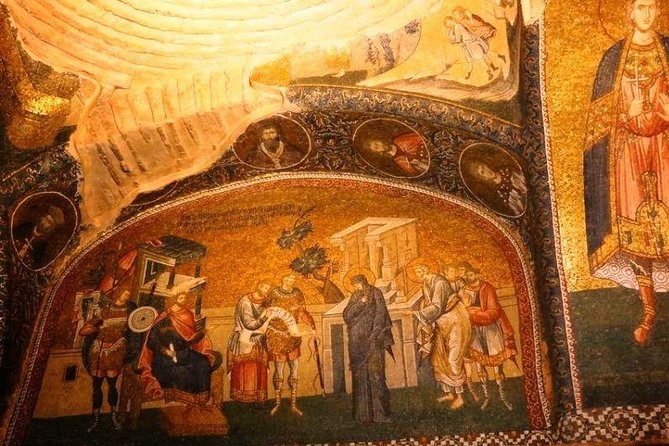
Istanbul hides many religious communities in plain sight, and Ahrida synagogue is a great example. It dates back to the early 15th century and is noted for its mosaic work, which shows up as a kind of visual language rather than just decoration.
This stop is especially useful if you like understanding how different faith communities left cultural fingerprints across the same city. The synagogue doesn’t sit in a vacuum. It’s part of the broader story of Fener and Balat as places where communities lived close together over centuries.
Practical note: many religious sites are best visited with a calm mindset. You’ll get more out of it if you slow down for a few minutes and really look at the surfaces, not only the overall building.
St Stephen of the Bulgarians Church: the cast iron shipping story

Then comes one of the most unusual churches on the route: St Stephen of the Bulgarians Church, also called Sveti Stefan. This building is famous because it’s made of cast iron slabs, and the logistics of how those pieces arrived are the story.
The slabs were poured in Vienna, then floated down the Danube River, crossed the Black Sea, passed through the Bosphorus, and finally were mounted on site. That’s the kind of transportation detail that sounds unbelievable until you realize how global the material supply could be even centuries ago.
You’ll usually get about 45 minutes here, which is enough time to appreciate both the design and the larger message. It’s not just a pretty church. It’s a snapshot of engineering and trade reaching into a place that also cares deeply about worship.
You can also read our reviews of more private tours in Istanbul




The Red School and the Greek Orthodox education legacy
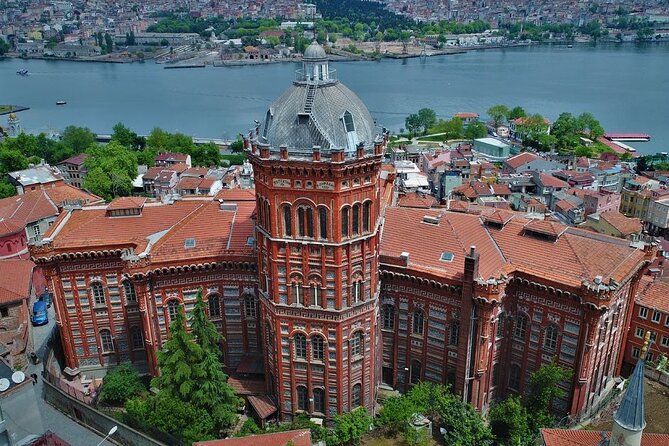
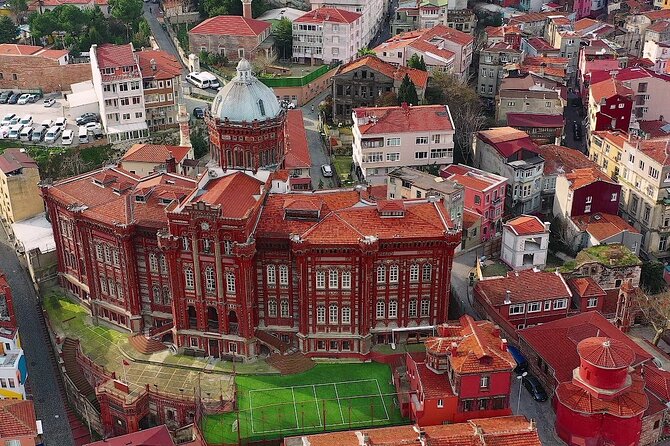
The route also includes a Greek Orthodox school building known as the Red School. It’s one of the remaining Greek Orthodox schools in the city, and it historically educated children from prominent Greek and Bulgarian families of the Ottoman Empire.
Why this stop matters: education buildings are often ignored on sightseeing routes, but they help you understand how communities functioned day to day. Religious landmarks explain faith, while schools explain continuity. They show how traditions were passed along.
In terms of what you’ll actually see, expect a standout exterior that feels striking in its surroundings. You’re given time to look closely and appreciate the architectural mismatch, because that’s often the point with these older neighborhood institutions.
Fener and Balat neighborhoods: churches, houses, and street life
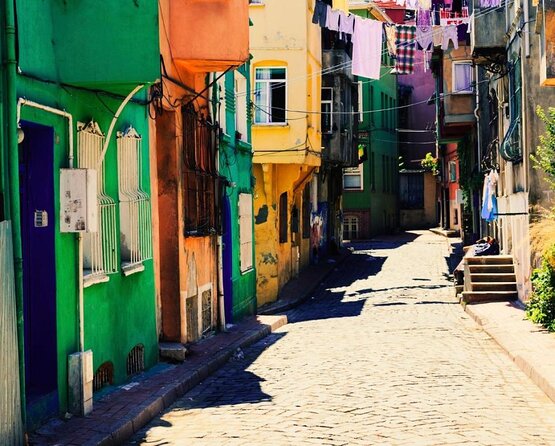
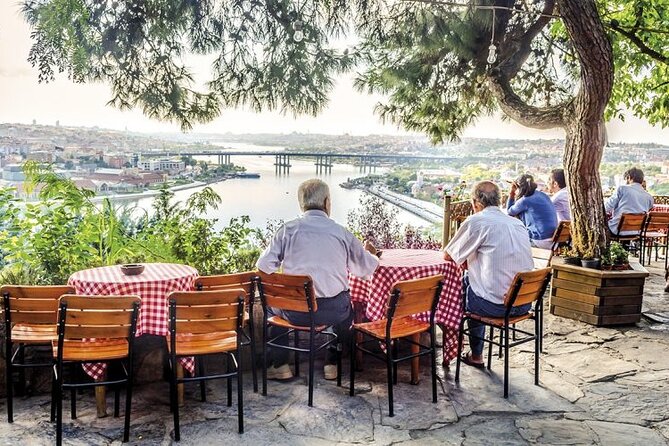
After the big named sites, you’ll spend about an hour in Fener and Balat itself. These neighborhoods used to be Greek Orthodox and Jewish areas, and today they’re known for colorful old wooden houses, churches, and a noticeable creative scene with vintage stores and designer cafés.
This is the “human scale” portion of the day. If the first part of the tour is about monuments and faith architecture, this part is about how those institutions sit inside regular streets. You get to see the contrast between historic compounds and the way people live around them now.
This is also a good time to notice small details. Window shapes, door colors, and the mix of old stone and newer storefronts all help you understand the neighborhood’s rhythm. And it’s a chance to take photos without feeling like you’re sprinting between landmarks.
Fener Rum Patrikhanesi: the patriarchate as spiritual center
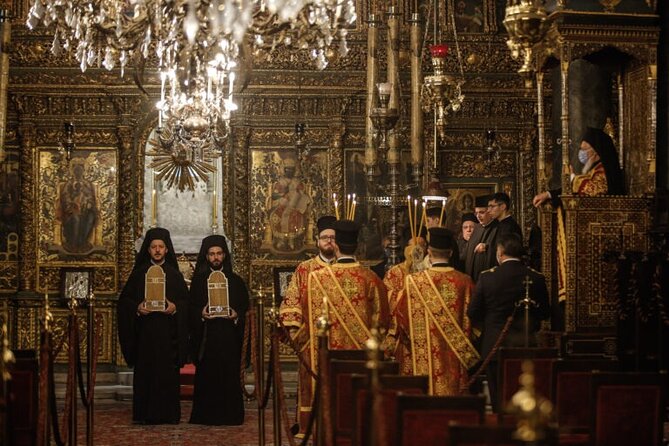
Next is Fener Rum Patrikhanesi, the Greek Orthodox Patriarchate Istanbul. It’s described as the spiritual center of the Greek Orthodox world since around 1600, and the compound behind the sea walls along the Golden Horn includes the Patriarchal Church of St George, built in the 19th century.
What I like about this stop is how it ties into the earlier parts of the day. You move from walls and local churches into a bigger institutional story. The guide will typically help you connect what you saw earlier to why this place became so important.
Plan for around 45 minutes. It gives you time to understand the layout and absorb the scale without feeling like you’re being rushed out the door.
Tekfur Palace inside the city walls, the Byzantine survivor
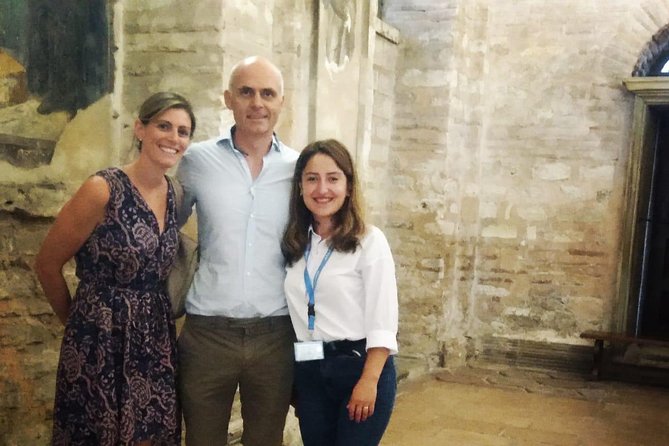
The day’s final heavyweight is Byzantine Tekfur Palace, described as the only surviving structure of Blakernia Palace. That palace complex was used mostly between the 11th and 15th centuries, and Tekfur Palace sits just within Istanbul’s city walls near Edirnekapı gate.
This is a standout stop for one main reason: it’s presented as the only Byzantine palace left standing in the world. Even if you don’t memorize that sentence, the physical presence can make the claim feel real. It looks like time has preserved it on purpose.
You’ll appreciate this more if you’ve already seen the walls earlier. By the time you reach Tekfur Palace, you’ll have that mental map: fortified edges, interior compounds, and the way power shaped where buildings were allowed to rise.
How the private format changes your day
This is a private tour for your group alone, with a group size up to 8. That changes the whole vibe. You can ask for clarification without worrying that you’re slowing a big bus of people down, and you can linger at the most interesting corners.
It also means your guide can adjust to your pace. If you’re the type who wants to stop for photos often, you won’t feel punished for it. In fact, one guide associated with this tour route is known for taking close to 60 pictures during the walk and sharing them afterward, which is a nice bonus if you like having a photo record you did not have to chase.
Pickup is offered from centrally located hotels in Sultanahmet, Sirkeci, Karakoy, and Taksim. For non-central hotels, the meeting point can be set by the guest after booking. Since transportation isn’t included, this pickup matters, because it reduces the friction of getting started and getting yourself positioned for walking.
Walking and comfort tips, because Istanbul hills do not care
This is not a sit-and-watch tour. Expect a lot of walking, and plan for steep hills. One of the most consistent pieces of real-world advice for this route is simple: wear proper shoes and bring water.
If you’re doing Istanbul in summer, you’ll want to time your hydration and shade breaks. Even in cooler weather, foot comfort matters, because the route is built around historic compounds that aren’t laid out for modern strollers.
Also bring a phone with enough battery for the mobile ticket. The tour includes a mobile ticket, so you’ll want to keep your device ready for check-in and any quick access needs.
Price and value: is $250 per group a fair deal?
The price is $250 per group (up to 8) for about 5 hours. That’s not “cheap” in the way of a big group bus tour. But it’s often a strong value because you’re buying three things that cost money in Istanbul: private guiding, focused time in a specific neighborhood, and a route that connects multiple major landmarks.
Skip-the-line priority for museum tickets is included. Now, several of the stops are described with free admission, so you may not hit ticket lines all the time. But the value still matters because you’re not stuck waiting around if you do run into a ticketed site during your day.
You should also weigh the benefit of a guide who knows how to explain details. This route has complex elements, like the engineering story behind St Stephen’s cast iron structure and the ritual background around the Hagiasma. Without that kind of explanation, you’d still see impressive buildings, but you’d miss the why.
What’s not included is lunch and museum tickets, plus transportation. That’s normal for a walking tour, but it affects your planning. Budget for a meal on your own after, and plan to rely on walking during the route.
Who this tour fits best
This is a strong fit if you want more than “see the sights” and you care about how different faith communities shaped this part of Istanbul. You’ll like it if you enjoy architecture, religious landmarks, and neighborhood texture in one day.
It’s also a good choice for groups who want privacy, like families or small friend groups. Because the tour is private, it works well for people who don’t want to navigate Istanbul without context.
If you have mobility limitations or you hate hills, consider another format. The walking load is part of the experience, and the geography is not flat.
Should you book Bohemian Istanbul: Fener and Balat?
Book it if you want a private, guide-led walking tour that connects landmark history to everyday neighborhood life. You’ll get clear time in major sites, plus time in streets where the area still feels like a real part of the city. The inclusion of museum skip-the-line priority is a nice safety net too, even if several stops are free.
I would not book it if you’re looking for a low-effort tour or you can’t handle steep hills. Also, if you want a car-based tour with minimal walking, this one’s design is the opposite.
If you’re the type who enjoys learning how Istanbul works, not just what it looks like, this route is a smart day.
FAQ
How long is the Bohemian Istanbul Fener and Balat private walking tour?
It runs about 5 hours (approx.).
What is the group size?
It is priced per group for up to 8 people.
Is the tour private?
Yes. It is a private tour, and only your group will participate.
What languages are available?
The tour is offered in English.
Are museum tickets included?
No, museum tickets are not included. Skip the line priority for museum tickets is provided.
Is pickup included?
Pickup is offered. You can be picked up from centrally located hotels in Sultanahmet, Sirkeci, Karakoy, and Taksim, and for non-central hotels the meeting point can be set after booking.
Does the tour include transportation during the day?
Transportation is not included.
Is lunch included?
No, lunch is not included.
Can this be done as a cruise shore excursion?
Yes, it can be operated as a shore excursion tour for cruise passengers from GalataPort.
What is the cancellation policy?
You can cancel for a full refund up to 24 hours in advance of the experience start time.
More Walking Tours in Istanbul


More Tours in Istanbul





More Tour Reviews in Istanbul


Not for you? Here's more nearby things to do in Istanbul we have reviewed






More Istanbul Walking Tours to consider.
 ★ 4.9Fener Balat Half-day Guided Walking TourFrom $201,711 reviews
 ★ 4.5Istanbul Highlights Small-Group Walking Guided TourFrom $1551,346 reviews
 ★ 4.9European and Asian Side Guided Foodie Walking TourFrom $1351,038 reviews
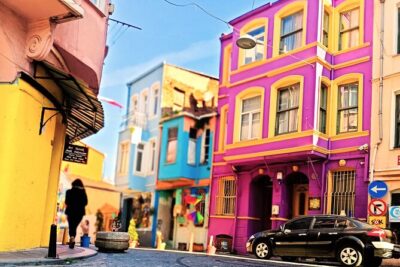 ★ 5.0Half day Fener-Balat Walking Tour in TurkiyeFrom $20308 reviews
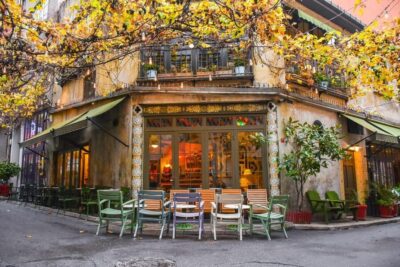 ★ 4.7Colorful Fener & Balat Walking Tour w/Expert GuideFrom $18234 reviews
 ★ 4.4Asian Side Walking Tour with Ferry RideFrom $29224 reviews
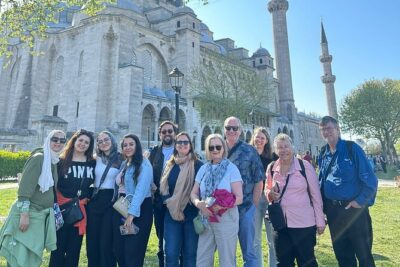 ★ 5.0Old Town Of Istanbul Orientation – Tip Based Walking TourFrom $18181 reviews
★ 4.4Istanbul Highlights Small-Group Walking Guided TourFrom $150179 reviews
★ 5.0Old Town Of Istanbul Orientation – Tip Based Walking TourFrom $18181 reviews
★ 4.4Istanbul Highlights Small-Group Walking Guided TourFrom $150179 reviews
Other ways to explore Istanbul