
Review · CAPPADOCIA TRIPS FROM ISTANBUL
Fire of Anatolia – Istanbul, Cappadocia, Pamukkale, Ephesus, Troy
I love a plan that actually covers distance without wasting it. This one lines up Istanbul to Gallipoli in just 11 days, with a professional English-speaking guide and included entrance fees, so you spend more time seeing and less time figuring out. I also like the small-group feel, capped at 20 travelers, and the way guide names like Irem, Göksu (G), and Fatih Karci keep popping up for smooth pacing in busy places.
Your biggest consideration is the pace. You’ll move fast between regions, and the tour asks for moderate physical fitness, especially on museum sites and uneven ancient ground in places like Cappadocia and Ephesus.
Key points that matter before you go
- A tight route across major highlights, without backtracking
- English-speaking guidance built for crowded sites and fast transitions
- Entrance fees and transfers included, so your budget stays predictable
- Domestic flight time built in, which helps you reach Cappadocia efficiently
- Small group size (max 20) for easier questions and smoother logistics
- Optional add-ons like a Bosphorus cruise or folklore night, if you want extra spice
Turkey in 11 days, minus the usual travel chaos
Turkey can chew up time. Istanbul alone can fill days, and Cappadocia plus the Aegean ruins can turn a relaxed trip into a sprint. This tour tries to solve that with a clear sequence: Europe to Asia, then central Turkey, then the west coast, and finally Gallipoli back near the start.
What you get in practical terms is a lot of the heavy lifting done for you. You have an air-conditioned vehicle for the land days, inbound and outbound airport transfers in Istanbul, and a guide to keep things moving with context. You also get meals included (10 breakfasts and 7 dinners are listed), which matters because it reduces the daily decision fatigue.
The pacing won’t suit everyone. If you want slow mornings, long lunches, and lots of free time for wandering at will, you may find yourself doing a lot of “see the main point, then move on” instead of lingering. That said, the itinerary is built around the highest-impact sights, so you’re not wasting days in places most people skip.
You can also read our reviews of more tours and experiences in Istanbul.
Istanbul orientation that actually gets you oriented
Istanbul is big, layered, and full of detours. The first full day on the ground is a guided hit list that covers the essentials without turning it into a checklist that feels pointless.
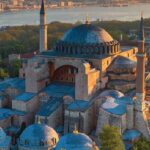
You start with Topkapi Palace area sights, and the plan includes Hagia Irene. Then you’ll see the Blue Mosque, St Sophia Museum, and the Hippodrome. Those are all landmarks people recognize from photos, but a guide helps you understand what you’re looking at, where power shifted, and why these buildings sit the way they do.
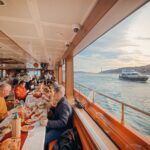
The next move is across the water, because Istanbul isn’t just a city, it’s a location between continents. You cruise between Europe and Asia on the Bosphorus, and there’s also an optional half-day Bosphorus cruise. If you’re the type who likes photos with context, this is where you’ll get them.
Practical advice: Istanbul gets busy fast. Wear shoes you can handle on uneven sidewalks, and if you’re sensitive to time under the sun, bring a light layer. You’re going to be outside more than you expect, even with scheduled museum stops.
Bosphorus ferry and the flight to Cappadocia, handled with timing
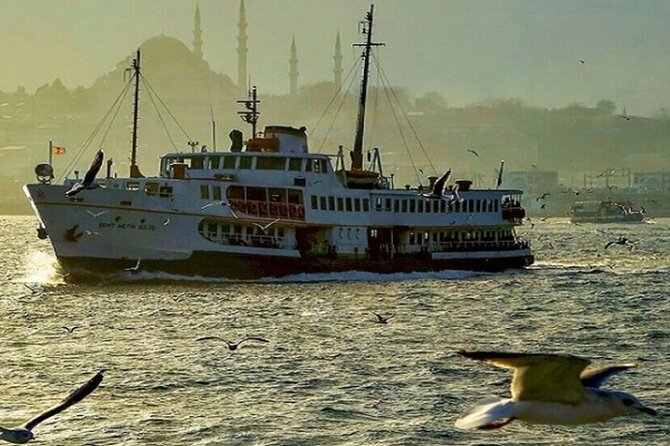
After breakfast, you cruise between continents and then do a one-hour Bosphorus cruise by public ferry. This is a nice detail because it’s not only a scenic ride, it also feels like real Istanbul public transport life. Your guide explains historical sites along the way, which makes the route feel more purposeful.
Then you pivot to logistics: a flight to Cappadocia. Having a domestic flight built in saves you from losing a full day to overland travel. When the itinerary does that, it usually means more time on the ground once you arrive, rather than paying for “travel days” with fewer sightseeing hours.
Once in Cappadocia, you’re transferred to your hotel and the remainder of the day is free. That free time is important here. Cappadocia evening plans vary widely, and even if you skip optional activities, you’ll want downtime after a travel day.
Cappadocia: Göreme Valley stops plus the underground-city experience
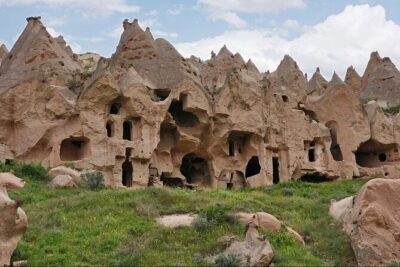
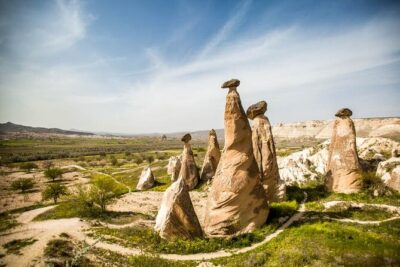
Cappadocia is where timing and expectations matter. You’re dealing with rock formations, lots of steps, and viewpoints that can be weather dependent. The core plan hits what most first-timers want: the Göreme Valley Open Air Museum, the fairy chimneys, and an underground city exploration.
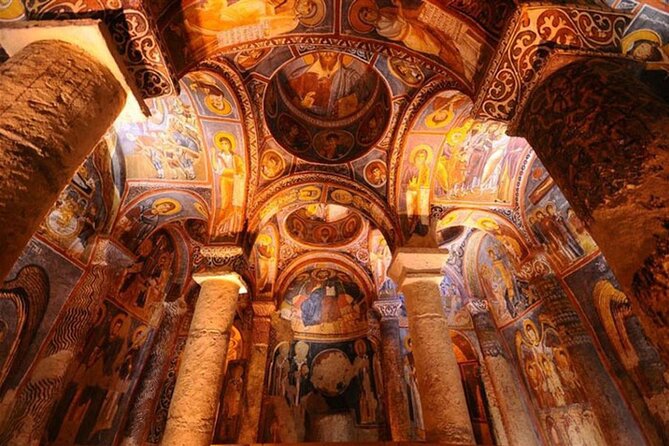
The open-air museum is a cluster of rock churches and frescoed spaces. It’s usually crowded, and what makes it work on a tour is that your guide keeps you from wandering around in circles and missing the key points. The underground city part is also the right choice for variety. It breaks up the photo stops with something more tactile and surprising.
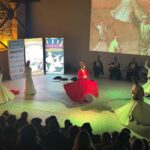
There’s also an optional Turkish folklore evening with folklore performances and belly dancers. Optional doesn’t mean “random.” If you’re curious about popular culture and want a lively contrast to ancient rock churches, it can be a fun night.
Practical advice: go in with the right shoes. Even if the route is guided, you’ll still deal with uneven ground and frequent walking. Also, if you’re prone to motion sickness, flights and vehicle transfers can pile up across the days, so pack what helps you feel steady.
Konya and Mevlana: Rumi at the museum, then Çatalhöyük nearby
Konya adds a different Turkey. Istanbul and the Aegean feel Mediterranean and maritime, while Konya sits in a spiritual and historical lane that’s easy to miss if you only chase ruins.
You’ll visit the mausoleum of Mevlana Celaleddin Rumi at the Mevlana Museum, including his tomb area and exhibits related to the Whirling Dervishes. Even if you don’t follow the tradition closely, it’s a meaningful cultural stop, and the museum setting helps explain why Rumi became such a global figure.
After that, the plan continues along the Silk Road idea with a stop at the Çatalhöyük Museum. This brings you into deep time with a Neolithic settlement context. That’s a smart pairing with Konya because you move from 13th-century Sufi influence to early human settlement patterns without it feeling like random whiplash.
One practical note: museums in Turkey can involve stairs and lots of indoor walking. Pace yourself. Konya can be a good day to take water seriously and rest a bit when the schedule allows.
Pamukkale’s white terraces and Hierapolis ruins, in one focused day
Then comes a day that’s almost built for photos, but the best value is what’s around the views. Pamukkale is known for calcium travertines that create those stark white terraces. Walking on them can feel surreal, especially when the light hits.
But you’re not only there for the terrace. You also visit the ruins of Hierapolis, including the Temple of Apollo and the Necropolis. This is what turns a scenic stop into an archaeological day. The site context matters because you start seeing Pamukkale not just as a natural attraction but as part of a wider settlement and religious geography.
Practical advice: you’ll likely do a fair amount of walking on uneven and potentially slick surfaces depending on conditions. Wear footwear you trust. Bring sun protection and expect a lot of light reflecting off the white ground.
Laodicea and the leather goods stop in the Lycus Valley
Laodicea is one of those names many people have heard only once. That’s exactly why it’s a good tour stop. It’s the chief city connected to the Lycus River Valley region, and the program gives you a guided look at how that city fit into the wider ancient world.
The day also includes an afternoon visit and a display tied to locally handcrafted leather goods. This is a valuable pattern in this itinerary: a major ancient site, then a chance to see a living craft tradition. You’re not just collecting ruins photos, you’re seeing how modern Turkey uses skills that still matter economically.
If you love cultural stops and don’t want only big-name sites, Laodicea delivers. If you only care about the most famous UNESCO places, it might feel quieter. Either way, it provides variety in pace.
Ephesus plus the museum, carpet-making, and a wine tasting in Selçuk
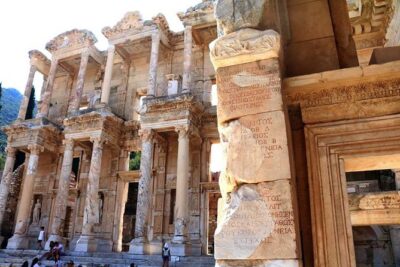
Ephesus is one of the world-famous ruins. The itinerary doesn’t treat it like a quick photo stop. You get a guided tour that covers major structures, including the Temple of Artemis area, the Library of Celsus façade, and the impressive amphitheater.
Then there’s an extra layer: the Ephesus Archaeology Museum. That museum can change your understanding of what you’re walking through outdoors. You get artifacts that make the buildings feel less like stones and more like a real place people lived and worshiped.
The day also includes carpet village time where you learn how carpets are made by hand and what factors affect value. This can be informative even if you are not shopping. Understanding technique and pricing logic makes any later market encounter feel less like a guessing game.
After Ephesus, you head to Selçuk for a wine tasting experience. The wine part is listed as included, so it’s a built-in break from ancient stone.
Practical advice: Ephesus ground can be uneven and there can be lots of walking. Keep your water bottle going, and if you’re tempted to buy small items, learn the difference between souvenir pricing and what you’d pay for a serious handmade piece before you commit.
Pergamon with Bergama, then Troy and its new museum
This day combines big drama with big context. You start by visiting the acropolis of Pergamon in Bergama. You’ll see impressive temples and a library connected to the city’s cultural and political importance. It’s a strong warm-up because it gets your brain into “Greek and Roman monumental” mode.
Then you continue to Troy (Truva), a UNESCO World Heritage Site. The itinerary also includes the Troy Museum, described as award winning and new. That matters because museums can help you keep the layers straight. You see how different eras overlapped and why the site became so famous in stories.
Troy often draws people in through legend. The museum helps you turn the legend into something you can place historically. Even if you only know the basics, you’ll walk away with more structure.
Practical advice: if you like photos, expect you’ll take plenty here. If you don’t like crowding, you’ll still likely have peak-hour groups. A good guide helps you keep your timing smart and avoid unnecessary backtracking in the site.
Gallipoli’s WW1 battlefields, then a return to Istanbul
Gallipoli is emotional and heavy. This portion focuses on WW1 battlefields, including major memorial points such as Lone Pine and Chunuk Bair Memorials, ANZAC Cove, The Nek, Johnston’s Jolly, and original trenches and tunnels. It’s a lot of ground in one day, so it’s also a “pay attention” day, not a “sightseeing autopilot” day.
After the battlefield section, you drive back to Istanbul. That final night momentum matters. You’ve seen intense places all day, so the return transfer becomes part of the recovery, not a bonus.
If you’re sensitive to somber content, plan for it. Bring something to keep yourself grounded, and take short breaks when your guide allows them.
Group size, English guide power, and transportation comfort
The tour is capped at a maximum of 20 travelers, which is genuinely useful. Crowds are still a reality, but smaller groups tend to move more neatly and ask more questions without turning every stop into a meeting.
The itinerary clearly depends on guide skill in busy spaces. The names that show up for that kind of careful handling include Irem, Göksu (often called G), and Fatih Karci. Across these examples, the common thread is that the guides adapt to the group, handle crowded venues well, and add thoughtful details that make the day feel personal rather than mechanical.
Transportation is also part of your comfort. You’ll be in an air-conditioned vehicle for land days, plus you’ll have included airport transfers in Istanbul. Yilmaz is specifically mentioned for safe, helpful driving in a brand new van, which gives you a clue about the kind of care you can hope for in transit.
One thing to consider: because the route includes a domestic flight and lots of separate site visits, you’ll have many transitions. If you like your day to run on a tight schedule, you’ll be fine. If you hate waiting around, bring patience, because sites and ferry crossings do not always cooperate with your ideal timing.
Price check: what $2,802.68 buys you in real terms
At $2,802.68 per person for an 11-day itinerary, you’re paying for more than hotel room nights and transportation. The structure here includes several items that usually cost extra when you travel independently: entrance fees, inbound and outbound transfers, a professional English-speaking guide, and meals (10 breakfasts and 7 dinners listed).
You’re also paying for time efficiency. By using a flight to Cappadocia, the tour reduces one major opportunity cost: losing a full day to long travel. That’s a big deal when you want Istanbul, Cappadocia, Pamukkale, Ephesus, Troy, and Gallipoli all in one run.
Are you overpaying? Not necessarily, but you should compare like-for-like. Many DIY plans add up fast once you include museum entries, guided coverage at Ephesus and Istanbul, and the ferry and domestic flight logistics. If you’ll actually use the included meals and you value an organized guide, the package can feel fair.
If you plan to skip most included meals and spend long hours doing your own thing, the value starts to shrink. This tour is best when you lean into the guided structure.
Optional evenings and smart ways to make free time count
This itinerary includes a few optional extras, which is a good sign because it gives you flexibility without changing the backbone of the day.
In Cappadocia, there’s an optional Turkish folklore evening with performances and belly dancers. In Istanbul, there’s an optional half-day Bosphorus cruise. These optional items are worth considering if you want variety on top of the historical focus.
Equally important is the free time you get in Istanbul and in Cappadocia after arrival. Those breaks are your chance to do simple things well: grab a coffee, shop for a few practical items, and just let your brain catch up. In a fast-moving tour, that downtime can make the difference between feeling thrilled and feeling fried.
Who this tour is best for, and who should pass
This works best for you if you want the highlights of Turkey in one organized trip and you like having context delivered by an English-speaking guide. It also suits you if you prefer fewer decisions about tickets and routing, and you’re happy with moderate walking on major sites.
It might not be ideal if you want lots of slow time in a single city, or if you struggle with uneven ground and long days of moving from site to site. The tour asks for moderate physical fitness, and the itinerary includes ancient sites where stairs and outdoor walking are part of the experience.
Should you book Fire of Anatolia?
I’d consider booking if you’re trying to see Istanbul, Cappadocia, Pamukkale, Ephesus, Troy, and Gallipoli without turning your trip into a spreadsheet. The included entrance fees, guides, transfers, and meals remove a lot of the hidden hassle that usually costs time and money.
I’d think twice if your ideal vacation is slow, quiet, and flexible day-to-day. This is a structured, fast route with fewer chances to linger. If you can handle that tradeoff, you’ll likely love how much you pack in and how well the guide-led stops keep it meaningful.
FAQ
How long is the tour?
The itinerary runs for about 11 days.
Is airport pickup and drop-off included?
Yes. The tour includes an inbound transfer from the airport in Istanbul and an outbound transfer to Istanbul.
Are entrance fees included?
Yes. Entrance fees are listed as included, and the itinerary notes admissions for key stops.
What meals are included?
Breakfast is included 10 times, and dinner is included 7 times.
Is the tour suitable for everyone physically?
The tour says travelers should have moderate physical fitness. Some ancient sites involve walking and uneven ground.
How large is the group?
The maximum group size is 20 travelers.
What if weather is bad?
The experience requires good weather. If it’s canceled due to poor weather, you’ll be offered a different date or a full refund.
More Tour Reviews in Istanbul
Not for you? Here's more nearby things to do in Istanbul we have reviewed

More Cappadocia Trips from Istanbul to consider.
 ★ 5.02 Day All Inclusive Cappadocia Tour from Istanbul with Optional Balloon FlightFrom $725429 reviews
 ★ 4.9From Istanbul: 2-Day All-Inclusive Cappadocia Guided TripFrom $709380 reviews
 ★ 4.72-Day Cappadocia Trip with Flights and Cave HotelFrom $328318 reviews
 ★ 5.02 Days Cappadocia from Istanbul with Cave Hotel+Optional BalloonFrom $330260 reviews
 ★ 4.5Cappadocia Dream: 2-Days Tour from Istanbul & Balloon Ride OptionFrom $590236 reviews
 ★ 4.6From Istanbul: Day Trip to Cappadocia with Flight & LunchFrom $188182 reviews
 ★ 5.04 Days Turkey Tour – Cappadocia, Ephesus and Pamukkale TourFrom $1,571138 reviews
 ★ 5.02 Days Cappadocia Tour From IstanbulFrom $725132 reviews