
Review · ISTANBUL HAGIA SOPHIA TOURS
Hagia Sophia & Basilica Cistern Guided Tour Incl. Tickets
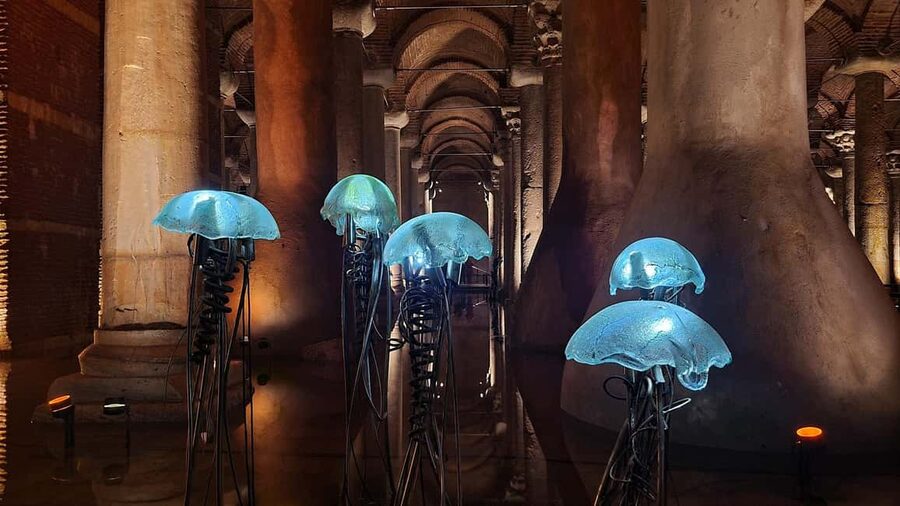
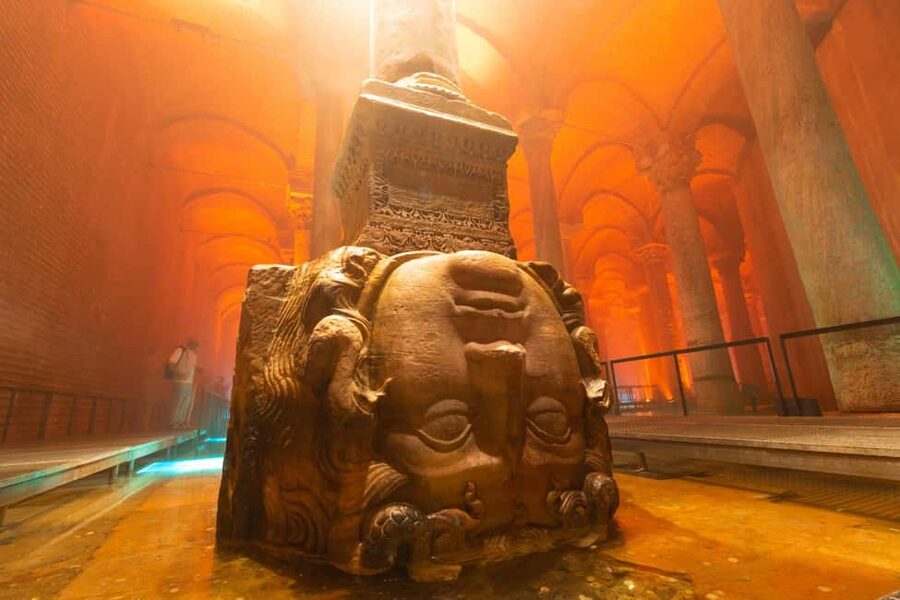
Two Istanbul icons, no wasted time. I love the priority admission that cuts through the busiest parts of the ticket process, and I love the Basilica Cistern walk, with wooden walkways and the famous upside-down Medusa heads. Put together with an expert local guide, the visit feels like history you can actually place on a map, not just read from a sign.
The main thing to watch is logistics in a tight schedule: there’s moderate walking, and the tour is not suitable for wheelchair users, people with mobility impairments, or those with claustrophobia. If you are sensitive to enclosed, underground spaces like the cistern, plan accordingly.
With a small group capped at 10, you should be able to ask questions and get your bearings fast in Sultanahmet, then finish with enough context to explore nearby on your own.
Key highlights you should care about
- Skip the longest ticket lines at Hagia Sophia with pre-reserved, priority entry
- Subterranean Palace views on wooden walkways over the water in the Basilica Cistern
- Byzantine and Ottoman links, from architecture changes to sultans’ burial choices in the courtyard
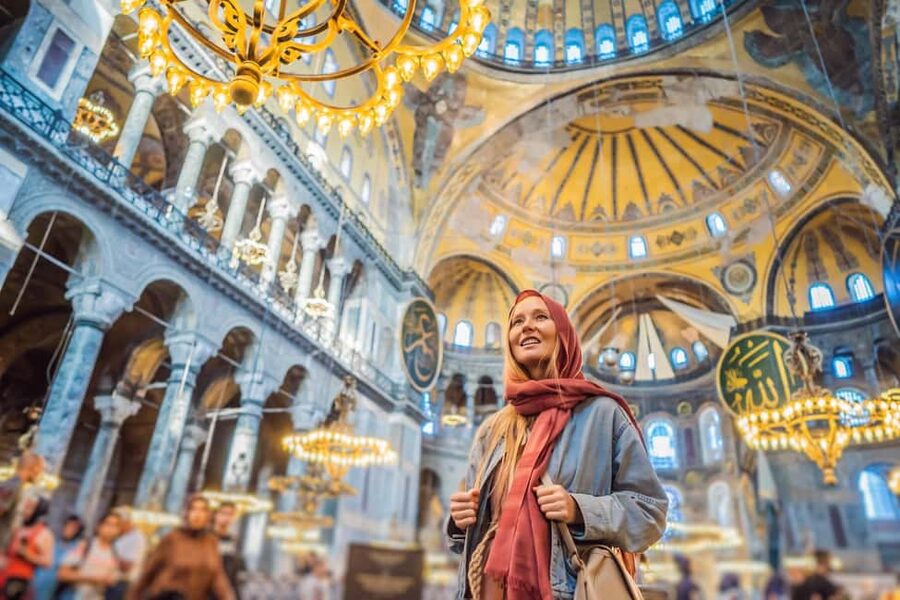
- Hagia Sophia details you might miss solo, including İznik tiles and the Virgin Mary mosaic
- A short Hippodrome walk that explains obelisks and why they mattered in everyday city life
Is the $99 Price Worth Two Major Istanbul Stops?
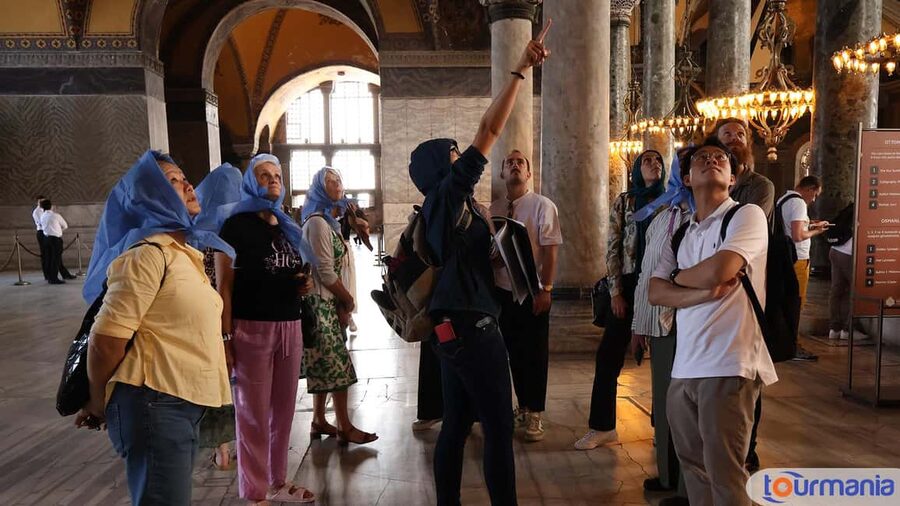
For $99 per person, you are paying for two things that are hard to replicate well on your own: priority admission and a guide who connects what you see to what it meant. Hagia Sophia alone is often where time gets chewed up by lines, and the Basilica Cistern can be a confusing jumble if you do not know what you are looking at.
This tour is also built to keep you focused. In 2 hours, you get the two biggest “must see” interiors plus a bit of surrounding context in Sultanahmet. That does not sound like much until you factor in travel time, line time, and the fact that both sites have rules that can slow you down if you arrive unprepared.
The value is strongest if you want a first meaningful hit of Istanbul’s layers, especially the Byzantine to Ottoman transition. You’ll get explanations tied to the building itself, not just general dates. If you already know a lot and prefer slow wandering at your own pace, you might decide to DIY. But if you are trying to make limited time count, this is a smart way to protect it.
More Istanbul tours and experiences for the shortlist


Meeting at Alman Çeşmesi, Then Getting Into the Story Fast
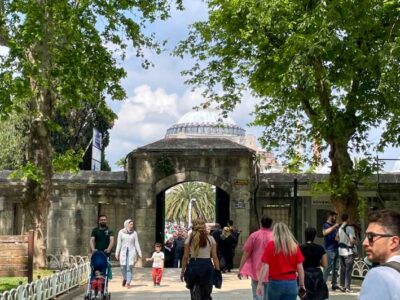
The tour meets at Alman Çeşmesi, and your guide holds a sign for Tourmania. That matters because Sultanahmet can feel like a maze of lanes, and showing up without a clear meeting point is how you burn your first hour.
From there, the plan stays concentrated around the historic core. You start with the Basilica Cistern first, then move into Hagia Sophia, with additional stops in the Sultanahmet area as you connect the monuments to the city around them. The finish is back near Sultanahmet Square, so you can keep going afterward without being stuck in a tour bubble.
You also get practical benefits from the small group size. It’s limited to 10 people, which usually means the guide can pause for questions and keep the timing under control. That pacing is a big part of why people rate this tour highly. Guides such as Samed and Elif are specifically praised for being attentive, giving enough time for key moments, and using visual aids to make the history click.
Basilica Cistern: The Subterranean Palace and the Medusa Heads
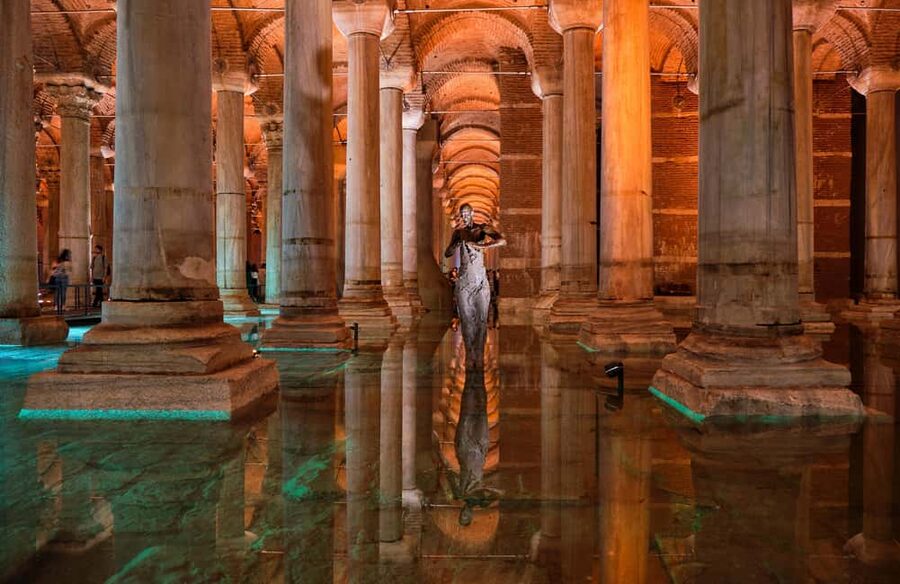
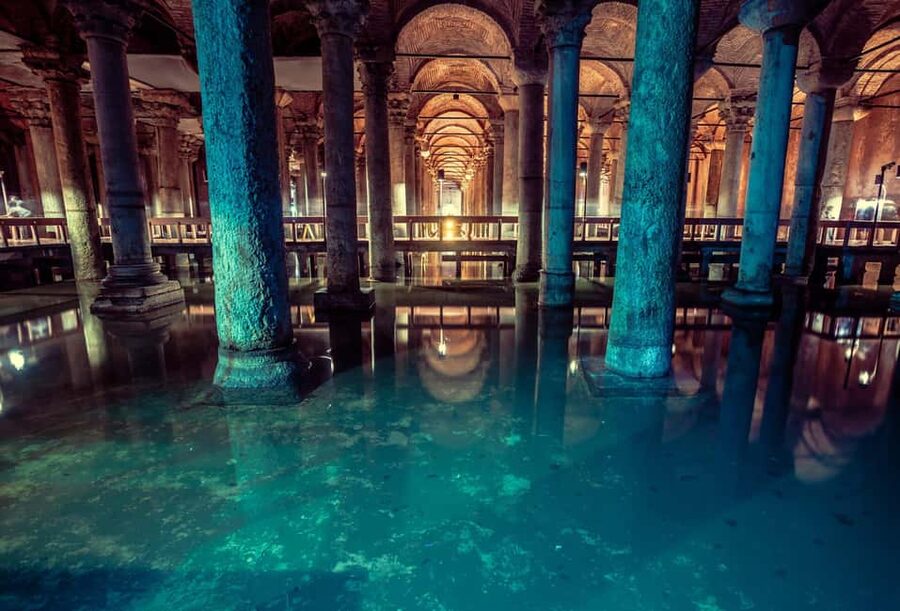
The Basilica Cistern is not just impressive because it is underground. It’s impressive because it is engineered confidence made of stone. You walk through the “subterranean palace” atmosphere and learn what that space was designed to do, then you focus on the details that make it unforgettable.
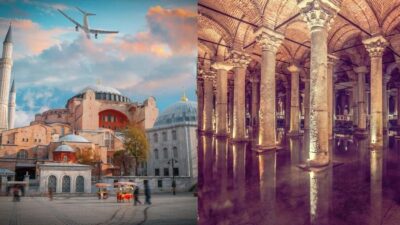
The standout moment is the walk on wooden walkways over the water. That setup puts you at the right angle to see the water reflection and the scale of the interior. The cistern’s famous feature, the upside-down Medusa heads, becomes much more meaningful when a guide explains why they’re there and what they represent in the building’s layered use over time.
You will also spend time at the underground pillars and learn about Byzantine architecture in a way that helps you visualize how the structure holds together. If you go solo, it can be easy to treat the cistern like a quick photo stop. With a guide, it turns into a mini lesson on materials, reused elements, and how this space functioned in daily life and later eras.
A realistic consideration: the cistern is underground and enclosed, so it can feel tighter than the surface. The tour is not listed as suitable for people with claustrophobia, so if that’s you, I would plan a different option for today.
Hagia Sophia Inside: Mosaics, Dome Views, and Ottoman Additions
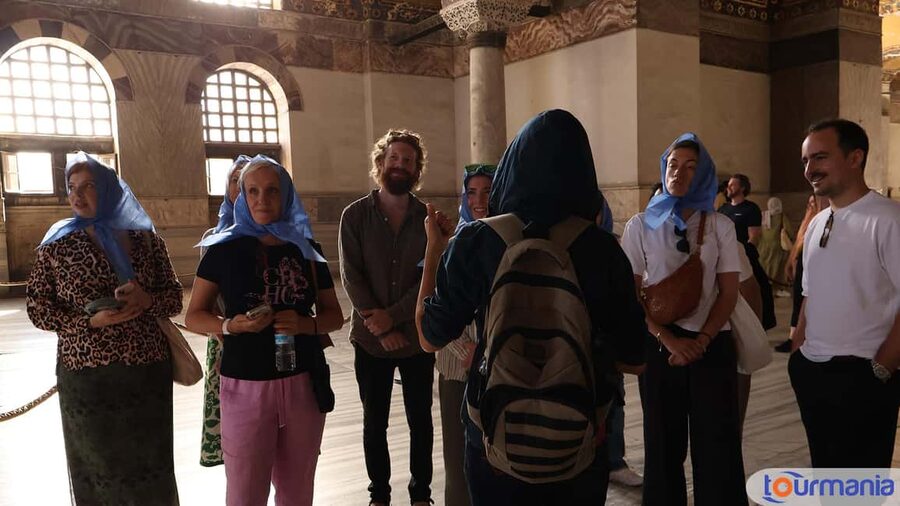
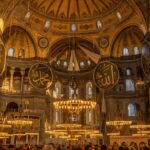
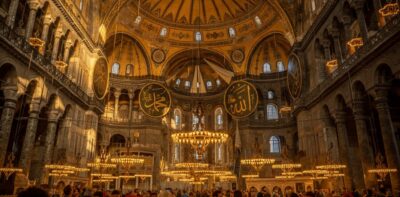
After the cistern’s cool darkness, Hagia Sophia hits you with scale. This is the kind of interior where your eyes keep finding new surfaces. A guide helps you slow down just enough to notice the patterns, not just the big dome shape.
You will see Hagia Sophia’s most significant religious role in Istanbul’s Greek Orthodox history, then learn how it was converted into a mosque after the Ottoman conquest of Constantinople. That conversion is not presented as a single switch. Instead, it’s shown as an ongoing transformation, with Ottoman elements layered over earlier Byzantine structure.
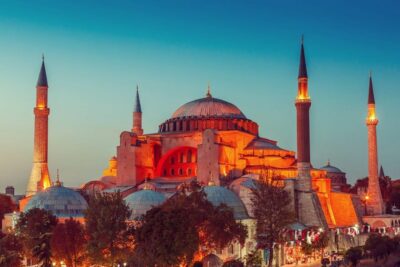
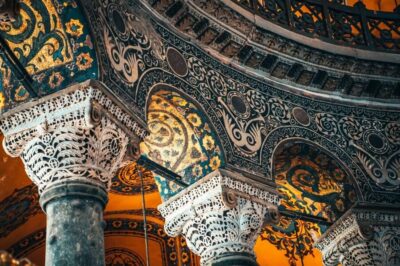
Inside, you’re guided to major features, including the dome, minarets, countless mosaics, Roman columns, and the mix of sacred artwork and architecture. The power move is when the guide connects details to the timeline, so you understand why certain decorations exist and what they were meant to communicate.
Two interior highlights you should be ready to look for:
- İznik tiles added over time in the mosque areas
- The Virgin Mary mosaic, described as part of the visual story inside the building
You’ll also learn about the courtyard burial choices, including that the Ottomans chose to bury their sultans there. That detail changes how you experience Hagia Sophia’s grounds, because it reminds you the site was not only a monument, it was a place with ongoing imperial meaning.
One more practical note: flash photography is not allowed inside Hagia Sophia. If you rely on low-light indoor shots, consider setting your camera up before entering, and use steady hands or a small tripod if you own one.
The Sultanahmet Walk and the Byzantine Hippodrome Obelisks
This tour doesn’t stop at interiors. You also get a walk through the Byzantine Hippodrome area, where you learn about the obelisks and why they mattered in daily life.
That small segment is worth it because it gives the background rhythm. Hagia Sophia feels like an island if you only focus inside its walls. When you also hear how the Hippodrome fit into the city, you start placing the monument inside the flow of Constantinople and later Istanbul.
Even if you are not a monument-obsessed person, this is the kind of context that helps you navigate afterward. You leave with a clearer sense of where to look next as you wander Sultanahmet’s streets and squares.
The pacing here is also practical. You will have photo stops, short guided segments, and enough time to keep moving without feeling rushed through the main interiors.
You can also read our reviews of more guided tours in Istanbul



What the Guide Actually Adds (Beyond Dates on a Sign)
The best part of a guided version of Hagia Sophia and the Basilica Cistern is not the facts. It’s the way the facts get organized into a story your brain can keep.
In this kind of small-group tour, the guide’s job is to connect:
- Byzantine architecture choices and structural logic
- Ottoman adaptations, including changes in religious use
- Why certain decorative elements show up, and how they were layered over time
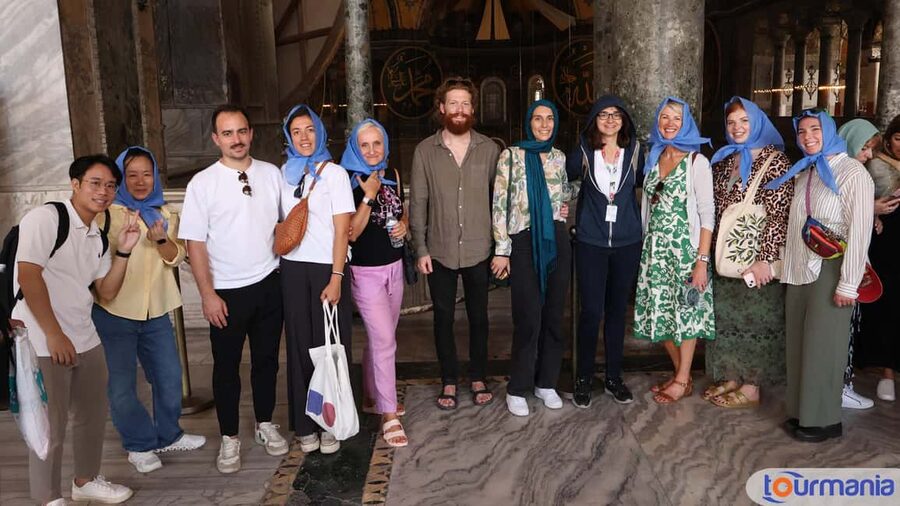
People who get Samed often praise his attentiveness and how he balances time for each stop. People who get Elif highlight her friendly, clear explanations and the way she ties the history together with good storytelling. It’s that combination of pacing plus explanation that makes a 2-hour tour feel more complete than you’d expect.
So if you like your sightseeing with a narrative thread, this format tends to work well. You’ll still have plenty of moments to look on your own, but you won’t be left guessing what the important details are.
Photo, Food, and Carry-On Rules That Keep You From Getting Stuck
I find these rules matter more than people expect, because you only realize them once you are already standing in line. For this tour, keep these in mind:
- Flash photography is not allowed inside Hagia Sophia
- Food and drinks are not allowed inside the monuments
- Smoking is not permitted during the tour
- Backpacks are not allowed, and large bags must be left at the entrance
Plan to travel light. If you show up with a big bag, you may lose time handing it off and adjusting your day plan. A small day bag that fits within the allowed limits is usually the smoothest route, but stick to what’s required for entry on the day.
Also bring what helps you enjoy the walking parts without feeling miserable:
- comfortable shoes
- hat
- sunscreen
- camera
- water
Even in a short tour, Sultanahmet can be hot and bright, and you’ll feel it more when you keep moving between sites.
Who This 2-Hour Small-Group Tour Is Best For
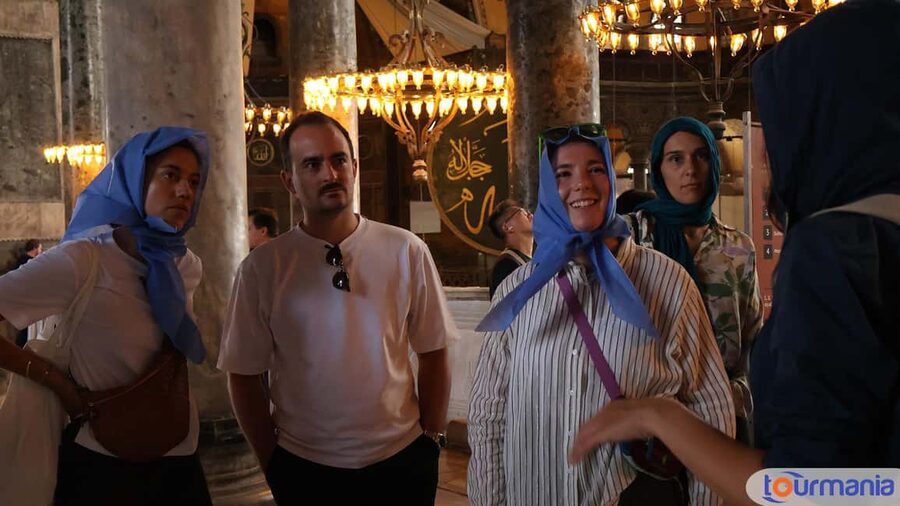
This tour is a strong fit if:
- You have limited time in Istanbul and want two headline interiors with minimal downtime
- You prefer a small group where you can hear the guide clearly
- You want clear context on Byzantine and Ottoman transformation at Hagia Sophia
- You want the Basilica Cistern explained, including the Medusa heads and the underground architecture
It may not be your best choice if:
- You need a wheelchair-accessible route, because the tour is not suitable for wheelchair users or people with mobility impairments
- You feel anxious in underground spaces, because the cistern stop makes it unsuitable for people with claustrophobia
- You have back problems and need minimal walking or very predictable stops
If you fall into any of those categories, it’s worth choosing a different approach that matches your comfort level.
Should You Book This Hagia Sophia and Basilica Cistern Tour?
If you want a high-impact introduction to Istanbul’s layers without turning your day into a queue-fest, I’d book it. The biggest reason is the priority admission piece. You spend your limited sightseeing time inside the monuments where it counts, not waiting at the ticket office.
I’d also recommend it if you care about specifics. The tour points you toward İznik tiles, the Virgin Mary mosaic, and the Medusa heads, and it connects them to the Ottoman and Byzantine story so the details feel earned, not random.
Skip the tour only if you strongly prefer self-guided wandering, you need full accessibility support, or underground spaces make you uneasy. In those cases, a different itinerary that matches your comfort will be the better move.
FAQ
How long is the Hagia Sophia and Basilica Cistern guided tour?
The tour runs for 2 hours. Starting times depend on availability.
What is the group size for this tour?
It’s a small group, limited to 10 participants.
Where do you meet the guide?
You meet at Alman Çeşmesi. The guide will hold a sign of Tourmania.
Does the tour include tickets and skip the lines?
Yes. The tour includes priority admission tickets to both Hagia Sophia and the Basilica Cistern.
What will I see during the tour?
You’ll visit the Basilica Cistern (with the wooden walkways and Medusa heads), then explore Hagia Sophia (mosaics, dome, minarets, İznik tiles, and the Virgin Mary mosaic). You also walk the Byzantine Hippodrome area and learn about the obelisk landmarks.
Is flash photography allowed inside Hagia Sophia?
No. Flash photography is not allowed inside Hagia Sophia.
Are food, drinks, smoking, or backpacks allowed?
Food and drinks are not allowed inside the monuments. Smoking is not permitted during the tour. Backpacks and large bags must be left at the entrance.
Is the tour suitable for wheelchair users or people with mobility issues?
No. The tour is not suitable for wheelchair users or those with mobility impairments.
Is free cancellation available, and can I pay later?
Yes. There is free cancellation up to 24 hours in advance for a full refund. You can also reserve now and pay later.
More Tickets in Istanbul
More Tours in Istanbul



More Tour Reviews in Istanbul

Not for you? Here's more nearby things to do in Istanbul we have reviewed








More Istanbul Hagia Sophia Tours to consider.
 ★ 3.7Hagia Sophia Skip-the-Line Ticket & Museum OptionFrom $334,958 reviews
 ★ 4.8Blue Mosque & Hagia Sophia Guided Tour w/ TicketsFrom $393,600 reviews
 ★ 4.3Hagia Sophia Skip-the-Line Ticket and Audio GuideFrom $352,246 reviews
 ★ 4.6Basilica Cistern & Hagia Sophia Combo TicketFrom $711,990 reviews
 ★ 4.7Blue Mosque, Hagia Sophia, & Basilica Cistern TourFrom $581,806 reviews
 ★ 4.4Hagia Sophia Skip-the-Line Ticket with Audio TourFrom $421,767 reviews
 ★ 4.3Blue Mosque, Basilica Cistern, & Hagia Sophia TourFrom $781,634 reviews
 ★ 4.3Hagia Sophia Skip-the-Ticket Line & Audio GuideFrom $411,469 reviews
Other ways to explore Istanbul