
Review · FULL-DAY
Istanbul Full-Day Private Christian (Byzantium) Tour
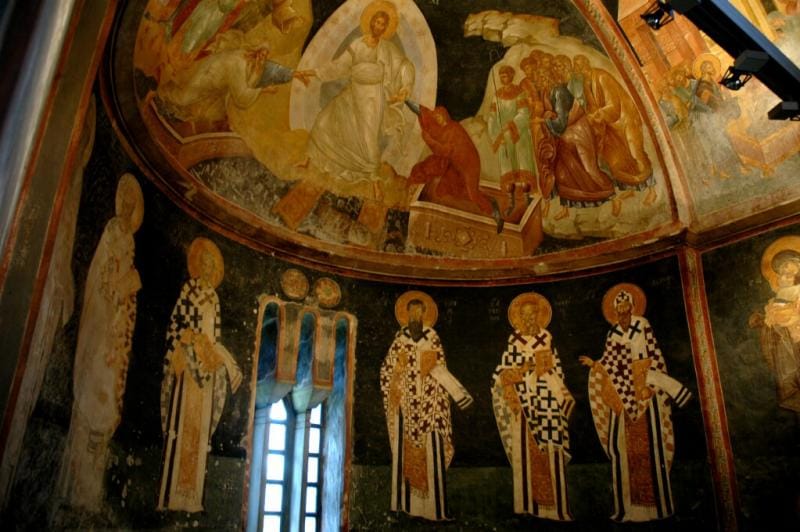
Byzantine Istanbul hits different in one day. This private Christian (Byzantium) tour strings together Chora Church mosaics with a guided look at Orthodox Christianity at the Fener Orthodox Patriarchate, then finishes with Istanbul’s most unforgettable Byzantine icon work: Hagia Sophia and the Basilica Cistern. The day is built for people who want context, not just photos, but there is one key consideration: the Church of St. Saviour in Chora (Kariye) is closed for renovation until 31 December 2024, so you will see another stop instead.
You will move by air-conditioned coach and start with hotel pickup from European city center areas, which keeps the route efficient for an 8-hour schedule. Hagia Sophia’s museum ticket is not included, and lunch is on your own, so it is worth planning a little budget buffer for those.
Key things that make this Istanbul Byzantine Christian tour work
- A Byzantine-Christian itinerary with stops tied to Orthodox tradition and the art of the Byzantine court.
- Chora (Kariye) shaped for a fast replacement plan since the main church is closed until 31 December 2024.
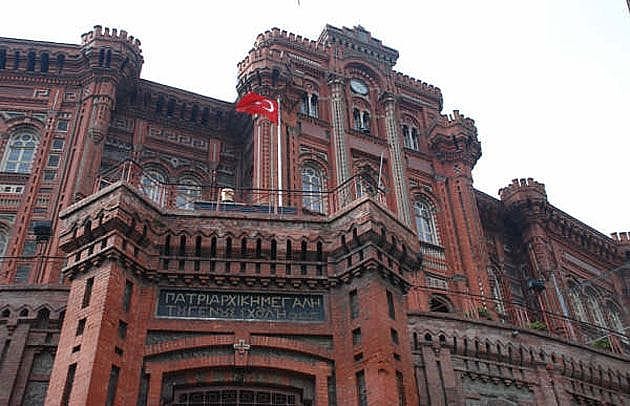
- Fener Orthodox Patriarchate in the Ecumenical Patriarchate area, where Istanbul’s Christian story is tied to Constantine’s era.
- Hagia Sophia as a museum visit, not just a landmark glance, with attention to its dome and Byzantine architecture.
- Basilica Cistern at the right moment, closing the day with Justinian-era “sunken palace” atmosphere.
A Byzantine Christian day is the best way to read Istanbul
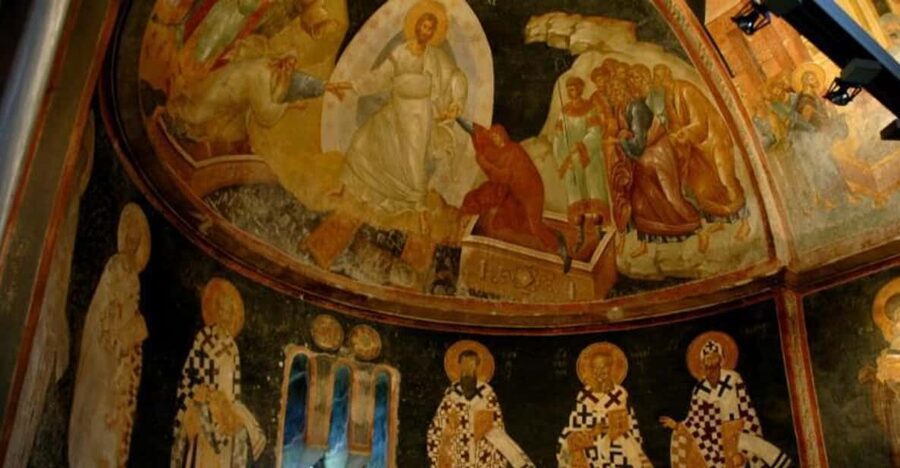
I like how this tour gives you a clear lens. Instead of hopping between unrelated landmarks, you are seeing Istanbul as the Byzantine Empire would have recognized it, through churches, Christian institutions, and the art that still survives.
You will also get a day that feels coherent: Chora first for art and religious ceremony context, Fener for living Orthodox tradition, Hagia Sophia for the biggest architectural statement, and Basilica Cistern for the engineering side of Byzantine power. If you enjoy learning how buildings link to doctrine, politics, and daily worship, this structure pays off.
The main drawback is not the length or the pace. It is the Chora closure. When that site is under renovation, your experience depends on how smoothly your guide handles the replacement.
You can also read our reviews of more private tours in Istanbul

The 8-hour private-coach rhythm, plus pickup zones that matter
This is a full-day tour with a private group, moving by air-conditioned coach. That matters in Istanbul because distance plus traffic can turn a “short” schedule into a time sink. With 8 hours on the clock, the private setup is what lets you keep momentum.
Pickup is included, but only from European city center hotels in specific areas: Sultanahmet-Laleli-Topkapı-Aksaray-Taksim-Sirkeci, and the Şişli area. If your hotel is outside those zones, you should confirm the meeting and pickup arrangement early, since the tour also notes that the Chora situation is communicated differently for guests from outside.
For you, the practical win is simple. You can show up, put your energy into the sites, and not burn time on finding transit. The less fun part is that it is still a full-day format, so comfortable shoes and patience help.
Chora Church mosaics (Kariye): the star stop, and the renovation catch
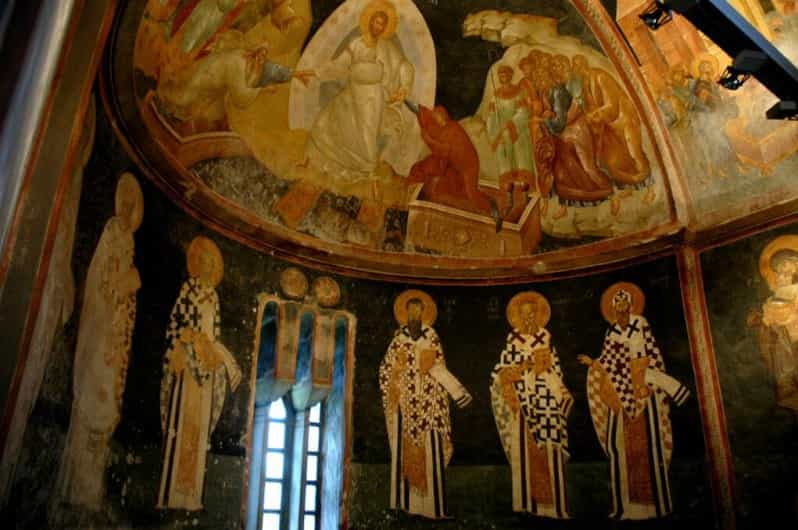
The Church of St. Saviour in Chora, known in Turkish as Kariye, is the reason many people pick this tour. It is famous for mosaics and frescoes, and for the idea that this church’s location and role made it special long before it became a masterpiece.
Even the word story matters. The Turkish word Kariye comes from the ancient Greek Chora, meaning outside of the city. The tour framing ties that to how there was reportedly a chapel outside the city walls before those walls were erected, then later developments under Justinian and the Komnenoi era when it served as a court chapel for major religious ceremonies.
Here is what changes right now: the Chora Church/Mosque is closed until 31 December 2024 for renovation. The tour states the guide will inform guests from outside, and you will get another place instead of Chora Church.
How to make this work for you:
- If Chora is your top priority, ask your guide or provider before the day what the replacement stop is likely to be.
- If mosaics are the key you care about, look for the replacement site’s artwork and ask what style and period you are seeing, so you still get the Byzantine art connection.
If the replacement is solid, you still get the Byzantine theme. If Chora is non-negotiable, treat this as a booking to verify details for your exact date.
Zeyrek Mosque: a quick Byzantine-shaped stop you should use for observation
Zeyrek Mosque is listed as one of the key highlights. What you will get from this stop is less about one single “wow” fact and more about atmosphere and urban layers.
In this part of Istanbul, buildings often carry the fingerprints of older sacred spaces, even when the function has changed over time. So when you are standing at Zeyrek Mosque, slow down and use it like a visual reading exercise. Look at how the structure holds space, how openings and massing feel, and how it fits into the surrounding streetscape.
Your payoff here is perspective. The day is about Byzantine Christianity, but Istanbul is also a city that keeps reusing and adapting older architecture. If you are the type who likes noticing transitions, this stop will click.
The only caution: if you want maximum time in one museum-caliber interior, Zeyrek Mosque may feel more like a guided pause than a full centerpiece.
Fener Orthodox Patriarchate: where Istanbul’s Orthodox story stays visible
Next comes the Fener Orthodox Patriarchate, also called the Ecumenical Patriarchate of Constantinople. The tour positions it as the seat of Orthodox Christianity since Constantine the Great’s declaration of Christianity as the religion of the Roman Empire.
This stop can be powerful because it connects religion with continuity. You are not only looking at what Byzantines built. You are also seeing how Orthodox Christianity’s institutions remained anchored in Istanbul across centuries, shaping the city’s identity.
What I like about this part of the day is that it helps you understand why the tour’s Christian focus is not just about architecture. It is about organizations, authority, and how religious leadership relates to a city’s history.
Practical tip: this is a place where you should keep your pace respectful and listen closely to the guide’s framing. The architecture and the setting matter, but the bigger value is the story you are given for why this site has long mattered.
More Istanbul tours and experiences for the shortlist
Hagia Sophia museum visit: the dome fact you should remember
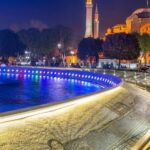
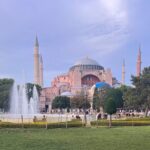
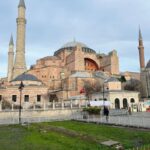
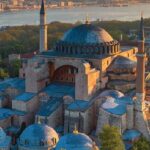
Hagia Sophia is the big name on the itinerary, and for good reason. The tour describes it as dedicated to Hagia Sophia or Divine Wisdom, and notes that for centuries it was the largest church in the world. You will also hear how its dome is ranked among the world’s largest, listed as the 4th largest dome after St. Paul’s in London, St. Peter’s in Rome, and the Duomo in Florence.
Also, this visit is framed as a museum stop. The Hagia Sophia experience is most satisfying when you look past the exterior and treat the interior like a record of Byzantine architecture that survived.
A helpful way to get more out of it:
- Think about scale, especially the dome space. The tour’s dome comparison is there for a reason, it gives you a yardstick for what you are looking at.
- Listen for how the art and architecture connect back to Byzantine ideals of divine order, not just decorative beauty.
One more practical point: the Hagia Sophia ticket is not included. Plan for that cost separately, and if you are traveling in peak season, you will still want to be ready for standard security and entry time.
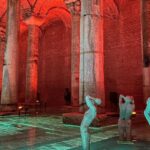
Basilica Cistern, or Yerebatan Sarayı: Justinian’s sunken palace ending
This is a great way to close the day because it shifts from religious power to Byzantine infrastructure. The Basilica Cistern, known as Yerebatan Sarayı or Sunken Palace, is described as the largest of several hundred ancient cisterns beneath Istanbul.
You will be told where it sits too. It is located about 150 meters southwest of Hagia Sophia, on the Sarayburnu peninsula. And it ties to a clear timeline, dating back to the 6th century reign of Emperor Justinian I.
What you will like here is the mood. Going underground after hours of churches and institutions gives you a reset. It also gives you a fuller picture of Byzantine Istanbul as a civilization that handled water, city growth, and engineering at the same time it produced iconic religious art.
If you want photos, bring your camera. If you want atmosphere, slow your pace when you get inside. The cistern reads best when you let it.
Price and value at $413 per person, what you get and what you budget
The price is $413 per person for an 8-hour private day. That can sound steep until you look at what is bundled.
Included:
- Hotel pickup and drop-off from European city center hotels in the allowed areas
- Entrance fees mentioned in the itinerary
Not included:
- Hagia Sophia museum ticket
- Lunch
- Personal expenses
So the value equation is really about time saved plus guidance. In Istanbul, a private coach day with multiple major sites is often where you feel the cost make sense, because you are paying for the efficiency of a planned route and a guide who connects the stops.
Here is my advice for getting your money’s worth:
- Treat Hagia Sophia and lunch as your main extra costs.
- Use the private format to ask focused questions, especially if you care about how Christian art developed and what these sites meant in Byzantine court and religious life.
If you are traveling with someone who wants the same historical angle, the shared cost can feel more reasonable. If you are solo and mainly want a quick checklist, you might find cheaper options elsewhere. But if you want a connected day, $413 can be fair.
Who this tour suits, and where you should think twice
This fits best if you:
- Want a Christian (Byzantium) perspective rather than a random Istanbul hits list
- Appreciate church art and religious institutions
- Like guided pacing, so you can keep moving without losing context
It might not be your best match if you:
- Need maximum time at Chora on your exact date. With renovation until 31 December 2024, you will get a substitute instead of the featured church.
- Prefer to choose your own order of sights. This tour is planned and timed for one coherent storyline.
Accessibility note: the tour information includes wheelchair accessibility, but it also says it is not suitable for wheelchair users. If accessibility is a key requirement for you, confirm directly with the provider before booking.
Finally, if you care about consistency, do not be shy about asking what replacement is planned for Chora on the day you will go. The more precise the plan, the easier your expectations will be.
Should you book this Istanbul Full-Day Private Christian (Byzantium) Tour?
I think you should book if Byzantine Christian art and Orthodox tradition are what you want most from Istanbul. The lineup is well chosen: Chora for Byzantine visual culture (even with a replacement when closed), Fener for institutional Orthodox continuity, Hagia Sophia for the architectural centerpiece, and Basilica Cistern to end with Justinian-era atmosphere.
You should pause and confirm details before booking if Chora is the single site you came for. Ask what you will see instead, and make sure you are comfortable with Hagia Sophia being a museum visit with a separate ticket cost.
If you get a guide who can translate the buildings into meaning, this day has the kind of payoff that lingers after the photos fade. And if you are the type who enjoys learning how one era built, worshipped, and engineered its world, this itinerary is a strong choice.
FAQ
What is the duration of the Istanbul Full-Day Private Christian (Byzantium) Tour?
The tour lasts 8 hours.
How much does the tour cost, and what is included in the price?
The price is $413 per person. Entrance fees mentioned in the itinerary are included, along with hotel pickup and drop-off from eligible European city center hotels.
Where does hotel pickup work?
Pickup is included only for hotels in the European city center areas: Sultanahmet-Laleli-Topkapı-Aksaray-Taksim-Sirkeci and the Şişli area.
Which sites are included on the tour?
The tour includes the Church of St. Saviour in Chora (Kariye), the Zeyrek Mosque, the Fener Orthodox Patriarchate, Hagia Sophia, and the Basilica Cistern (Yerebatan Sarayı).
Is the Hagia Sophia ticket included?
No. The Hagia Sophia museum ticket is not included.
What about lunch?
Lunch is not included.
What languages is the live tour guide available in?
The guide is available in Spanish, English, French, German, Italian, and Russian.
Is there a cancellation option?
Yes. Free cancellation is available up to 24 hours in advance for a full refund.
Is Chora Church open during the tour period?
The Chora Church/Mosque is closed for renovation until 31 December 2024. The guide will inform guests from outside, and the tour offers another place instead of Chora Church.
Is the tour wheelchair friendly?
The information lists wheelchair accessible, but it also states it is not suitable for wheelchair users. If you need wheelchair support, confirm directly with the provider before booking.
More Private Tours in Istanbul



More Tours in Istanbul


More Tour Reviews in Istanbul
Not for you? Here's more nearby things to do in Istanbul we have reviewed




More Full-Day to consider.
 ★ 4.6Full-Day Highlights Tour with Guide and LunchFrom $371,662 reviews
 ★ 4.0From Istanbul: Full-Day Princes Island Tour with LunchFrom $261,550 reviews
 ★ 5.0ISTANBUL BEST: Iconic Landmarks Full Day PRIVATE Guided City TourFrom $801,032 reviews
 ★ 4.6Best of The City Full-Day Tour with TransfersFrom $51616 reviews
 ★ 5.0Istanbul to Gallipoli Full Day Tour with Lunch and TransfersFrom $157567 reviews
 ★ 4.9Gallipoli Full-Day Tour from IstanbulFrom $154468 reviews
 ★ 4.7Full Day Istanbul 1, 2 or 3-Day Private City Guided TourFrom $98411 reviews
 ★ 4.9From Istanbul: Gallipoli and Anzac Full-Day TourFrom $159345 reviews