
Review · MUSEUMS
Istanbul: Panorama 1453 History Museum Tickets +Audioguide
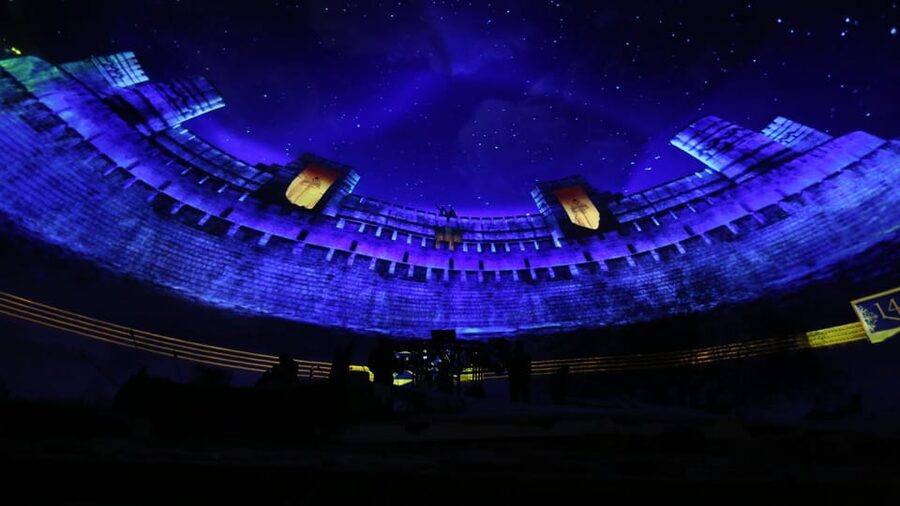
A giant, 360-degree painting can explain history fast. Panorama 1453 takes on the siege and fall of Constantinople in 1453, using sound, lighting, and a true full panorama to make the moment feel immediate. I like the clear focus on the two sides, Ottoman Sultan Mehmed II and Byzantine Emperor Constantine XI Palaiologos, so you understand who is doing what. One thing to consider is that the main show portion can feel short, and some people may find the price tough if they expect a long, multi-room museum.
You’ll walk into a staged scene where strategies, battle action, and the city’s capture are laid out in one big visual story. After the panorama, there are extra exhibits with artifacts, models, and interactive elements that put the siege into context. The only real drawback: you should plan around security lines, because the ticket helps with the ticket line, but it does not guarantee priority at checkpoints.
Quick hits: Panorama 1453 essentials
- World first full panoramic display, built around a 360-degree view of 1453 Istanbul
- Two museum sections, miniatures and artworks first, then a massive 3D hemisphere panorama
- 38-meter diameter, 3D painting created by 8 artists
- Sound effects and lighting built into the main panoramic experience
- Digital audio guide app included, but headphones are not included
- Self-entry, no guided group and no meeting point, so you control your pace
Panorama 1453 Museum: the fall of Constantinople, shown like a movie
Panorama 1453 is built for one big idea: show the siege and fall of Constantinople in 1453 as a single, continuous picture you can look around. The museum is known as the world’s first full panoramic museum, and the center of the experience is a 360-degree painting with sound effects and lighting. That combo matters, because it turns an event that can feel abstract in textbooks into something your brain can actually track moment to moment.
The historical stakes are huge. In 1453, Constantinople falls, the Byzantine Empire ends, and the Ottoman Empire rises in a way that reshapes trade routes and power across Europe and Asia. The museum also frames Constantinople as a strategic bridge between worlds, where Christian and Islamic civilizations met. You’re not just seeing a battle scene. You’re being reminded why this city mattered long before the cannons.
Also, I like that the museum doesn’t hide behind vague storytelling. The panorama specifically points you toward the key players. You see the confrontation through the lens of Ottoman Sultan Mehmed II and Byzantine Emperor Constantine XI Palaiologos, and the display shows the battle and the city’s capture as a structured flow rather than a random chaos painting.
More Istanbul tours and experiences for the shortlist



Two sections, one story: miniatures, then the 38-meter hemisphere
Panorama 1453 splits the experience into two parts, and they work differently.
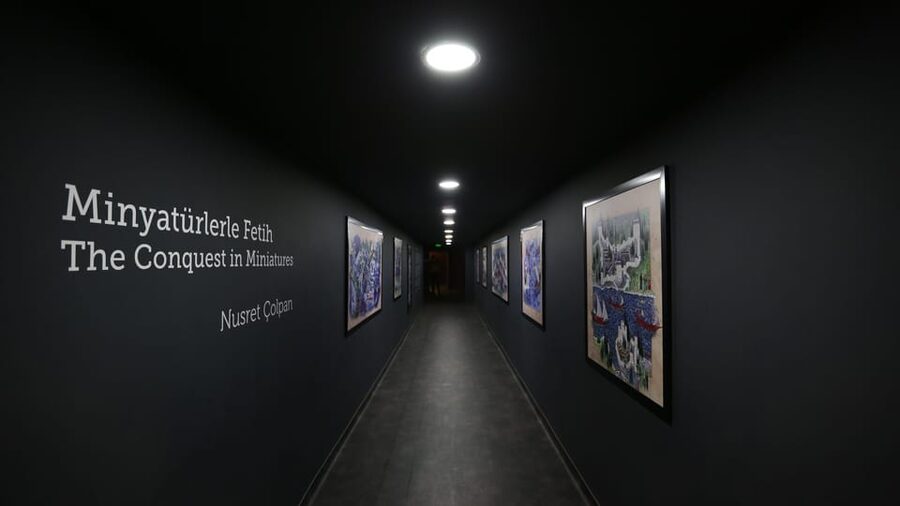
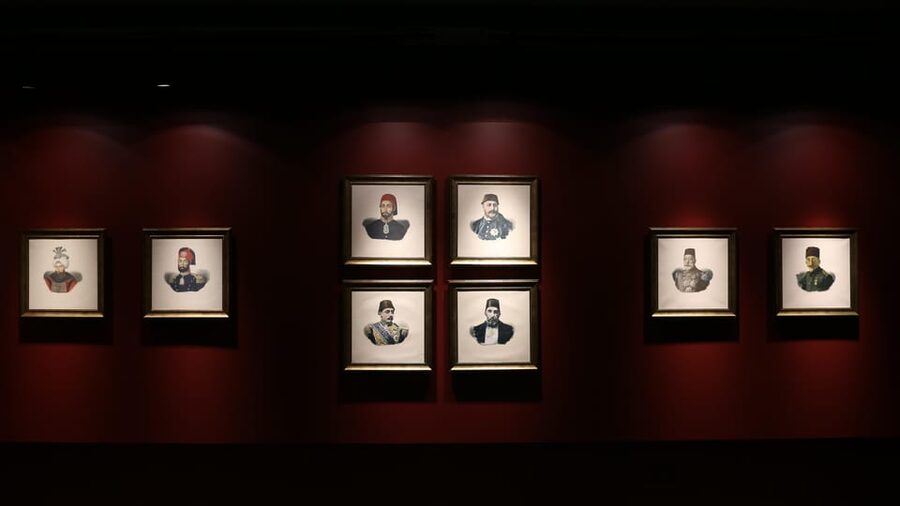
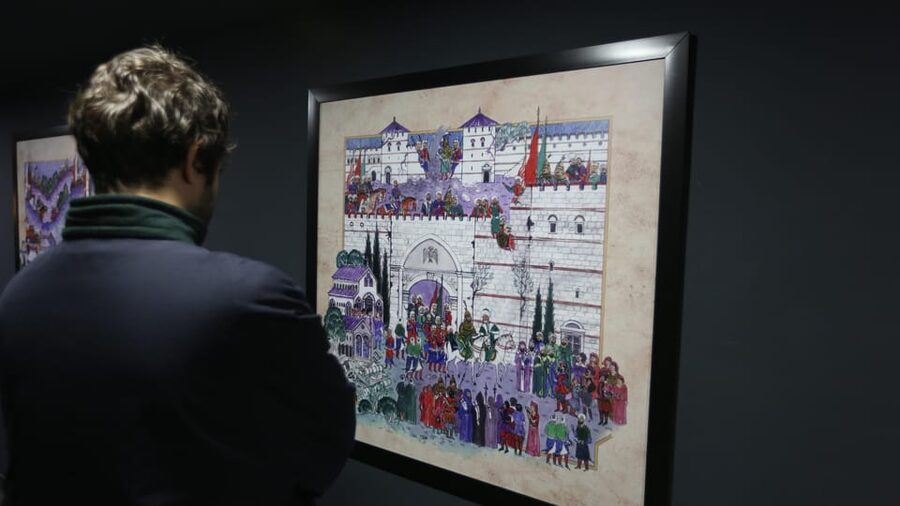
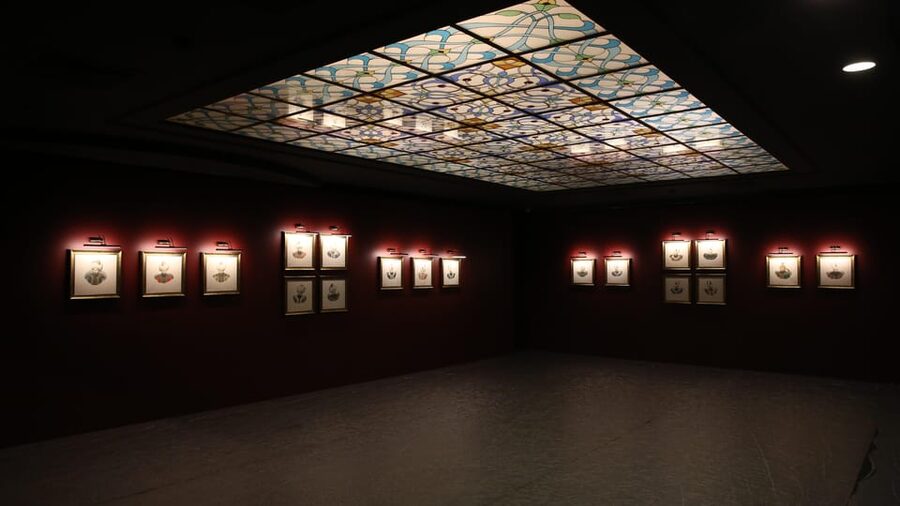
First, you get a section of modern miniatures, engravings, and paintings that depict the siege and the construction of Istanbul. This part is like the museum’s briefing room. It helps you connect what you’re about to see in the panorama to the wider story: how the siege developed, what was being built or moved, and how the city’s landscape was changing.
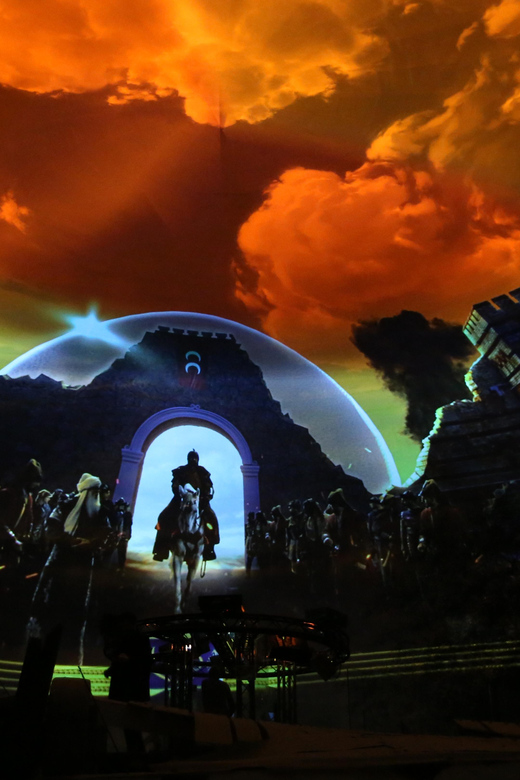
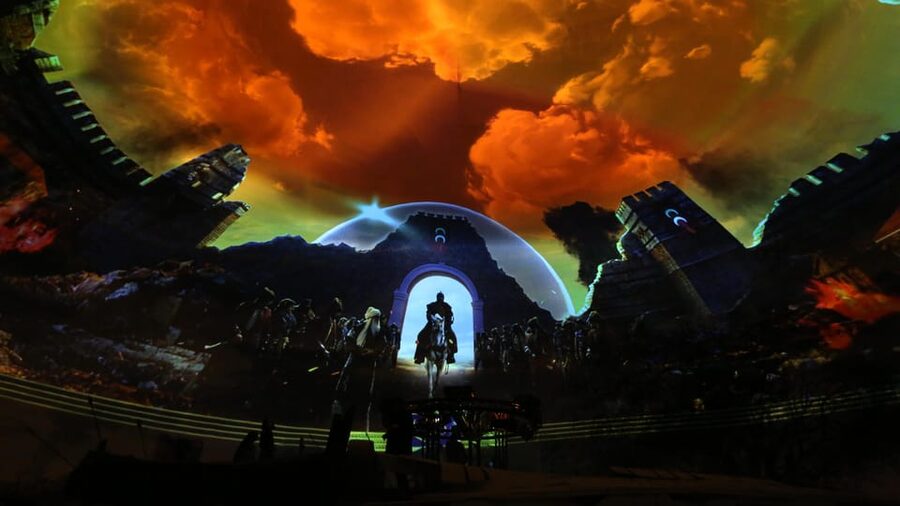
Then comes the highlight. The second section contains a massive 3D hemisphere painting with a 38-meter diameter, created by 8 artists. This is the area where the museum’s “look up, look around, get your bearings fast” style really clicks. You’re not reading a wall label the whole time. You’re standing in the middle of a staged world and letting the details land with your eyes.
Practical note: the panorama platform is not stroller-friendly. The museum asks you to leave strollers at the entrance for a quality experience. Also, baby strollers are not allowed, so if you’re traveling with young kids and a stroller is part of your logistics, plan another approach before you arrive.
What you see in the panorama, and why it feels different
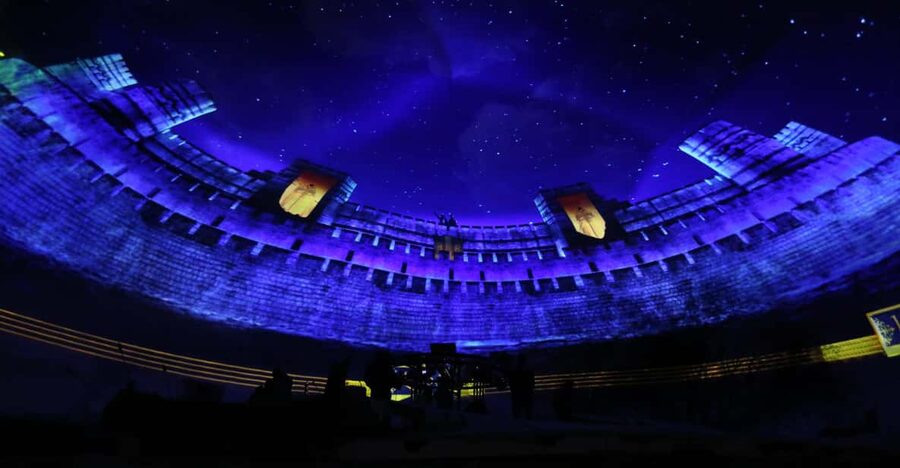
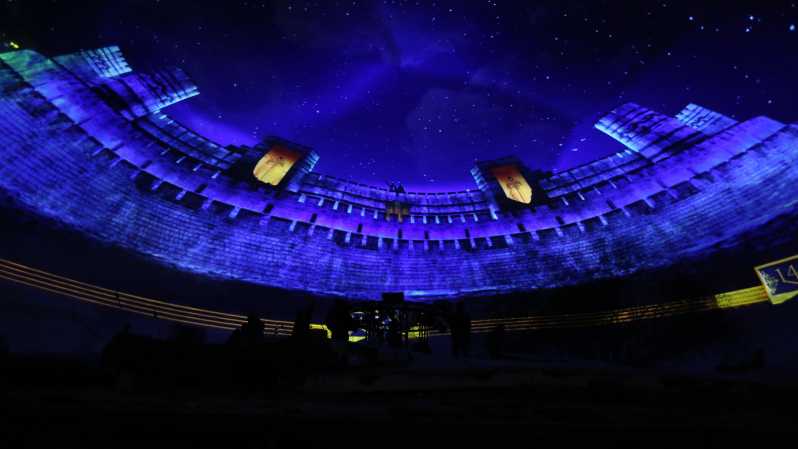
The core display is a 360-degree scene of the siege and capture, with sound and lighting layered in. The goal is to recreate what it might have felt like to witness the battle and aftermath from inside the city drama.
Here’s what helps most: the panorama isn’t just a pretty view. It shows the battle action, and it also ties that action to strategy. You’re meant to recognize the Ottoman side’s planning under Mehmed II, and the Byzantine side’s defense under Constantine XI Palaiologos. That structure is valuable because it gives your visit a logic.
You also pick up contextual clues about why Constantinople was so hard to conquer. The museum includes background on the city’s position at the Europe-Asia crossroads and why it mattered to both sides culturally and strategically. If you’ve ever wondered why everyone wanted this place, this is the kind of display that gives you an answer without forcing you to memorize dates.
Beyond the main show, the museum continues the education with exhibits that cover military tactics, weaponry, and life in that era. There are artifacts, models, and interactive elements. Even if you don’t spend a lot of time in every corner, these add-ons help you avoid the one-and-done effect that you sometimes get with show-only attractions.
The digital audio guide: how to use it without wasting time
This ticket includes a complimentary digital audio guide app. There is no live guide included, so the app is how you get the background and explanations behind what you’re looking at.
A key practical detail: you receive a message with tickets and the audio guide link one day before your tour date via email and WhatsApp (if you use WhatsApp). The audio guide is provided through a separate app, and the link is visible in your voucher.
What to do so it actually helps:
- Bring your smartphone charged, and ideally with Wi-Fi or data ready for the first load of the app.
- If you want the commentary to sync with what you’re seeing, start the audio guide before you reach the main panorama room.
- Budget for a little time to get headphones connected and volume tested.
One important missing item: headphones are not included. The museum gives you the audio through the app, but you’ll need your own headphones. If you forget, you’ll end up reading captions less and losing some of the effect of the sound-and-light design.
Tickets and timing: skip the ticket line, but plan for security
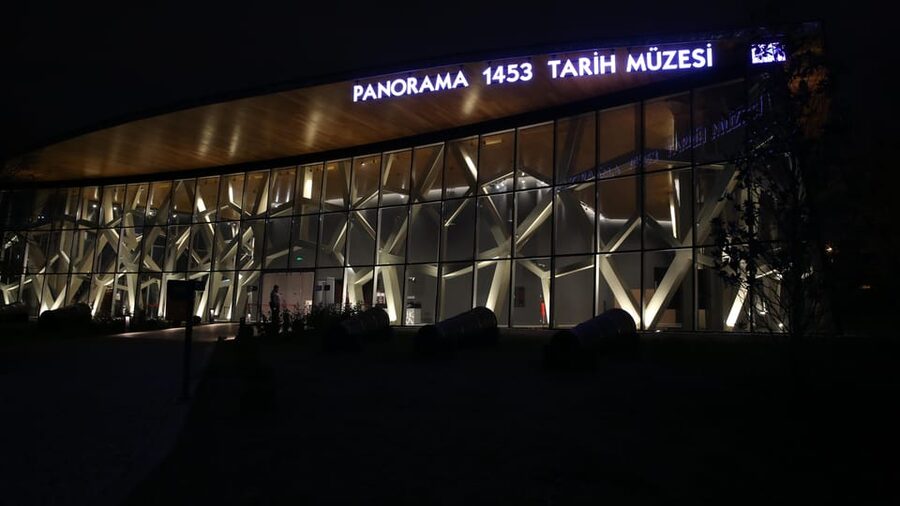
Your entry is self-guided. There is no meeting point and no guided group schedule to line up with. You go to Panorama 1453 History Museum and enter on your own with the provided tickets.
Tickets arrive as a QR code via email and WhatsApp one day before. During peak seasons, expect lines at security checkpoints. The tricky part is that the ticket does include skip-the-ticket-line access, but it does not provide priority access at those checkpoints. Translation: you might still lose time before you even reach the entrance hall.
My advice is simple. If you care about minimizing waits, go earlier in the day when you can. If you arrive when the day is already busy, treat the security line as part of the experience and keep your expectations flexible.
You can also read our reviews of more historical tours in Istanbul



Price and value: is $31 worth it for you?
At $31 per person, Panorama 1453 sits in the “worth considering” category rather than “cheap and cheerful.” The question is not whether it’s interesting. The question is how much you’ll enjoy the format.
On the plus side, you get:
- A centerpiece world-first panoramic display
- A guided-by-technology layer via the digital audio guide
- Additional exhibits with artifacts, models, and interactive elements
On the caution side, at least some visitors feel the main show area is tight and can feel like it lasts around 30 minutes, with most of the experience concentrated in essentially one main area. If you usually enjoy museums for hours of wandering, this might leave you wanting more.
So how do you judge value quickly?
- If you like big visual history, especially the fall of Constantinople story, the price can feel fair because you’re paying for a one-of-a-kind format.
- If you’re more of a slow-browse museum person, you may feel shortchanged unless you pair this visit with nearby history stops in Istanbul.
Who should book, and who should think twice
This experience is a good fit for:
- History lovers who like story-driven presentations more than endless reading
- Families looking for a clear, contained experience with audio support
- Travelers who want a strong “one major highlight” stop in their Istanbul day
It might be less satisfying if:
- You’re expecting a large, multi-room museum day
- You really dislike audio apps and prefer in-person guides or heavy text panels
- You’re traveling with items that aren’t allowed, like pets, food and drinks, or baby strollers
Also, remember the museum is self-entry. That means no one is herding you along. If you thrive with guidance, you might want to pair this with another activity that includes a person-led explanation.
Quick practical checklist before you go
Here’s what matters most so your visit goes smoothly:
- Bring your passport or ID card
- Plan to use a smartphone for the audio guide app
- Bring your own headphones, since none are provided
- Expect security lines during busy periods
- Leave strollers at the entrance if you have them, and note that baby strollers are not allowed
- Skip food and drinks, and keep the visit smoke-free
Should you book Panorama 1453 tickets with the audio guide?
If you’re the type of traveler who learns best through visuals, and you’re curious about how Constantinople fell in 1453, I’d say yes. For many people, the attraction’s big selling point is exactly that: a panoramic, tech-supported way to understand a world-changing event, plus extra context in the supporting exhibits.
Book this when:
- You want a focused highlight stop with audio support
- You like the story of Mehmed II and Constantine XI Palaiologos
- You’re comfortable bringing your own headphones and moving at your own pace
Consider skipping or swapping for something else when:
- You need a long museum day with lots of separate rooms
- You don’t want to deal with security lines at peak times
- You’re traveling with restrictions like baby strollers
FAQ
Is Panorama 1453 a guided tour?
No. This is not a guided tour. You enter the museum on your own using your QR code tickets, and the audio guide is digital.
Does the ticket include the audio guide?
Yes. The digital audio guide app is included, and you get the link through a message sent one day before your date, also visible in your voucher.
Do I need to bring headphones?
Yes. Headphones are not included, even though the audio guide is provided through an app.
How do I get my tickets?
You receive tickets with a QR code by email and WhatsApp (if you use WhatsApp) one day before your tour date.
What identification do I need to enter?
Bring your passport or an ID card.
Is there a meeting point for this activity?
No. There is no meeting location because it is self-entry. You go to Panorama 1453 History Museum and enter on your own, using your tickets.
More Historical Tours in Istanbul
More Tickets in Istanbul
More Tour Reviews in Istanbul



Not for you? Here's more nearby things to do in Istanbul we have reviewed










More Museums to consider.
 ★ 3.7Hagia Sophia Skip-the-Line Ticket & Museum OptionFrom $334,958 reviews
 ★ 4.4Hodjapasha Whirling Dervishes Show & ExhibitionFrom $324,790 reviews
 ★ 4.1Topkapi Palace & Harem Museum Ticket & Audio GuideFrom $613,977 reviews
★ 4.0Istanbul Hodjapasha Whirling Dervishes Show & ExhibitionFrom $32503 reviews
★ 4.1Topkapi Palace & Harem Museum Ticket & Audio GuideFrom $613,977 reviews
★ 4.0Istanbul Hodjapasha Whirling Dervishes Show & ExhibitionFrom $32503 reviews
 ★ 4.7Topkapi Palace and Harem Museum Tour with TicketFrom $94247 reviews
 ★ 4.0Official Museum Pass for 12 Most Popular MuseumsFrom $124181 reviews
 ★ 4.5Hagia Sophia Mosque and Museum Skip-The-Line ComboFrom $59136 reviews
 ★ 4.1Museum of Illusions TicketFrom $2083 reviews
Other ways to explore Istanbul