

Review · AUDIO TOURS
Kucuksu Pavilion Skip-the-Line Ticket with Audio Guide
A pretty pavilion, minus the hassle. With a skip-the-line ticket and an included audio guide, you get an easy, self-paced visit to Küçüksu Pavilion on the Bosphorus. It is a chance to slow down and actually understand what you are looking at, instead of sprinting through rooms.
What I like most is the combination of Bosphorus views and a meaningful audio guide in English, so the pavilion feels more than just a pretty building. The one drawback to plan around is that there is no live guided tour here, so you only get the information the audio provides, and you set the pace the whole time.
Key points to know before you go

- Skip-the-line entry so you spend more time inside and less time waiting.
- English audio guide included, designed for a self-paced visit.
- Built in Ottoman times, originally opened in 1751, with later form added in 1856-1857.
- Bosphorus views are a major part of the experience, especially paired with the garden setting.
- Ottoman and Western design blend, with a two-storey brick-and-stone structure.
- Museum visit potential, since it became a museum in 1983.
Küçüksu Pavilion in 1 day: what your skip-the-line ticket really buys you
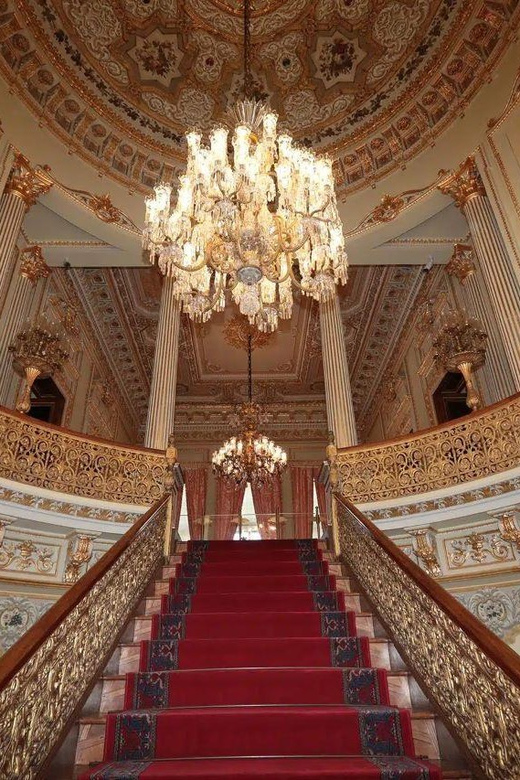
This is a straightforward ticket experience, and that is the point. You buy your entry, then you walk in without the usual line shuffle. For a 1-day activity, that kind of time savings matters, especially if you are juggling a lot of Istanbul sights in one trip.
The price is $14 per person. That is not a crazy amount for Istanbul, but value comes from what you actually get: skip-the-line access plus a professional English audio guide. In other words, you are paying for entry and for interpretation of the place, not just a door-opening. If you enjoy history and architecture and you like learning as you go, this usually feels like money well spent.
The visit is valid for 1 day, and you will want to check availability for starting times. That matters because the pavilion experience includes outdoor garden mood and Bosphorus scenery. If you pick a time when the light is decent, you will likely enjoy the views more.
More Istanbul tours and experiences for the shortlist



The English audio guide: your plan for seeing more, thinking less
The audio guide is the secret sauce here. It is professional and in English, so you are not stuck with a vague impression. Instead, you get a structured way to understand the pavilion’s story and what to pay attention to while you explore.
I like audio guides that give you just enough context to make the building make sense. Here, you get the kind of background that turns random rooms and facades into a timeline. You can listen while walking through, then pause and re-listen if something catches your eye.
Practical tip: bring headphones you are comfortable with. The audio is included, but you are still responsible for hearing it clearly. If you are sensitive to audio quality, test your device before you arrive.
Entering the pavilion story: Ottoman roots and later changes you can actually track
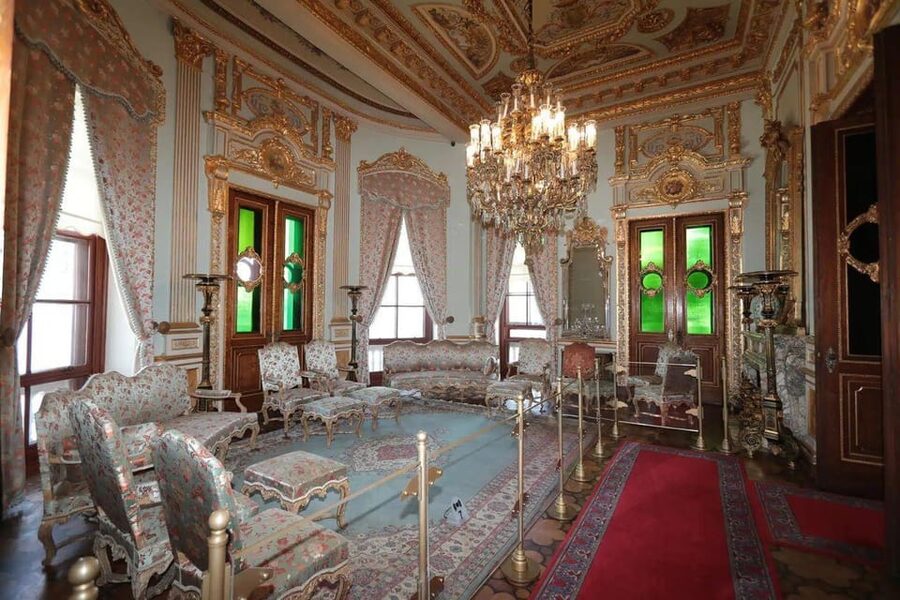
Küçüksu Pavilion has a layered timeline, and the audio helps you keep it straight. This pavilion was originally constructed during the reign of Sultan Mahmud I. It opened in 1751, and later took its current form in 1856-1857.
Why that matters for your visit: when you understand the chronology, you stop treating the building like a single, static postcard. You start noticing how different eras can shape style, layout, and the overall feel. Even without being an architecture expert, you can connect the story to what you see.
The pavilion was built on the recommendation of a Grand Vizier. That detail gives you a sense that this was not a random seaside whim. It was tied to power and court interest, and the recommendation suggests it mattered to the decision-makers of the time.
And then there is the museum angle. It became a museum in 1983, so today you are visiting a preserved space designed for public understanding. That means the place is set up for visitors in a way that aims to explain and interpret, not just to exist as a private residence.
Between two streams: the garden setting and the calm pace of a Bosphorus visit
One of the most charming parts of Küçüksu Pavilion is its setting. It is located between two streams, and that kind of natural framing does something to your perception. You feel like you are stepping into a curated landscape rather than just entering a building.
The pavilion also has a garden and a historical ambiance. Even if you rush, you will probably notice how the outdoors makes the architecture feel softer. If you take it slow, the garden gives you breathing room between viewpoints and listening moments.
Because this is self-paced, you control the rhythm. If you want to spend extra time outside to take in the Bosphorus views, you can. If you want to focus more on the building story, you can do that too. This flexibility is a real benefit, especially when Istanbul days are unpredictable.
Bosphorus views: why this pavilion feels like an Istanbul highlight without the crowd pressure
The pavilion experience includes Bosphorus views, and they are not a bonus. They are part of why the place makes sense historically and emotionally. The fascination with the Bosphorus shoreline is central to the pavilion’s origin story, so when you stand there looking out, you are connecting the “why” to the “where.”
I recommend planning your attention in a simple way:
- First, pause at a viewpoint and orient yourself to the water.
- Then, go back and listen to the audio guide so the landscape and architecture connect in your head.
- Finally, return to the view one more time for a last look once you know what you are seeing.
That loop usually makes the experience stick. It also helps if you are someone who does not naturally love museums, because the view gives you an anchor point.
You can also read our reviews of more guided tours in Istanbul



Ottoman and Western design blend: how to read the building with the audio guide

Küçüksu Pavilion is known for a blend of Ottoman and Western design. The phrase sounds vague, but you do not need to be an expert to benefit from the idea. The audio guide can help you recognize what different influences might look like in the context of a single building.
As you walk around, pay attention to how the pavilion is laid out and how the materials feel. The structure is two-storey and built with brick and stone. Those are not just construction details. They affect how light lands on surfaces, how the building feels in daylight, and how the overall mass reads from different angles.
Also, treat the pavilion as a whole composition, not only as individual rooms. With a two-storey design, you often get a better understanding by stepping back occasionally to see how upper and lower levels relate. The audio guide helps you do that at the right moments.
Small note: since guided tours are not included, the best way to get the “why this feature matters” information is to actively listen rather than letting the audio run in the background. You do not need to stand perfectly still, but you should give the guide your attention when it talks about the story behind what you are looking at.
Time, energy, and logistics: making the most of your 1 day window
This experience is built for a quick but meaningful stop, not a long, all-day saga. You should plan to spend time walking through, listening, and stepping outside for views. The pavilion’s setting and garden mood can easily turn a short visit into a comfortable one, especially if you enjoy slow travel.
If you are pairing this with other Istanbul stops, think about pacing. Küçüksu Pavilion is not a place you enjoy if you treat it like a checklist item. Give it enough time to listen. Audio works best when you have the mental bandwidth to connect narration with physical space.
One more practical point: Istanbul can be hot or busy depending on the season, and a garden setting means you will be outdoors at least part of the time. Wear comfortable shoes and be ready for sun exposure.
Who this ticket suits best, and who should consider a different option
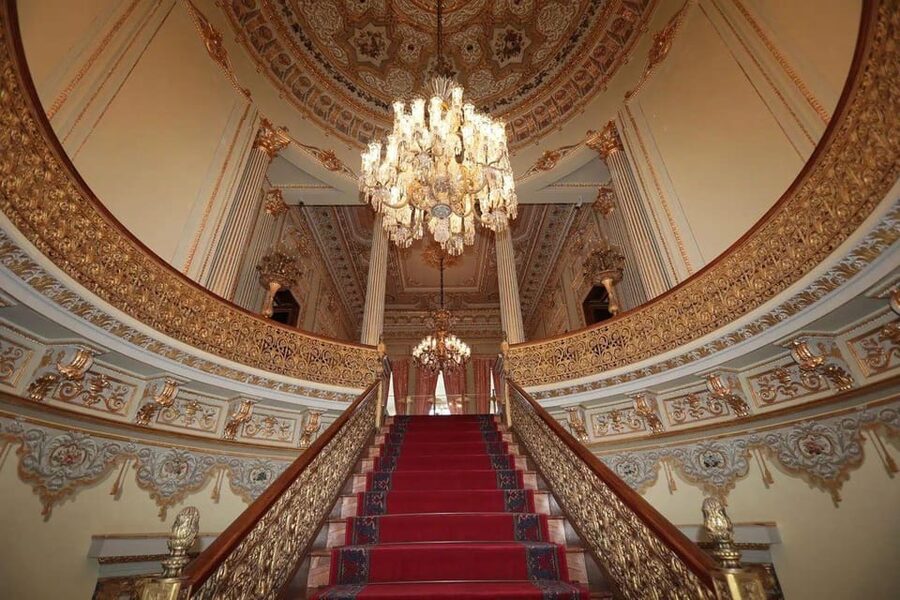
This is ideal if you like independence. You get skip-the-line entry and an English audio guide, so you can explore without waiting for a group. It is also a great fit if you enjoy history and architecture but you do not want the structure of a guided tour.
It may be less ideal if you want live, conversational answers. Because guided tours are not included, you will not have someone on-site explaining details beyond what the audio provides. If you tend to ask lots of questions while traveling, or you like to tailor your visit based on immediate conversations, you might want a guided option elsewhere.
If you are traveling solo, with a partner, or with a small group that prefers flexibility, this ticket style usually works well.
Should you book this Küçüksu Pavilion skip-the-line ticket with audio guide?
I would book it if you want the best mix of efficient entry and real historical context. The value is strongest when you actually use the audio guide, because that is what turns entry into understanding. At $14 per person, you are not just buying access, you are buying a way to make the pavilion’s story click, including the Ottoman-era origins under Sultan Mahmud I, the opening in 1751, and the later form change in 1856-1857.
I would hesitate if you only want a quick exterior look. In that case, spending money on an audio guide may feel unnecessary. Also consider your preference for guided conversation. This is self-paced, so it fits travelers who enjoy controlling their own rhythm.
If your goal is a calm, meaningful Bosphorus stop with Ottoman-and-Western architectural character, this ticket is an easy yes.
FAQ
Where is Küçüksu Pavilion located?
It is in the Marmara Region of Turkey.
How much does the skip-the-line ticket cost?
The price is $14 per person.
How long is the experience?
It is listed as 1 day.
What is included with the ticket?
You get a skip-the-line entry ticket for Küçüksu Pavilion and a professional audio guide in English.
Is a guided tour included?
No, guided tours are not included.
What language is the audio guide in?
The audio guide is available in English.
Do I need to check specific starting times?
The ticket is valid 1 day, and you should check availability to see starting times.
Is free cancellation available?
Yes, you can cancel up to 24 hours in advance for a full refund.
Can I book and pay later?
Yes, you can reserve now and pay later.
What does skip-the-line mean for this activity?
It means you can enter Küçüksu Pavilion without waiting in the regular line.
More Guided Tours in Istanbul
More Tickets in Istanbul
More Tour Reviews in Istanbul

Not for you? Here's more nearby things to do in Istanbul we have reviewed









More Audio Tours to consider.
 ★ 4.8Daytime or Sunset Sightseeing Cruise & Audio GuideFrom $814,430 reviews
 ★ 4.6Basilica Cistern Fast-Track Entry and Audio GuideFrom $447,521 reviews
 ★ 4.1Topkapi Palace & Harem Museum Ticket & Audio GuideFrom $613,977 reviews
 ★ 4.6Bosphorus Sightseeing Cruise Tour with Audio GuideFrom $82,694 reviews
 ★ 4.3Hagia Sophia Skip-the-Line Ticket and Audio GuideFrom $352,246 reviews
 ★ 4.4Hagia Sophia Skip-the-Line Ticket with Audio TourFrom $421,767 reviews
 ★ 3.9Bosphorus Cruise w/Audio Guide and Sunset OptionFrom $141,758 reviews
 ★ 4.6Basilica Cistern Skip-the-Line Entry & Audio GuideFrom $711,477 reviews
Other ways to explore Istanbul