

Review · ISTANBUL HAGIA SOPHIA TOURS
Little Hagia Sophia, Blue Mosque & Hagia Sophia Walking Tour
Three major monuments, one smart route. This tour strings together Blue Mosque, Little Hagia Sophia, and Hagia Sophia with an English-speaking guide who links Ottoman details to the older layers under them. I especially like the way the route mixes the famous stops with “watch-this” moments like the German Fountain and Sultanahmet Square.
Two things I really like: you get a small-group experience that feels manageable in the streets, and you are not just looking at buildings, you are getting the why behind them. One potential drawback: you must follow strict mosque rules (headscarf, no shorts, no flash), and Blue Mosque entry can come with prayer-time waiting.
Key things to know before you go
- Tucked into Sultanahmet: you walk the core sights in one compact area, from the Hippodrome zone into the Hagia Sophia area.
- Little Hagia Sophia is the sanity break: smaller, octagonal, and often calmer than the big-ticket sites.
- Your guide adds context: expect explanations that connect Christian pasts and Islamic presents, especially at Hagia Sophia.
- Photo and dress restrictions matter: headscarf required, shorts and short skirts are not allowed, flash photography is prohibited inside.
- Time at Hagia Sophia is your wildcard: the plan includes guided time plus some free time.
Sultanahmet in 3 hours, without the tour-bus headache

If Istanbul feels like a menu that never ends, Sultanahmet is the place where you can still eat well in a half-day. This tour focuses on the tight geography around Sultan Ahmed Mosque, the historic Hippodrome area, and Hagia Sophia. The walking is described as moderate, but the whole experience is built around short stretches, breaks, and multiple photo stops.
I like that the route is practical. You are not wandering randomly across the old city. You move from one landmark to the next with a guide to point out what to notice, not just where to stand for a picture.
Also, this is small-group style. That matters in places like the Blue Mosque, where crowds and queue lines can erase the fun fast. With fewer people, you tend to get better pacing and more chances to ask questions.
You can also read our reviews of more walking tours in Istanbul


Where you start, what you immediately face, and why that matters
You meet your guide at Tarihi Sultanahmet Köftecisi Selim Usta. From there, the tour heads straight toward Sultan Ahmed Mosque, which is the famous Blue Mosque.
That first move is smart. The Blue Mosque is not just a landmark, it is also where strict rules start applying right away. You will want your headscarf ready, and you will want your clothing sorted before you arrive, because shorts, short skirts, and sleeveless shirts are not allowed for entry.
Here is the other reality check. The Blue Mosque is free to enter, but you may need to wait outside during prayer times. So even if everything is scheduled “on paper,” you might still spend a bit of time in a queue. I treat that as normal Istanbul math: plan for waiting near the mosques, not a smooth conveyor-belt experience.
Blue Mosque: why the blue tiles are only the start
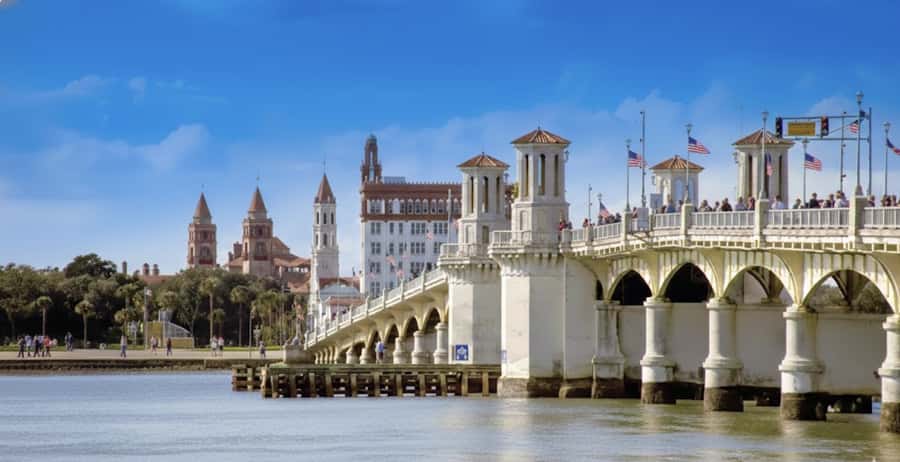
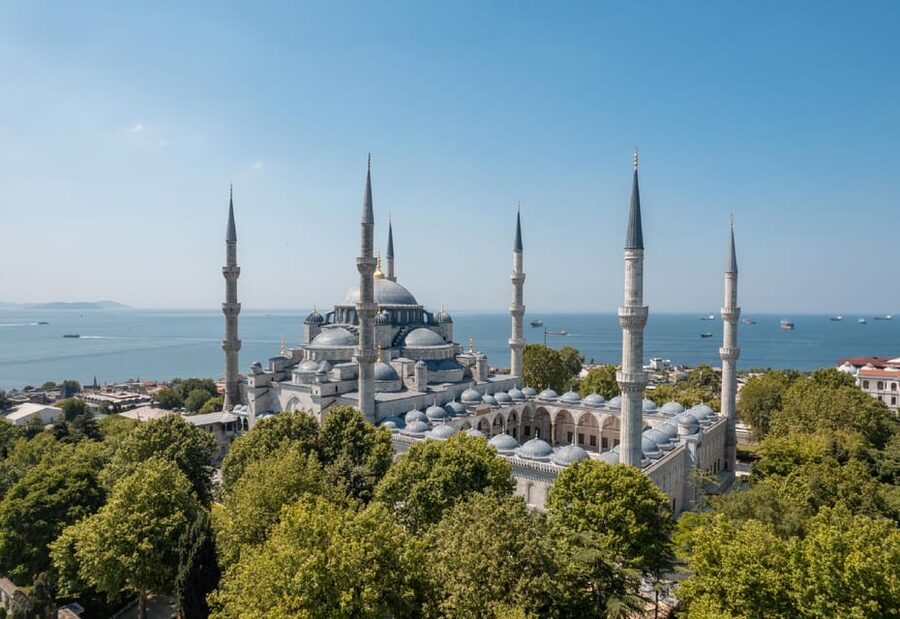
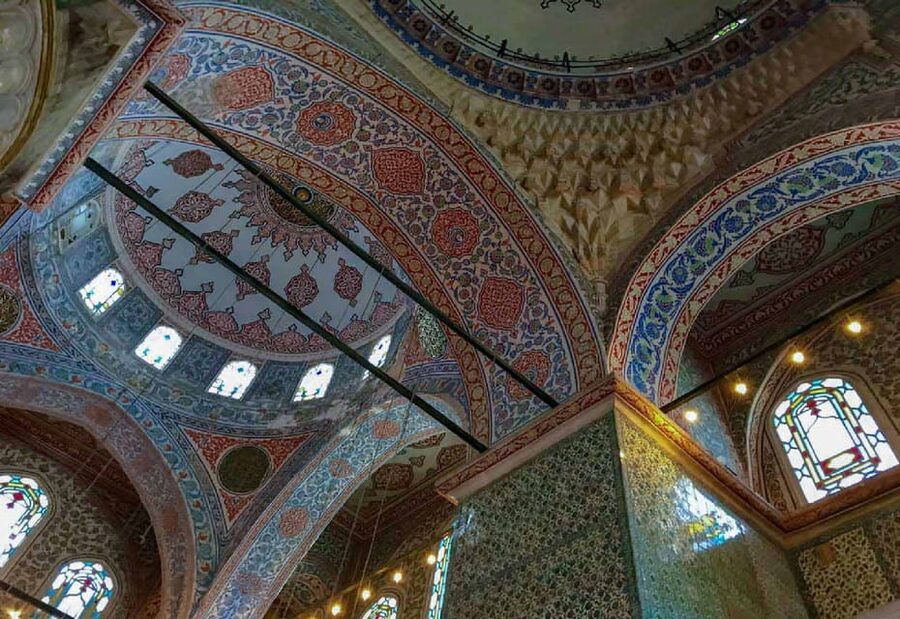
Sultan Ahmed Mosque is world-famous for its Iznik tiles and six towering minarets. Your guide should help you see beyond the obvious photo spots and into what makes the mosque visually and historically interesting.
The big “aha” here is design. The tour description specifically mentions that the guide covers secrets behind its controversial design. You may not catch those details in a quick self-guided visit, especially when you are focused on the main dome and the famous tile patterns. With an English-speaking guide, you can get the story you would otherwise miss.
Expect a guided walkthrough and a break for photos. Keep your camera rules in mind. Flash photography is prohibited inside, and big items like large bags, backpacks, and big umbrellas are not allowed inside.
Tip that saves time: aim to take the “wide” interior photos early, before the space fills in. Then shift to detail shots of tiles and calligraphy once the group settles.
The German Fountain: a diplomatic story in Neo-Byzantine form
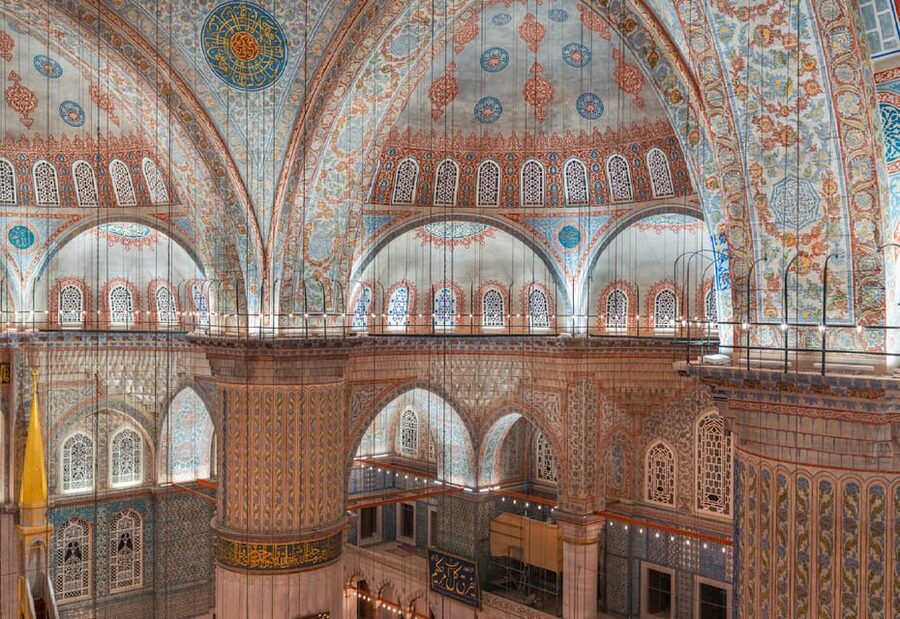
After the Blue Mosque, you move to a stop at the German Fountain. This is described as a Neo-Byzantine fountain and a symbol of Ottoman-German ties, with the added twist of being a royal gift from a Kaiser.
This is one of my favorite kinds of stops on a tour. It is small enough to miss if you are just chasing the big names, but it is loaded with meaning. Istanbul has never been only one story at a time. Empires look at each other, trade, bargain, and borrow style. A fountain like this becomes a tiny, readable postcard of diplomacy.
You should get a guided explanation plus time for photos. Even if fountains do not sound like “must-see,” this one gives you an extra layer of understanding of how modern history pressed against the Ottoman world, right in the same neighborhood you are already exploring.
Theodosius Obelisk and Sultanahmet Square: ancient power meets Ottoman Istanbul
Sultanahmet Square is where you get a strong sense of the city stacking eras on top of each other. The tour includes the Obelisk of Theodosius III, described as an Egyptian wonder in Istanbul. It is said to be 3,500 years old and brought to Constantinople by Emperor Theodosius, still standing tall.
Standing near it, the scale can hit you. You are looking at a monument whose origins are not even local, and yet it became part of the Constantinople story. That is a key theme of this walk. Istanbul is a place where objects move through time and keep their power.
Also in this area, the tour description highlights the Serpent Column, once part of the Temple of Apollo in Delphi. It marks a Greek victory over the Persians, and its snake heads are noted as mysteriously vanished. Even if you do not know its story, you can still notice the relic quality of the monument. With a guide, that becomes a “how does that end up here” moment.
You will get breaks and guided time here, which helps you slow down and actually register what you are seeing. If you sprint through Sultanahmet Square without explanations, you will still get photos, but you will miss the bigger point: this place was built for spectacle and politics, not just sightseeing.


Little Hagia Sophia: the quieter Byzantine prototype you will remember
Then comes a stop that makes this tour feel worth doing even if you have seen Hagia Sophia photos before: Little Hagia Sophia.
This structure is described as a peaceful, intimate glimpse of Byzantine architecture. It was built in the 6th century as the Church of Saints Sergius and Bacchus, and it is described as a prototype for Hagia Sophia. It is smaller and more intimate than the big sister, with a unique octagonal design, an elegant dome, and marble columns.
This is the kind of stop that changes the pace of your whole day. Hagia Sophia can feel overwhelming in sheer size and attention. Little Hagia Sophia gives your brain room to catch up. You can focus on architectural form and atmosphere, without the same intensity of crowds.
Practically, this stop is also a breather. You get break time, photo time, and a guided visit. If you are traveling in a season when Sultanahmet is busy, this calm contrast is a real advantage.
Hagia Sophia: the building that keeps switching costumes
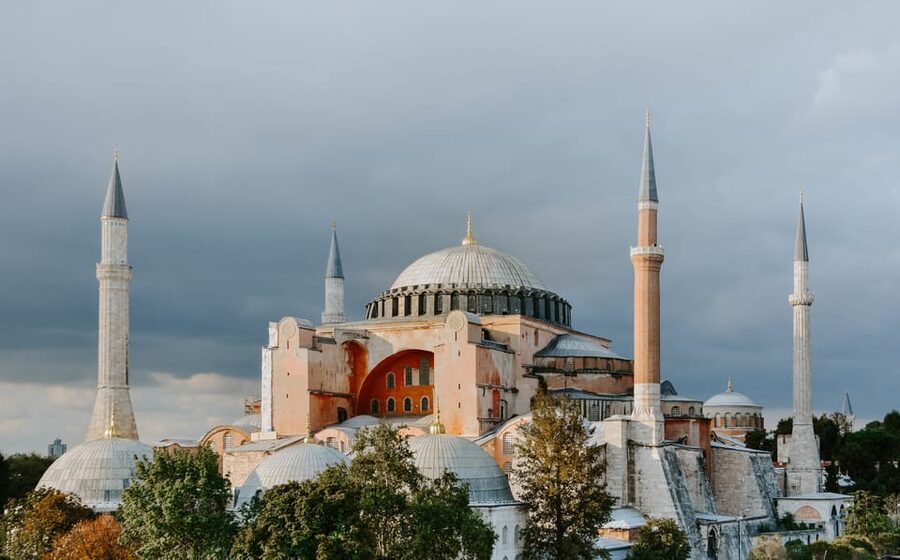
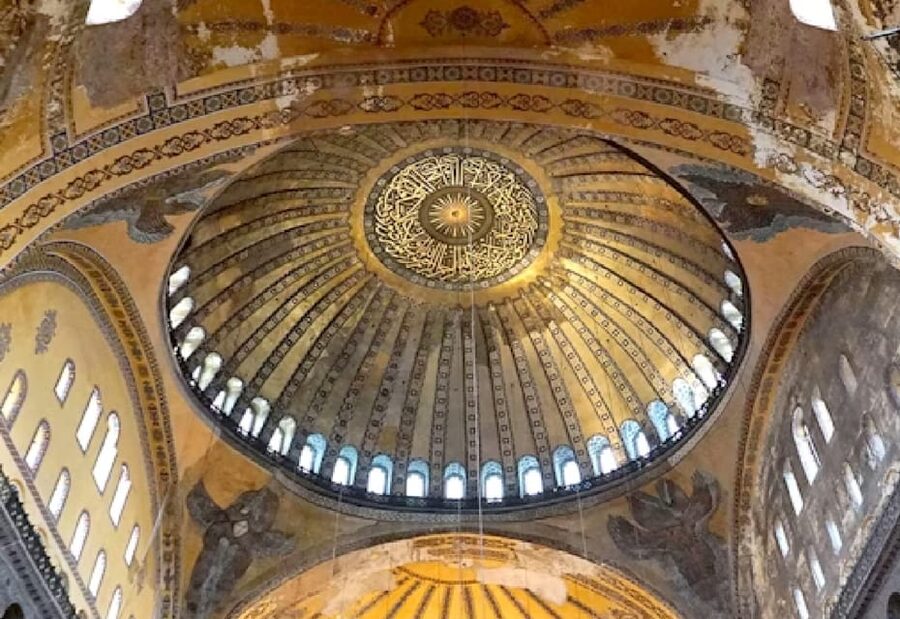
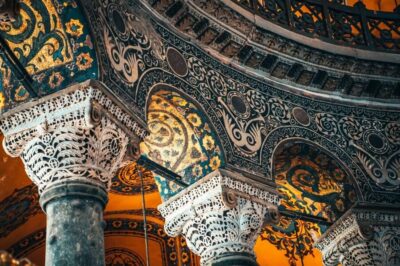
Hagia Sophia is the headline for most people, but this tour keeps it from being just a “walk in, take photos” stop. Hagia Sophia is described as an iconic structure that blends Christian and Islamic art. It is also described as 1,500 years old and having served as both a cathedral and a mosque.
That history matters because it explains what you are seeing inside. Even if you only notice the most famous surfaces, the building’s changes reflect political shifts, religious shifts, and artistic shifts. With a guide, you can connect the dots between the visual language of each era.
The tour includes guided time plus break time and photo stops, and it also includes free time at Hagia Sophia. That free time is important. You might want to revisit a specific mosaic detail, or you might want to slow down and just look without a countdown.
One practical note: the tour description highlights priority admission tickets as not included. So if Hagia Sophia lines are long on your day, your timing may affect how quickly you get in. The good news is you still get guided context once you are inside, so the value does not vanish if queues change the pace.
A calm finish on Soğuk Çeşme Street
After the core monuments, the tour plan includes a peaceful stroll on Soğuk Çeşme Street. The pitch is that history whispers through cobblestones, with restored Ottoman mansions lining the street.
Even if you only catch a slice of it, this part helps you end the tour like a human. It moves you away from the densest concentration of landmark crowds and into a quieter residential feel where you can see how Ottoman-era architecture looks when it is not being framed for postcards.
You also get break time on the way, and the tour is described as ending around the Hagia Sophia Grand Mosque area while returning to the meeting point is listed as the end location. In practice, expect to finish in the Sultanahmet and Hagia Sophia zone. Your exact final walk distance can depend on the day and the group.
Price and value: what you get for around $46
At $46 per person, this tour sits in a “solid value” zone for three major sights in a row, especially when it includes a professional English-speaking guide and a small-group setup. The key value is not only access to the buildings, it is the interpretation.
You are paying for a route that connects objects and architecture with stories, from the German Fountain’s diplomatic angle to the obelisk’s origin and Constantinople arrival, then into Little Hagia Sophia as a architectural stepping stone toward the bigger Hagia Sophia.
Do not ignore what is not included. Food and drinks are not included, so you will want to plan a snack stop around the breaks or eat after the tour. Priority admission tickets to Hagia Sophia are also not included, which can matter on high-demand days.
If you enjoy learning while you walk, and you want a guided flow through Sultanahmet without renting your own timing, this price can be fair.
Who this tour is for, and who should pick something else
This tour is a good fit if:
- you want a structured walk through Sultanahmet with a guide in English
- you care about seeing the logic of the architecture, not just checking boxes
- you prefer small-group pacing over big group shuffling
It is less suitable if:
- you are visiting with young children, since it is not suitable for children under 6
- you have mobility challenges, since the tour says it is not suitable for people with mobility impairments and it notes moderate walking
- you are expecting relaxed dress-code rules, because mosque entry requires modest clothing and headscarves
One confusing detail to be aware of: the activity notes say wheelchair accessible, but it also says not suitable for wheelchair users and those with mobility challenges. Because you cannot count on a contradiction to resolve itself, I would check directly with the provider before assuming anything about step-free access.
Practical rules that prevent last-minute disappointment
If you want the smoothest experience, prepare like you are entering a mosque, not a museum.
Bring:
- a headscarf
Dress and behavior rules:
- no shorts
- no short skirts
- no sleeveless shirts
- flash photography is prohibited inside the Blue Mosque
- flash photography is also called out as prohibited, and large items like flash devices or anything you cannot stow should be avoided
- big umbrellas are prohibited inside the Blue Mosque
- large bags and backpacks are prohibited inside the Blue Mosque
Also remember prayer-time effects. Blue Mosque entry is free, but you might need to wait outside during prayer times. That is not a failure in the system, it is how the mosque works.
Guide quality and the one risk you should plan around
The tour pitch is strong on the guide. It describes an Australian Turkish native English speaker with deep knowledge of the Ottoman Empire and Middle Eastern history. One of the most praised parts of the experience is how well a knowledgeable guide can bring the history and culture to life.
At the same time, there is a clear operational risk to consider. In at least one reported situation, a tour start was canceled with no clear notification, leading to hours of waiting and missed entry to the mosques.
So here is my practical advice. If you are on a tight schedule, keep the provider contact info handy and confirm your meeting time the day before and the morning of. Build a small buffer into your day so one hiccup does not ruin your entire Istanbul plan.
Should you book this Little Hagia Sophia, Blue Mosque, Hagia Sophia walking tour?
Book it if you want a compact Sultanahmet walk with strong historical context, and you like the idea of Little Hagia Sophia as a calmer counterpoint to the big crowds. The best value here is the guide-led storytelling across multiple eras, not just the monuments themselves.
Skip it or shop around if your itinerary is fragile. The mosque rules and prayer-time waiting are predictable. What is harder to predict is whether a specific group day runs exactly as planned, so give yourself time and a backup.
If your goal is to understand what you are looking at, this tour can be a very efficient way to do it in a few hours. If your goal is purely to rush inside and out with minimal walking and zero waiting, you might want a more flexible plan.
FAQ
How long is the Little Hagia Sophia, Blue Mosque and Hagia Sophia walking tour?
The tour is listed as about 3 hours, with a 2.5 hour walking tour included.
What is the price per person?
The price is $46 per person.
Where do we meet the guide, and when does it end?
Meet your guide at Tarihi Sultanahmet Köftecisi Selim Usta. The activity end location is listed as back at the meeting point, though the itinerary also notes finishing around Hagia Sophia Grand Mosque.
Do I need a headscarf?
Yes. You are instructed to bring a headscarf.
Are shorts allowed in the Blue Mosque?
No. Shorts, short skirts, and sleeveless shirts are not allowed.
Is entry to Hagia Sophia included?
Priority admission tickets to Hagia Sophia are not included. Blue Mosque entry is free, but you may need to wait outside during prayer times.
Is the tour wheelchair accessible?
The information includes a wheelchair accessible note, but it also says the tour is not suitable for wheelchair users and those with mobility challenges. Check directly with the provider before booking if mobility is a concern.
More Walking Tours in Istanbul


More Tours in Istanbul




More Tour Reviews in Istanbul

Not for you? Here's more nearby things to do in Istanbul we have reviewed







More Istanbul Hagia Sophia Tours to consider.
 ★ 3.7Hagia Sophia Skip-the-Line Ticket & Museum OptionFrom $334,958 reviews
 ★ 4.8Blue Mosque & Hagia Sophia Guided Tour w/ TicketsFrom $393,600 reviews
 ★ 4.3Hagia Sophia Skip-the-Line Ticket and Audio GuideFrom $352,246 reviews
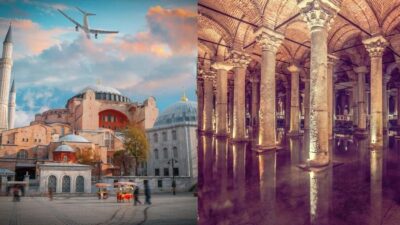 ★ 4.6Basilica Cistern & Hagia Sophia Combo TicketFrom $711,990 reviews
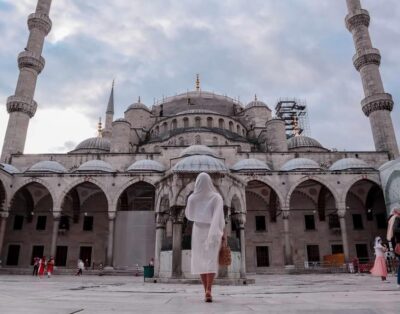 ★ 4.7Blue Mosque, Hagia Sophia, & Basilica Cistern TourFrom $581,806 reviews
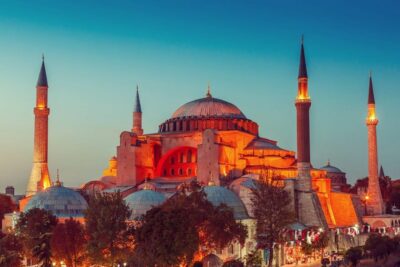 ★ 4.4Hagia Sophia Skip-the-Line Ticket with Audio TourFrom $421,767 reviews
 ★ 4.3Blue Mosque, Basilica Cistern, & Hagia Sophia TourFrom $781,634 reviews
 ★ 4.3Hagia Sophia Skip-the-Ticket Line & Audio GuideFrom $411,469 reviews
Other ways to explore Istanbul