
Review · CAPPADOCIA TRIPS FROM ISTANBUL
Magic Carpet 10 Day Small Group Istanbul Troy Ephesus Cappadocia
This tour is a history sprint with breaks. You get guided time for the big-ticket sites across Istanbul and the ancient world, plus enough freedom to wander on your own. Small-group travel (max 20) keeps it personal, and entrance fees are handled for the key sights so you spend less time fussing and more time looking.
What I like most is how the experience is shaped by the guide team. Names that pop up again and again, like Goksu and Tamer, are praised for turning monuments into something you can actually understand, with organized timing that helps you make the most of each stop. The main drawback to plan for is the pace: long days, frequent transfers, and limited true downtime mean you should pack energy, not just shoes.
Key highlights to watch for
- Max 20 travelers gives you a real chance to ask questions instead of shouting into the bus
- Entrance fees included on the major sights, so your day stays on track
- Domestic flights included (Izmir to Kayseri, then Kayseri to Istanbul) to simplify the big-distance jumps
- Carpet craft visit in Ephesus adds culture beyond ruins
- Gallipoli and Troy bring high-impact historical moments, not just pretty photos
- Pamukkale + Hierapolis includes both the white travertines and the Roman-era context
Small-group Turkey value: what you’re really paying for
At $2,262.94 per person for about 10 days, you’re not just buying a list of sites. You’re paying for the structure that makes Turkey feel manageable: a professional English-speaking guide, an air-conditioned vehicle, and hotel nights (9 nights). On top of that, entrance fees are included for the scheduled highlights, which matters because ticket lines and surprise add-ons can quietly inflate a trip.
This is also a tour with a semi-independent feel. Most days are guided, but you still get room to breathe. Day 1 ends with time to explore Istanbul at your own pace, and the format is built for you to ask questions when you want clarity instead of being pushed through everything with zero context.
Group size is the real comfort factor. With a maximum of 20 travelers, you’re more likely to hear what your guide says and less likely to lose the group every time you blink. In practice, that makes the whole thing calmer, especially on days packed with ancient sites.
You can also read our reviews of more tours and experiences in Istanbul.
Why the guide matters more than the brand name
The sites in this route are famous, but the difference between just seeing them and getting something out of them is the guide. In the feedback for this company, specific guides are repeatedly called out by name, including Goksu, Tamer, Can, and La Le, along with drivers such as Hekim, Murat, and Cengiz. The theme is consistent: strong organization, solid local context, and timing that helps you stay in control of your day.
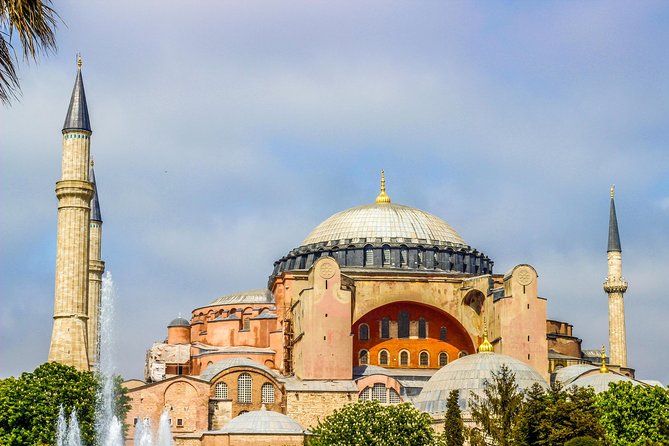
Here’s what that means for you. When you’re at a place like Ayasofya (Hagia Sophia) or Ephesus, you’ll get more than a quick route through the highlights. You’ll understand the why behind the architecture, the layers of occupation, and what to pay attention to as you walk around. And when you’re at emotionally heavy Gallipoli battlefield sites, having someone guide the narrative makes the visit land differently.
You’ll also appreciate the practical touches. Several guide notes emphasize recommendations for restaurants and the ability to personalize the day. That doesn’t mean every plan becomes custom. It means you’re not stuck with one-size-fits-all group touring every second.
Istanbul and the two-continents feeling on Day 2
You start with a transfer to your hotel and your own time in Istanbul on Day 1. That’s a good setup. You can reset from travel, get oriented, and make a first pass at neighborhoods without feeling like you’re late for a timed entry.
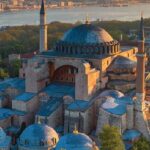
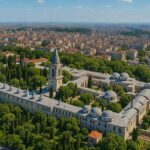
Day 2 is a big one, centered on Ayasofya and then a broader Istanbul highlights loop. You’ll see the Blue Mosque, St Sophia Museum, Topkapi Palace, and the Hippodrome area. This is the kind of day where it helps to have someone connect the dots between Byzantine and Ottoman power centers.
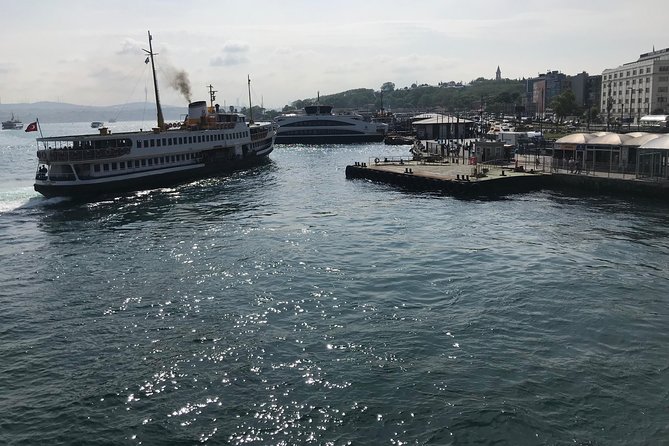
Then comes the water between continents. You’ll cruise between Europe and Asia along the strait, with an optional half-day Bosphorus cruise if you want extra time on the water. Even if you skip the optional boat ride, the idea is solid: Istanbul isn’t only about buildings. It’s about the geography that makes the city a crossroads.
If you’re the type who likes photos, this day delivers. If you’re more of a details person, it also delivers. You’ll be in the mix of major landmarks where the design choices tell you who ruled and why.
Gallipoli: when the tour gets heavy in the best way
On Day 3, the tour heads to Gallipoli Battlefield. This is described as one of the most emotionally touching places in Turkey, and the route reflects that. You’ll visit key memorials like Lone Pine and Chunuk Bair, plus ANZAC Cove, The Nek, Johnston’s Jolly, and the original trenches and tunnels.
This kind of day has two sides. One is the logistics: expect a full day, and plan for long hours. The other side is mental. Sites like this are not about spectacle. They’re about meaning, and the guided framing matters.
Why it’s valuable for your trip: it gives weight to the rest of the itinerary. When you later see places like Troy, you’ll feel a stronger sense of how ancient and modern conflict can shape landscapes, memory, and identity.
One consideration: if you’re sensitive to war history, give yourself permission to step back for a few minutes when you need it. Having a guide does not mean the day should feel easy.
Troy and Behramkale: ancient legend plus real village life
Day 4 brings you to Troy (Truva), a UNESCO World Heritage Site, plus the Troy Museum. The museum matters because it helps you connect what you see on the ground with what the site represents. You’re not just walking among ruins. You’re walking among evidence.
After Troy, you continue to the old village of Behramkale. That stop is genuinely useful because it slows the pace down a notch. You get time to explore the village, take in the scenery, and grab Turkish tea or coffee at a local café.
Then you head south toward Kuşadası, setting you up for the Aegean leg.
The practical advantage here: your day is not only ancient sites. You get a human-scale break in between. If you’ve been doing big monuments back-to-back, this kind of reset is welcome.
Ephesus day: ruins, museum time, and carpet craft
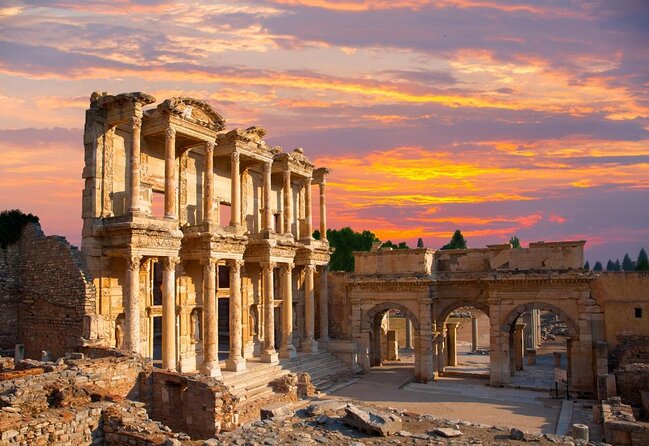
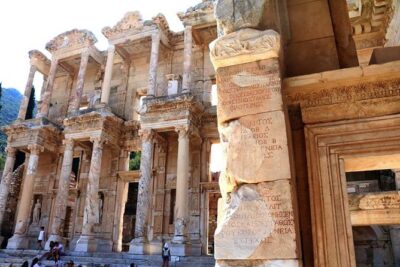
Day 5 is built around Ancient City of Ephesus, with a guided tour plus a visit to the Temple of Artemis site. You’ll also see the theatre area and then spend time at the Ephesus Archaeology Museum, which houses artifacts from the region.
This day is a strong example of why this tour feels more educational than a simple drive-and-stop. You get both the outdoor city layout and the curated context inside the museum. That makes the ruins make more sense.
Then comes a cultural add-on that I really like: the visit to a carpet village where you learn how carpets are made by hand and what affects their value. Even if you don’t plan to buy, it’s a chance to see the craft process and ask questions about materials and labor.
One consideration: carpet stops can be time-consuming. The good part is that you’re not only shopping. You’re learning. Still, if you dislike sales pressure, keep your boundaries clear and use the session for information, not impulse buying.
Pamukkale and Hierapolis: the white terraces and the Roman layer
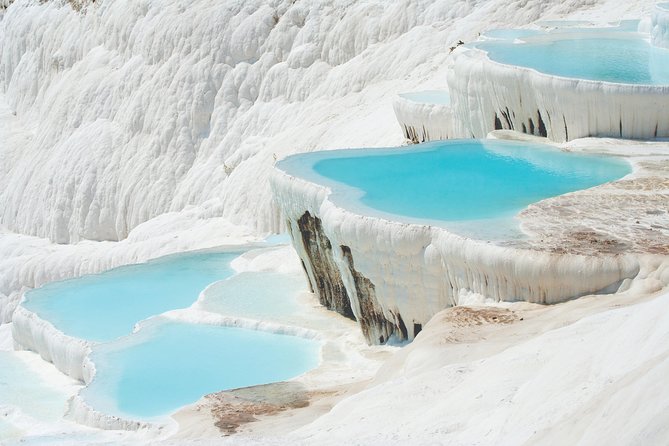
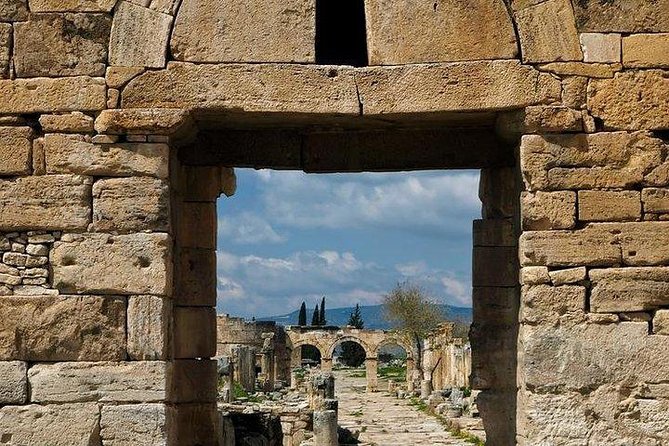
Day 6 is Pamukkale Thermal Pools, including the famous white calcium terraces, known as Travertines, plus a tour of the ancient city of Hierapolis.
If you only remember one thing from this day, remember the pairing. Pamukkale is iconic, but Hierapolis gives you the historical frame for why people cared about this place in Roman times. You’ll also have the chance to take a dip in hot springs that were used historically for therapeutic purposes, and the setting includes ancient columns.
What makes this day worth it: it’s one of the rare combos where a visual experience and a historical explanation land together. You’re not only chasing a photo. You’re understanding a destination.
Practical note: terrace areas and hot springs can mean slick footing and warm temperatures. Plan accordingly and move slowly. You’ll enjoy the day more if you treat it like a careful walk, not a sprint.
Konya stops: Sultanhani Caravansary and Mevlana Museum
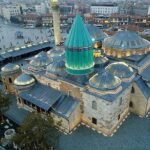
Day 7 takes you to the Silk Road story with a stop at Sultanhani Caravansary, then Mevlana museum in Konya.
This day is interesting because it shifts the focus from battlefield and ancient cities to the movement of people and ideas. Caravansaries were built for travelers and trade, and the concept fits the route you’re taking. Even if you’re tired from earlier transfers, this is a palate cleanser.
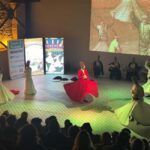
In the evening, there’s an optional traditional Turkish folklore experience. It’s listed as optional and the admission is marked as free, meaning it’s worth considering if you want a break from museums and stone.
Cappadocia in daylight: Goreme Valley and an underground city
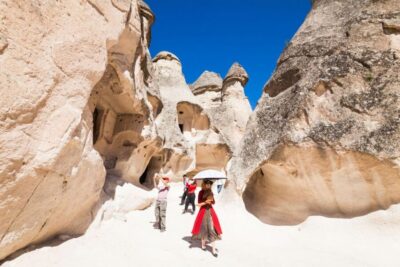
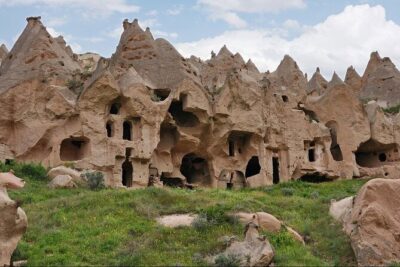
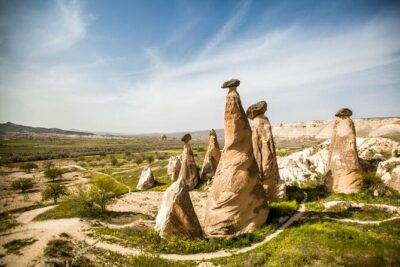
Day 8 is Cappadocia with a visit to the Goreme Valley Open Air Museum and the fairy chimneys, plus time exploring levels of an underground city.
This is one of those days where the geography does the storytelling. Goreme’s rock-cut churches and the open-air museum setting help you picture how communities lived, worshiped, and survived. Then the underground city adds a different kind of wow. You’re going from sunlit valley views to the idea of shelter and escape below ground.
A key practical point: Cappadocia can be crowded depending on your timing. The guide’s reputation for organization matters here, because the right order of stops helps you avoid the worst crush.
Another consideration: this day has about 6 hours scheduled in the Cappadocia portion, so you’ll need to stay flexible. There’s a lot to see, and time is always the real currency.
Ankara on Day 9, then back to Istanbul on Day 10
Day 9 is an early departure to Ankara for Anitkabir, the mausoleum of Mustafa Kemal Ataturk, followed by returning to Istanbul. It’s a strong counterbalance to the ancient sites. You get a look at modern Turkish identity and state-building, not just archaeology.
Day 10 is simple: after breakfast, the tour concludes and you’re transferred to the airport for your onward flight.
This closing format works well for two reasons. First, it keeps your final day from getting swallowed by last-minute sightseeing chaos. Second, it gives you a clean exit from the group, so you can shift to your own Istanbul plans without feeling stuck.
Flights and transfers: how the included air hops change the trip
A big value driver is that domestic flights are included between Izmir to Kayseri and Kayseri to Istanbul. That’s important because this route connects regions that are too far to comfortably manage with only road travel.
If you’ve ever taken long drives through Turkey, you already know the tradeoff. You either waste daylight stuck in transit or you spend the whole trip feeling like a chauffeur is doing the sightseeing. These included flights help you keep the trip focused on the places you came for.
Also, the tour includes a car ferry between Canakkale and Eceabat, which is one of those practical touches that makes the logistics feel smoother instead of turning into a scavenger hunt.
Meals, entrances, and what to budget on your own
The included meals are breakfast (9) and dinner (6), with some meals not covered every day. Entrance fees are included for the scheduled attractions, which is a major part of why the tour can stay competitively priced compared with booking everything separately.
What you should still budget for:
- Lunches and any drinks not covered by the included dinners
- Suggested optional activities
- Tips for driver and guide
- Compulsory travel insurance
If you like control over your eating, the structure is a mixed bag. You do have dinners included, which can remove decision fatigue. But you’ll still need to plan for lunch day-to-day, especially on longer touring days like Gallipoli or full ancient-city stops.
Who this tour suits best
This is a great fit if you want a guided Turkey highlights circuit without feeling like you’re locked into every minute. You’ll enjoy it most if you like:
- Big-name historical sites with explanation
- A small-group pace that keeps you engaged
- Stops that include both ancient ruins and cultural context, like the carpet craft visit in Ephesus
- Built-in travel help, especially the included domestic flights
It may be less ideal if you hate early starts or if you want lots of free afternoons. The itinerary is packed, and you’ll move from region to region with a clear sense of schedule.
Should you book the Magic Carpet 10-Day Turkey Small Group tour?
If your goal is classic Turkey highlights in one trip, I’d take this seriously. The overall rating of 4.8 from 76 reviews and the 97% recommendation rate point to a consistent experience, and the most praised elements are exactly what matter on a trip like this: strong guides, smooth organization, and drivers who keep you feeling safe through long days.
Just be honest with yourself about pace. This is not a slow vacation where you linger in one city for days. It’s more like guided access to a greatest-hits route, with a little breathing space where it counts.
If that sounds like your style, book it. If you’re chasing maximum relaxation, consider a shorter or more single-region tour. This one is for people who want to see a lot, learn a lot, and still feel cared for along the way.
FAQ
What’s included in the tour price?
You get a professional English-speaking tour guide, transportation in an air-conditioned non-smoking vehicle, car ferry fees between Canakkale and Eceabat, entrance fees, 9 nights accommodation, breakfast for 9 days, and dinner for 6 days. Domestic flights are also included, between Izmir and Kayseri and between Kayseri and Istanbul.
How big is the group?
The tour has a maximum of 20 travelers.
Which main destinations and attractions are covered?
The trip includes Istanbul highlights such as Ayasofya (Hagia Sophia), the Blue Mosque, Topkapi Palace, and the Hippodrome. It also covers Gallipoli battlefields, Troy and the Troy Museum, Ephesus plus the Temple of Artemis site and the Ephesus Archaeology Museum, Pamukkale and Hierapolis, Konya stops including Sultanhani Caravansary and the Mevlana Museum, Cappadocia with the Goreme Valley Open Air Museum and underground city visits, and Ankara’s Anitkabir.
Are domestic flights included, or do I need to book them myself?
Domestic flights are included as part of the tour: Izmir to Kayseri and Kayseri to Istanbul.
Are meals like lunch included?
Lunch is not listed as included in the provided information. Breakfast and dinner are included for the days noted in the tour details.
Does weather affect the experience?
Yes. The experience requires good weather. If it’s canceled due to poor weather, you’ll be offered a different date or a full refund.
More Tour Reviews in Istanbul
Not for you? Here's more nearby things to do in Istanbul we have reviewed

More Cappadocia Trips from Istanbul to consider.
 ★ 5.02 Day All Inclusive Cappadocia Tour from Istanbul with Optional Balloon FlightFrom $725429 reviews
 ★ 4.9From Istanbul: 2-Day All-Inclusive Cappadocia Guided TripFrom $709380 reviews
 ★ 4.72-Day Cappadocia Trip with Flights and Cave HotelFrom $328318 reviews
 ★ 5.02 Days Cappadocia from Istanbul with Cave Hotel+Optional BalloonFrom $330260 reviews
 ★ 4.5Cappadocia Dream: 2-Days Tour from Istanbul & Balloon Ride OptionFrom $590236 reviews
 ★ 4.6From Istanbul: Day Trip to Cappadocia with Flight & LunchFrom $188182 reviews
 ★ 5.04 Days Turkey Tour – Cappadocia, Ephesus and Pamukkale TourFrom $1,571138 reviews
 ★ 5.02 Days Cappadocia Tour From IstanbulFrom $725132 reviews
Other ways to explore Istanbul