
Review · GALLIPOLI & TROY TRIPS FROM ISTANBUL
Private Day-Tour of Ancient Battle Fields (Troy & Gallipoli)
Two wars share one long day. This Troy and Gallipoli private tour links Bronze Age legend to WWI tragedy, with an early start, a ferry crossing, and guided stops on both sides of the Dardanelles.
I love how the day mixes story and place, so myth doesn’t stay stuck in books. You get hotel pickup and a guide who can stitch together what you’re seeing, from Athena’s hilltop views to the names and locations tied to the Gallipoli campaign.
One thing to plan for is cost creep: museum fees and meals are not included, so bring money for tickets and lunch. The day is also long, so pace yourself and wear shoes you trust.
Key points to know before you go
- Early 6:30 am start keeps you ahead of crowds, and leaves time for both Troy and Gallipoli.
- Ferry across the Dardanelles adds a real sense of geography, not just a bus ride between stops.
- Troy is more ruin than palace. The guide helps you read the site like a map, not a movie set.
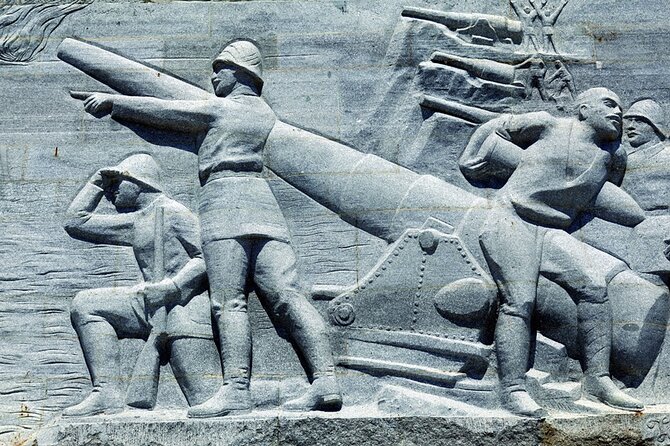
- WWI stops focus on both sides, with explanations of Ottoman and ANZAC fighting and the cemetery memorials.
- Skip-the-line access with your guide saves some waiting, especially on busy days.
- Private format means only your group participates, plus hotel or port pickup and drop-off.
A single day that connects Troy, then war memorials
This is the kind of Istanbul excursion that makes sense if you like themes. Here the theme is conflict, told in two time periods and two very different languages of memory.
In the morning, you’ll work through Troy as an ancient city and a legendary stage for Homer’s Iliad. By later afternoon, you’ll be looking at the Gallipoli Peninsula where WWI unfolded over beaches, ridges, and supply routes through the Dardanelles. The change in mood is the point, and it lands best when you let your brain reset between stops.
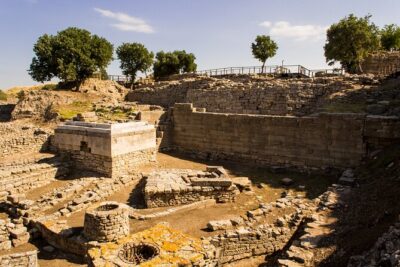
You should also know what kind of Troy day you’re signing up for. Troy is a Bronze Age archaeological site, so you’re not going to see a fully intact royal palace. Still, the setting, the walls, and the way key spots are explained can turn “ruins” into something you can actually understand.
You can also read our reviews of more private tours in Istanbul


The rhythm of an early start with hotel pickup and drop-off
The tour begins around 6:30 am, with pickup arranged from your hotel or your port. You’ll get your exact pickup time after booking, and it’s smart to be ready in the lobby about 15 minutes early.
Why the early start matters: you’re covering two distant areas in one day, so you need daylight for views and walking. You also want your ferry and your main Troy visit to feel unhurried, not rushed. The day is listed at about 12 hours, and one couple noted they were back close to 8 pm.
Bring a printed voucher and a photo ID when you meet your guide. That’s one of those details that can save you stress at the pickup point.
Driving along the Marmara shore before the Dardanelles crossing
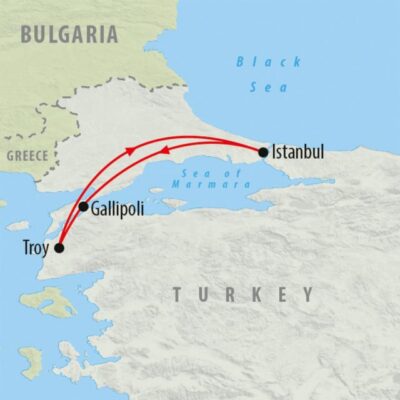
After pickup, you’ll head along the European shore of the Marmara Sea. The drive gives you sea views and a first feel for the coastline and villas that line parts of this region.
Then you’ll cross the Dardanelles by ferry to reach Troy. That crossing is more than a transfer. It helps you understand why these straits mattered for navigation, trade, and war, because you experience the narrow waterway as a physical reality, not an abstract fact.
If you like history that has “why,” this portion does the job. You’re learning the geometry of the region while you’re still fresh and sitting comfortably, before the walking begins.
Troy visit: city walls, Athena’s area, and the stone theater
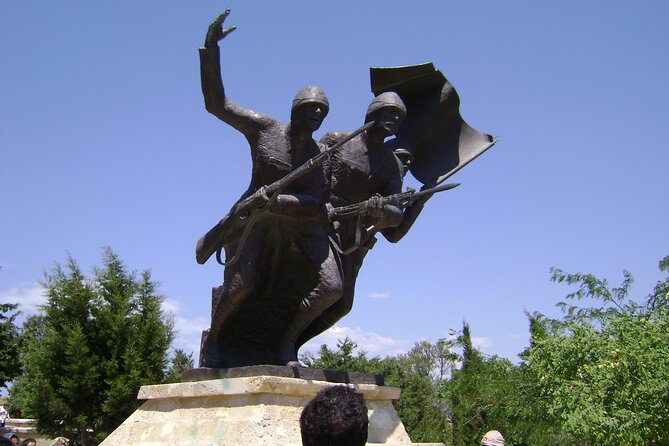
At Troy, your guide brings you through the archaeological site with a route that makes sense for a day trip.
You’ll explore the ancient city from the standpoint of key features people still use to orient the site: the city walls, Athena’s temple area, and notable preserved structures like the Odeon, a stone theater that’s described as beautifully preserved. A theater at an ancient city stop is a nice mental shift. It reminds you this wasn’t only a fortress. People gathered, watched, argued, performed.
The practical benefit of having a guide is interpretation. With ruins, you need someone pointing out what matters and why. Without that, you can wander for hours and still feel like you saw a few mounds and stones.
Also, don’t treat Troy like a theme park. I recommend mentally “zooming in” on what you’re seeing. The walls, the vantage points, and the logic of the site are the big wins.
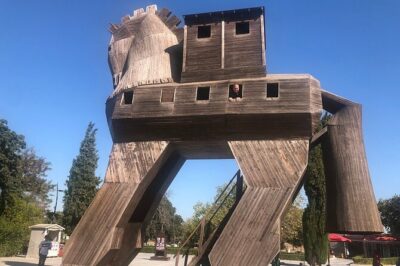
The reconstructed Trojan Horse: why you should plan your time for it
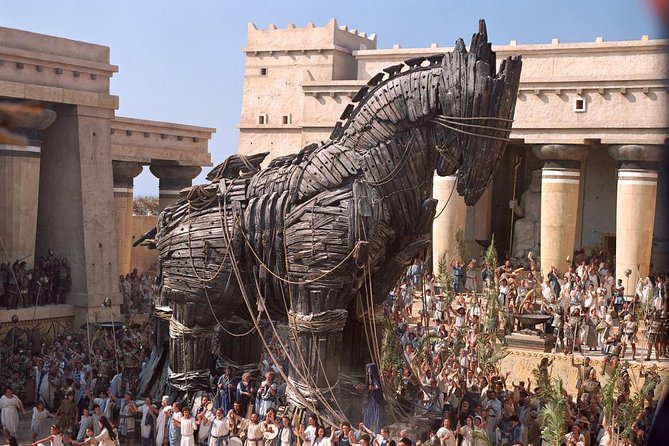
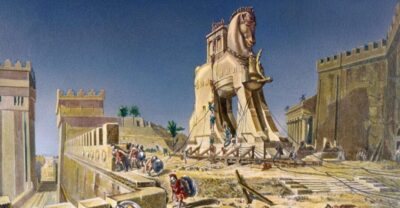
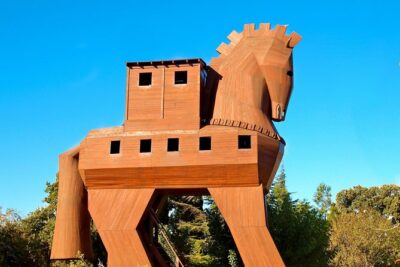
One of the most talked-about moments on this route is the Trojan Horse. There’s both a statue stop and time connected to the larger horse concept, including the chance to climb inside a reconstructed Trojan horse.
That’s one of the few ways this tour makes the Iliad feel tactile. The story is about subterfuge, the wooden horse as a trick that leads the Trojans to pull an enemy into the city. Even if you’re not a die-hard myth person, stepping inside changes the tone from reading to experience.
It’s also a good break in pacing. You’re outdoors, you’re moving, you’re resetting your brain after the walking through Troy’s ruins and viewpoints. Just remember it involves an attraction-like structure, so use your best sensible shoes and keep an eye on footing.


Temple of Athena viewpoint: the geography lesson you’ll remember
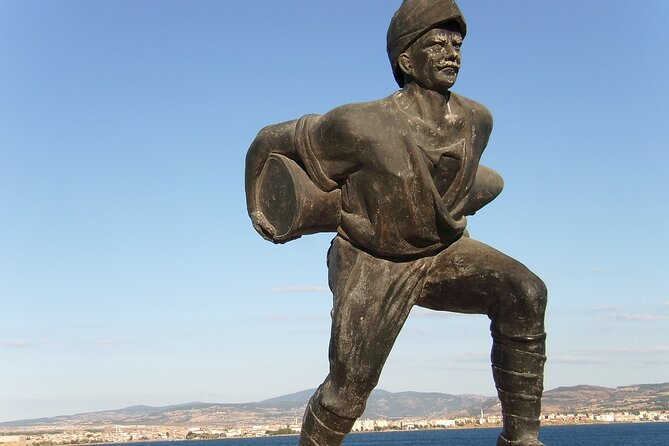
From the Temple of Athena area, the view is a major part of the value. On a clear day, the sightlines stretch toward Lesbos to the south and toward other landmarks in the wider region.
This is the stop where the guide’s job becomes especially important. When someone explains why the temple sits where it does, you start to see how ancient people chose sightlines for defense, worship, and identity. It’s not just pretty. It’s strategic.
Expect a moderate amount of walking on uneven ground. Even if you’re not struggling physically, you’ll want to slow down and look. A good view needs you to stand still for a moment and let it register.
Behram and the Aristotle connection to Assos
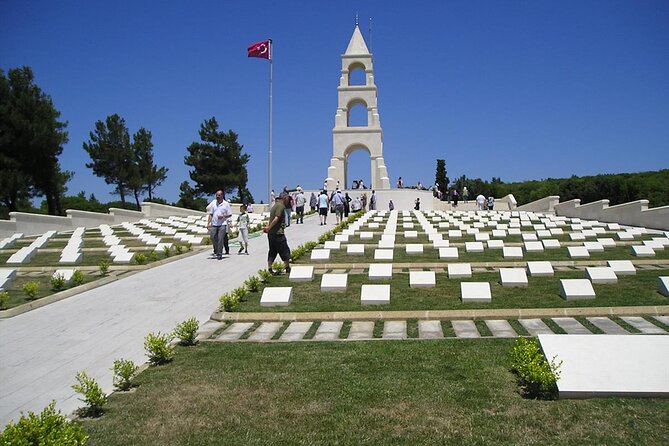
After Troy, you’re taken back on the European side to make additional stops, including one labeled Behram. This stop may feel different from the big-name attractions, but it adds depth to the day.
The information shared here centers on Aristotle and his ties to Assos after leaving Athens. It mentions Aristotle being welcomed by King Hermias in Assos and the fact that a modern statue of Aristotle sits at the town entrance.
Why this matters for you: it shifts the day from two famous narratives (myth and WWI) into a wider story of thinkers and places that shaped history around the Aegean world. Even if you’re not studying philosophy, it helps you connect the dots between ancient cities, geography, and how ideas traveled.
It’s also a nice chance to break up the intensity of the later battlefield stops. Use it to stretch and rehydrate if needed.
Gallipoli battlefield stops: learning the campaign by standing on the ground
Then the tour turns fully serious.
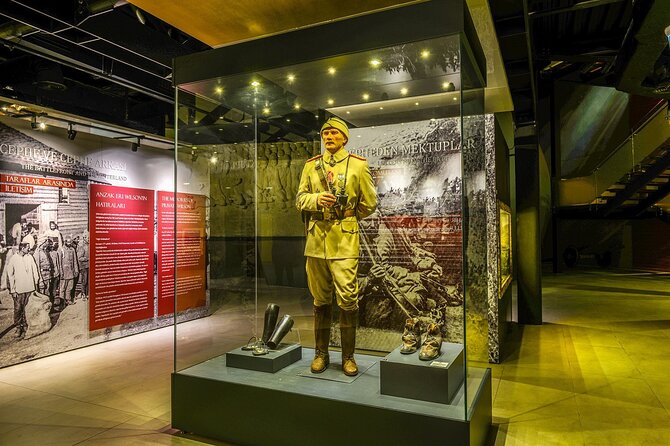
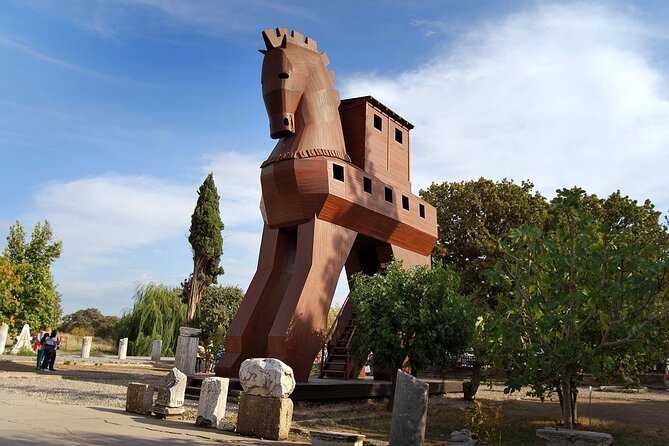
You’ll visit the Gallipoli Battlefield area, tied to the Dardanelles campaign of WWI. The campaign ran from February 1915 into early January 1916, and the stakes were supply and control of the straits. This tour frames the fighting as a clash between Ottoman forces and the ANZAC troops, within the larger plan by the Entente powers.
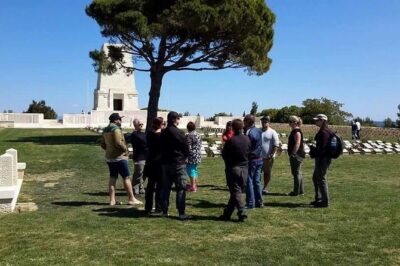
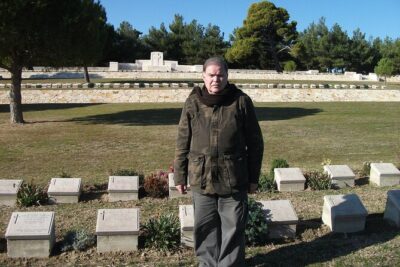
On-site, the key value is context. You’re not only seeing terrain. You’re learning the operational logic, why the landings happened where they did, and why the fighting turned so brutal. The day includes moving cemeteries and memorial moments that make the loss feel real instead of abstract.
One thing I think is especially important here: let the site set the pace. Sit down if you can find a spot. Read names if signage is available. This part works best when you don’t rush.
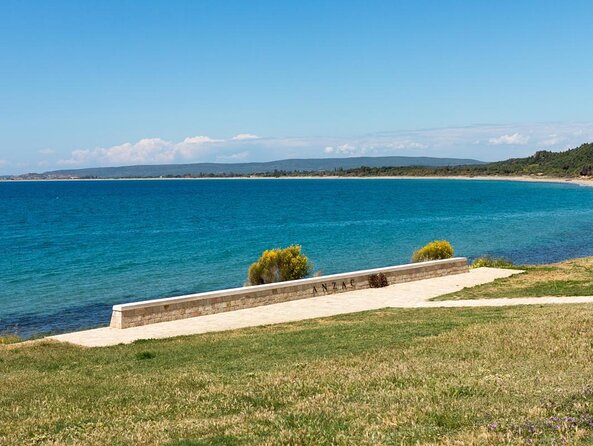
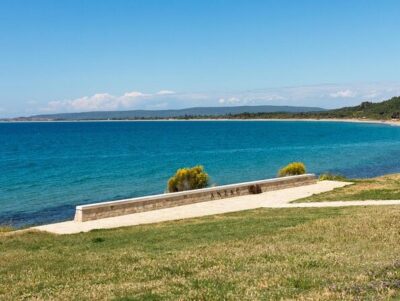
Anzac Bay Beach at the key landing zone
Next comes Anzac Bay Beach, also associated with the landing at Gaba Tepe and known in Turkey as the Arıburnu Battle. The tour’s description focuses on the April 25, 1915 land phase, when forces of the British Empire, including Australian and New Zealand Army Corps troops, landed on the western side of the peninsula.
The detail that matters is how the landing unfolded. The troops landed about a mile north of the intended beach, got mixed in the darkness, and then were drawn into battle in pieces. That’s the kind of operational detail that makes the terrain feel less random when you’re standing there.
This stop is also where the emotional tone often becomes strongest for many visitors. Even when you’re trying to process history intellectually, the physical place and the memorial atmosphere shift the mood fast.
“Gentleman’s War” and the value of hearing it explained your way
Some tours mention Gallipoli in a general tone, like a school unit you half remember. This one aims to make the campaign understandable and human.
You’ll learn about the fierce fighting between Ottoman and ANZAC troops, and you’ll hear why some called it a Gentleman’s War. You’ll also get memories of the First World War from a local perspective during the day.
That mix, history plus personal framing, is one of the most praised parts of this experience. In past departures, specialist knowledge from guides such as Ali was highlighted, and that kind of guide attention can turn a long day into a coherent story.
Still, there is one practical consideration. At least one prior guest noted that their guide’s English was only average and the knowledge base varied. My advice is to ask clear questions early. If you care about specifics, start with the exact kind of details you want, and let the guide steer the explanation.
Private guide and driver: how this format helps you get your money’s worth
This is a private tour, meaning only your group participates. That matters because you can go at the right pace for your interests, whether you want more time at Troy viewpoints or you’d rather linger at memorial areas.
You also get a private vehicle for the long day. One couple mentioned traveling in a BMW, which fits the “comfortable car for a long haul” idea. Don’t expect this to feel like mass transit. The point is comfort and control.
Skip-the-line access with your guide is another value add. It doesn’t magically remove every wait, but it can save time at stops where lines form.
And yes, budget for guidance. This day often involves both a driver and a guide in the day’s flow. One practical tip from prior visitors: bring tip money for both, since they’re both involved in making the day work.
Price and value: what you’re paying for at $541.85 per person
At $541.85 per person, this isn’t a budget day trip. So you need to decide if the cost matches what you actually want.
Here’s what you’re paying for, based on what’s included:
- hotel or port pickup and drop-off in Istanbul
- transportation for the full day
- a knowledgeable professional guide
- skip-the-line access with your guide
- time efficiency by covering Troy and Gallipoli in one go
What’s not included:
- meals and drinks
- museum entrance ticket fees
So the real value question becomes this: do you want one guided day that links the Iliad and the Dardanelles campaign, with a route you wouldn’t want to DIY in a single day? If yes, the price can make sense because it buys you a lot of logistics plus interpretation.
If you’re mainly interested in only one side, you could potentially get a cheaper option by focusing on either Troy or Gallipoli. But if you want the full arc, from ancient city to WWI memorial ground, the combined format is the main reason the price feels justified.
What to budget beyond the listed price
Since museum entrance ticket fees and meals are not included, you should budget separately. Tickets can be small, but the reality is that you’ll likely pay more than you expect if you’re not prepared.
I also suggest budgeting for lunch. The tour day is long enough that trying to “power through” with snacks can make the last battlefield stops feel harder than they need to.
For practical timing, plan for a full day out of your hotel, not a quick morning outing. Bring water, and keep an eye on sun exposure, because you’ll spend time outdoors at viewpoints and beach areas.
Timing tricks to keep the day from feeling exhausting
If you want the day to feel meaningful, use these pacing tricks:
- Eat before you’re rushed. The 6:30 am start means you’ll likely be hungry later.
- Bring a small layer. Coastal air and ferry time can feel cooler than you expect.
- Take micro breaks. Use the short listed stops to step out, stand still, and reset.
And here’s a truth about long tours: your enjoyment depends on your expectations. If you go into Troy expecting grand palaces, you’ll feel disappointed. If you go in expecting a ruin you can read with a guide and learn from views, you’ll likely love it.
Who this tour suits best (and who should reconsider)
This fits you if:
- you like mythology but also want context you can stand on
- you’re interested in WWI and want the Gallipoli campaign explained on location
- you’d rather pay for logistics than manage them yourself
- you prefer a private group so the day matches your pace
It might not be ideal if:
- you dislike long days or early starts
- you’re trying to stay strictly within a single all-in price and don’t want extra spending for tickets and food
- you want minimal walking, because this day includes outdoor sites and movement across uneven terrain
The physical fitness guidance is listed as moderate, so you can still do it with a realistic pace. Just don’t plan to treat it like a sit-down museum tour.
Should you book this Troy and Gallipoli private day tour?
If your time in Istanbul is short and you want one day that connects Troy’s legendary end with Gallipoli’s real human cost, I think this is a strong choice. The best version of this trip is guided and thoughtful, with time for viewpoints, ruins, and memorial atmosphere.
Book it if you’re okay with extra costs for meals and ticket fees and you can handle a full 12-hour day. If you only care about one theme, pick the one that fits you most, because the combined day is designed to be a full narrative arc, not a sampler plate.
FAQ
What time does the tour start?
The start time is 6:30 am.
Is hotel pickup and drop-off included?
Yes. Transportation from and to your base location in Istanbul is included, and the tour offers pickup.
Is this a private tour?
Yes. It’s private, so only your group participates.
What language is the tour guide?
The tour is offered in English.
How long is the day?
Duration is approximately 12 hours.
Are museum entry tickets included?
No. Museum entrance ticket fees are not included.
Are meals included?
No. Meals and drinks are not included.
What do I need to bring to the meeting point?
You will be asked to present a printed voucher and photo ID when you meet your guide.
What if I need to cancel?
You can cancel for free up to 24 hours in advance for a full refund. Cancellation within 24 hours of the start time is not refundable.
More Private Tours in Istanbul


More Tours in Istanbul




More Tour Reviews in Istanbul

Not for you? Here's more nearby things to do in Istanbul we have reviewed







More Gallipoli & Troy Trips from Istanbul to consider.
 ★ 5.0Istanbul to Gallipoli Full Day Tour with Lunch and TransfersFrom $157567 reviews
 ★ 4.9Gallipoli Full-Day Tour from IstanbulFrom $154468 reviews
 ★ 4.9From Istanbul: Gallipoli and Anzac Full-Day TourFrom $159345 reviews
 ★ 4.7Troy: Full-Day Tour from IstanbulFrom $169312 reviews
 ★ 4.5Gallipoli Day Trip from IstanbulFrom $240147 reviews
 ★ 5.0Istanbul to Gallipoli, Canakkale and Troy. 2 Day Tour with HotelFrom $387144 reviews
 ★ 4.5Istanbul to Truva Troy Guided Day Tour with Lunch and TransfersFrom $172134 reviews
 ★ 5.0Troy Full-Day Guided Tour incl. Transfer, Ferry Tickets w/LunchFrom $151126 reviews
Other ways to explore Istanbul