
Review · ISTANBUL HAGIA SOPHIA TOURS
Private Hagia Sophia Sultanahmet Blue Mosque Cistern Grand Bazaar
A day around Sultanahmet can feel like a blur, but this plan keeps it organized. You’ll move through five major stops, from Roman-era landmarks to Ottoman-era faith sites, then finish with classic bazaar wandering. What makes it work is the private licensed guide and the built-in time for the most popular spaces without you having to guess your way through.
I love how the pacing is easy to follow, especially with the Hagia Sophia and Basilica Cistern ticketed sites handled efficiently so you can spend your energy looking, not waiting. I also like that the day mixes big icons with real Istanbul street life, then gives you an optional lunch at Deraliye near the mosques.
One possible drawback: you’ll need to budget for museum entrance fees that are not included, especially for Hagia Sophia and the Basilica Cistern. The good news is the guide helps you sort tickets quickly once you’re there.
Key highlights worth planning for
- Private licensed guide who can tailor your pace and keep the day flowing
- Fast ticket help for Hagia Sophia and the Basilica Cistern so you waste less time
- Structured walk across Sultanahmet with clear order from Hippodrome to the Grand Bazaar
- Early overview moments at the Hippodrome and Blue Mosque that make later sights click
- Optional Ottoman-style lunch at Deraliye in the heart of Old Istanbul
- Grand Bazaar timing note for Sundays, when bazaar hours differ and craft-center options replace browsing
A smart Istanbul “icons plus context” day
This is a 6 to 7 hour private tour in Istanbul that stitches together the skyline of Sultanahmet and the shopping chaos of the Grand Bazaar. It’s designed as one continuous walking day, with pickup offered if you want to reduce friction at the start. You’ll have a licensed English-speaking guide, plus mobile ticket support, so your day feels smoother than trying to plan five stops back-to-back on your own.
The real value is how the guide connects what you’re looking at to what it used to mean. The Hippodrome is not just a flat ruin. The cistern isn’t just “cool lights and columns.” And Hagia Sophia is not only a photo spot. Your time makes more sense as the day moves forward, because the story gets explained in plain language as you go.
I like that this is set up for groups of up to 15 people. That’s big enough to feel like a lively tour, but small enough that you should still get personal guidance rather than being shoved into a crowd.
You can also read our reviews of more private tours in Istanbul

Hippodrome first: setting the stage before the mosques
Most people walk past the Hippodrome area without realizing it mattered. Starting here helps you get your bearings. This site is linked to Constantinople’s imperial era, but it was originally built earlier, when the city was still Byzantium, a provincial stop rather than a grand capital. Later, emperors renovated and expanded it, turning it into a stage for chariot racing and public entertainment.
Emperor Septimius Severus rebuilt and expanded the city in AD 203, and that era included construction of a hippodrome for spectacles. Then later, Constantine the Great pushed the whole city into a new political identity after his victory near Chrysopolis. One of his major projects was renovating the Hippodrome, which helps you understand why so many layers show up in a relatively small area.
You’ll spend about 35 minutes here, and it’s free admission. The payoff is mental. Before you reach the Blue Mosque and Hagia Sophia, you’ll understand how this neighborhood shifted from a civic entertainment center to a symbolic religious heart. That context matters when you start seeing how power, architecture, and public space evolved.
Tip for your pace: if you like to read details, bring your curiosity. The Hippodrome stop is short, so focus on the bigger story rather than trying to memorize every measurement.
Blue Mosque: what to notice during the one-stop visit
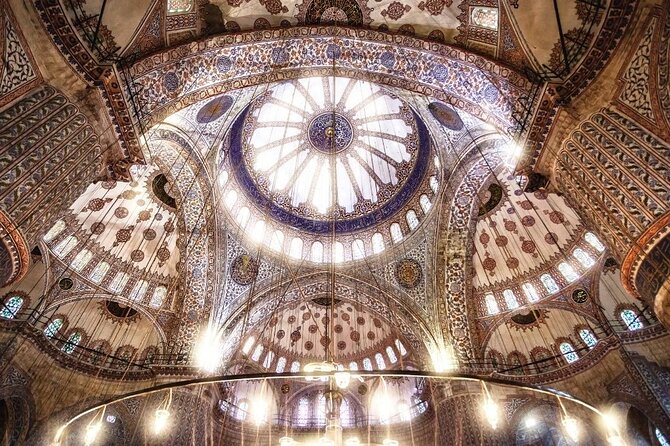
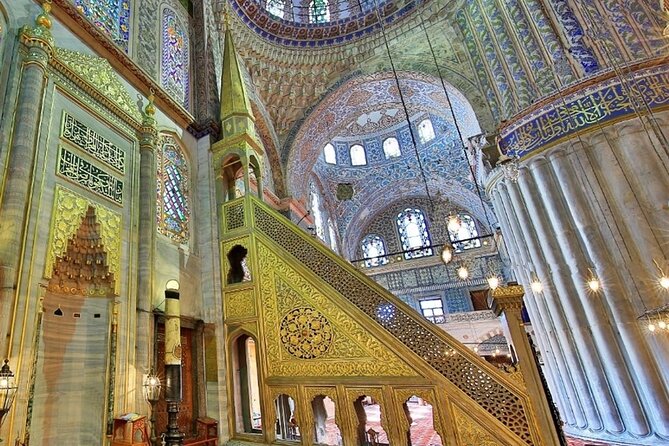
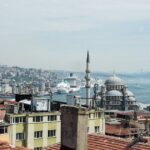
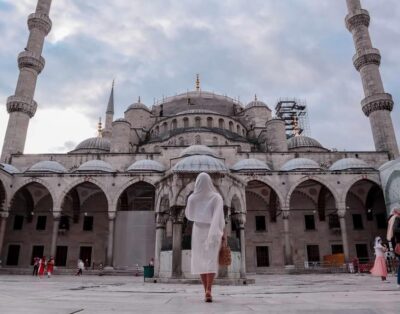
Next comes the Blue Mosque, also known as Sultanahmet Camii. This is where the day becomes visually loud, in the best way. You’ll have about 55 minutes here with your licensed guide, and entry is free. The guide meets you at Gate C, then points out what to look for so you don’t just rush through the highlights.
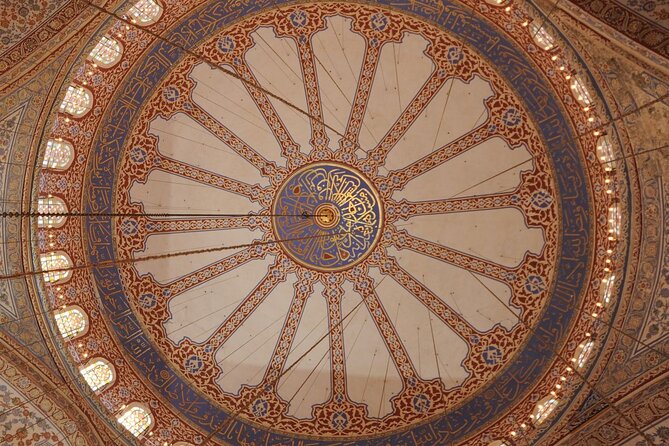
What makes this stop worth your time is the chance to slow down and notice the design choices. The mosque sits in the same larger historical zone that includes Hippodrome and Hagia Sophia, so it helps to look at it with the day’s “layers” theme in mind. You’re not just viewing a building. You’re watching a city express identity through art, religion, and architecture.
This stop is also one of the most practical points in the day. Because it’s free, it’s the place where you can spend your effort on observation instead of worrying about tickets. And since the day is guided, you’re less likely to lose time figuring out where to go next.
Potential consideration: mosques are active religious sites. That means you should plan for respectful behavior and comfortable clothing rules. The tour data emphasizes a licensed guide, which is exactly what you want when you’re trying to navigate without stress.
Basilica Cistern, Yerebatan Sarayı: a “wow” stop under the city
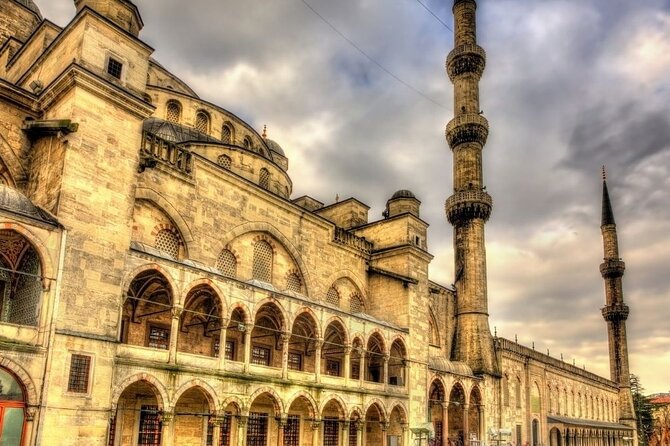
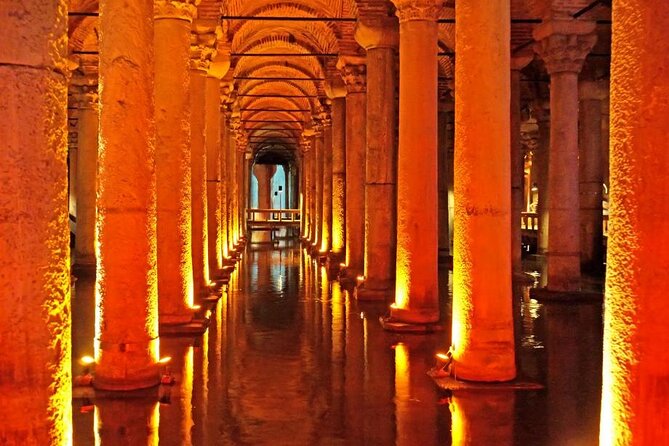
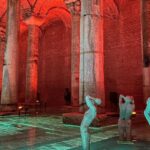
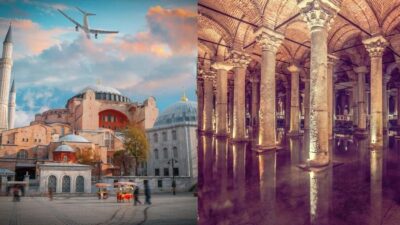
Then you go underground, to Basilica Cistern, nicknamed Yerebatan Sarayı (Sunken Palace). This is one of Istanbul’s most striking spaces because it’s not just atmospheric. It’s functional architecture turned into a museum experience.
You’ll hear how it was built by Eastern Roman Emperor Justinian I between 527 and 565. The structure is enormous, with a water storage capacity of about 80,000 tons, and it has around 10,000 square meters of covered interior space. The cistern’s footprint is described as rectangular, about 140 meters long and 70 meters wide. The standout feature for most first-timers is the forest of marble columns rising from the water.
Here’s what you should expect from a guided visit like this: you’ll see the cistern as an engineering project, not just a cool room. The materials you were given also note that it was built on the site of a former Stoa Basilica, so the cistern is essentially a reused site. That gives you something to look for beyond aesthetics, even if you’re there for photos.
Admission to Basilica Cistern is not included. The ticket price is listed in the materials you’ll see as 40 USD and also 35 Euro. Either way, plan for a museum fee here.
Why this stop is worth paying for: it’s a complete change of setting. In the same day you’ve seen open-air civic history and major religious architecture. The cistern is the city’s hidden infrastructure, turned into a place that makes you look slowly.
Hagia Sophia Grand Mosque: ticketed entry and queue reduction
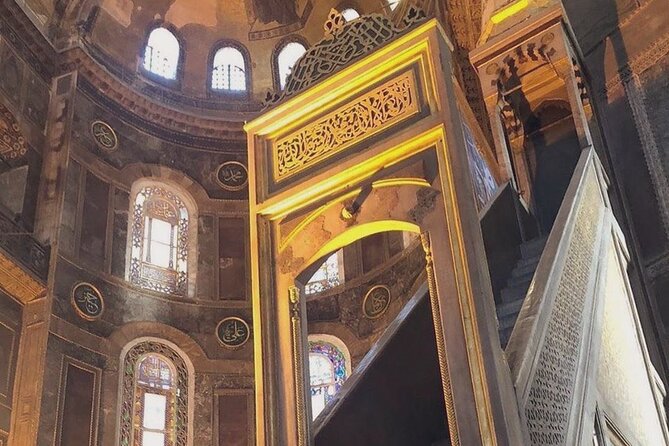
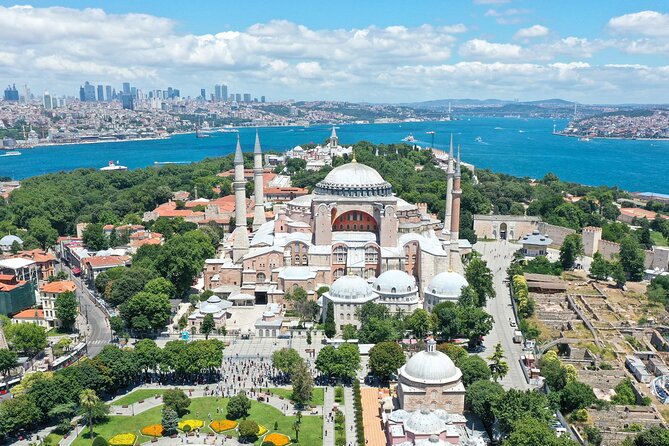
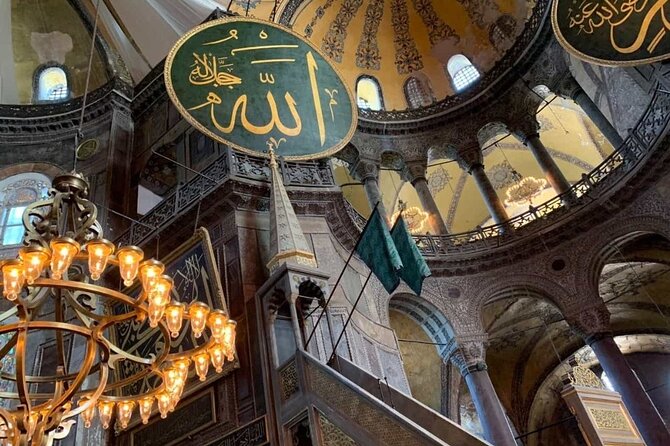
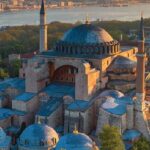
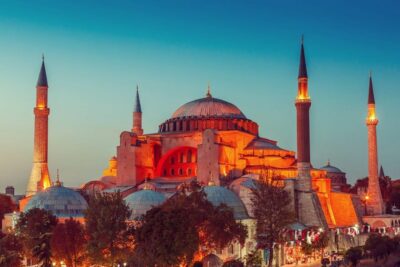
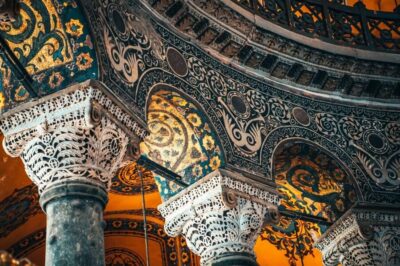
Next up is Hagia Sophia Grand Mosque, the museum complex that many visitors treat like a must-hit. This tour schedules it for about 1 hour, but the key benefit is how your licensed guide helps you manage the logistics of entry.
The tour materials state a ticket fee is not included, with examples listed as 31 USD and also 25 Euro for Ayasofya. Because pricing can change, I’d treat those numbers as planning estimates and double-check at checkout. What matters most is that the guide’s job includes helping you get through as quickly as possible.
Why do that at all? Because Hagia Sophia is a magnet. If you’re relying on self-navigation, it’s easy to lose 30 minutes or more just finding the right lines or access points. With a guide, the time you save tends to become time spent looking at the details you actually came for.
What should you focus on once inside? Use the day’s context. Hagia Sophia is where you’ll feel the shift from ancient civic identity to imperial and religious symbolism, then into modern visitor access. If you enjoy architecture and want to connect eras in your head, this stop rewards that instinct.
Respect note: it’s a living religious site. Wear clothing that won’t slow you down, and expect the atmosphere to be more formal during prayer times if they line up with your visit.
You can also read our reviews of more shopping tours in Istanbul



Grand Bazaar after the big sights: shopping with a plan
After Sultanahmet’s monumental spaces, the tour moves into the Grand Bazaar, one of Istanbul’s most famous shopping labyrinths. You get about 1 hour 30 minutes here, and admission is free.
This bazaar sits on the Historical Peninsula, a UNESCO World Heritage Site since 1985. It also gets extremely high foot traffic, with the tour materials noting over half a million visitors every day. In other words, it’s energetic, crowded, and loud, so a timed visit makes sense.
The practical shopping focus is clear: look for carpets, jewelry, Iznik tiles, and leather jackets or furs. You can also browse just for the feel of the place, which is why many people love it even if they do minimal buying.
One useful scheduling detail: the materials mention the bazaar is closed on Sundays. If your tour lands on a Sunday, it will be replaced with craft-center style browsing around the bazaar area. That’s important because it affects what kind of shopping experience you’ll get that day.
How to shop without getting worn out: decide what you want before you enter. If your list is broad, you’ll spend the whole time deciding, and you’ll leave tired instead of satisfied.
Deraliye lunch break: Ottoman-style comfort in the middle of it all
Between Hagia Sophia and the Blue Mosque area, there’s time to eat at Deraliye Restaurant. This is a convenient break, because it’s close to the main sights and keeps your day from turning into a long commute.
The lunch concept is Ottoman court inspired, described as dishes that used to be served at the Ottoman Empire’s court, with an extra emphasis on a menu fit for a Sultan. Lunch is an optional extra, not included in the base price.
This is where the day becomes human. After standing, looking up, and walking all morning and early afternoon, you’ll want real energy. Having a set lunch option also helps you avoid the classic problem in Istanbul: you spend time searching for food, then end up eating late and too tired to enjoy your next stop.
If you skip lunch: you still get the break time, but you’ll need to manage your own meal plan.
Private guide value: why this tour feels easier than DIY
This tour is built around one simple idea: you shouldn’t have to work harder than the sights themselves.
Your package includes a private professional licensed tour guide, plus coffee and/or tea. It also says the program is flexible, which matters in real life. Weather, crowds, and timing can shift, and a guide can adjust without you having to scramble.
The guide experience shows up in the names you might see from prior groups. People have praised guides including Liz, Serkan, Yusuf, and Sara for clear explanations, patient pacing, and good on-time service. One description also highlighted Serkan introducing the culture and community of Istanbul, not just pointing at buildings.
Also, if you’re traveling with kids or you need gentler pacing, that kind of adaptability is usually the difference between a fun day and a stressful one. The format here is private, so your group stays together.
Price and logistics: what you’re really paying for
The tour price is listed as $150.00 per group, with a capacity of up to 15 people, and it runs about 6 to 7 hours. Since it’s private, that base price is mostly paying for the guide and the structure.
The big “yes, budget for this” items are the museum tickets. Hagia Sophia and Basilica Cistern are not included. The materials list example fees of Ayasofya 25 Euro and Basilica Cistern 35 Euro, and they also include USD examples, 31 USD for Hagia Sophia and 40 USD for the cistern. Because those numbers conflict slightly, treat them as approximate and plan on spending extra at ticket time.
Transportation is also listed as not included if needed. Some groups may find walking and public transit is enough, especially since the tour notes it’s near public transportation.
What makes the price feel fair: you get private time at multiple major sites plus ticket help. That tends to lower the hidden costs of a DIY day, like lost time, wrong entrances, and stress.
Who this tour suits best, and who might want to adjust expectations
This tour is a good fit if you want a guided day through Sultanahmet and the bazaar without turning it into a scavenger hunt. The itinerary works well for first-timers who want context, and it suits travelers who prefer a steady pace rather than sprinting from photo stop to photo stop.
It also makes sense if you care about understanding what you’re seeing, especially at Hagia Sophia and the Basilica Cistern. Those stops benefit most from a guide who can connect the building to the larger city story.
If you only want the highlights and you hate crowds, you might feel the bazaar part is too much. Grand Bazaar is intense, and the tour gives you a fixed time. In that case, you could consider a shorter visit or adjust expectations before you book.
Should you book this private Istanbul tour?
I’d book this if you want a private, structured route through the key Sultanahmet sights and then a realistic Grand Bazaar browsing window, with a guide who helps you keep things moving.
Book it if:
- you want a licensed guide and a calmer experience at Hagia Sophia and Basilica Cistern
- you’re okay paying museum tickets on top of the base price
- you like a mix of big landmarks and local street-level shopping energy
Skip it or reconsider if:
- you don’t want to pay for museum admissions during the tour
- you prefer to explore on your own with no guided pacing
If your main goal is to see the big icons and still understand how they connect, this is a solid value for the time you get, the guidance you receive, and the fact that the hardest logistics are handled for you.
FAQ
How long is the tour?
The tour runs about 6 to 7 hours.
Is this a private tour, and what is the group size?
Yes, it is private. Only your group participates, with up to 15 people.
Are tickets for Hagia Sophia and the Basilica Cistern included?
No. Museum entrance tickets are not included. The materials list example prices such as 25 Euro for Ayasofya and 35 Euro for the Basilica Cistern, and also mention USD amounts (31 USD for Hagia Sophia and 40 USD for the cistern).
Is pickup offered?
Pickup is offered.
Where do you meet for the Blue Mosque visit?
For the Blue Mosque stop, the guide meets you at Gate C.
Is the Grand Bazaar visit included, and is it open every day?
Grand Bazaar admission is free. The materials note that the bazaar is closed on Sundays, and on those days it will be replaced with around bazaar craft-center options.
Is lunch included?
Lunch at Deraliye is optional. The tour includes the break, but lunch is listed as not included in the base price.
More Shopping Tours in Istanbul
More Private Tours in Istanbul



More Tour Reviews in Istanbul

Not for you? Here's more nearby things to do in Istanbul we have reviewed






More Istanbul Hagia Sophia Tours to consider.
 ★ 3.7Hagia Sophia Skip-the-Line Ticket & Museum OptionFrom $334,958 reviews
 ★ 4.8Blue Mosque & Hagia Sophia Guided Tour w/ TicketsFrom $393,600 reviews
 ★ 4.3Hagia Sophia Skip-the-Line Ticket and Audio GuideFrom $352,246 reviews
 ★ 4.6Basilica Cistern & Hagia Sophia Combo TicketFrom $711,990 reviews
 ★ 4.7Blue Mosque, Hagia Sophia, & Basilica Cistern TourFrom $581,806 reviews
 ★ 4.4Hagia Sophia Skip-the-Line Ticket with Audio TourFrom $421,767 reviews
 ★ 4.3Blue Mosque, Basilica Cistern, & Hagia Sophia TourFrom $781,634 reviews
 ★ 4.3Hagia Sophia Skip-the-Ticket Line & Audio GuideFrom $411,469 reviews