
Review · COFFEE EXPERIENCES
Turkish Coffee and Traditional Turkish Dessert Cooking
A sweet Istanbul afternoon starts with butter, cheese, and patience. I like how this class teaches künefe step by step, and then switches gears to Turkish coffee made the old-fashioned way. One thing to consider, though: künefe includes dairy and gluten, so allergies need extra care.
The mood is what makes it worth your time. You are invited into a real home in Kâğıthane, in the Talatpaşa area, and you cook with a small group of up to 6. In the best-case scenario, the teaching feels personal, with time for questions and a relaxed table afterward.
If you want a hands-on cooking class where you actually learn how to do it again at home, this fits. If you are looking for big-ticket entertainment or a fast history lesson, this is more quiet and practical than showy.
Key things to know before you go
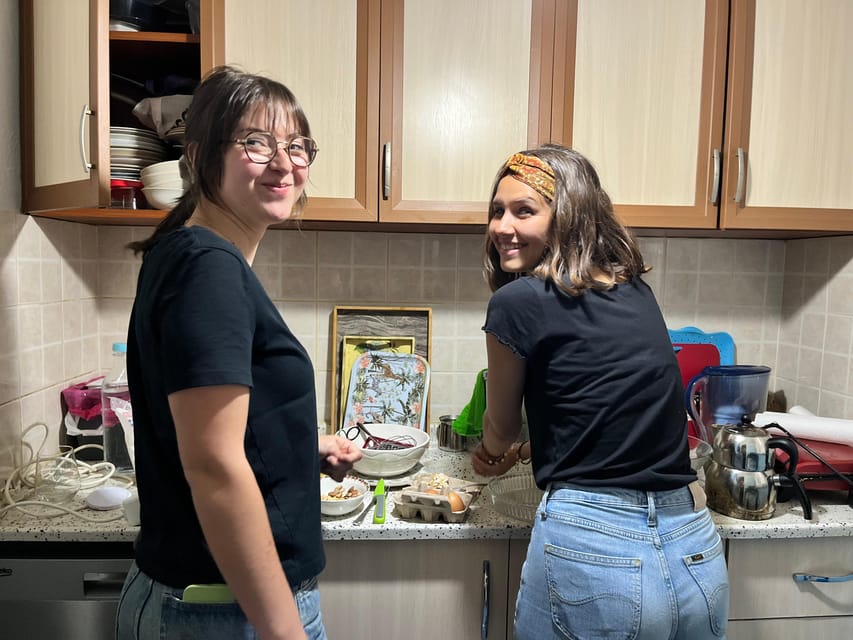
- Small group, up to 6 people: more hands-on time, less waiting around.
- Künefe first, then Turkish coffee: two iconic flavors in one 2.5-hour session.
- Cooking over flame: you learn how the pastry gets crisp and the dessert turns golden.
- Coffee culture included: frothy, slow-brewed Turkish coffee is treated like part of the social ritual, not an afterthought.
- 2 to 3 desserts: one class may focus on künefe, and another day you might also make sweets like flour halva and semolina cookies.
- Home-table time matters: you eat what you make with tea or coffee and conversation with the people hosting you.
Entering a Kâğıthane home and meeting your hosts
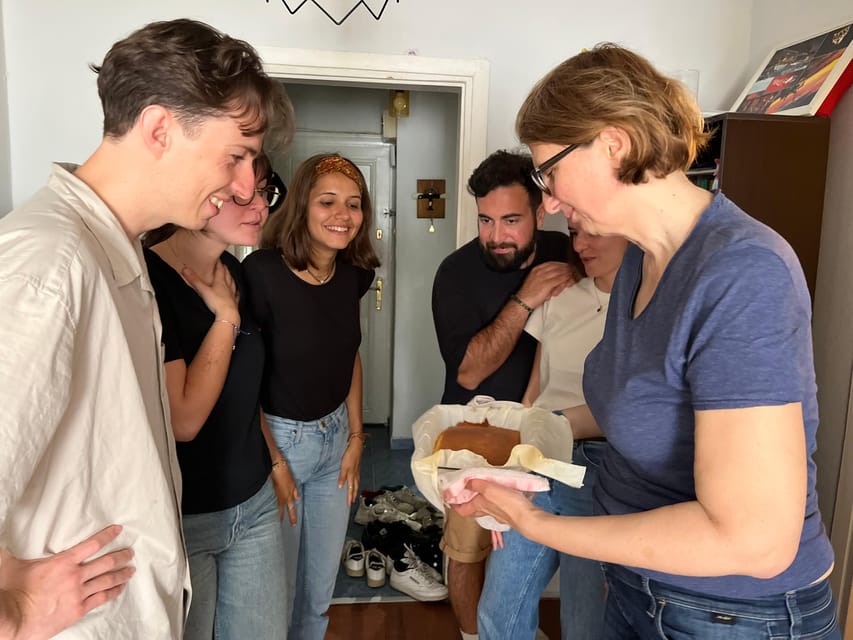
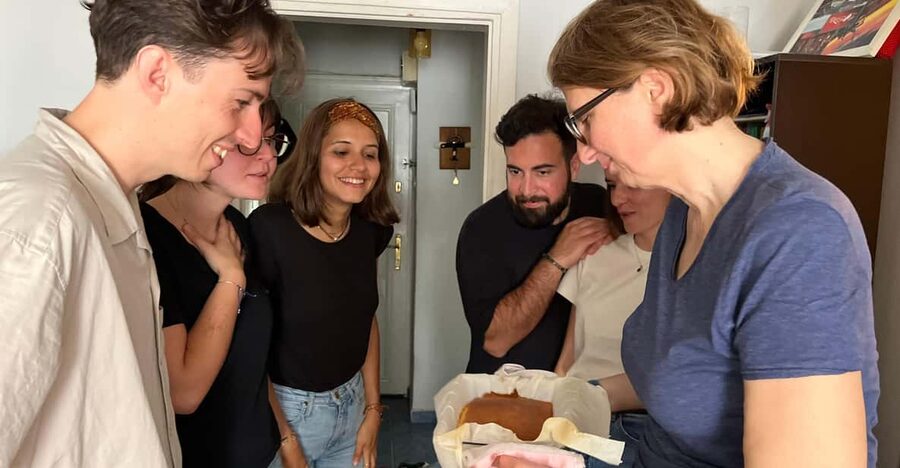
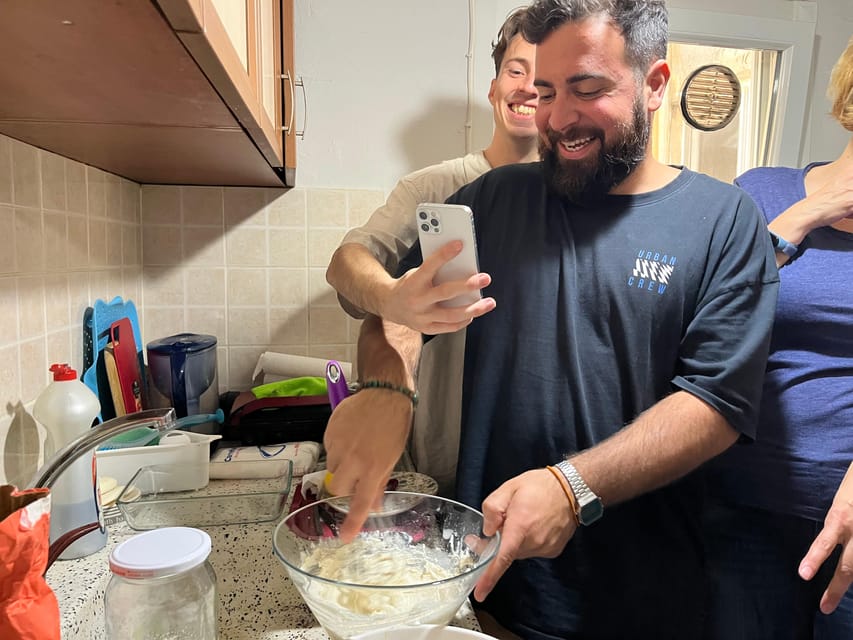
This experience is set up to feel like visiting, not touring. The meeting point is a residential address in Talatpaşa, Büyükbey Sk. No:4 D:11, 34400 Kâğıthane, Istanbul. When you arrive, the host lets you in. That detail matters because it changes the whole tone. Instead of crowd control, it’s you at the right door, then straight into a home kitchen rhythm.
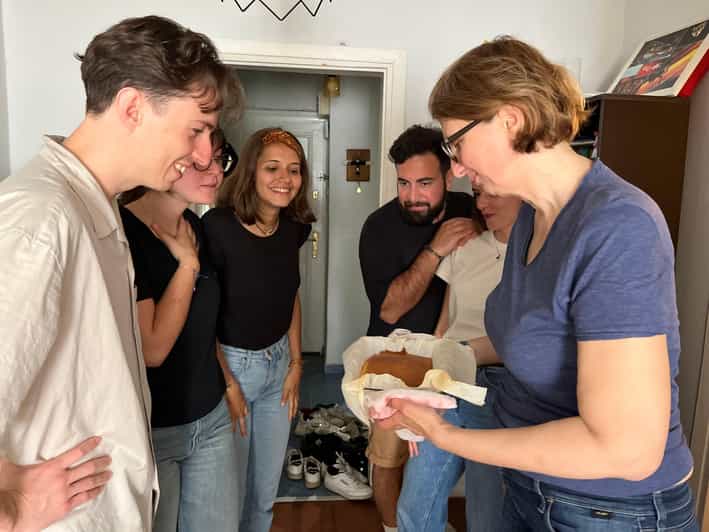
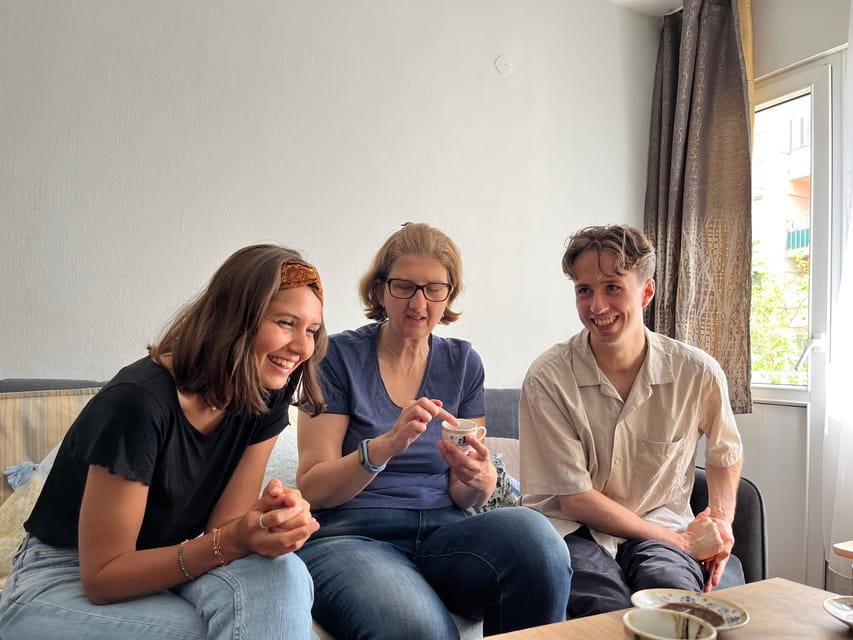
The teaching is led by a Turkish-English instructor, and you may also spend time with Nuran, the welcoming host often mentioned in past sessions. In at least one cooking day, Nuran’s sister-in-law Feyza took part in the instruction, and the kitchen felt like a family operation. You don’t just watch. You stand close to the work, get your hands involved, and follow along as the dessert comes together.
A quick practical point: since the class is in a home, you should show up with the mindset of casual, comfort-focused travel. You are there to cook, taste, and talk. You will likely leave with a small list of ingredients you can source again later.
You can also read our reviews of more cooking classes in Istanbul
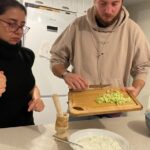
How künefe is taught, from layering to the golden flip
Künefe is the star move in the standard flow. You start by preparing it, learning the foundation technique that makes künefe what it is: the shredded pastry, the rich regional butter, and the syrup that ties everything together.
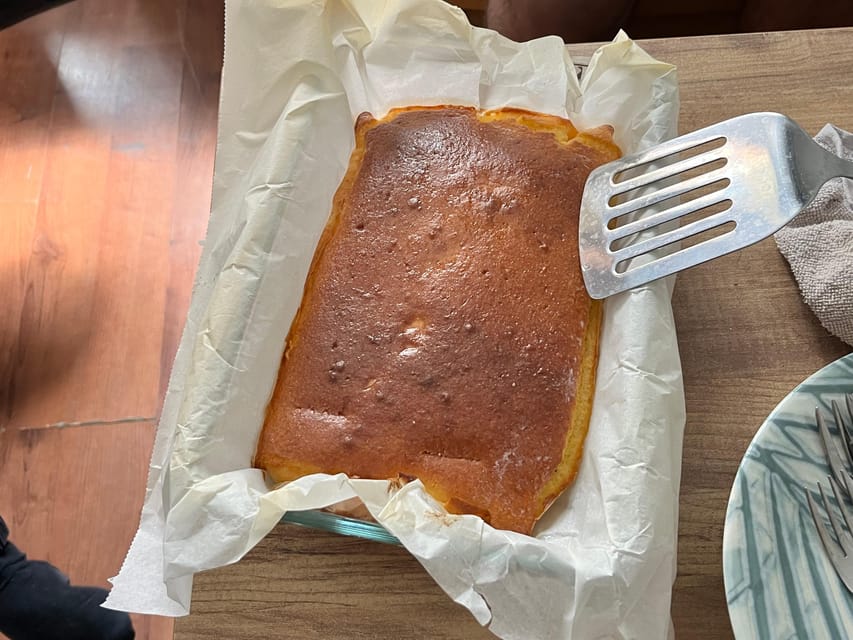
You’ll work through the practical steps, not just the “pretty final result.” The class covers how to layer the pastry, how the butter helps it crisp, and how to cook it over heat so it turns golden. One of the most useful parts, for repeat-cooking at home, is that you learn what to look for visually as it changes color. That matters because künefe is not only about time, it is about texture.
Then comes the part that sounds intimidating but is exactly what makes the lesson memorable: flipping the künefe to finish it the traditional way. With the guidance of the host, the flipping becomes less about fear and more about technique. You get a sense of timing and heat control, which you can reuse if you ever make it in your own kitchen.
Not every class day may be exactly the same menu. Some sessions include other Turkish sweets alongside or instead of künefe, such as flour halva and semolina cookies. The common thread is the same: you are learning traditional dessert methods, using familiar ingredient pathways.
Brewing Turkish coffee the slow way, with real cultural context
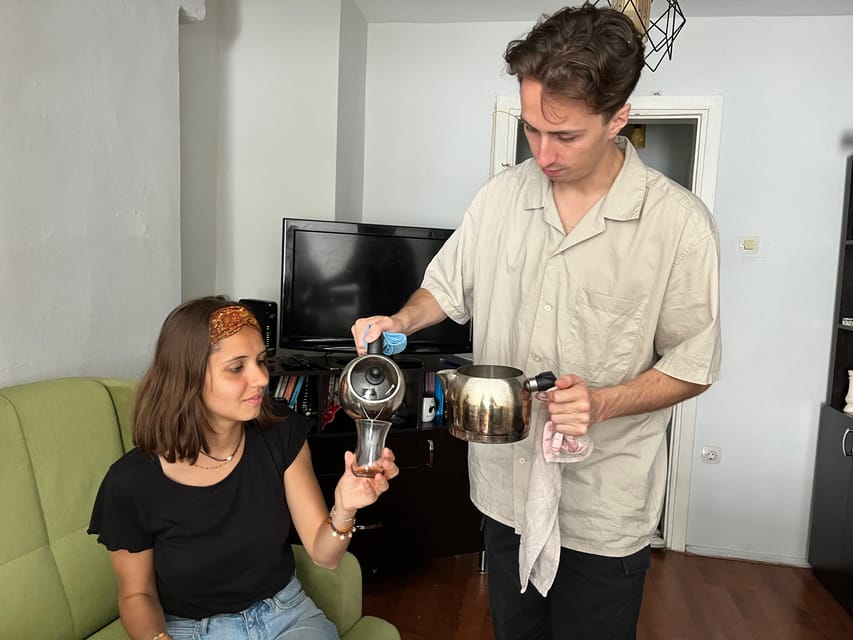
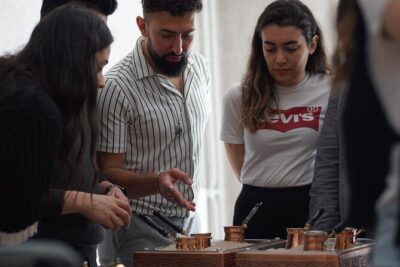
While the dessert cooks, you move to the stove for Turkish coffee. This is not the quick espresso mindset. Turkish coffee is slow, frothy, and done with care, and the class treats that process like culture, not just caffeine.
You’ll learn the old-fashioned way to brew it, and the pace is part of the lesson. The coffee is brewed on the stove, and you’ll hear about its role in Turkish life, especially the social meaning of sharing a cup while dessert is ready.
If you want hands-on involvement, you get it here too. You may even try making a cup yourself, which is a big difference from many coffee tastings where you only watch. Even if you do not fully master it the first try, you walk away knowing the workflow and how to talk about the drink in Turkish coffee terms.
In some sessions, Feyza has done an informal coffee-grinds reading. It is not presented as a formal performance, more like a friendly extra moment that can make the evening feel warmer and more personal. If you are the type who likes small cultural touches, this is a fun bonus.
The table experience, tea or coffee, and easy conversation
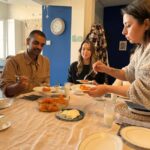
Once the cooking is done, the class settles at the table. This is where the experience becomes more than a recipe lesson. You eat warm dessert you helped make, and you have tea or coffee as the conversation flows.
I really like that the class gives you time to sit down, because Turkish hospitality often shows up in the pause between tasks. You are not rushed to the next thing. Instead you get to taste your food while people talk to you like you are part of the moment.
And yes, there can be spontaneous household moments. In one past session, a cousin and nephew dropped by briefly and joined the table in time for dessert. It’s the kind of detail that reminds you this is a home, not a studio set. That can be one of the best reasons to choose this format, especially if your Istanbul trip is heavy on sights and you want something gentler.
What the 2.5 hours actually feel like
The total duration is about 2.5 hours, and it follows a clear rhythm:
- You start with dessert prep, often künefe.
- While it cooks, you switch to Turkish coffee brewing.
- You finish by sitting down to eat and talk.
Because it is a small group limited to 6 participants, you spend less time waiting and more time participating. In practice, that means you will likely get real guidance on the hands-on parts, especially layering and the flipping technique for künefe.
Timing is also why you should plan it like a main activity, not something to squeeze between major museum stops. You need your head in the cooking zone. If you try to schedule this right after a long day of walking, you might miss some of the finer points, like texture cues for pastry crisping or the coffee froth timing.
One more plus: on some dates, the group can be unusually small, which can make the teaching even more direct. Nothing is guaranteed, but it’s nice to know the experience can sometimes feel extra personal.
More Istanbul tours and experiences for the shortlist

Price and value: is $59 worth it?
At $59 per person for about 2.5 hours in a small home kitchen, the value comes from what you take home, not just what you eat.
Here is where the price makes sense for the right traveler:
- You learn techniques: layering, cooking, and flipping künefe is not a “watch once” trick.
- You get both coffee and dessert skills: you’re not leaving with only a sweet, you’re leaving with a drink ritual.
- You get included drinks and dessert: tea and coffee are part of the experience, and you eat the results.
- Group size stays manageable: up to 6 means the instructor can actually help.
If your travel style is food-focused and hands-on, $59 is a reasonable price for a class that feels local rather than touristy. If you are more into sampling than learning, you may find cheaper ways to try Turkish sweets. But even then, many people like this class because it turns eating into a repeatable skill.
Allergies and kitchen realities (the one big consideration)
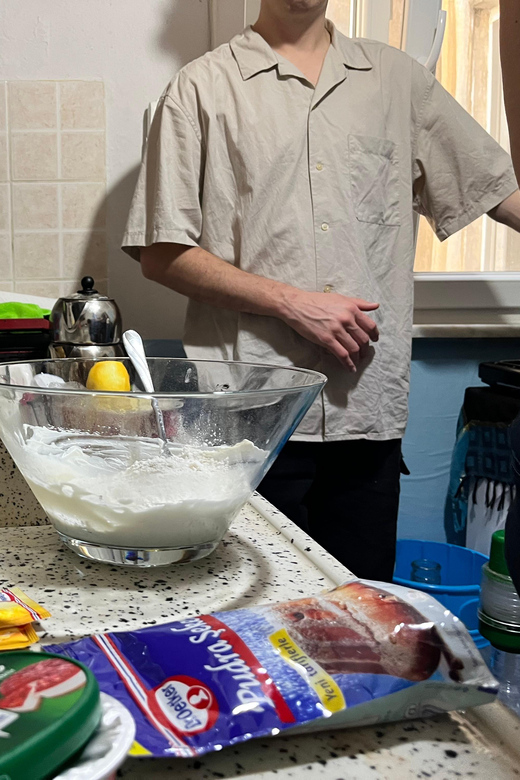
There is an important allergen note: künefe contains dairy (cheese and butter) and gluten (shredded pastry). If you have food allergies, you should let the provider know in advance so they can guide you safely.
This matters because Turkish dessert methods are often built around specific ingredients. Even if you are willing to skip a component, the kitchen environment and cross-contact can be a real issue in home cooking settings. The safest move is early communication before you book.
If you have mild sensitivities, you might still be able to participate, but you should not assume substitutions will be available unless you confirm. The class is designed around traditional recipes, so the cleanest path is honest allergy planning.
Who should book this, and who might skip it
You should book if:
- You want an Istanbul cooking class that happens in a home kitchen.
- You enjoy learning techniques, not just collecting photos of food.
- You like Turkish coffee culture and want the stove-brew process explained and practiced.
- You are traveling with flexibility and want a warm, social setting.
You might skip if:
- You want a museum-style walkthrough with lots of sweeping history.
- You need a fully guaranteed allergen-safe version of künefe.
- You only want a quick bite and coffee, with no cooking involvement.
It also helps if you enjoy small-group travel. With up to 6 people, the vibe tends to be calm and chatty, not crowded.
Quick practical tips before you go
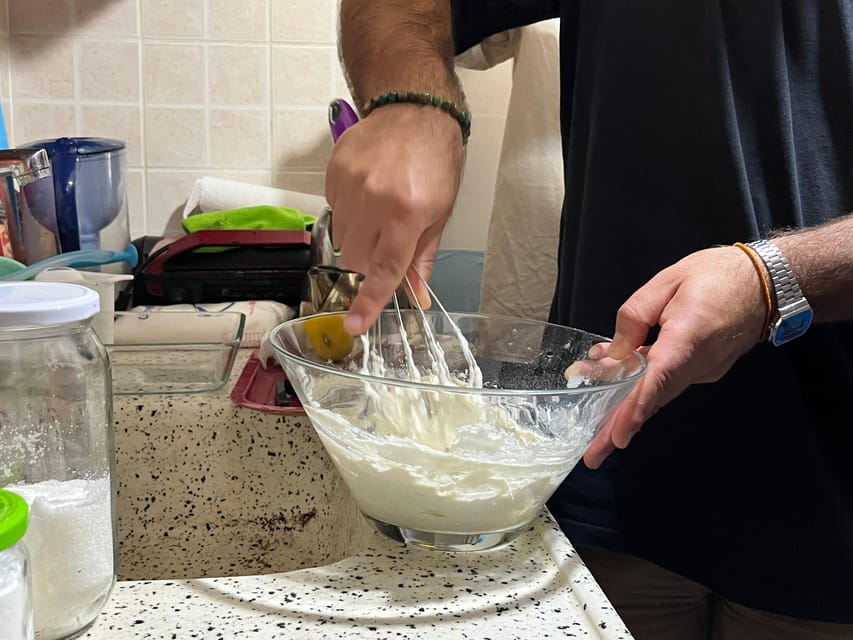
A few small things make the experience smoother:
- Bring a curious, patient attitude. Künefe and coffee are slow-cooking by nature.
- Wear comfy clothes. You are likely doing hands-on prep.
- If you are sensitive to heat, know that kitchen work can get warm fast while things cook.
- Go hungry enough to enjoy dessert at the table afterward.
Also, this class is bilingual, taught in Turkish and English. If you speak English, you should be fine. If you speak Turkish, you’ll likely catch even more nuance about coffee rituals and dessert culture.
Should you book: Turkish coffee and traditional dessert cooking in Istanbul?
If you want a memorable Istanbul evening that teaches you something you can actually repeat, I think this is a strong choice. The pairing of künefe and Turkish coffee is efficient and meaningful, and the small group setup supports real participation. The home setting, with hosts like Nuran and sometimes Feyza stepping in, is the part that makes the lesson feel human instead of scripted.
My main caution is allergies, especially since dairy and gluten are involved with künefe. If you are clear on that and comfortable with a hands-on cooking format, this is the kind of experience that adds texture to your trip, not just food to your stomach.
FAQ
Where is the meeting point for the class?
The meeting point is at Talatpaşa, Büyükbey Sk. No:4 D:11, 34400 Kâğıthane/İstanbul. Once you are at the address, the host will let you in.
How long is the Turkish dessert and coffee cooking experience?
The class duration is 2.5 hours.
What is included in the price?
Tea and coffee are included, and you will cook Turkish desserts. The experience includes cooking 2 or 3 Turkish desserts.
How big is the group?
The group is small, limited to 6 participants.
What languages are used during instruction?
The instructor teaches in Turkish and English.
Does the menu include künefe, and are there allergen warnings?
Künefe is part of the class, and it contains dairy (cheese and butter) and gluten (shredded wheat pastry). Let the provider know in advance if you have allergies.
Can I cancel or keep things flexible before paying?
Free cancellation is available up to 24 hours in advance for a full refund. You can also reserve now and pay later to keep plans flexible.
More Coffee Experiences in Istanbul
More Cooking Classes in Istanbul
More Tour Reviews in Istanbul




Not for you? Here's more nearby things to do in Istanbul we have reviewed







More Coffee Experiences to consider.
 ★ 4.9Turkish Coffee Making and Fortune Telling WorkshopFrom $231,308 reviews
★ 4.9Turkish Coffee Making and Fortune Telling WorkshopFrom $20451 reviews
★ 4.9Turkish Coffee Making and Fortune Telling WorkshopFrom $231,308 reviews
★ 4.9Turkish Coffee Making and Fortune Telling WorkshopFrom $20451 reviews
 ★ 5.0Turkish Coffee on Sand Workshop: Fortune Telling & Gift SetFrom $27309 reviews
 ★ 5.0Istanbul Highlights: Guided Tour with Turkish Tea or CoffeeFrom $60278 reviews
 ★ 5.0Istanbul Turkish Coffee Making & Fortune Telling WorkshopFrom $18173 reviews
 ★ 5.0Turkish Coffee on Sand and Fortune-Telling Workshop by GentlemenFrom $1654 reviews
 ★ 4.5Turkish Coffee TrailFrom $23938 reviews
 ★ 4.7Guided Shopping Trip with Turkish Coffee TastingFrom $11437 reviews
Other ways to explore Istanbul