
Review · TOURS
10-day Highlights of Turkey Tour
Turkey hits, neatly stitched into 10 days. This private tour strings together the big names with domestic flights, so you get more ground covered without spending days chained to the road. You also get an English-speaking guide and an air-conditioned ride, which matters once you start stacking churches, palaces, bazaars, and long drives.
I really like two things here. First, you are not just shown monuments, your guide connects them to what was going on in the empire, the religion, and the everyday city life. Second, the logistics feel built for real travelers, with pickup at Istanbul Airport, parking handled, and entrance fees included so you are not stuck counting cash at every gate.
One thing to consider: the pace is packed, and a few sites can be timing-sensitive. Topkapi Palace is closed every Tuesday, the Grand Bazaar is closed every Sunday, and Blue Mosque visits depend on prayer times. If you hate rushing between highlights, plan to go with the flow and take breaks when you can.
Key moments that make this tour work
- Airport-to-hotel pickup so your first day starts clean
- English-speaking guiding that turns landmarks into stories you can remember
- Domestic flights included to cut down the long-distance grind
- Pamukkale swim time where you’ll want a swimsuit ready
- Cappadocia walking options like the 5 km Güllüdere valley route
- Multiple ancient worlds in one loop from Troy to Ephesus to Konya
Airport Pickup To Hagia Sophia: Istanbul Gets You Oriented Fast
Istanbul can feel like a moving target, especially after a flight. That is why I like the simple start here: a driver meets you at Istanbul Airport, then you head to your hotel. It takes one stressful variable off the table, and it gives you the calm start you need for your first day of heavyweight sights.
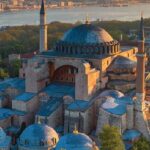
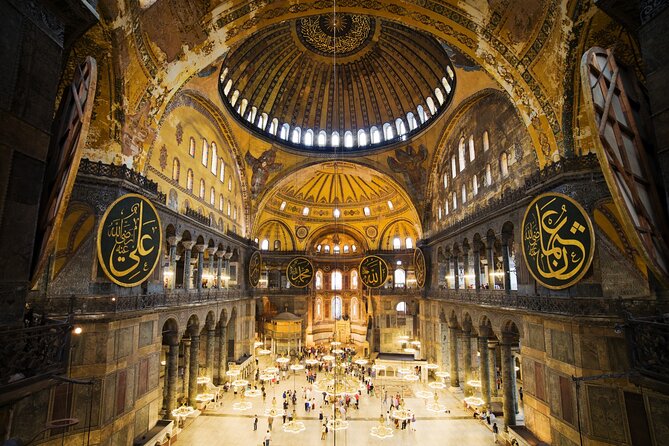
Hagia Sophia is the kind of place that makes you look up, then keep looking up. Built in 537 as the great patriarchal cathedral of Constantinople, it later became a mosque after the Ottoman conquest, then a museum in the early Turkish Republic, and it reopened as a mosque again in 2020. Your visit is guided, and that timeline detail matters because the building is basically a history lesson in layers. Aim for comfortable shoes and expect crowds, because this is one of those globally famous stops where everyone wants the same angles.
Next comes Topkapi Palace, the Ottoman sultan’s main residence and administrative center in the 15th and 16th centuries. You get about 1 hour 30 minutes here, which is enough time to see the “wow” parts without turning the visit into a blur. Just know the practical catch: Topkapi Palace is closed every Tuesday, so your day placement matters. If you are visiting another day of the week, this stop is a strong payoff for understanding how the Ottoman court operated.
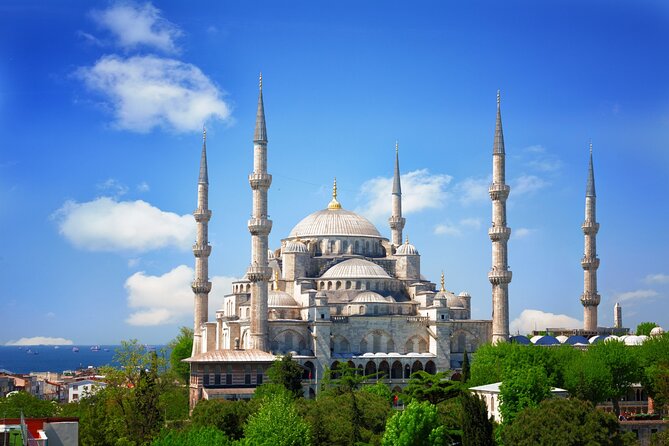
Then you move to the Blue Mosque, another “headliner” where the experience changes depending on what is happening in the mosque. The tour schedule notes that the visit depends on prayer time, and that is the right way to think about it. Plan to be flexible. Even if you are not there for a particular prayer moment, you’ll still see why this Ottoman-era mosque is so visually iconic, plus its related structures such as the madrasah and hospice within the larger külliye.
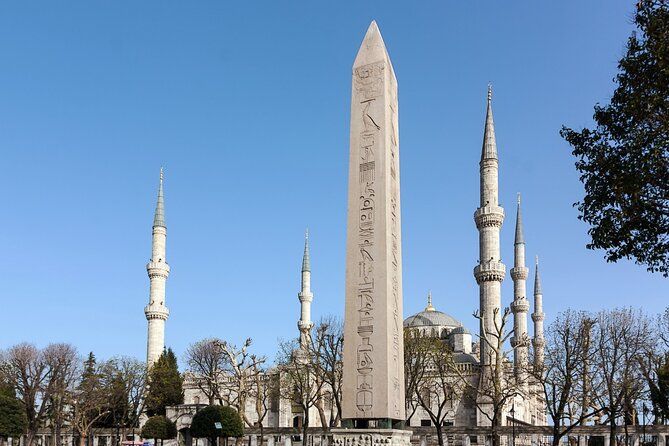
You finish the main Istanbul sweep at the Hippodrome of Constantinople, once the circus and social sports center of Byzantine life. It is not always the biggest “photo magnet,” but it is useful. It helps you understand that this city ran on public spectacle, not only on palaces and churches.
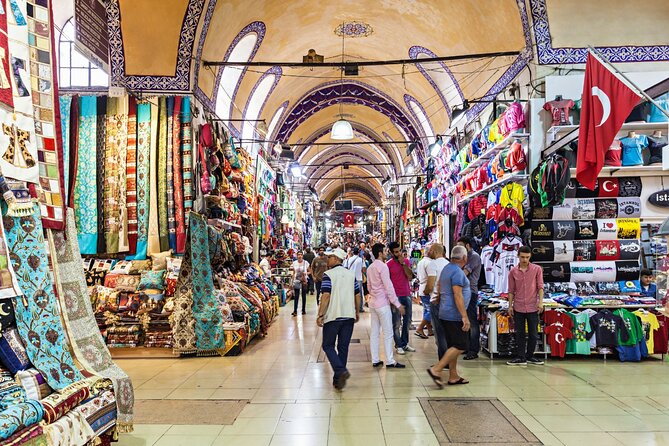
Finally, you end with time at the Grand Bazaar, one of the largest and oldest covered markets in the world. It is huge on paper, and even bigger in feel once you are inside: dozens of covered streets and thousands of shops, with heavy foot traffic throughout the day. You get about an hour for shopping, and that hour can either be fun or frustrating depending on your expectations. I treat it like a browse, not a hunt. Pick one or two things you truly want, then stop. If you go deep into bargaining for everything, you burn your energy before the next big drive and museum stop.
You can also read our reviews of more tours and experiences in Istanbul.
Bosphorus Strait And Spice Market: A Calmer Second Day
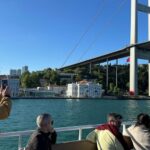
I like that the second Istanbul day includes the Bosphorus Strait boat ride. You get about 1.5 hours on the water, and the rhythm shifts from “stand still and look at stone” to “float while the city slides by.” You’ll see palaces, waterfront mansions, and famous restaurants lined along the Bosphorus side. It is a great way to understand Istanbul’s geography without needing a map app glued to your face.
Then you head to the Spice Bazaar, also called the Misir Çarşısı. It is less of a showpiece than the Grand Bazaar, and that is why it is often more pleasant. You’ll get time to shop in a historical covered market known for its spices and food ingredients. It is a good place to pick up small gifts that are actually tied to the region’s flavors, not just mass-made souvenirs.
If you get overwhelmed by markets, here is a simple tactic: choose one “sensory” buy and one “practical” buy. A bag of something you can cook with, then a small item you can pack easily. It keeps the experience enjoyable and helps you avoid the shopping fatigue that can hit on busy days.
Gallipoli Peninsula WWI Battlefields: History With Weight
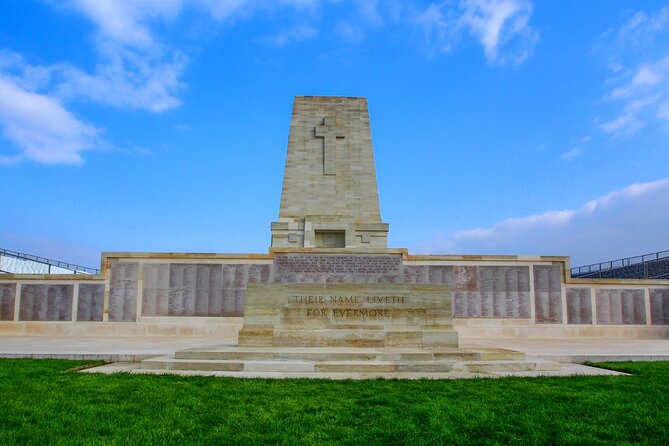
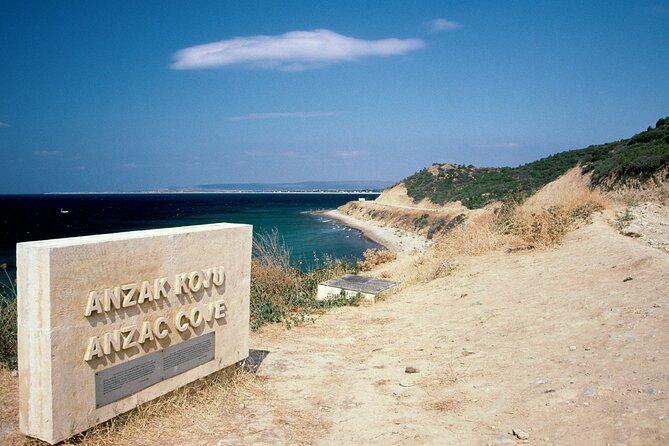
Leaving Istanbul for Gallipoli shifts the mood fast. You spend about 4 hours at the WWI battlefields, including Anzac Cove, Lone Pine, Chunuk Bair, memorials, and trenches. This is not a day for checking your phone every five minutes. The ground has meaning, and the history sticks better when you walk slowly and let the scale sink in.
A guided visit matters here because the battle sites can feel like a set of viewpoints unless someone explains what each location represents. You do not need dramatic speeches. You just need context, and you get it.
If you are sensitive to emotional history, plan your pacing. Take water breaks, and if you need a moment, step away from the biggest viewpoints. You are there to understand, not to prove you can rush through.
Troy And Pergamon: Two Ancient Cities, Two Very Different Feelings
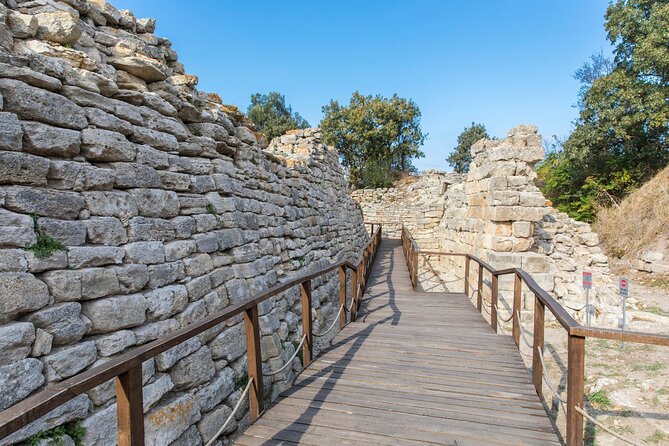
Troy is the legendary name most people already recognize, mainly because of the Trojan Horse story. You get around 1.5 hours here, which is realistic. The site can be more meaningful if you come in with at least a basic idea of the myth, then your guide can connect it to the archaeological reality.
After Troy, you drive to Pergamon for about 3.5 hours, then enjoy 1.5 hours in the ancient city. Pergamon is centered on a high mesa, about 335 meters, which helps explain why so many structures feel positioned for dominance. This is a different type of ancient experience than Istanbul and even than Ephesus: it feels built into the terrain.
This combo works well because you move from myth-driven attention to city engineering and urban planning. It is not just “old stones,” it’s how cities were designed to control space and impress the people living and ruling there.
Pamukkale Cotton Castle And Hierapolis: Plan For Wet Feet
Pamukkale is one of the Turkey stops that looks almost unreal until you stand next to it. You’ll head to the white calcium terraces, often called Cotton Castle. The tour also includes Hierapolis, the ancient city tied to Roman-era ideas about therapeutic waters.
The practical note is what to bring. The schedule specifically advises packing a swimsuit, because you’ll have time to enjoy the thermal water at Pamukkale. I like that this is built into the day. It makes the stop feel less like a photo session and more like a lived experience.
Just manage your expectations. The terraces are stunning, but they also attract visitors, so you’ll want to keep your eyes on where you are stepping. If you have mobility issues, wear supportive footwear and go slow on slick or uneven areas.
Hierapolis adds the “why” behind the place. Thermal springs and healing legends were part science, part story, and part marketing. In a single morning-to-afternoon block, you connect that idea to the ruins around you.
Ephesus, Temple of Artemis, And Meryemana, Then Fly To Cappadocia
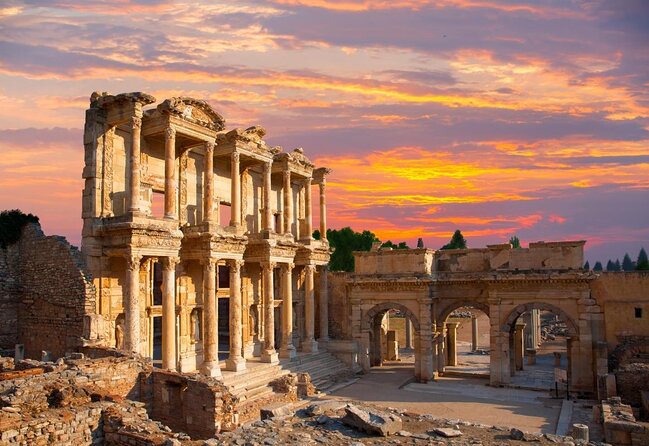
The day begins in the Ephesus area, where you tour an ancient city that once sat on the coast of Ionia. You get about 2 minutes listed for the Ephesus entry ticket, but in practice you should treat this stop as a longer experience, because Ephesus is not “check it and move on.” The guide portion is the difference between vague sightseeing and real understanding.
After Ephesus comes the Temple of Artemis, also known as Artemision, dedicated to Artemis (linked to the Roman goddess Diana). Expect a photo-friendly stop, but don’t treat it as only scenery. Artemis has been a symbol of power, ritual, and myth. Your guide can help you see why that mattered for a city’s identity.
Then you head to Meryemana, the House of the Virgin Mary, a Catholic shrine on Mt. Koressos near Selçuk. This part of the day adds a different lens. You are moving across religious traditions in the same region, which is one of the most interesting ways to understand how Turkey has always been a crossroads.
After the shrine visit, you transfer to Istanbul Airport and fly to Cappadocia. That domestic flight is one of the smartest parts of this tour, because it keeps you from wasting half a day on overland travel. Once you arrive, you get a transfer to your Cappadocia hotel.
Cappadocia Valleys By Daylight: Devrent, Pasabag, Goreme, Uchisar
Cappadocia is where the pace stays lively, but the payoff is different. Instead of heavy monuments, you get a landscape made by geology and time, plus churches carved into soft rock.
You start with Devrent Valley, also spelled Dervent. In about 15 minutes, you see rock formations that can look like animals, plus fairy chimney shapes that create a moonscape feel. This is a quick stop, and that can be a good thing. You absorb the mood without burning the morning.
Next is Pasabag, also called Pasha’s Vineyard or Monks Valley. You get about 45 minutes, and this is where the “fairy chimneys” really earn their fame. The cones and pillars with tops look almost architectural, yet they are naturally formed. You’ll also hear how the name Monks Valley connects to monk refuges carved into the soft rock.
Then you drive to Avanos for about 45 minutes. Avanos is known for earthenware pottery, and the schedule ties this to clay from the Kızılırmak river. Even if you do not buy pottery, it helps you understand the local economy. It is not only rock formations here. People live and work with the land.
After lunch breaks and sightseeing time, you visit the Goreme Open-Air Museum for about 1 hour 30 minutes. Here, the rock-cut churches and Christian settlements show why this region became a safe haven for communities. It is a stop where you want to move slowly inside the group, because details like church layouts and carvings are easy to miss if you rush.
You end with Uchisar, visiting natural castles and rock formations before returning to your hotel. It is a nice finish because it gives you a final wide view of the “how did people live here” feeling.
Red Valley Hike And Kaymakli Underground City: A Full Cappadocia Day
Day 9 is your active day in Cappadocia. You start with Red Valley, plus an exploration of rock-cut churches and a hike through the Güllüdere valley. The tour notes a 5 km hike, and it matters. If you like walking and you can handle a solid route, you’ll get a better sense of the region than you would from short viewpoints only.
After your morning, you visit Çavuşin village, known for houses and churches of Christian clergymen. It gives the “people lived here” context that makes the landscape feel less like a movie set.
You also stop at Pigeon Valley for about 20 minutes. It is short, but it adds variety to the rock formations.
In the afternoon, you go underground to Kaymaklı Underground City, where early Christians lived, sometimes in fear and faith. The time listed is brief for the ticket, but the experience itself usually has a lot of small spaces to understand. Think of it as a historical survival architecture lesson, not just a dark tunnel walk.
Konya Caravanserai, Mevlana Museum, And Karatay Madrasa: Sufi Turkey Before Departure
On day 10, you transition from Cappadocia’s geology to Konya’s spiritual and historic identity.
You travel to Konya following the Silk Road idea, and along the way you see Sultanhani Kervansarayi. The tour notes it as the biggest and most beautiful caravansary from Selcuk Turks Period, with about 30 minutes allocated. Practical detail: the admission ticket for Sultanhani is listed as not included. If you want to avoid any surprise budgeting, check whether you will be paying for it on-site.
Once in Konya, you visit the Mevlana Museum, the mausoleum of Jalal ad-Din Muhammad Rumi, the Persian Sufi mystic. This is also tied to the Mevlevi order, the whirling dervishes. The museum visit lasts about 30 minutes, so you’ll focus on the essentials rather than trying to read every wall panel.
Then comes Alaaddin Mosque and Karatay Medresesi Museum, from the Seljuk period of Anatolia. You also get about 1 hour 30 minutes here, which gives you time to understand the Seljuk architectural style and religious schooling heritage. It is a strong final note before you fly back to Istanbul.
Price, Value, And Where You Might Spend Extra
At $3,450 per person for 10 days, this tour is not cheap at first glance. But the value is in what gets handled for you: private transportation, an English-speaking guide, domestic flight tickets, parking fees, and entrance fees. On top of that, you get 9 breakfasts and 9 lunches listed as included, which matters when you are hopping between cities and sites every day.
To decide if it is good value for you, I compare it to “DIY stress.” If you were planning this alone, you would be paying for guides, entrance fees, and multiple intercity transport legs, and you would still need to coordinate flight times and meet points. Here, those moving parts are bundled. That bundle is especially useful for first-time Turkey travelers.
Where you might spend extra:
- Sultanhani Kervansarayi admission ticket is listed as not included.
- You might want to add a balloon ride in Cappadocia. People who took similar packages specifically recommend booking it.
- Shopping is always the wildcard. Markets like the Grand Bazaar and Spice Bazaar are built for spending. Set a budget before you go in, then stick to it.
One small behavioral tip from past experiences with similar tours: you might encounter sales pressure around shops and product stops. I’d treat your time as sightseeing time. If you want something, buy it because you like it, not because you feel pushed.
Practical Tips To Handle This Packed-but-Friendly Pace
This is a highlights tour, so it moves. The comfort comes from the structure: air-conditioned vehicle time, guided segments, and included meals. But you can make it easier on yourself with a few habits.
Wear shoes you trust. You’ll be walking through ancient sites, crowded market areas, and a full day in Cappadocia with a 5 km hike. Bring layers, because you can swing from warm open-air views to cooler interiors in museums and palaces.
Bring a swimsuit for Pamukkale. The schedule explicitly suggests it, and the thermal water time is one of the more memorable parts of the day.
Plan around closures:
- Topkapi Palace is closed every Tuesday.
- The Grand Bazaar is closed every Sunday.
Blue Mosque timing depends on prayer time, so expect the schedule to stay respectful of the working mosque.
If you care about comfort and you are sensitive to smoke, it is worth being proactive. Some travelers reported noticing a lot of smoking in certain settings. You can counter this by choosing outdoor breaks when possible and taking a quick reset when your group stops.
Guide variety is real. Reviews for Smart Turkey Tours include guides and planners like Metin, Selcuk Kaya, Safak, and attentive support from someone named Yeliz. You might also meet a guide described as the Cat Lady in Istanbul. Your exact guide will vary, but the consistent theme is that you should expect a guide who can adjust the route to your interests.
Should You Book This Highlights of Turkey Tour?
If you want a smart first trip that hits Istanbul, the Gallipoli battlefields, ancient western Turkey, Pamukkale, and then Cappadocia and Konya, this is a strong fit. You’ll get guided context instead of just wandering, and the domestic flight and included entrances make the trip feel organized.
I would only hesitate if you hate a busy schedule or if you need maximum downtime. The pace is part of the deal here, plus a few sites have predictable closure or timing factors. If that sounds fine to you, book it. If you want slow travel, you may prefer a more country-by-country, fewer-cities plan.
More Tours in Istanbul

More Tour Reviews in Istanbul
Not for you? Here's more nearby things to do in Istanbul we have reviewed


More Tours to consider.
 ★ 5.0Best of Istanbul 1, 2 or 3-Day Private Guided Istanbul TourFrom $1008,922 reviews
 ★ 4.8Blue Mosque & Hagia Sophia Guided Tour w/ TicketsFrom $393,600 reviews
 ★ 4.6Bosphorus Sightseeing Cruise Tour with Audio GuideFrom $82,694 reviews
 ★ 4.4Princes Islands Tour with Heybeliada and BuyukadaFrom $182,305 reviews
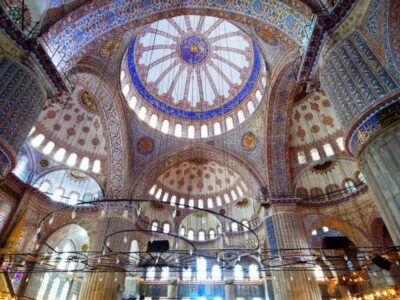 ★ 4.5Blue Mosque Guided TourFrom $191,910 reviews
 ★ 4.1Bursa & Uludag Tour with Lunch & Cable Car OptionFrom $301,879 reviews
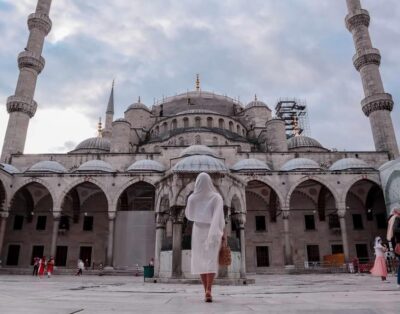 ★ 4.7Blue Mosque, Hagia Sophia, & Basilica Cistern TourFrom $581,806 reviews
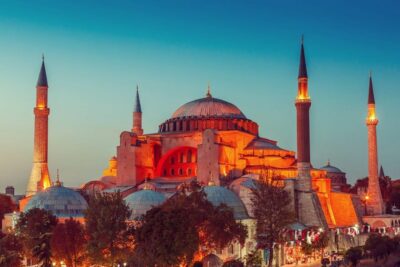 ★ 4.4Hagia Sophia Skip-the-Line Ticket with Audio TourFrom $421,767 reviews