
Review · HISTORICAL TOURS
Journey Through Istanbul’s History
Istanbul can feel like one big blur until you walk it with a plan. This 4 to 5 hour history route connects the Byzantine skyline, Ottoman mosques, and the famous markets into one easy day. You get a guided sweep across Sultanahmet, Beyazıt, and Eminönü, with short stops that keep the story moving.
Two things I really like: the mix of landmark scale plus smaller stops that feel local, like Çorlulu Alipaşa Medresesi and Sahaflar Çarşısı. And I like that the tour includes time for a proper coffee or tea break, not just photo stops. One thing to consider upfront: Hagia Sophia entry is not included, so you either pay the fee or enjoy the outside explanation and keep going.
Key points to know before you go
- Small group pace (up to 15 people) means less waiting and more time to ask questions.
- English guided storytelling ties buildings to real life, not just dates.
- One paid stop to plan for: Hagia Sophia entrance costs €25 per person.
- Medrese tea break is built in, and it helps break up the mosque-heavy part of the route.
- Markets with different flavors: book bazaar one hour, spices the next.
- Mobile ticket makes day-of logistics simpler once you arrive near public transport.
The smart path: 4 to 5 hours from Hippodrome to Yeni Cami
This is a concentrated old-peninsula tour. Instead of bouncing randomly, you follow a logical spine: first the ceremonial square of the Byzantine age, then the big Ottoman religious monuments, and finally the markets around Eminönü. Each stop is timed, so you get orientation without feeling like you are sprinting the whole time.
Expect short, focused visits. Think around 15 to 30 minutes per location. That pacing works well if you want context and key sights, but you do not need long museum-style wandering at every stop. It also means you can keep your energy for photos and getting your bearings in the streets between landmarks.
Your start point is at the German Fountain (Binbirdirek) near At Meydanı Cd in Fatih, and the tour ends at Yeni Cami (New Mosque) near Rüstem Paşa in Eminönü. That end location is convenient, because it leaves you in the middle of the historic peninsula with lots of transit options for whatever comes next.
One more practical note: the tour includes a private licensed tour guide, even though the group size is capped at 15. In practice, that usually means you get the benefits of a guide-led plan without the chaos of a massive bus group.
You can also read our reviews of more historical tours in Istanbul
Price and what you really get for $67
At $67 per person for a half-day, the value is mostly about the time you save and the quality of guidance. You are paying for an organized route, an English-speaking licensed guide, and a set of admissions that cover several major stops.
Coffee or tea is included. That sounds small, but it matters in Istanbul, where you will likely walk more than you expect. A real break helps you keep the day fun, not just efficient.
Also, several stops do not require extra ticket costs on top of the tour. The Hippodrome and the Blue Mosque are free entries on this route, as are Çorlulu Alipaşa Medresesi, Sahaflar Çarşısı, the Spice Bazaar, and Yeni Cami. Grand Bazaar is included, and Beyazıt Mosque includes admission on this tour as well.
The one major cost to plan for is Hagia Sophia. That entrance fee is not included, and it is listed as €25 per person. The good news is that you have an option: if you prefer not to enter, you still get information from outside and the tour continues smoothly.
Stop 1: Hippodrome at Sultanahmet Square, the story-setting stage
You begin at Sultanahmet Square, sitting over the ancient Hippodrome. This is not a building stop at first. It is a sense-of-place stop. The square once served as the most important public and ceremonial space in the Byzantine era, and today it still feels like an open-air museum.
What makes this start useful is how it frames the rest of the day. You see the Egyptian Obelisk, the Serpent Column, and the Walled Obelisk. These monuments are like punctuation marks in Istanbul’s long timeline. You are learning where power, spectacle, and crowds gathered, before you step into Ottoman-era worship spaces.
Why you will probably enjoy this: it is a lighter emotional entry into the day. You get history without the big “inside” crowds yet. You also get your bearings for the Sultanahmet area, so the next stop feels less like a maze.
One minor consideration: even though the stop is short, the square can be busy. If you are sensitive to crowds, go with the mindset of absorbing big shapes and key details rather than trying to linger for perfect photos from one angle.
Stop 2: The Blue Mosque, six minarets and İznik tile light
Next comes the Blue Mosque (Sultanahmet Mosque). This is one of the places where architecture does some of the talking for you. Commissioned by Sultan Ahmed I in the 17th century, the mosque is known for its six minarets and the blue İznik tiles that decorate the interior.
What makes the visit work in a guided format is the “moment of transition” when you move from courtyard to prayer hall. Your guide typically helps you notice how light, color, and detail work together in real space. That turns a famous exterior into something more meaningful.
This stop is also short enough to keep your momentum, around 20 minutes. That is ideal if you want the wow factor without losing the rest of the route to crowd lines.
Practical tip: dress codes for mosques matter. You will want clothing that lets you enter comfortably, and you should plan for head coverings where needed. Even without a lot of time, it pays to be prepared so you are not stuck solving the problem right at the entrance.
Stop 3: Hagia Sophia Grand Mosque, inside or outside plan
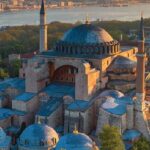
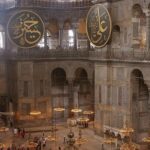
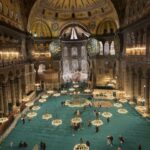
Then you reach one of Istanbul’s signature silhouettes: Hagia Sophia. The structure was built in 537 by Byzantine Emperor Justinian I. The big dome and the vast interior space are the headline, but the bigger story is how the building has changed roles across civilizations, serving as a church, a mosque, and later a museum.
Here is the key practical choice: entrance is not included, and the fee is listed as €25 per person. If you do enter, you get the full effect described by most people who visit: the soft glow of light on mosaics, the sense of height from the dome, and the feeling that history is physically above you and around you.
If you skip entry, you still get the guide’s explanation from outside, and the tour keeps moving. That option can be a smart value move if you are traveling with a tighter budget or your schedule is sensitive.
Possible drawback: this stop can be the emotional peak of the day, and if you choose to go in, it can also be the one that requires the most patience. Even with a guide, popular landmarks can mean some waiting. Still, having the guide’s context can make that wait feel less random and more purposeful.


Stop 4: Çorlulu Alipaşa Medresesi, tiles, carvings, and a tea break
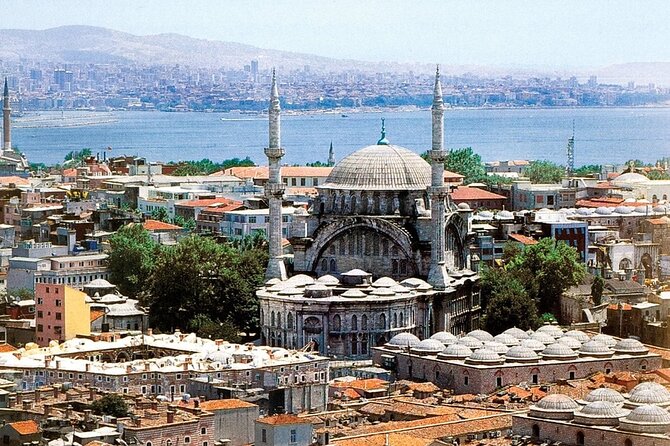
After the huge monuments, the route shifts to something calmer and more “Istanbul neighborhood” feeling: Çorlulu Alipaşa Medresesi. This 18th-century Islamic theological school was commissioned by Çorlulu Ali Paşa, and it is known for beautiful architectural details, especially tile work and decorative carvings.
What makes this stop especially valuable is the change of scale. You stop looking up at mega domes and minarets and start noticing craftsmanship at human height. A medrese like this is a reminder that Ottoman power was not only military or political. It also built learning spaces with style.
The tour also includes time here for a short tea and coffee break in the charming courtyard. That is a real quality-of-life perk. It breaks up the day, resets your focus, and gives you a moment to just sit for a minute while the city carries on around you.
If you want photos with less pressure than the busiest squares, this is often the safer bet. You get detail without the same level of “everyone is lined up right now” energy.
Stop 5: Sahaflar Çarşısı, Istanbul’s Book Bazaar in Fatih
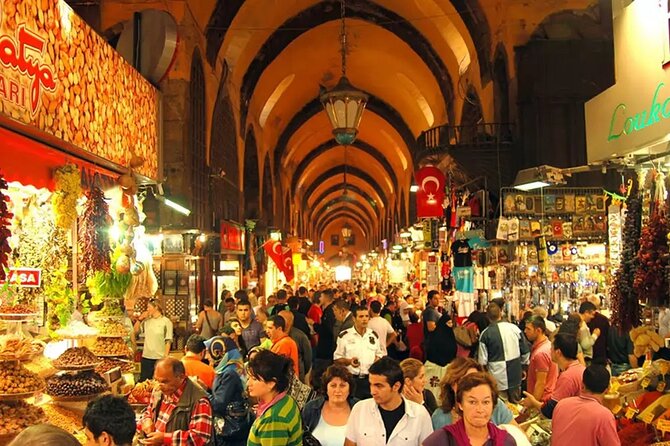
Next is Sahaflar Çarşısı, also called the Book Bazaar. This is in the Fatih district and it has a collector’s vibe. Instead of the tourist-souvenir loop, you see shops and stalls selling rare and antique books, manuscripts, prints, maps, and calligraphy.
The reason this stop is worth including is that it gives you a different side of Turkish culture. You are not just buying things, you are seeing how knowledge and writing traditions still have a marketplace. And because it is an older bazaar-style area, the architecture and narrow shop spaces help it feel lived-in.
Expect a shorter stop here, around 15 minutes. That is enough time to browse interesting titles, flip through calligraphy books if allowed, and catch the general atmosphere without turning it into a full shopping mission.
One consideration: if you are not a book person, you might prefer to use this stop to look closely at shop layout, signage, and the feel of the area. It is still a cultural contrast point, not just a purchase stop.
Stop 6: Beyazıt Mosque, big dome, tall minarets, included admission
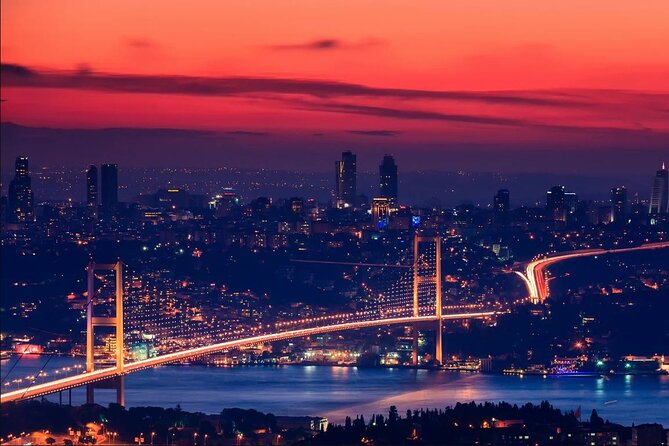
Then you head to Beyazıt Mosque in Beyazıt Square. This one is a classic Ottoman architecture stop, known for intricate tile work and a central dome over 25 meters tall. It also has four minarets reaching over 80 meters.
What I like about this stop in a guided itinerary is the “community gathering” angle. A mosque like this is not only a showpiece. It has function and historical role as a place people gathered around for centuries. A guide can point out that difference quickly, and it makes the building feel more relevant.
Admission is listed as included on this tour, which matters for budget planning. You avoid surprise costs at this stop, and you still get a meaningful architecture hit before moving into the markets.
Time is about 20 minutes, so again, this is a highlights visit. You will get the key features without needing to stay all afternoon.
Stop 7: Süleymaniye Mosque, Ottoman power meets comfort
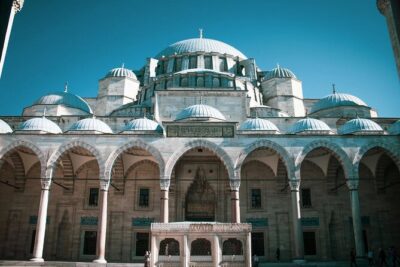
From Beyazıt, you continue to Süleymaniye Mosque, built in the 16th century by Sultan Suleyman the Magnificent. This is one of the Ottoman era’s most important landmarks, and the interior is decorated with calligraphy, tile work, and stained glass windows.
Even if you know Istanbul is full of domes, Süleymaniye changes the feel. It is grand, yes, but it also has a design that supports large congregations. That matters because you are seeing how architecture solved real crowd and worship needs.
Expect about 25 minutes. You will likely have enough time to notice the decorations and also take in how the space is arranged. If you go in, take your time letting your eyes adjust. The stained glass and calligraphy do not land instantly. They reward a slower look.
This stop tends to be one of the reasons people rate the tour highly. The guide’s storytelling can help you understand what you are seeing instead of just naming it.
Stop 8: Grand Bazaar, 4,000 shops under one roof
By now, you likely want movement and noise in the best way. The tour heads to the Grand Bazaar, which has been in operation since the 15th century. You are stepping into a massive covered market with over 4,000 shops selling everything from carpets and textiles to jewelry, ceramics, spices, and more.
The important detail is that this is not one generic stall. It is a whole system. The guide’s value here is helping you navigate without losing time. You also get the chance to watch the social side of the bazaar, especially the art of bargaining with vendors.
Admission is listed as included. That is a meaningful value point because Grand Bazaar is one of the stops many visitors end up paying for separately.
A quick reality check: the Grand Bazaar is crowded. If you hate pushing through people, come with a strategy. Use the guide to pick a few lanes to focus on. Look for texture and material quality, not just the loudest sales pitch.
And yes, you can still have fun here without buying much. Even browsing helps you understand what Istanbul trade has looked like for centuries.
Stop 9: Spice Bazaar (Misir Çarşısı), narrow lanes and sensory shopping
Next is Misir Çarşısı, the Spice Bazaar, also called the Egyptian Bazaar. It is located in the Eminönü district and it is known for stalls packed with spices, herbs, teas, sweets, and other goods.
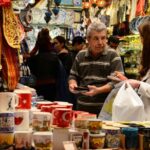
This stop is very sensory. Narrow passageways, lots of smells, and constant vendor interaction. It can be a lot, but it is also a great way to understand how people shop in Istanbul. You are not walking through a quiet museum. You are walking through a market culture.
The tour makes this feel manageable with a short stop, about 20 minutes, so you are tasting the atmosphere rather than committing to an hour-long shopping detour. Admission here is free on this route.
If you buy anything, keep it practical. Since you are on a walking tour, choose items that are easy to carry or plan how you will pack them. Also, ask for how items are packed for travel if you are taking them home.
Stop 10: Yeni Cami, tiled interior and the day’s closing feeling
The tour ends at Yeni Cami (New Mosque) in Eminönü. It is a 17th-century Ottoman mosque with six minarets and a grand dome. Inside, you get intricate tile work, calligraphy, and stunning chandeliers.
Yeni Cami is also more than worship. It is surrounded by a lively area where you can shop for traditional Turkish souvenirs and eat nearby. The tour keeps the last segment friendly and light, around 20 minutes, giving you time to enjoy the look and then re-enter the street life around you.
Admission is free on this route. That helps keep the final budget clean.
Closing tip for the walk: end where your energy is highest. Since you finish at Yeni Cami in the heart of the historic peninsula, you will have plenty of options immediately after.
Guides, groups, and how the tea and coffee fit the day
This tour has a maximum of 15 travelers, and it is offered in English. That small-group size is a big part of why the experience tends to feel personal without being overbearing. You can ask questions, and the guide can adjust pacing if the streets are crowded.
Coffee and/or tea are included, and the itinerary builds a short break at Çorlulu Alipaşa Medresesi. That is a smart design choice. Without it, mosque days can start to feel like a checklist. With it, you get a pause to reset your brain.
The guides also matter. Names mentioned with praise include Eren and Ahmet, known for storytelling and for pointing out lesser-known details. One guide style that really gets called out is making the stops feel like connected stories, not separate monuments. Another detail that shows up in the feedback is food guidance, including an authentic kebab recommendation paired with Turkish coffee or tea.
If you care about learning how places connect, you will probably appreciate that style.
Should you book this Istanbul History route?
Book it if you want a structured old-peninsula day that connects the big Istanbul icons to the quieter in-between stops. The Hippodrome to Blue Mosque opening gives you context fast. The Hagia Sophia segment gives you a choice, pay to go in or skip and still understand it. And the switch from mosques to Sahaflar Çarşısı, Grand Bazaar, and Spice Bazaar keeps the day from turning one-note.
Skip it or adjust expectations if you want long time in each major building. This is not a slow, museum-per-floor experience. It is a guided highlights route, with lots of value coming from interpretation and pacing.
My practical call: this is a strong pick for first-timers and returners alike, as long as you are okay with short stops and you plan for Hagia Sophia entry at €25 if you want to go inside.
FAQ
How long is the tour?
It runs about 4 to 5 hours.
What is the tour price per person?
The price is $67.00 per person.
Is Hagia Sophia entrance included?
No. Hagia Sophia entry costs €25 per person and is not included. If you prefer not to enter, you will get information from outside and the tour continues.
What admissions are free on the route?
Hippodrome, Blue Mosque, Çorlulu Alipaşa Medresesi, Sahaflar Çarşısı, Süleymaniye Mosque, Misir Çarşısı (Spice Bazaar), and Yeni Cami are listed as free on this tour. Grand Bazaar and Beyazıt Mosque include admission, while Hagia Sophia does not.
What is included in the tour price?
Coffee and/or tea are included, along with a private licensed tour guide.
Where does the tour start and end?
It starts at the German Fountain near Binbirdirek (At Meydanı Cd) and ends at Yeni Mosque (Yeni Cami) in Eminönü near Rüstem Paşa.
What language is the tour offered in?
The tour is offered in English.
What is the cancellation policy?
You can cancel for a full refund up to 24 hours before the experience starts. After that, changes are not accepted and the amount paid is not refunded.
More Historical Tours in Istanbul
More Tour Reviews in Istanbul
Not for you? Here's more nearby things to do in Istanbul we have reviewed



More Historical Tours to consider.
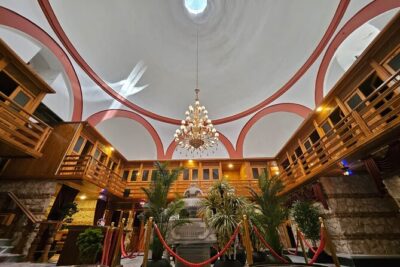 ★ 5.0Istanbul Gedikpasa Historical Turkish Bath with Privacy OptionFrom $601,285 reviews
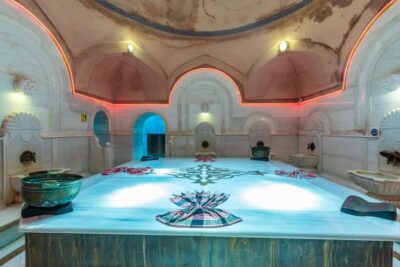 ★ 4.6Acemoglu Historical Turkish Bath w/Private OptionsFrom $421,190 reviews
 ★ 4.8Gedikpasa Historical Hammam with Privacy Add-OnFrom $59918 reviews
 ★ 4.5Istanbul Historical Tour with Guide, Lunch and TransfersFrom $248561 reviews
All in One Day Istanbul – Historical Tour of Istanbul with Bosphorus CruiseFrom $164489 reviews
★ 4.5Istanbul Historical Tour with Guide, Lunch and TransfersFrom $248561 reviews
All in One Day Istanbul – Historical Tour of Istanbul with Bosphorus CruiseFrom $164489 reviews
 ★ 4.5Istanbul Heritage Tour – Incl. LunchFrom $216416 reviews
 ★ 4.5Historical PeninsulaFrom $57362 reviews
 ★ 5.0Full-Day Private Guided Cultural Tour of IstanbulFrom $120279 reviews
Other ways to explore Istanbul