Review · ISTANBUL
10 Days – Turkish Breeze
Old cities, otherworldly rock formations, and ancient ruins. This 10-day Turkish route ties them together with a small group (up to 12) and a smooth rhythm of daily updates and clear guidance via WhatsApp. You get a lot of iconic Turkey without feeling like you’re sprinting alone.
The main catch is cost and logistics: entry tickets are excluded (the tour says about €285 per person total), and hotel quality can vary by room size and maintenance. If you’re picky about your room, you’ll want to know that going in.
Key highlights to pay attention to
- Max 12 participants keeps the pacing more personal across fast-moving days
- Hotel and airport transfers remove the biggest hassle in Istanbul, Cappadocia, and the coast
- Guided skip-the-line support for major sights (you still budget ticket costs)
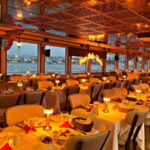
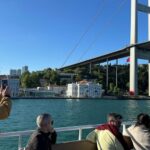
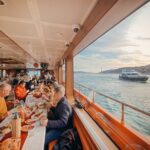
- Bosphorus cruise is included, not just a quick photo stop
- Cappadocia covers both walking and signature viewpoints plus a pottery experience in Avanos
- Ephesus is paired with Mary’s house and Artemis, so you see more than one flavor of the ancient world
A Small-Group Route Through Istanbul, Cappadocia, Pamukkale, and Ephesus
This tour is built for travelers who want a “best of Turkey” sampler, but still expect a guided experience that feels human. The group limit of 12 matters because you spend less time herding people through crowds and more time hearing the story behind what you’re looking at.
You’ll also notice the planning style right away. Most days start with a guide meeting you, then move by air-conditioned non-smoking vehicle. Between regions, the tour uses domestic flights, which is the only realistic way to hit Istanbul, Cappadocia, Antalya, Pamukkale, and Ephesus in 10 days without turning it into a travel marathon.
The overall shape is logical: Istanbul first (big monuments and city vibes), then Cappadocia (valleys, rock churches, underground sites), then the southern coast (ruins and thermal wonders), then Ephesus to close with one of the region’s most complete ancient cities.
You can also read our reviews of more tours and experiences in Istanbul.
Day 1 in Istanbul: Airport Pickup, Hotel Check-In, and Your Own Pace
Day 1 is pleasantly simple. You land at Istanbul Airport, meet your driver, ride to the hotel, check in, and the rest of the day is yours.
I like this setup because it gives you breathing room after a flight. You can eat when you’re hungry, adjust to local time, and decide whether you want a relaxed stroll near your hotel or a quick look at the old-city neighborhood plan for the next day.
It’s also a practical clue about the tour’s rhythm: you’re not thrown into a “wake up and run” schedule on arrival day.
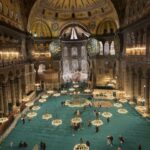
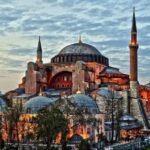
Day 2: Hagia Sophia Mosque, Topkapi Palace, the Hippodrome, Blue Mosque, and Grand Bazaar
Old Istanbul is the star of Day 2, packed into one guided loop. You’ll visit:
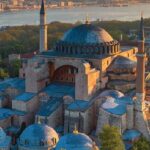
- Hagia Sophia Grand Mosque (admission not included)
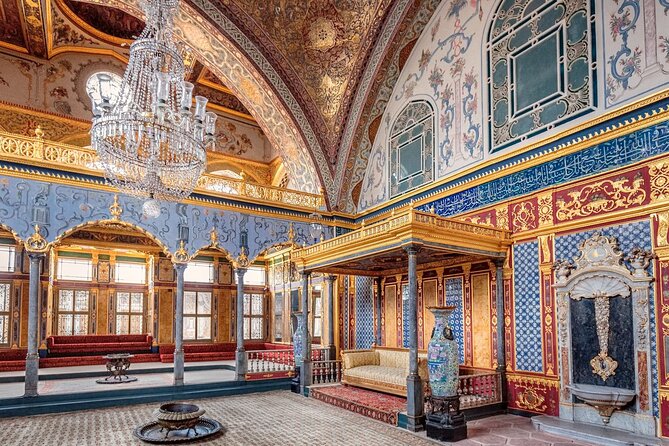
- Topkapi Palace (admission not included)
- Hippodrome (free)
- Blue Mosque (free)
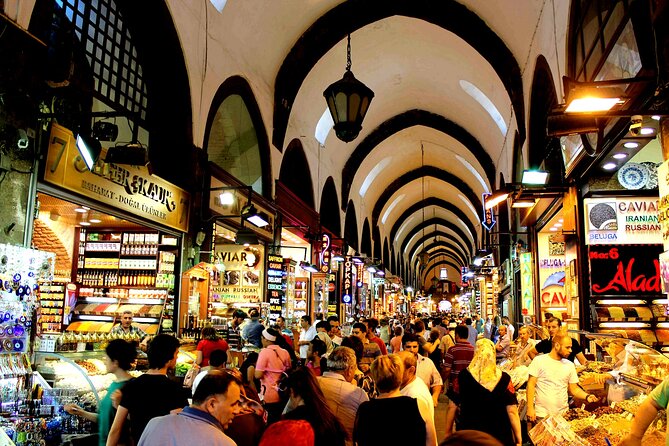
- Grand Bazaar (free)
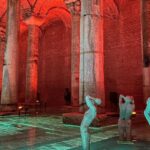
A key detail: Topkapi Palace is closed on Tuesdays, and on those dates the tour swaps in Basilica Cistern instead. That’s not just a replacement. It also changes the mood, since Basilica Cistern is a quieter, atmospheric stop compared with palace rooms and courtyards.
What I like about this day is the variety in one arc. Hagia Sophia gives you the Byzantine-to-modern religious story. Topkapi focuses on Ottoman power and daily court life. Then Hippodrome, Blue Mosque, and Grand Bazaar shift you into the city’s public spaces where Istanbulans have long gathered, shopped, and watched.
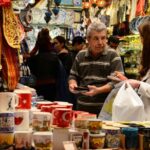
One small drawback to plan for: shopping at the Grand Bazaar is famous, and it can feel intense. If you prefer photos and people-watching over negotiating, go in knowing you’ll want patience and a firm sense of what you actually want to buy.
Day 3: Bosphorus Cruise to Kayseri, Plus a Clean Switch of Cities
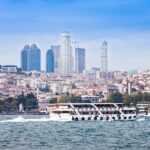
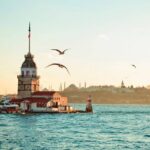
Day 3 starts with a included Bosphorus Strait cruise. This is the kind of activity that makes a big city feel different because you’re seeing it from the water. Along the way, the boat passes sights like Dolmabahce Palace, Rustem Pasa Mosque, Rumeli Fortress, and views toward the Yildiz Palace area.
Then it’s air travel time. You transfer to Istanbul Airport for your flight to Kayseri, followed by pickup and hotel check-in in Cappadocia.
This is a smart sequence. The Bosphorus gives you a “last look” at Istanbul’s geography, then you move on while your energy is still decent. It also reduces the number of awkward in-between hours you’d otherwise spend in transit.
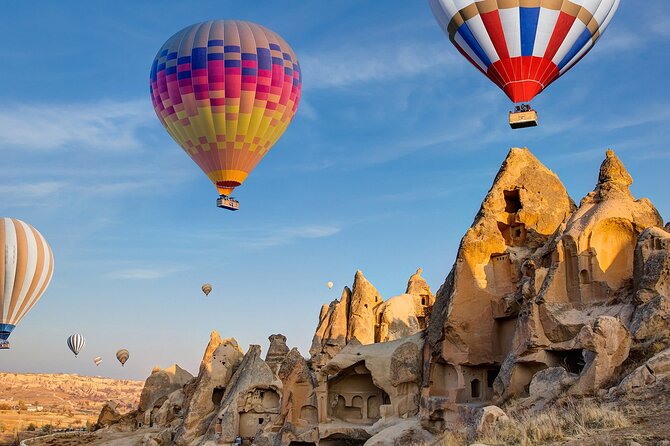
Day 4 Cappadocia: Rose and Red Valleys, Cavusin Rock Churches, and Pigeon Valley Walks
Cappadocia day tours can go two ways. Either you get the photos, or you get the feel. Day 4 tries for both.
You’ll hit:
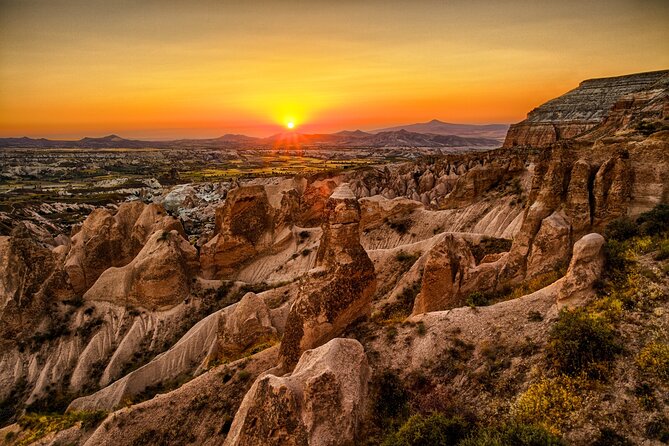
- Rose Valley (free) with its pink tones, especially near sunset
- Cavusin (free), known for rock-cut church structures inside the village rock formations
- Pigeon Valley (free), where man-made dovecotes are carved into the soft volcanic tuff
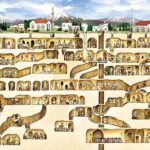
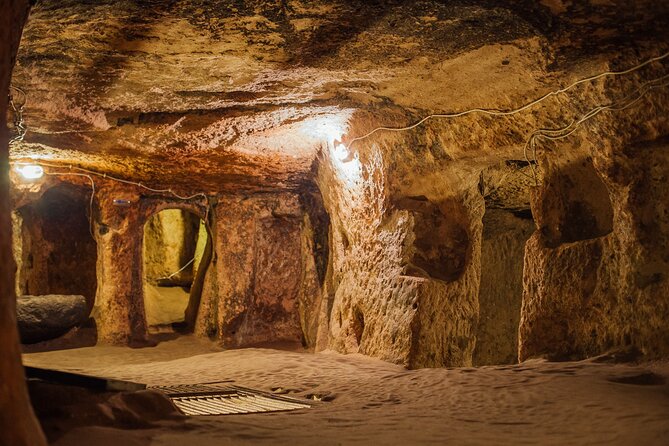
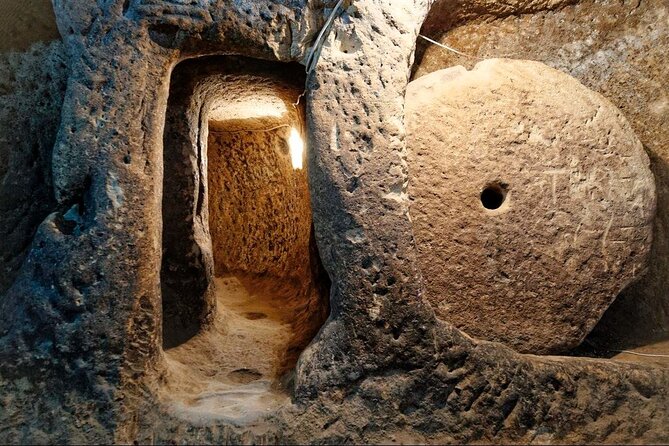
- Kaymakli Underground City (free swap note: admission not included), plus
- Ortahisar (free), a smaller town with a castle-like rock formation
I like that the day balances viewpoints with walking. Rose Valley and Pigeon Valley are ideal when you’re trying to understand why Cappadocia looks the way it does. The rock formations were shaped by geology over time, but people also carved and used them, which is why you see churches, homes, and storage spaces.
For Kaymakli Underground City, the tour frames it as a refuge area with ancient Christian settlements and long-used tunnels. It’s a powerful contrast to the open-air valleys. Admission there is not included, so remember you’ll pay tickets separately, but your guide’s timing can save you from long waits.
Ortahisar also acts like a mental reset at the end of the day. It’s not as famous as Göreme, and that helps the atmosphere.
Day 4 in a Practical Sense: How to Pace a Full Cappadocia Day
Cappadocia can burn time without you realizing it. You’ll want to pace yourself because you’re combining hills, uneven ground, and multiple viewpoints.
Here’s the practical move I recommend: wear shoes you trust. Even “easy” walks in this region can mean rocky paths and stairs. And bring a layer, even in warmer months, because early mornings and shaded valley sections can feel cooler than you expect.
The tour’s small group size helps here. With fewer people, you’re more likely to keep a steady pace and not get stranded behind a slow-moving crowd.
Day 5: Göreme Open Air Museum, Devrent Valley Animal Rocks, Monks Valley (Pasabag), and Avanos Pottery
Day 5 is where Cappadocia turns extra specific, in the best way.
You’ll visit:
- Göreme Open Air Museum (admission not included)
- Devrent Valley (free), famous for animal-shaped rock forms, plus a famous rock pillar reference
- Pasabag or Monks Valley (free), known for its fairy chimneys with twin and triple caps
- Avanos (free lunch included), with a typical Turkish lunch and pottery making with local experts
- Göreme Panorama (free)
- Uchisar (free), with its high “rock castle” viewpoint
This is a day for curiosity. The open-air church complexes in Göreme are one reason Cappadocia is more than scenery. You’re seeing history carved into rock, with frescoes decorating churches.
Pasabag and Göreme Panorama are your “wow” points. Fairy chimneys are visually dramatic, but it’s the combination of height, shapes, and changing light that makes the views feel almost unreal.
Avanos adds variety, and I’m genuinely glad it’s included. Pottery in this region is not a souvenir production line. It’s a craft tradition tied to local materials and methods, so you get a more hands-on feel than just walking through galleries.
Day 6 Antalya Move: Quick Flight Day and a Full Rest of the Afternoon
Day 6 is the logistical bridge. You meet the driver at the Kayseri Erkilet Airport (ASR), fly to Antalya, then check into your hotel. The rest of the day is free.
A free afternoon in Antalya is not just a nice perk. It’s a smart recovery buffer. After Cappadocia walking, you’ll appreciate the chance to sit down, explore lightly on your own, and not feel pressured to cram every hour.
Day 7 in Antalya: Perge, Aspendos Theatre, and Kursunlu Waterfalls
Day 7 is a classic ancient-world day, with Roman-era highlights plus nature.
You’ll see:
- Perge Antik Kenti (admission not included), including the Agora, Roman Baths, Colonnaded Street, Nympharium, and a large amphitheater
- Aspendos Ruins (admission not included), famous for a theatre that still hosts festivals and concerts
- Kursunlu Waterfalls (admission not included), after lunch at a local restaurant
Perge gives you the “city” feeling, with multiple built spaces that show how people lived and gathered. Aspendos is different. The theatre’s ongoing use tells you the Romans built for acoustics and lasting structure, not just for show.
The waterfall stop is a good palate cleanser between ruins. It also helps if you want some time that isn’t all stone and heat.
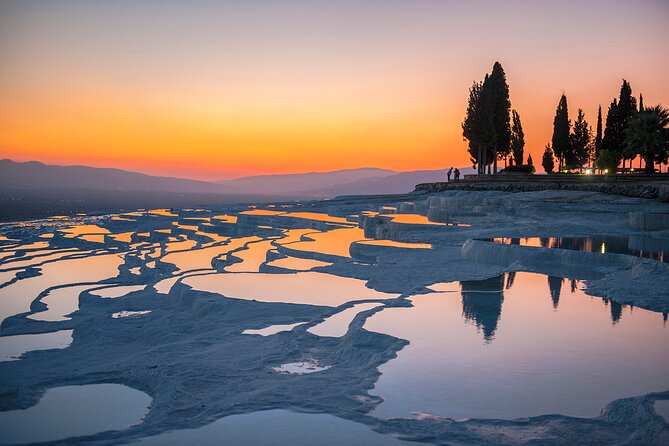
Day 8 Pamukkale and Hierapolis: Terraces, Thermal Water, Sacred Pool, and Kusadasi
Day 8 is split between natural wonder and ancient city remains.
You’ll go to:
- Pamukkale Thermal Pools (admission not included), described as terraced warm springs with calcium bicarbonate
- Hierapolis & Pamukkale (Sacred Pool is listed as free), including a necropolis with many gravestones and the Sacred Pool area
- Then you travel to Kusadasi for check-in
Pamukkale is one of those places where your brain keeps recalculating what it sees. The terraces look like a snowfield made of mineral water, but it’s hot spring water doing the work.
Hierapolis adds context. The ruins sit alongside the thermal site, so you get both the healing-spring story and the ancient “city of the dead” angle.
Then you’re moving onward to Kusadasi, which sets you up for the final ancient-city finale.
Day 9 Ephesus Day: Mary’s House, Ancient Ephesus, and Artemis Temple
Day 9 is your grand finale of the “ancient hits” category.
You’ll visit:
- House of the Virgin Mary (admission not included)
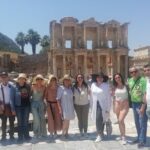
- Ephesus Ancient City (admission not included)
- Temple of Artemis (listed as free)
Ephesus is the main event. The tour framing emphasizes that Ephesus was a major city in the 1st century, with impressive preserved monuments such as libraries and one of the region’s major Roman theatres.
Mary’s House gives you a different layer of meaning. It’s a religious site with its own story, and it’s paced as a calmer stop before you step into Ephesus’s scale.
Artemis rounds out the day by connecting Ephesus to the Seven Wonders tradition.
If you’re trying to decide how much to push on this day, I’d say manage expectations. Ephesus is big. Plan to go slow inside your own head, not just slow with your feet.
Hotels and Guides: Where This Tour Usually Wins, and Where It Can Miss
The tour describes accommodations as central, “special class” hotels with regional character. In practice, the feedback you can glean from guide experience and room notes is clear: the tour tends to do well when the room category and property condition match what you expected.
Some people praised hotels and staff, mentioning standout experiences like Fresco Cave Suites in Cappadocia and very strong breakfasts. Others flagged room size and general maintenance as weak points, especially in certain cities.
This means your best strategy is simple: treat the lodging as part of the package, not the main reason to book. The tour is built around the itinerary, expert guidance, and transport efficiency. If you need a large, bright room with flawless lighting, message the operator before you book and ask what room type you’ll be assigned.
Guide quality is a major selling point in the experiences shared. Names that come up include Okan and Ali (guide and driver for the early run), Berkay (communication and updates), Kerem (organization support), Volkan (Cappadocia guidance), Hussien in Cappadocia, Riza at the Ephesus ruins, and Barboros (Barb) across multiple regions. When you get a guide who explains what you’re seeing and adjusts the pace, this itinerary becomes much easier to enjoy.
Price and Value: What the $1,640 Covers and What You Should Budget
At $1,640 per person for about 10 days, the value is mostly in logistics and coverage. You’re not just buying sightseeing. You’re paying for:
- 8 or more nights of lodging across four regions (Istanbul, Cappadocia, Antalya, Kusadasi)
- Airport and hotel transfers
- Land transportation by air-conditioned vehicle
- Domestic flights between regions, but only if you select the included-flight option
- Meals included: breakfast (9) and lunch (6), according to the package
Then there’s the separate ticket budget. The tour lists historical site entry tickets as not included, with an estimate of €285 per person. The guide includes pre-paid skip-the-line tickets to help you avoid long queues, and you pay the used entry ticket cost to the guide in cash in Lira, USD, or Euro.
So the real question is: will that ticket budget shock you? If you’re the type of traveler who hates ticket lines and wants guided priority, this package can still feel like a good deal even with the extra cost.
Packing and Comfort Tips for a 10-Day Sprint Across Turkey
This is a lot of ground for one trip, so comfort planning matters.
- Bring comfortable shoes for ruins and uneven paths.
- Pack a light layer, because temperatures can shift between coastal towns and inland valleys.
- If you choose the included-flight option, the tour lists 15 kg checked luggage plus 8 kg hand luggage. Stick close to the weight limits to avoid fees.
- Keep small cash ready for ticket reimbursements, since you may pay the used admission cost to your guide.
Also, expect long days. This tour keeps moving, even on sightseeing days with multiple stops. The upside is that you see a lot. The downside is that you don’t get to “wander until you feel like it” as much as an unguided trip would.
Should You Book Turkish Breeze?
Book it if you want a structured, small-group route that hits the big Turkey highlights in 10 days. I’d especially recommend it if you like clear guidance, don’t want to wrestle with intercity logistics, and you value a coach-like comfort level with air-conditioned transport.
Skip or think twice if your priorities are room comfort above all else, or you strongly prefer a trip where every single ticket is included up front. With ticket costs excluded and hotel quality that can vary by room, you’ll need to accept a bit of “managed travel,” not a perfect match for every taste.
If you’re flexible, pay attention to the included meals and ticket estimate, and choose your flight option thoughtfully, this tour is a strong way to see Turkey’s classics without turning your vacation into a logistics course.
FAQ
What is included in the tour price?
Accommodation in Istanbul, Cappadocia, Antalya, and Kusadasi, plus airport and hotel transfers, land transportation by air-conditioned vehicle, and meals listed as breakfast (9) and lunch (6). Domestic flights are included only if you select the included-flight ticket option.
Are entry tickets to sights included?
No. Historical site entry tickets are listed as not included (about €285 per person). Your guide will have skip-the-line support, and the used entry ticket costs can be paid to the guide in cash (Lira, USD, or Euro).
Does the tour include domestic flights?
Yes, the tour offers two booking options: included domestic flights (economy class) or excluded domestic flights, where you purchase the flights yourself. The itinerary includes flights between Istanbul and Kayseri, and between Kayseri and Antalya.
Is a hot air balloon flight included?
No. Hot air balloon flights are not included, but you can arrange a reservation through the provider when they contact you for booking.
How big is the group?
The tour is capped at a maximum of 12 travelers.
Will I be picked up from the airport or my hotel?
Yes. Pickup is offered from the airport upon arrival or from your hotel in Istanbul. You’ll be asked to share your flight details at booking.
What should I know about major sites being closed?
Topkapi Palace is closed on Tuesdays, and the tour visits Basilica Cistern instead. Grand Bazaar is closed on Sundays. Some sites may also close during religious or national holidays, so it’s worth confirming for your dates.