

Review · TOURS
Tour of Byzantine and Constantinople, in istanbul
Byzantine Constantinople is waiting behind these walls. I like the way this tour takes you to the Walls of Constantinople and Yedikule area, not just distant viewpoints. I also love the neighborhood walk into Fener and Balat, where you can feel how centuries of faith and power changed the city. One drawback to keep in mind: if you are chasing one specific wall highlight like the Chrysis Gate, you should ask your guide ahead, since the focus can vary by pace.
This is a private group day with hotel pickup from Fatih and a live English-speaking guide. You get transportation, a guided route through major Byzantine sites, and time to actually look, ask questions, and slow down when something catches your interest. If you prefer a tightly timed checklist with zero flexibility, this may not feel strict enough.
Where this tour really shines is the guide layer. I see a pattern in the best experiences: guides like Yasin are praised for adjusting the pace and spending real time on the parts you care about, including the story of Mehmed’s conquest and what the walls meant before and after Ottoman rule.
Key Things You’ll Enjoy Most
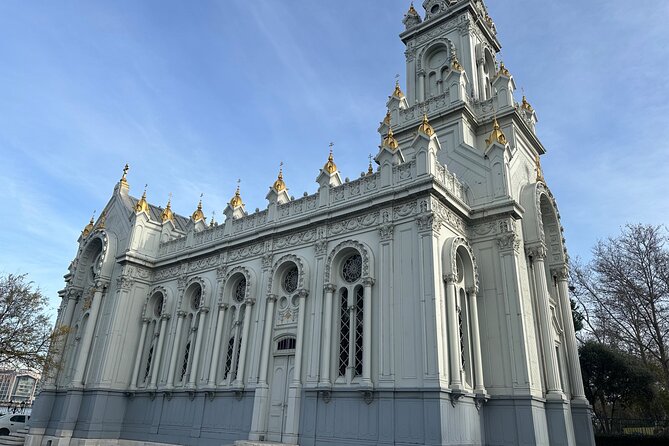
- City Walls you can understand: The tour connects walls to Roman, Byzantine, and Ottoman control.
- Yedikule Fortress access and context: You see the fortress and learn why this area mattered.
- Byzantine palace stops with real entry: Blachernae Palace entrance is included.
- Fener and Balat neighborhoods with meaning: These districts help explain how Constantinople’s communities lived.
- A guide who adapts: Some guides, including Yasin, are singled out for answering questions and not rushing.
- Lunch included: You avoid the mid-day scramble and keep the day flowing.
Where Byzantine and Ottoman Istanbul Feel Close Together
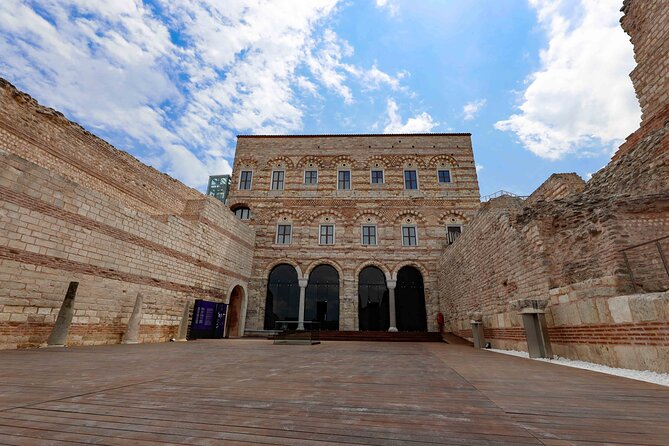
Istanbul can feel like a blur of eras: Roman columns here, Ottoman domes there, then modern traffic right in the middle. This tour helps you sort the layers by starting with the city’s defense line and then moving into the neighborhoods tied to faith and daily life.
The star is the idea of control. The Byzantine Empire did not rule only with churches and emperors, it also ruled with walls, gates, and fortresses. When you stand in the shadow of those defensive structures, it is easier to understand why conquest and siege mattered so much. Later, as you move toward areas like Fener and Balat, the story shifts from fortifications to communities, where identity, religion, and local history played out in daily streets.
You also get a practical translation of big history into human scale. Instead of only hearing dates, you see locations tied to how people moved, worshipped, traded, and survived. If you like history that feels physical, this tour works.
You can also read our reviews of more tours and experiences in Istanbul.

Starting From Fatih and Heading Toward the Golden Horn
The day begins with pickup in Fatih. That matters more than it sounds. Driving straight into the historic core saves you time, and it helps you use the 6 hours efficiently, especially if you are not staying in the Sultanahmet area.
From there, you head toward the Golden Horn area, which is the geographical key to understanding why Constantinople mattered. Even if you are not a geography person, you start to feel the “why” of the city’s position. This is not just a backdrop for monuments, it is part of the defensive and political story.
The private format also makes a difference. You can ask follow-up questions without feeling like you are on a conveyor belt. The guide can adjust pacing, which is repeatedly praised in the best experiences.
Walls of Constantinople, How to Read Them Like a Map
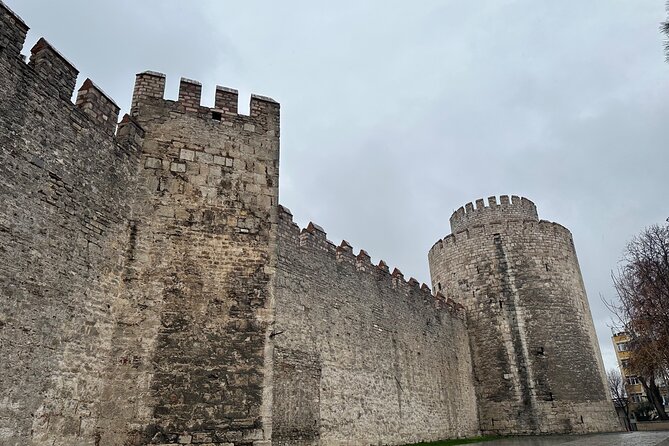
Spending time at the Walls of Constantinople is the moment when the tour stops being a list and becomes a story. I like this stop because walls are not decorative. They are technology. They are engineering. They are a plan for what happened when armies came close.
A good guide will point out how the walls relate to the city’s founding era and then carry that meaning forward into later Byzantine and Ottoman periods. The walls are your visual timeline. You can stand there and picture how the city managed threats, how sieges unfolded, and why control of specific gates and sections mattered.
One caution: the wall section you see may feel broader than a single gate-focused route. If you are specifically excited about a named feature such as the Chrysis Gate, make that your first question when you meet the guide. That way you can confirm whether that exact area is part of your route that day.
Palace of the Porphyrogenitus, Power in Plain Sight
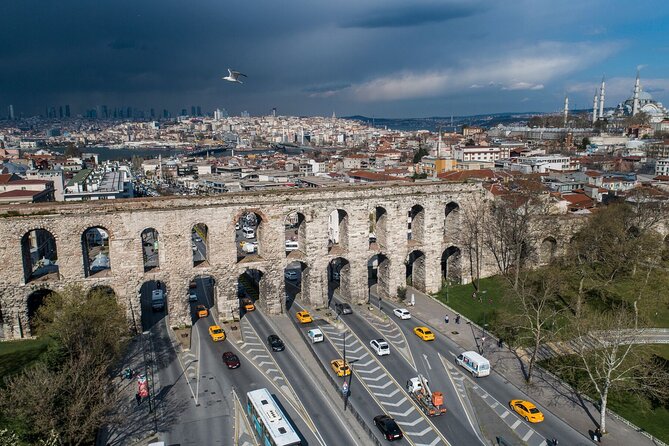
Next comes the Palace of the Porphyrogenitus. Even if you have never heard the name before, the location gives you a sense of how Byzantine emperors thought about legitimacy and authority.
What I like about this kind of palace stop is the way it changes the tone from defense to governance. Walls tell you what kept danger out. Palaces tell you what the rulers built for themselves inside. The guide can connect the dots between Roman-era ideas and Byzantine rule, including how Rome’s political legacy lingered even as Constantinople became its own center of power.
You also get a full hour here, which is important. In a short, rushed tour, palace ruins can feel like quiet stones. In a bit more time, you can actually notice layout, imagine function, and ask the questions you care about.
Yedikule Fortress, Siege History You Can Walk Through
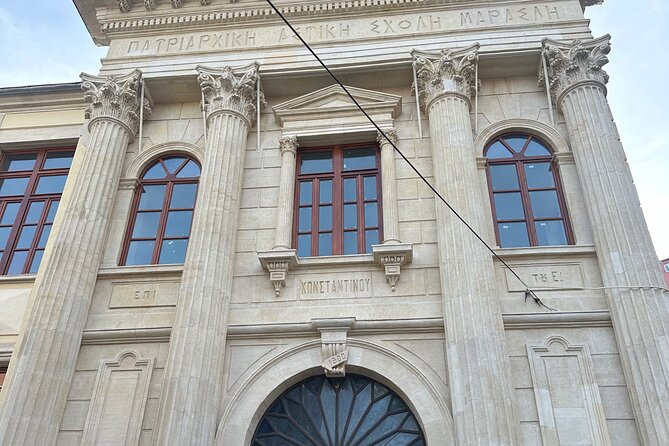
The tour then moves to Yedikule Fortress. This is one of those places where history is not abstract. The fortress structure, its position, and the surrounding layout help you understand why fortifications were central to how Constantinople survived.
I like Yedikule because it connects perfectly to the conquest theme. The walls are one layer, the fortress is another, and together they show how defensive systems worked as a whole. If you are curious about Mehmed’s conquest of the city, you will probably enjoy how the guide explains what mattered, what changed, and what stayed meaningful afterward.
This stop also includes entrance, so you do not waste time guessing whether you are actually getting into the key area. With a full hour allocated, you can take photos, sit for a minute, and still have time for the guided explanation.

Blachernae Palace and the Church Area, Where Byzantine Life Was Centered
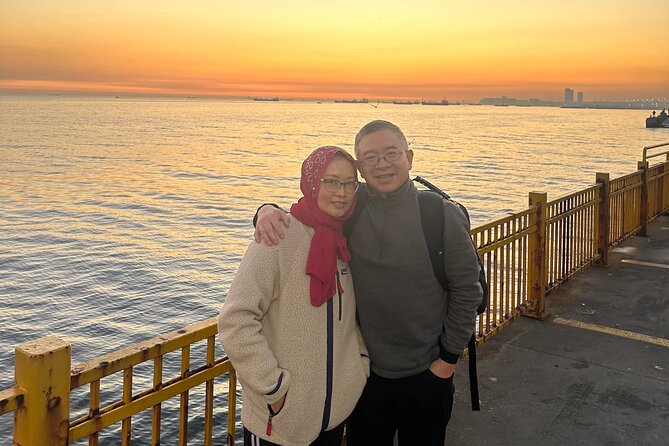
A highlight for many people is the chance to visit the Blachernae Palace area, with entrance included. This is valuable because it shifts the day from walls and military logic into court life and sacred space.
The Blachernae region is tied to major religious identity, and the tour typically includes time at the church area connected with Mary of Blachernae. Even if you just show up for the architecture, you leave with better context. A palace stop paired with a church connection helps you understand how Byzantine power often lived next to religious authority, not far from it.
You also have a chance to learn about community life in the broader area, including the mixed story of Christians and Jews in the city’s ghetto area. The important part is not memorizing terms. It is seeing how political and religious shifts shaped everyday living.
Fener District, Orthodox Constantinople in the Streets
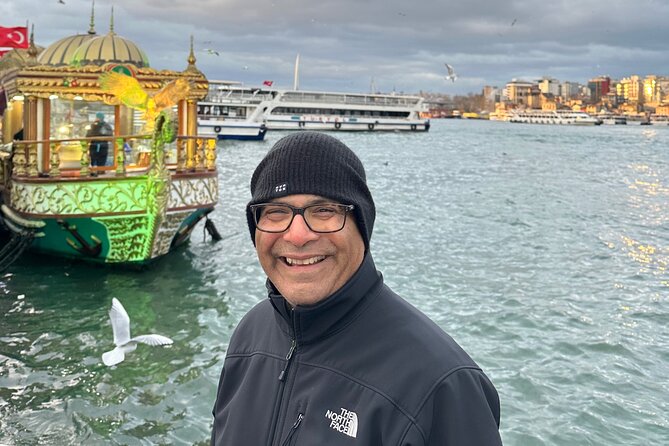
Then you head into Fener, the Orthodox district. This stop gives you an actual neighborhood perspective on how communities functioned beyond royal walls.
What I like here is the way it links beliefs to place. You are not just hearing about institutions, you are walking through an area that helps explain why Constantinople’s religious identity mattered so much. If you are the kind of traveler who wants to understand Istanbul as a lived-in city, Fener and what comes next will feel like the heart of that angle.
The guide’s explanations can make the streets feel less random. You start to connect architectural cues to the stories you just heard about the empire and its later transitions.
Balat Villages, Community Memory and the Texture of Old Streets
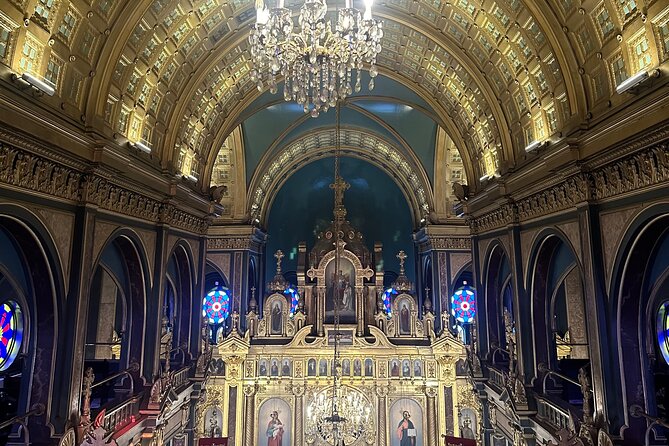
After Fener comes Balat. Balat often feels like where the city’s memory shows up in everyday details: uneven streets, local character, and the feeling of layers piled on top of each other.
For me, Balat is where the tour becomes less about the grand monuments and more about how people lived around them. It is also a good change of pace after the fortress and palace stops. The guide can tie Byzantine and Ottoman periods into a single narrative that feels less like a textbook and more like city life.
If you enjoy walking and want to see more than the most famous viewpoints, Balat is usually the most satisfying follow-through.
The Models of Historical Sights, Helpful When Ruins Are Hard to Picture
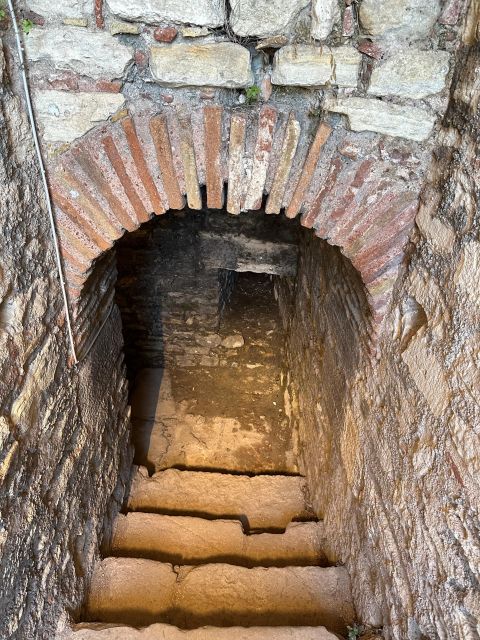
The day may also include time viewing models of historical sights in Turkey. I actually like this kind of stop because it solves a common problem: when ruins are hard to visualize, you end up guessing.
Models can help you understand scale and how structures might have looked in their heyday. You still get the real sites, but now you have a mental picture to go with them. It is not a replacement for the monuments, it is a shortcut for comprehension.
Lunch and Timing, How to Make the Most of 6 Hours
You get lunch included, which is a big deal on a day like this. It keeps you from hunting for food between stops and lets you stay in rhythm with the guide.
Expect a full 6 hours with multiple sites and a private pace. That also means you can end up with a slightly different flow depending on the day and your guide. One consideration from the experiences I can infer from patterns: if your guide is dealing with distractions, the schedule can shift, and you may finish with more time than expected. That can be good, as long as you still get time at the parts you care about.
If you want the best results, think about your priorities before pickup. Decide if you care more about walls and conquest history or more about neighborhoods and daily life. Then tell your guide on the spot. Guides like Yasin are praised for adapting to what history questions you bring.
Price and Value: Is $190 Fair for a Private Day?
At $190 per person for a 6-hour private tour, the value mostly depends on what you want packed into one day.
This price is not just for talking. It includes:
- hotel pickup and drop-off
- transportation
- a live English guide
- lunch
- entrance to Yedikule Fortress
- entrance to Blachernae Palace
When you put those together, the cost starts to make more sense, especially if you want to cover several major sites without coordinating transit yourself. If you are traveling solo, the private format can still feel worthwhile because you are paying for guided time and entry fees as much as you are paying for sightseeing.
Where it can feel expensive is if you expected a hyper-specific wall-route with every named gate and no schedule flexibility. If your goal is that kind of detailed checklist, ask what exactly is covered before you go.
Who This Tour Suits Best
This is a strong match if you:
- want Roman, Byzantine, and Ottoman context connected through real locations
- like history that is tied to visible structures like walls and fortresses
- enjoy neighborhood exploring, especially the Orthodox district and Balat area
- prefer a private guide who can answer questions and adjust pace
- would like lunch included so the day stays smooth
It might not be ideal if you:
- want an extremely rigid, gate-by-gate wall program
- only care about one famous site and would rather spend extra time elsewhere on your own
- need a perfectly uninterrupted guide experience every minute
Should You Book This Byzantine and Constantinople Tour?
I think it is a smart booking if your ideal day includes city walls, fortress history, palace context, and a neighborhood feel for how communities lived. The two biggest wins are the wall-and-fortress focus plus the guided connection to Fener and Balat, which turns Constantinople from a chapter in a book into a set of places you can walk through.
Before you confirm, do one simple thing: message or ask your guide about the exact wall highlights you care about. If your must-see is a specific named gate or section, that small question can prevent disappointment. If you are more open, this tour gives a well-shaped overview with time to breathe.
If your schedule is tight, the included pickup from Fatih and the packed 6-hour structure are also a plus. It is a day that helps you leave Istanbul feeling like you understand the city’s defensive line and its community pulse, not just its most famous views.
FAQ
How long is the tour?
The tour lasts 6 hours.
Where does pickup happen?
Pickup is from Fatih.
Is this tour private?
Yes, it is a private group tour.
What language is the guide?
The guide provides live commentary in English.
What is included with the price?
Hotel pickup and drop-off, transportation, a guide, lunch, entrance to Yedikule Fortress, and entrance to Blachernae Palace are included.
Which areas and monuments are covered?
You visit the Walls of Constantinople, the Palace of the Porphyrogenitus, Yedikule Fortress, Fener, and Balat, along with nearby historical areas connected to Byzantine life and culture.
Is lunch included?
Yes, lunch is included.
Is free cancellation available?
Yes, you can cancel up to 24 hours in advance for a full refund.
More Tours in Istanbul



More Tour Reviews in Istanbul
Not for you? Here's more nearby things to do in Istanbul we have reviewed




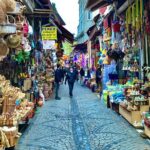

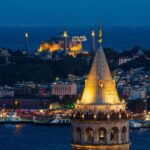
More Tours to consider.
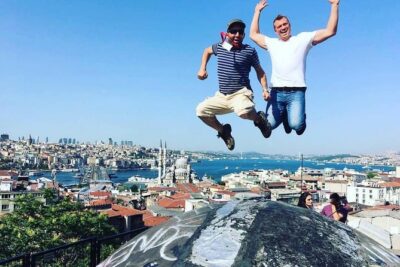 ★ 5.0Best of Istanbul 1, 2 or 3-Day Private Guided Istanbul TourFrom $1008,922 reviews
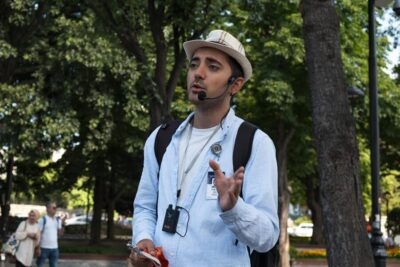 ★ 4.8Blue Mosque & Hagia Sophia Guided Tour w/ TicketsFrom $393,600 reviews
 ★ 4.6Bosphorus Sightseeing Cruise Tour with Audio GuideFrom $82,694 reviews
 ★ 4.4Princes Islands Tour with Heybeliada and BuyukadaFrom $182,305 reviews
 ★ 4.5Blue Mosque Guided TourFrom $191,910 reviews
 ★ 4.1Bursa & Uludag Tour with Lunch & Cable Car OptionFrom $301,879 reviews
 ★ 4.7Blue Mosque, Hagia Sophia, & Basilica Cistern TourFrom $581,806 reviews
 ★ 4.4Hagia Sophia Skip-the-Line Ticket with Audio TourFrom $421,767 reviews