Review · ISTANBUL
Best of Turkey-10 Days
Turkey is big, and this plan cuts a smart path through it.
You get guided stops at major icons, plus the route uses domestic flights and air-conditioned transfers so you spend less time stuck in transit. The best part is the mix: Ottoman Istanbul, Roman Ephesus, calcium terraces at Pamukkale, the Mediterranean city of Antalya, then the rock churches and valleys of Cappadocia.
I like the focus on an organized, human-scale pace. You’re never just dropped at a door, and guides such as Barboros and Ali are praised for staying clear on expectations and costs while keeping the day moving at a comfortable speed. If you’re comparing operators, I also like the value angle here: hotels in central areas, plus many meals and transfers are bundled in, and the meals are often described as coming from family-owned local restaurants.
One thing to keep in mind: entry tickets are not included, and some items can be affected by closures or last-minute substitutions (for example, the Cleopatra Pool and Antalya’s Tunektepe cable car are listed as closed for maintenance or renovation). So budget extra for admissions and be flexible on exact activities.
Key highlights you should care about
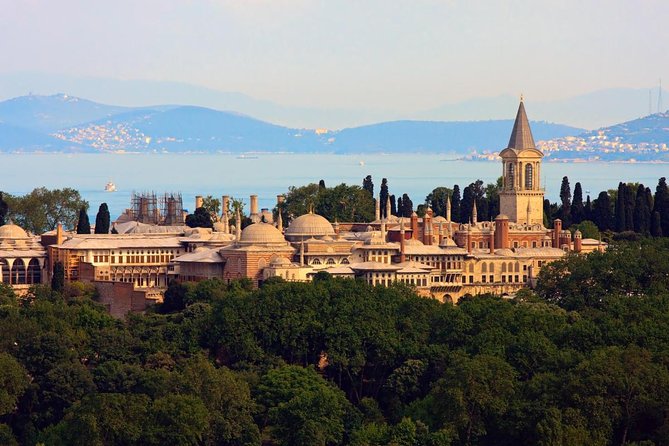
- A compact route across 4 regions: Istanbul, the Aegean coast (Kusadasi area), Pamukkale, Antalya, then Cappadocia.
- Guided commentary at each major site, so you’re not just taking photos with no context.
- Flights between cities to protect your sightseeing time, not replace it with long drives.
- Lots of meals included (breakfast and lunch counts are stated in the plan).
- Skip-the-line support for many included stops, with guide-paid tickets and cash payment for costs when needed.
- Real-world group-size check: marketing may say 12, but departures can run higher in practice.
Price and Logistics: what the $1,430 really buys
At $1,430 per person for about 10 days, this sits in the “book it, save hassle” category. You’re paying for a full chain: hotel nights in multiple regions, land transport in a non-smoking, air-conditioned vehicle, airport transfers, guided sightseeing time, and domestic flights if you choose the included-flight option.
Where you need to stay sharp is the line between what’s packaged and what’s not. Entry fees to historical sites are excluded, and tips to guides and drivers are not included. Domestic flights are included only if you select the included-flight option; otherwise you buy your own. In other words, the base price is strong, but your final total depends on admissions and how you handle the flight option.
The operator also positions this as a smaller-group, better-located hotel style. The hotels are described as special class and centrally located, with property character matching the region rather than the large-group style you might find elsewhere. That tends to matter on this kind of route, because mornings and evenings are busy and you want fewer extra minutes chasing your hotel.
You can also read our reviews of more tours and experiences in Istanbul.
Your group size may not match the brochure number
Here’s the practical truth: you’re told the experience is intimate, with marketing language around small groups, yet the provided data also states a maximum of 25 travelers. Reviews reflect that some departures started larger than the promised 12, and in at least one case the group structure changed after a flight.
So what should you do? Before you pay, ask the operator to confirm your departure’s actual group headcount and how they handle arrivals from Istanbul and the domestic flight. You don’t need a lecture, just a straight answer like, How many people will be on my bus, and do you ever split into separate groups?
Also, one review specifically requested clarity on smoking inside the van. That’s a good question to ask ahead of time if it matters to you. Small comfort issues get big when they repeat for 10 days.
Day 1 Istanbul: airport pickup and a first evening in place
Your tour starts with a simple win: you land, you get met, and you’re driven to your hotel. The plan references arrival at Istanbul Ataturk Airport, with a greeting and about an hour transfer to your lodging.
That matters because Istanbul days can start chaotic. Even if you’ve visited before, your brain is still sorting jet lag and navigation. Getting the first night organized lets you use Day 2 for the real heavy hitters instead of troubleshooting logistics.
Day 2 Istanbul Old City: Hagia Sophia, Blue Mosque, cistern, and the Grand Bazaar
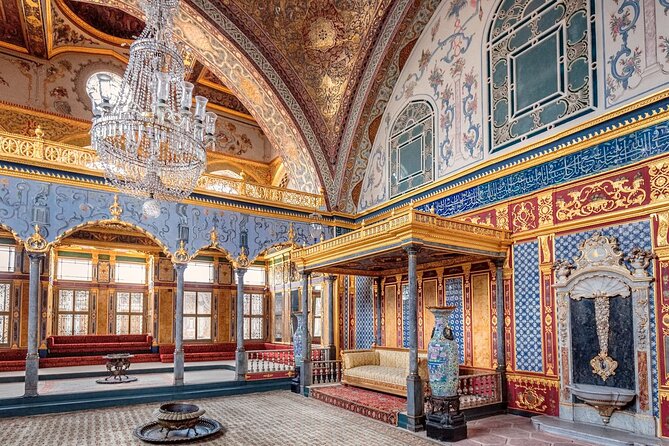
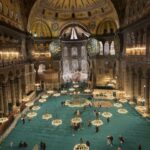
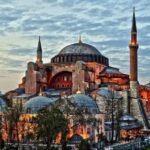
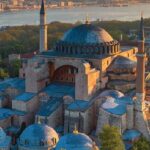
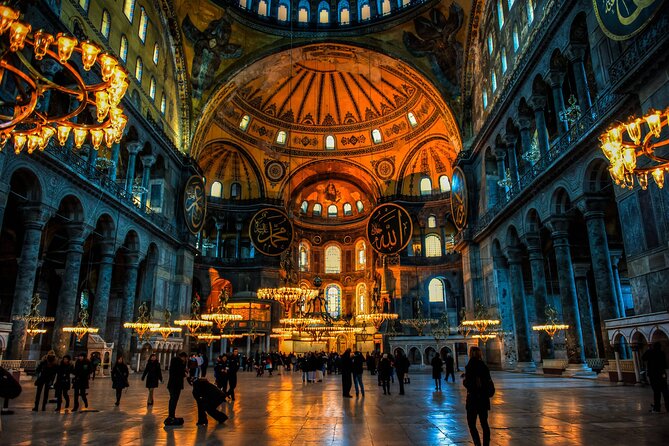
This is the day Istanbul grabs you by the collar. You begin at Hagia Sophia Grand Mosque, described as the largest building on earth except for the Egyptian Pyramids or the Great Wall of China. You’ll spend about an hour there with guidance. Admission is not included for this stop, so you should be ready to cover the ticket cost.
Next up is the Basilica Cistern, a huge underground water storage with rows of columns and the sense of stepping into a different world. Admission is also not included for this stop, though you’ll have a guided experience that helps you understand what you’re seeing instead of just wandering.
Then comes the Blue Mosque. This one is marked as free admission in the plan, and it’s a classic for a reason. You’ll also visit the Hippodrome, once the civil center of the city, with a story tied to Roman-era spectatorship. Finally, the Grand Bazaar gives you two hours to walk, browse, and reset your energy level after all that monumental architecture.
A practical note on this day: the plan includes a second mention of Basilica Cistern time. Either way, the big takeaway is that cisterns, mosques, and bazaars are close enough to make Day 2 feel like one continuous Old City block. You’ll want comfortable shoes and a plan to pay for the places listed as ticketed.
Day 3 The Spice Bazaar plus the Bosphorus cruise, then a flight to Izmir
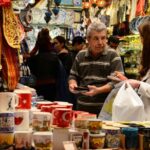
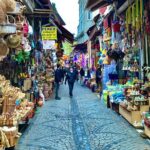
Day 3 starts with the Misir Carsisi, also called the Spice Bazaar. You get about two hours here with free admission in the plan. This is one of those stops where you can actually enjoy the details. You’ll be surrounded by spices like cinnamon, caraway, saffron, mint, thyme, and other herbs, and you get a sensory primer on how food culture connects across the region.
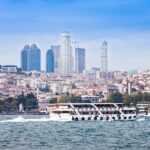
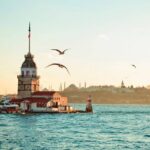
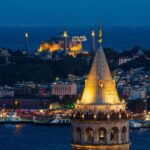
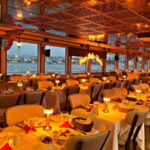
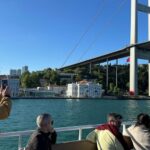
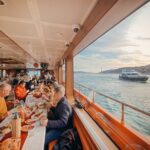
After that, you board a Bosphorus Strait cruise, which is listed as included. The route sails along the water separating Europe and Asia, passing sites like Dolmabahce Palace, Rustem Pasa Mosque, Rumeli Fortress, and parks and imperial pavilions around Yildiz Palace. It’s not just scenery. Having guidance helps you connect shoreline buildings to the different eras that shaped Istanbul.
Then the day pivots. You head to Istanbul Airport for your flight to Izmir, with the plan showing airport transfer and flight time built in. After landing at Izmir Adnan Menderes Airport, your driver brings you to your hotel.
For your sanity, this day is a good example of how the itinerary is designed. You get a satisfying Istanbul “taste,” then the flight prevents the route from dragging into a full travel day.
Day 4 Ephesus area: Virgin Mary House, ancient streets, and Artemis
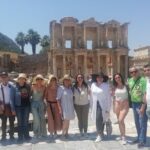
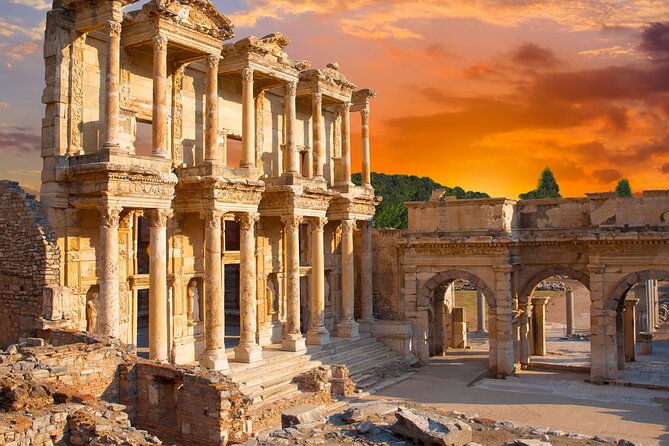
Day 4 shifts from Istanbul’s grand scale to Ephesus’s archaeological precision. The plan includes the House of the Virgin Mary (admission not included) plus Ancient Ephesus (also admission not included). Ephesus is described as the best-preserved classical city in the Eastern Mediterranean, and you’re given a time investment of about two hours.
This is the kind of place where guidance matters. When you understand that Ephesus was the second-largest city after Rome with over 250,000 citizens in the first century, the ruins stop being random stones and start being a lived city.
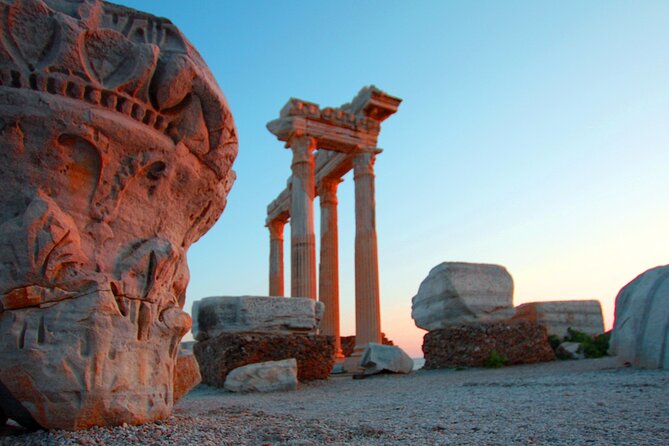
You also visit the Temple of Artemis (free admission in the plan). Even if you’re only there for an hour, this stop helps fill in the religion and mythology that fed Ephesus’s fame.
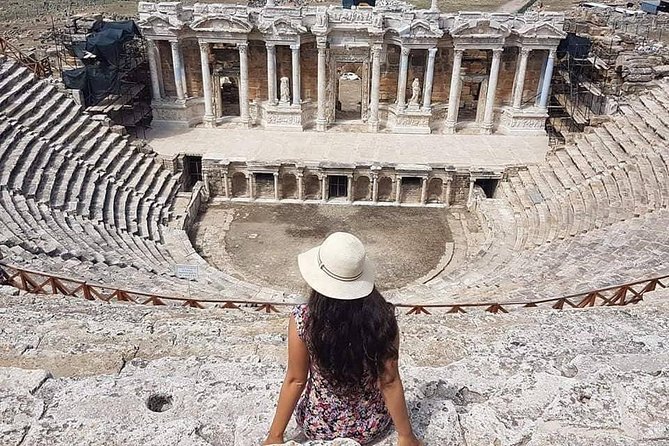
If you’re planning your photos, prioritize the main thoroughfares and theater-related areas first. Then use your extra time for details like library structures or street layouts. A guide can help you spot what’s most important without you needing to map it yourself.
Day 5 Pamukkale thermal terraces and Hierapolis ruins, then on to Antalya
Pamukkale is the kind of sight you think you know until you see it. You’ll visit the Pamukkale Thermal Pools, described as UNESCO world heritage and formed by warm spring water running over terraces with calcium bicarbonate. The plan gives about two hours, and admission is not included.
Then you add Hierapolis. This includes the ancient city, the biggest necropolis with 1200 gravestones in Anatolia, and the Sacred Pool, with shallow thermal water rippling over Roman ruins beneath. Hierapolis stop time is about one hour, and admission is shown as free in the plan.
One key caution is in the operator’s additional info: the Cleopatra Pool in Pamukkale is currently closed for maintenance. So if Cleopatra is on your must-see list, plan mentally for a slightly different experience.
After Pamukkale and Hierapolis, the day drives you to Antalya for check-in and an overnight.
Day 6 Antalya views from the coast, Duden Waterfalls, and Kaleici free time
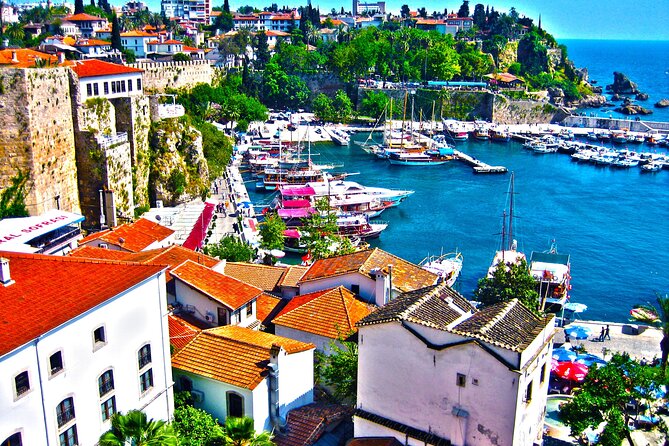
Antalya is where the route slows just enough to feel like a vacation instead of a marching band. Your plan includes Tunektepe Teleferik Tesisi, the cable car ride with views described as sea-to-sky. But there’s also a heads-up: the Tunektepe cable car is listed as closed due to renovation.
So expect that your day might switch. The additional info says the alternative is an optional one-hour boat tour in Antalya. Your plan also includes Upper Duden Waterfalls, which is listed as free admission in the plan and about one hour. Even with a substitution, the idea stays the same: water, views, and a break from walking on ancient stones.
Then you get the old-town feel. After lunch at a local restaurant with a panoramic view, you’re given free time to explore Kaleici. The plan highlights landmarks like Hadrianus Gate, the Clock Tower, Kesik Minare (Truncated Minaret), and city walls dated back to the second century. You also get practical time to shop for souvenirs in authentic shops.
This is the day you can control your vibe. If you want photos, focus on Hadrianus Gate and the old street lanes. If you want quiet, find a small café corner and let the city do its thing.
Day 7 Mevlana culture stop, a 700-year caravanserai, then Cappadocia check-in
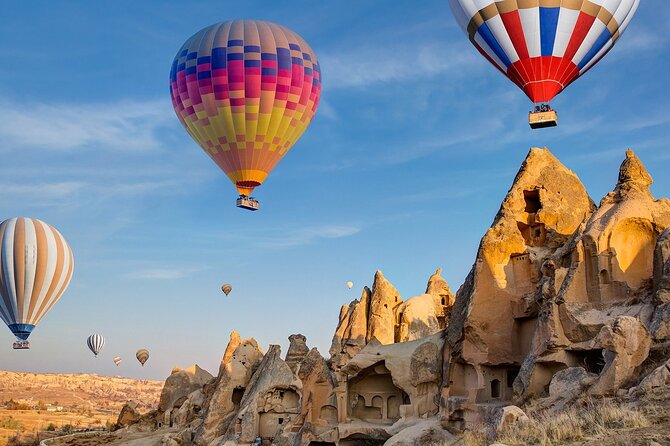
Cappadocia can’t happen too early, but the route is careful to keep you understanding the broader region. On this day, you visit Mevlana Kültür Merkezi and also see Goreme Open Air Museum time, described as rock-cut churches from the second half of the ninth century with colorful frescoes.
Then you stop at Sultanhani Kervansarayi, a 700-years-old caravanserai on the Silk Road. This is a smart pivot because it connects the dots between Istanbul’s empire story and Anatolia’s travel routes. Caravanserais were built for traders and travelers, so they’re basically architecture for human movement.
After lunch, you travel to Cappadocia and check in. Uchisar is listed for overnight, which is a great place to be based because it’s close to dramatic rock formations.
Day 8 Cappadocia valleys on foot: Rose Valley, Cavusin, pigeon lofts, and Kaymakli
Cappadocia works best when you walk. Day 8 leans into that with a sequence of valleys and rock villages. You start at Rose Valley, where the sandstone takes on pink tones, especially toward sunset. The plan notes minerals give the ridges their pink tinge.
Then you visit Cavusin. The village is described as being cut into rock formations and known for rock churches. After that, Pigeon Valley gets its name from man-made dovecotes carved into soft volcanic tuff. It’s one of those walks where you can actually spot the human design in the geology.
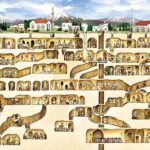
Next is Kaymakli Underground City, which is listed as admission not included and about one hour. The plan describes refuge for up to 15,000 Christians, with an eight-story layout and corridors connecting rooms for bedrooms, meeting areas, and food storage. It’s a powerful reminder that this region wasn’t just about beauty, it was also about survival and worship.
Finally, you visit Ortahisar Kalesi. The stop is free admission in the plan, and you’ll get views plus a vibe of friendly inhabitants and stone houses clustered around a rock formation.
Day 9 Goreme Open Air Museum revisit, plus Devrent, Pasabag, Avanos pottery, and quick viewpoints
Day 9 is packed but it’s the good kind of packed. You start with Goreme Open Air Museum again, with about two hours. This stop shows admission not included in the plan.
Then you move to Devrent Valley, famous for quirky animal-shaped rocks. It’s essentially nature acting like a sculptor, and it’s great for anyone who likes interpreting shapes and forms.
After that, Pasabag Vadisi, also known as Monks Valley, comes next. This one is listed as admission not included. It’s focused on hermitage territory connected to monks, so you get a more spiritual angle to the rock formations.
Avanos is where you slow down for craft. You’ll enjoy a typical Turkish lunch and experience pottery with local experts. That matters because it’s the one spot in Cappadocia where you can leave with something created by you, not just photos taken on your phone.
You finish with quick viewpoints: Goreme Panorama for fairy chimney views, and Uchisar Castle for panorama over the surrounding area. Each is about 30 minutes, listed as free admission in the plan.
Then the schedule jumps back to travel. You go to Kayseri Erkilet Airport for a domestic flight to Istanbul, then transfer to your Istanbul hotel for overnight.
Day 10 Istanbul departure: breakfast, checkout, and airport transfer
Your final day is straightforward. You check out after breakfast and are driven to Istanbul Airport based on your flight departure time. The plan ends there.
This is a good way to finish because it keeps you from adding one last major museum day when you’re already tired and carrying souvenirs.
What’s included, what you should budget for, and how to plan your day
Here’s the practical breakdown based on what’s stated:
Included in the plan
- 3 nights accommodation in Istanbul, 2 nights in Kusadasi, 2 nights in Cappadocia, and 2 nights in Antalya
- Meal plan with breakfast and lunch counts specified in the itinerary
- Land transportation by air-conditioned, non-smoking vehicle
- Transfer services from and to airports
- Domestic flight tickets if you select the included-flight option
- Guided sightseeing at listed stops
- Your guide is set up with pre-paid skip-the-line tickets to reduce long waits
Not included
- Entry fees to historical sites
- Tips to guides and drivers
- Domestic flights if you select the excluded-flight option
How entry fees work on the ground
- Since entries are excluded, your guide handles skip-the-line setup, then you pay the used entry ticket costs in cash in Turkish Lira, USD, or Euro.
Two closures to factor in before you go
- Cleopatra Pool in Pamukkale is closed for maintenance, and no reopening date is provided.
- Tunektepe cable car in Antalya is closed due to renovation, with an optional boat tour suggested as an alternative.
My advice: bring a mix of payment options. You may not know which tickets you’ll be asked to pay in cash until you arrive at each stop.
Who this tour fits best
This is a strong fit if:
- You’re seeing Turkey for the first time and want the big hits without building your own route
- You like guided context, especially for ancient sites like Ephesus and underground churches in Cappadocia
- You want a pace that does a lot, but still tries to give you short windows to breathe
It may be less ideal if:
- You’re very price-sensitive on admissions and prefer a fully packaged ticket bundle
- You dislike any itinerary substitutions due to closures like Cleopatra Pool or the Tunektepe cable car
- You’re strict about group size matching a specific number, since the operational cap can be higher than the marketing language
Should you book this Best of Turkey-10 Days tour?
I’d book it if you want an efficient Turkey sampler with solid structure: Istanbul classics, Ephesus-level ancient wonder, Pamukkale’s surreal terraces, Antalya’s old-town atmosphere, and Cappadocia valleys that reward walking.
I’d also book it if you value the “less hassle” side: airport transfers, hotel base locations, domestic flights (if you choose the included-flight option), and guides who are praised for pacing and for being clear about what costs and expectations look like, including feedback tied to guides such as Barboros, Ali, Metin Pehlivan, and Kerem.
But don’t treat the itinerary as fixed in stone. Read it as a great plan with a few moving parts, because entry fees are extra and some attractions can be offline or swapped. If you can handle that flexibility, this tour offers one of the cleaner ways to see Turkey across multiple regions without feeling lost.
FAQ
Are entry fees included in the tour price?
No. Entry fees to historical sites are excluded. Your guide has pre-paid skip-the-line tickets to avoid long ticket queues, and the cost of used entry tickets can be paid to your guide in cash (Turkish Lira, USD, or Euro).
Is a domestic flight included during the trip?
It depends on your selected option. Domestic flight tickets are included only if you choose the included-flight option; if you choose excluded-flight tickets, you will purchase the domestic flights yourself.
Do you get pickup from Istanbul airports?
Yes. Transfer services from and to airports are included. Pickup details say transfers from IST or SAW airports to the hotel are arranged by the team.
How big is the group?
The maximum number of travelers stated is 25. The experience is described as a small-group tour in marketing, but group size may vary by departure.
What if some historical sites are closed on my dates?
Some historical sites may close during religious or national holidays. The tour information says you can contact the team to confirm whether any sites will be closed for your travel dates before booking.
How much baggage is allowed when flights are included?
If you select the included-flight option, baggage allowance is listed as 15 kg checked plus 8 kg hand luggage.