
Review · LUNCH EXPERIENCES
Istanbul Ancient Monasteries Full-Day Tour with Lunch
Monasteries without the big-city noise. This Istanbul Ancient Monasteries full-day tour strings together Constantinople’s religious landmarks, from the stone remains around Sarachane to the Chora mosaics focus and the royal mood of Tekfur Sarayi.
I love how the day stays human-sized, with a maximum of 4 people, so you can ask questions without feeling rushed. I also like that lunch is built in, usually a simple two-course meal with soup or salad plus a meat-and-eggplant entree.
The main tradeoff is the pace: it is a long, mostly street-level day with lots of walking, and the stops are generally visited from outside, so it is not ideal if you want constant indoor entry.
Key things that make this tour work
- Small-group format (up to 4) keeps the experience personal and easier to manage on busy streets
- Hotel pickup and drop-off on the European side saves time and stress at the start and end
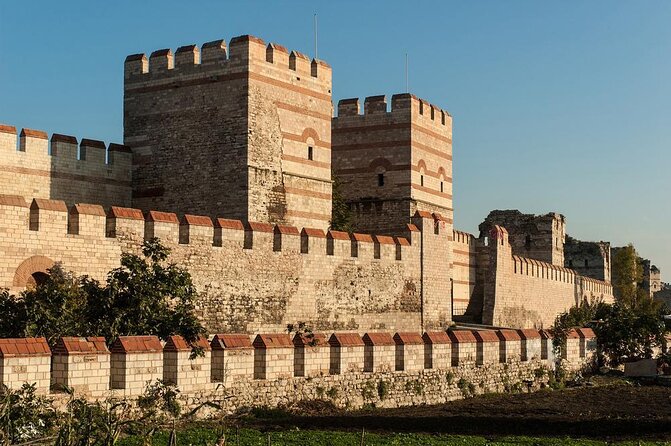
- Sarachane, Fener, and the old walls loop gives you multiple layers of Constantinople without jumping all over the map
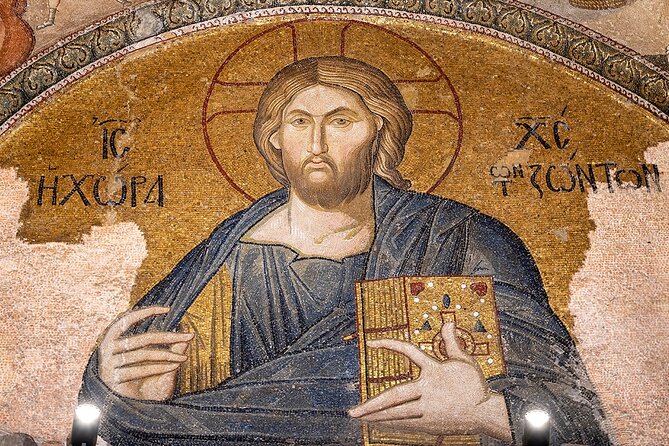
- Chora’s Byzantine art focus is the emotional centerpiece of the route, especially the mosaics and frescoes
- Tekfur Sarayi stop from the outside helps you picture palace life at the end of the Byzantine era
- English guides such as Ilker, Diana, and Serhat are praised for context and clear explanations
Byzantine monasteries in Istanbul, not the usual highlights
If you have already hit Hagia Sophia and the Blue Mosque, this is the kind of day that changes your view of Istanbul. You spend the day following the religious geography of Constantinople, where Greek Orthodox churches, monastic complexes, and later Ottoman conversions sit side by side in today’s neighborhoods.
The heart of the experience is how the tour connects buildings to big shifts in power and belief. You do not just look at stone. You learn why a church became a mosque, why a palace mattered, and why certain sanctuaries were treated as important in their era.
You’ll also get a strong sense of scale, even when only fragments remain. Some sites are intact enough to feel grand, while others are carved remains and exterior silhouettes. Together, they tell the full story of what survived, what changed, and what still echoes through the streets.
More Istanbul tours and experiences for the shortlist

Hotel pickup, a 4-person cap, and the walking reality
This is scheduled as a long outing, about 6 hours 40 minutes to 7 hours 30 minutes. You meet at 9:00 am and, if you are staying on the European side, you get complimentary pickup and drop-off from centrally located hotels.
Transportation is handled by an air-conditioned minivan, which helps if you are trying to fit a lot into one day without burning time on taxis. The group limit to 4 also matters here. Even on a busy day, small groups move more smoothly and your guide can keep the pace more comfortable.
Now the part you should plan for: there is moderate walking. Reviews and the tour setup both point to comfortable shoes as a must. And because many stops are exterior views, your legs are doing a lot of the work while your eyes do the rest.
Sarachane first: St Polyeuktos and the feel of a vanished sanctuary
You start in Sarachane on the European side, then step into the carved remains of St Polyeuktos. This was built in the 6th century, and it was considered one of the most important Christian sanctuaries of its time.
Even if you only see remains, this stop is powerful because it is about absence as much as presence. You’re looking at stone that once belonged to something major, and your guide helps you connect those fragments to the bigger Constantinople story.
Because the tour is generally exterior-focused at each stop, you’ll want to slow down and actually read the site. Look for the stonework, the shape of what’s left, and the way the neighborhood frames the relics. It is a different kind of sightseeing, more thoughtful than photo-chasing.
Church-to-mosque transformations at Pantocrator and the cistern story
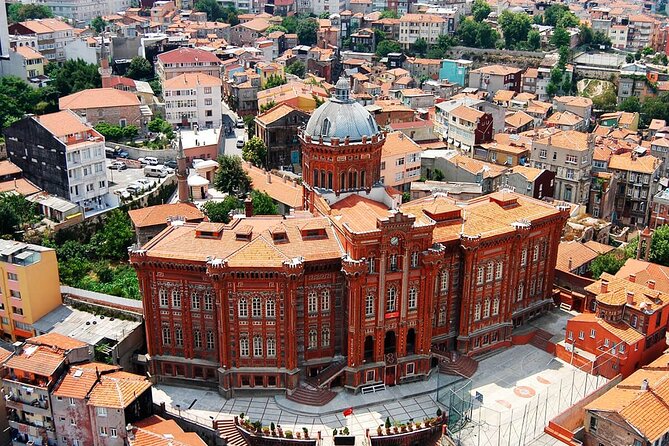
Next comes the Church of Pantocrator, built in the 12th century and later converted into a mosque. This kind of transition is not just a trivia point. It is a clue to how rulers repurposed sacred spaces, both physically and symbolically.
One of the more interesting details you get here is the mention of an ancient cistern associated with the complex. Cisterns can feel like hidden utility, but in a city like Istanbul they connect religion, daily life, and the engineering needs of a dense capital.
What I like about this stop is that you’re learning while you’re looking. Even from the outside, the building’s later identity helps you imagine what the original church must have felt like, and what changed when the space took on a new role.
Fethiye Mosque (Pammakaristos): mosaics in a funerary chapel
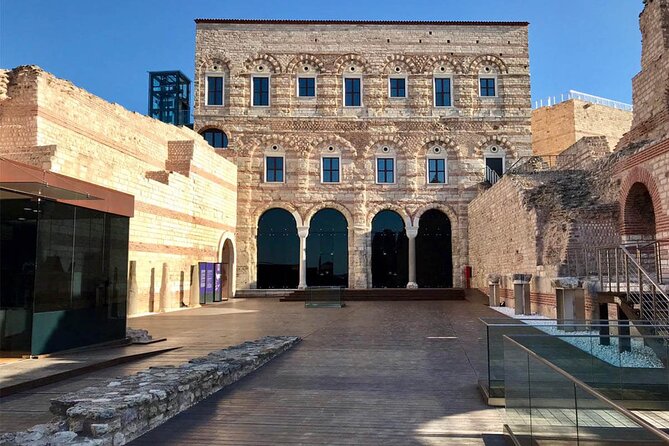
Then the tour shifts to Fethiye Mosque, which was originally Pammakaristos Church. This stop is especially meaningful because the story includes funerary mosaics, meaning the art wasn’t just decoration. It was tied to memory, status, and belief.
The key is the funerary chapel and its stunning array of Byzantine mosaics. If you care about how late Byzantine visual culture communicated faith, this is one of the most direct connections in the day.
You do not need to be an art expert to appreciate it. Your guide sets the scene so you know what you are looking for: the style, the purpose of the mosaics, and why the church’s identity matters even after it became a mosque.
More Istanbul tours and experiences for the shortlist
A pause for St John the Forerunner, then lunch in Fatih
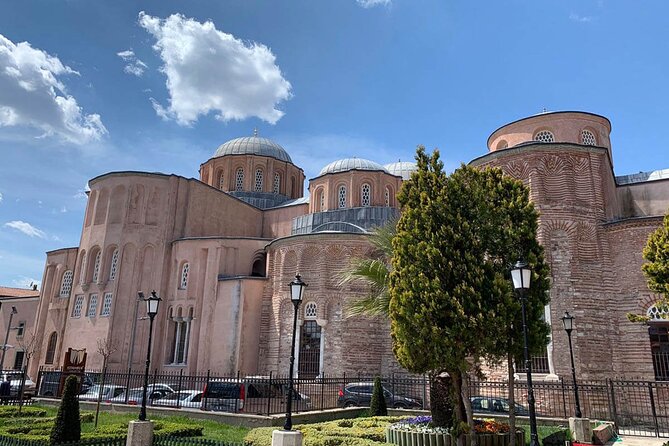
After the church-and-mosque circuit, you reach the monastery chapel of St John the Forerunner. This is a quieter, more contemplative stop in the flow of the day. It helps you reset before lunch and the later art-focused segment.
Lunch is part of the schedule, usually a two-course meal. The typical structure is soup or salad first, then a meat and eggplant entree. This is exactly the kind of meal that fits the day well: hearty, local, and not so heavy that you feel trapped after.
Your guide often eats with you in the Fatih district area as part of the experience, and that can make a difference. One thing I value on food stops is context, and on this tour you are not just handed a plate. You get the guide’s sense of what you are eating and why it belongs to the region.
That said, lunch quality can be variable depending on the restaurant booked. One person felt it was fine but not special for the price. I’d treat lunch as a solid included break, not a guaranteed fine-dining highlight.
Chora Museum and Chora Church: the mosaics that hit hardest
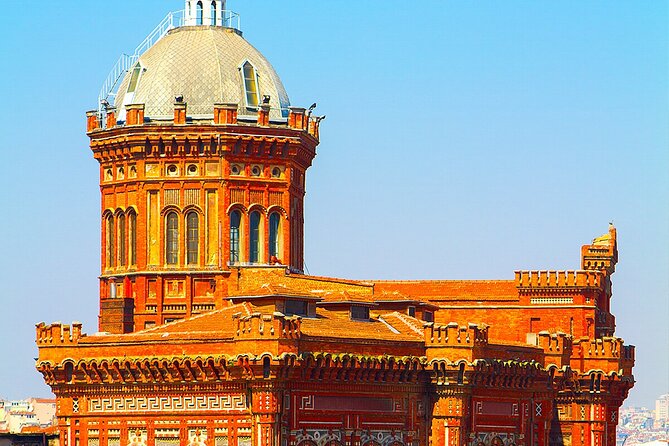
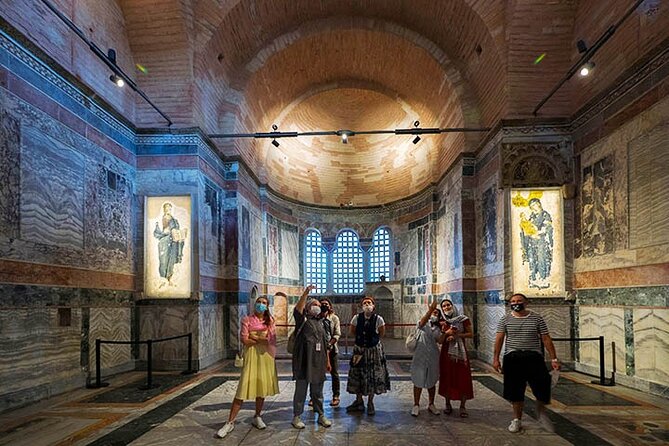
Chora is the reason many people choose this tour. The focus is on Byzantine-era art, specifically mosaics and frescoes connected to Christ’s life. This is where Constantinople feels most vivid, because the imagery is detailed and narrative.
In the day’s flow, Chora also works as a mental turning point. Earlier stops give you the geographic and political story of conversions and surviving fragments. Chora gives you the devotional and artistic side, where belief is expressed through color, pattern, and scene-setting.
One practical note: the tour description strongly emphasizes entering the Chora Church to see the mosaics and frescoes. At the same time, the plan also states that places in the itinerary are visited from outside. The safest move is to confirm the day before whether your Chora portion includes indoor viewing time with your guide.
If you do get that time inside, you’ll likely understand why this is treated as a centerpiece, even by people who have already seen Istanbul’s headline attractions.
Tekfur Sarayi: picture the palace before the Ottoman era fully took over
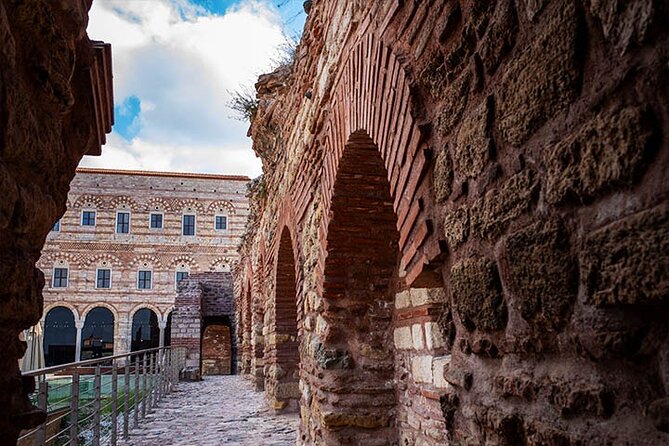
After Chora, you walk through the Tekfur Palace area, often called Tekfur Sarayi. This is connected to the Palace of the Porphyrogenitus, and it was tied to royalty until the 15th century when the Ottoman reign began.
Even from the outside, the visual rhythm of the complex helps you understand why it mattered. You’ll wander through archways and courtyards, and you can take in the elegant façade that’s still standing after centuries of change.
What makes this stop more than a quick look is the way your guide frames the palace mood. The tour sets you up to imagine the buildings not only as royal space, but as a place shaped by stories, captivity, and gardens that once existed as part of the wider complex.
This is a good stop for photos, but it’s even better for thinking. You come away with a sense of how power lived in physical form, not just in dates.
Vlaherna, St Mary of the Mongols, and Fener’s Greek Orthodox institutions
The later part of the route leans into the Fener side of the old city, where Greek Orthodox presence has long been visible. You’ll pass by and look at Vlaherna Meryem Ana Church and the Church of St Mary of the Mongols.
One detail worth knowing: the Church of St Mary of the Mongols is described as the only remaining Byzantine church in Constantinople that has never been converted to a mosque. It stayed open to the Greek Orthodox Church. That continuity gives this stop a slightly different weight than the many conversion stories you heard earlier.
You’ll also see the Private Fener Greek High School, described as the oldest surviving and most prestigious Greek Orthodox school in Istanbul. That matters because it shows that faith, education, and community life did not stop with the end of Byzantium.
Then the tour shifts to the walls and gates of Constantinople and nearby church-adjacent spaces. You’ll see exterior views of walls, gates, and older religious sites, including Molla Zeyrek Mosque, which is made from two former Eastern Orthodox churches and a chapel.
Finally, you’ll look toward the Ecumenical Patriarchate of Constantinople at Fener Rum Patrikhanesi. It’s a reminder that Istanbul’s religious story is not trapped in the past. It is still operating, still organized, still connected to real communities today.
The guide makes or breaks a religion-and-art day
On a day like this, the guide is the difference between seeing buildings and understanding them. The best guides connect details to purpose, so you know what changed, why it changed, and what stayed recognizable.
Guides such as Ilker, Diana, and Serhat are repeatedly praised for professionalism, warmth, and strong explanations. What stands out is their ability to explain both Christian sites and, when relevant, how Muslim traditions and Ottoman practices relate to what you’re seeing.
That matters because many stops are exterior-only. Without interpretation, you can end up with a list of places. With interpretation, you start building a mental map of Constantinople as a living system of religious power, architecture, and community memory.
If you like asking questions, this tour format makes it easier. A smaller group plus hotel pickup means you are not constantly fighting logistics, so you can actually talk.
Price and value: what $781.90 per group really means
This tour is priced at $781.90 per group, for up to 4 people. That sounds steep if you compare it to per-person headline tours, but the pricing model is group-based and includes several things that you’d otherwise pay for.
If you fill the group with 4 people, you’re closer to about $195 per person before extras. If you end up with only 1 or 2 people in your group, the per-person cost rises fast.
What you get for that group price is hotel pickup and drop-off, an English-speaking licensed guide, transportation in an air-conditioned minivan, and lunch. The itinerary also marks the listed viewing points as having free admission, so you are not stacking paid entries on top of the fee.
Still, you should weigh one honest concern: lunch satisfaction was not identical for everyone. One person loved the lunch, calling it home-style Anatolian food and more than enough. Another felt it was only ok and wanted a better restaurant given the price.
My take: this tour is best value when you can share the cost with at least a couple of people, and when you want the art-and-context payoff of Chora plus the full day of Constantinople religious geography.
Who this Istanbul Ancient Monasteries tour is best for
This works well if you fall into one of these categories:
- You want a day on Constantinople’s lesser-seen religious sites after you’ve already done the big icons
- You like walking through real neighborhoods and learning how one era reshaped another
- You care about Byzantine art, especially the mosaics and fresco focus at Chora
- You can handle a long day on your feet and prefer a guided route over total self-planning
It may not be ideal if you need lots of indoor time at every stop. The tour’s own setup leans heavily toward exterior viewing. And if your mobility is limited or you prefer shorter outings, you might feel it.
Should you book this Ancient Monasteries full-day tour with lunch?
Book it if you want a focused Constantinople route with a guide who can connect architecture to the real religious story. The Chora emphasis plus the Pantocrator and Pammakaristos themes are a strong combination, and the small group size makes the day feel more human.
Skip it if you are expecting a nonstop parade of major museum interiors, or if the idea of a full day of walking does not match your energy level. Also, if you are extremely picky about lunch, treat it as an included break that may vary by restaurant.
If you want Istanbul to feel like Constantinople, not just a skyline of famous mosques, this tour gives you a route and context that most self-planning misses.
FAQ
What time does the tour start?
The tour starts at 9:00 am.
How long is the Ancient Monasteries tour?
It runs about 6 hours 40 minutes to 7 hours 30 minutes.
Is lunch included, and what does it usually include?
Lunch is included. It is typically a two-course meal, usually soup or salad first, followed by a meat and eggplant entree.
Does the tour include hotel pickup and drop-off?
Yes. You get complimentary hotel pickup and drop-off from centrally located European Side hotels.
Is the tour conducted inside buildings or mostly outside?
The tour notes that all the places in the itinerary will be visited from outside.
What language is the tour guide?
The tour is offered in English.
Can I cancel for free?
Yes, you can cancel for a full refund if you cancel at least 24 hours before the experience’s start time.
More Lunch Experiences in Istanbul


More Tours in Istanbul

More Tour Reviews in Istanbul
Not for you? Here's more nearby things to do in Istanbul we have reviewed



More Lunch Experiences to consider.
 ★ 4.1Bursa & Uludag Tour with Lunch & Cable Car OptionFrom $301,879 reviews
 ★ 4.6Full-Day Highlights Tour with Guide and LunchFrom $371,662 reviews
 ★ 4.0From Istanbul: Full-Day Princes Island Tour with LunchFrom $261,550 reviews
 ★ 4.0From Istanbul: Sapanca and Masukiye Day Trip with LunchFrom $291,036 reviews
 ★ 3.6Princes’ Islands Cruise w/Music, Lunch & TransferFrom $34711 reviews
 ★ 5.0Istanbul to Gallipoli Full Day Tour with Lunch and TransfersFrom $157567 reviews
 ★ 4.5Istanbul Historical Tour with Guide, Lunch and TransfersFrom $248561 reviews
 ★ 5.0Bosphorus Luxury Lunch Cruise & Black Sea Swimming ExperienceFrom $181447 reviews
Other ways to explore Istanbul