
Review · 1-DAY TOURS
From Istanbul: Göbeklitepe Day Trip with Return Flights
Göbeklitepe breaks your sense of time. In one day, you fly from Istanbul to Şanlıurfa and visit the world’s oldest known temple complex, Göbeklitepe, plus nearby sites that explain why it matters far beyond archaeology class.
I also loved the Şanlıurfa Archaeology Museum, where Göbeklitepe discoveries sit among prehistoric statues and later Ottoman-era finds. After that, the city route through Ayn Zeliha (Balıklıgöl) and the Abraham-linked stops can feel like a live map of faith and legend. One possible drawback: meeting up at the airport is not always as effortless as it should be, so have the tour contact ready and plan to make one quick call if needed.
Key takeaways before you go
- Göbeklitepe as a world-class “before writing” site, dated around 12,000 years in the program’s description
- Museum time that actually connects dots, including artifacts from Göbeklitepe and other regional sites
- A religious-and-legend route in Şanlıurfa, from Halil-ür Rahman Mosque to the cave tied to Prophet Abraham
- Balıklıgöl with legendary fish, plus a sacred, local-feeling stop in the city center
- Harran as context for Mesopotamia, a stop that helps the whole region click together
- English private guiding with real personalities, including guides named Yusuf, Malik, and Sitiki
Göbeklitepe: walking among the world’s oldest temple complex
This day trip is built around one big idea: Göbeklitepe is not just old, it is mind-bending. The site is described as the world’s oldest known temple complex, dated around 12,000 years ago. Even if you’ve read about it, seeing it in person is different. You’re looking at a place that suggests organized ritual long before written history and before farming took over the story most people learn in school.
What I like about the way this tour frames Göbeklitepe is the focus on meaning. The program notes the site as a possible first pilgrimage center and highlights what it teaches us about religious belief among hunter-gatherer societies. That matters because the site isn’t only about stones. It’s about people doing something together for reasons that were likely spiritual, symbolic, and deeply social.
You’ll spend time exploring Göbeklitepe with your live English guide, who should connect the dots between symbols you see on the structures and the larger “why” behind the excavation. If you enjoy archaeology that feels human, this stop is the star.
Time check: since it is a one-day trip, you won’t have a week to wander. Wear comfortable shoes, because the pace is fixed by flights and transfers.
More Istanbul tours and experiences for the shortlist

Şanlıurfa Archaeology Museum: where the finds stop being abstract
After Göbeklitepe, the Şanlıurfa Archaeology Museum gives your brain something to hold onto. The museum is described as one of Turkey’s most important museums, with a collection spanning prehistoric times through the Ottoman period. That range is helpful because it keeps Göbeklitepe from feeling like a stand-alone “wow moment.”
In the museum, the program highlights artifacts from major regional sites, including Göbeklitepe and Nevali Çori. You’re also told to expect eye-catching pieces like life-size statues over 11,000 years old, mosaics, ancient tools, and religious objects. Even if you’re not a museum person, this stop can turn scattered facts into a clearer picture.
One extra detail I’d treat as a “look for this” item: the Urfa Man. In at least one guided experience, that exhibit became a highlight, so if your guide points it out, pause for it. It’s the kind of object that makes the whole region feel personal, not just ancient.
How to get value: spend your energy asking why things are displayed together. A good guide will use the museum to connect the city you’re about to walk through to what came before it.
City-center route: Halil-ür Rahman Mosque and the birthplace cave
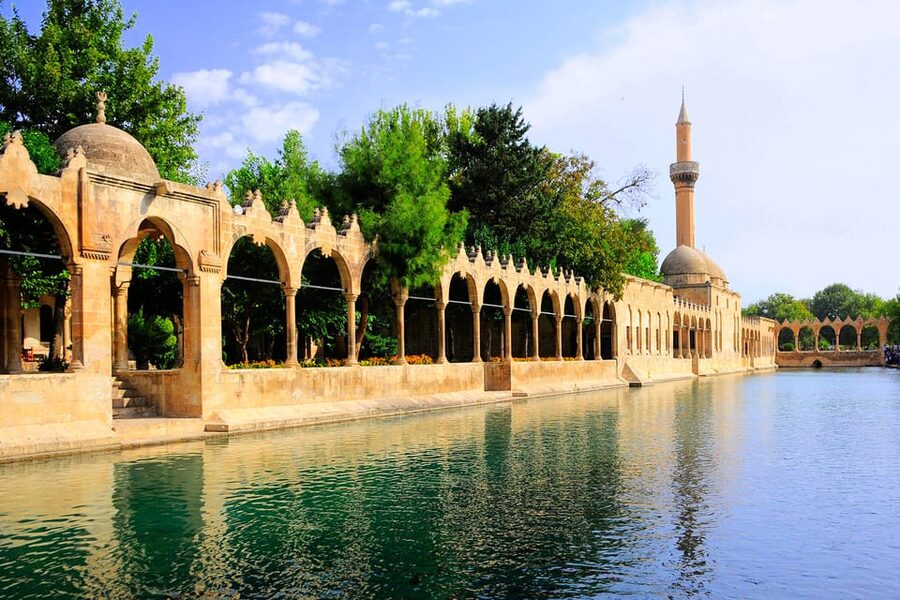
Once you’re in Şanlıurfa city center, the itinerary shifts from prehistory to living faith and local storytelling. You visit the Halil-ür Rahman Mosque, the Rizvaniye Mosque, Ayn Zeliha (Balıklıgöl), and a cave where Prophet Abraham was born (as described in the program).
Here’s what you’ll likely appreciate: these aren’t only “sightseeing stops.” They’re part of how people in Şanlıurfa understand their landscape. The Halil-ür Rahman Mosque is tied to traditions that help explain why certain places become anchors for pilgrims. The cave stop works as an emotional anchor too, because it links the region’s identity to a figure known across religions.
A well-run day trip can make this route feel cohesive instead of random. In guided experiences, you’ll often hear names tied to the sites, plus short explanations that help you notice details instead of just walking through.
Practical note: bring sunscreen and expect sun exposure. The city leg is not about climate-controlled wandering.
Balıklıgöl and the fish legend: a sacred stop with character
Ayn Zeliha, also known as Balıklıgöl, is one of the most famous stops in Şanlıurfa, and the program calls it a sacred pool with legendary fish. If you’ve only heard the legend in passing, this is where the story becomes physical: a pool, a setting, and the feeling that this place has been important for a very long time in local life.
What I find valuable about this part of the itinerary is the balance. Earlier you saw monumental prehistory. Here, you see how sacred spaces continue to shape a city’s identity, even when the beliefs and symbols change over time.
If you like travel that mixes the archaeological with the everyday, this stop does it well. It’s also a good pause point during a packed day. Watch what people do. Notice how locals treat the space. It’s not just for photos.
Harran: why this stop helps your mental map
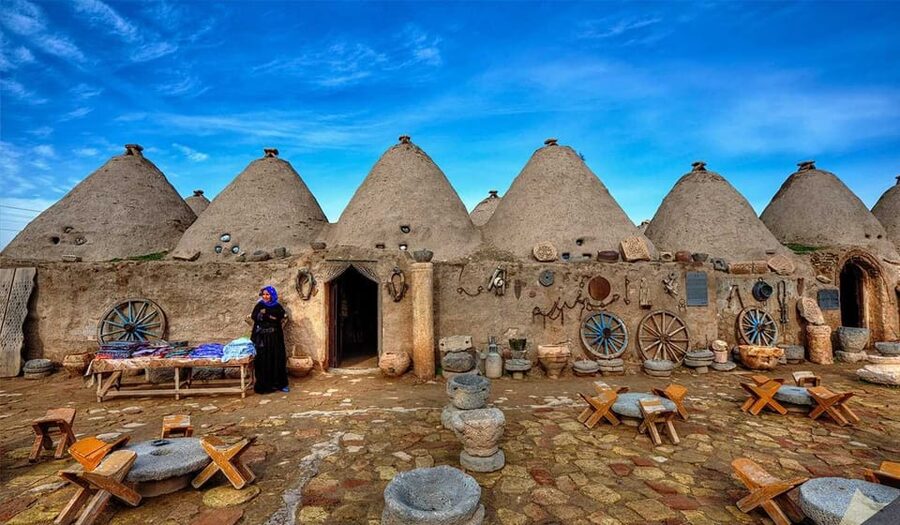
Harran shows up on the tour as another history-heavy location. The program frames it as a venture into a city steeped in history, and it belongs in this itinerary for a simple reason: it helps you understand Şanlıurfa’s place in the broader Mesopotamia story.
Even if you know Harran mainly from names in historical accounts, your guide can usually connect it back to regional themes: ancient trade routes, cultural layers, and how places with ancient roots stay relevant.
What to expect: you’ll spend enough time to feel the shift in vibe, not enough to treat it like a second full-day trip. If you’re hoping to obsess over every historical layer, this is not that kind of itinerary. But for a one-day plan, Harran gives you needed context.

Markets and inner-city sights: Sipahi Bazaar to the Kitchen Museum
The city portion includes a long list of market and landmark stops: Sipahi Bazaar, Kazzaz Market, Hacı Kamil Han, Hüseyiniye Bazaar, Naccar Bazaar, Historical Customs Inn, Ulucami, and the Kitchen Museum.
That’s a lot of names, but the upside is variety. Markets in Şanlıurfa can turn the day from “temples and artifacts” into something more everyday. You get to see how commerce, tradition, and tourism overlap. And the guide can make a difference here, because without context, bazaars are just stalls. With context, they start telling you how locals live.
How to shop smart in a tight schedule:
- Keep purchases small until you see what you actually like.
- Carry cash (the program explicitly recommends it).
- If you want food or snacks, plan for it to be on your own.
Also, the guide matters. In one experience, the guide helped find quieter spots with fewer tourists, which is exactly what you want when you’re trying to experience markets without constant crowd pressure.
Flights and pickup from Istanbul: logistics that make or break the day
This is a one-day trip built around flying Istanbul to Şanlıurfa and back. That’s both the appeal and the pressure.
You’ll be picked up from your accommodation in Beyoğlu or Sultanahmet and transferred to the airport. The program also notes that a hotel pickup in the Kadıköy area was handled in at least one case, so it may be worth checking if you’re nearby but not officially in the pickup zone.
At Şanlıurfa Airport, you meet your guide and go to Göbeklitepe, then continue through the museum and city route, and eventually return to the airport for your flight back to Istanbul.
The one thing to watch: airport logistics. In one guided experience, the meeting required a call to locate the guide, and in another situation the post-tour pickup back at Istanbul Airport also needed quick coordination. So do this: save the tour contact number in your phone before you leave and be ready to use it quickly.
This is also why arriving prepared matters. Bring water, wear comfortable clothes, and keep your daypack simple.
Price and value: what you’re paying for at $709 per person
At $709 per person, this trip is not cheap. But it’s also not just paying for sightseeing. The price includes round-trip flights (Istanbul to Şanlıurfa and back), transfers, and a live English guide.
Here’s how I think about the value:
- The included flights remove the biggest planning headache. Getting to a less-visited region like Şanlıurfa is hard on your own if you want a same-day schedule.
- The included transfers keep you from losing time between airport, Göbeklitepe, the museum, and the city.
- The guide is doing real work, because Göbeklitepe and the museum both need context to land properly.
What is not included is food and drinks, and site entry tickets are not included either. You’ll want to budget extra for those costs. Also, the tour mentions a skip-the-ticket-line feature, which can reduce waiting time if you’re purchasing entry on the ground.
If you’re the type of traveler who values efficiency and hates juggling transport while also wanting a coherent narrative, the price starts to make sense. If you’d rather travel slowly and spend two or three days in the region, then this one-day format may feel too compressed.
Guide impact: Yusuf, Malik, Sitiki, and why stories matter here
This type of day trip rises or falls on the person leading you. The tour includes a live English guide, and the experiences shared here put names to that impact.
- Yusuf is highlighted for knowing Şanlıurfa well and making stops feel special.
- Malik is praised for being informative and determined to deliver a strong experience.
- Sitiki is noted for being helpful with English questions and taking people to less crowded spots.
Even if your group is private, you still want the guide to move you through a packed day without turning it into a checklist. The best guiding here does two things: it explains why each place matters, and it helps you notice what you might otherwise miss.
One extra cultural tip from a guided experience: visitors from far away can get attention from local kids. A Japanese traveler described kids being curious and friendly, and if you enjoy that kind of human interaction, it can add a memorable layer to the day. Just keep it respectful, short, and photo-friendly.
What to bring and how to pace yourself
The program gives you a practical list, and I agree with it.
Bring comfortable shoes, sun hat, sunscreen, camera, and water. Comfortable clothes matter too, because you will be moving through both archaeology and open-air city stops. The program also suggests a packed lunch and cash.
And here’s the pacing reality: this is a flight-based itinerary. You can’t “slow down later.” So I’d treat this day like an athletic event. Eat when there’s a break. Take shade when you can. Save energy for Göbeklitepe and the museum, where your attention matters most.
Who should book this one-day Göbeklitepe trip
I’d point this one-day plan at travelers who:
- Want a serious Göbeklitepe visit without planning a multi-day trip
- Like archaeology and want museum context, not just photos
- Enjoy religious landmarks with local legends attached
- Are comfortable with a packed schedule driven by flights
It’s also a good fit if you’re traveling with limited time in Turkey and you want a route that feels logical: Göbeklitepe, museum, Abraham trail, Balıklıgöl, markets, then Harran.
Who should skip it (or choose something longer)
This tour is not suitable for wheelchair users, and the day’s pace can be intense. If you need slower travel, longer museum time, or you get anxious with air travel connections and quick meeting logistics, you might prefer a multi-day itinerary in the region.
If you love walking for hours without time pressure, this one-day format may feel like you’re sprinting between highlights.
Should you book this Göbeklitepe Day Trip from Istanbul?
If your dream is to see Göbeklitepe and you want the day planned for you, this is one of the more efficient ways to do it. The inclusion of flights, transfers, and a guided narrative makes it a practical value for travelers who don’t want to wrestle with logistics.
My advice: book it if you are comfortable with a tight schedule and you’re willing to pay extra for food and site entry tickets. Also, save the tour contact details in your phone before the airport day. A small amount of readiness can remove most stress.
Skip or reconsider if you want slow travel, wheelchair accessibility, or more time to linger at each stop.
FAQ
How long is the Göbeklitepe day trip?
It’s listed as a 1-day experience. Starting times depend on availability.
Where does the pickup in Istanbul happen?
Pickup is included from accommodation in Beyoğlu or Sultanahmet.
Is this tour guided in English?
Yes, it includes a live English guide.
What’s included in the price?
The included items are a live guide, flight tickets (Istanbul to Şanlıurfa and back), and all transfers mentioned in the program.
What is not included?
Food and drinks are not included, and entry tickets to sites are not included.
Is there free cancellation?
Yes. You can cancel up to 24 hours in advance for a full refund.
More 1-Day Tours in Istanbul

More Tour Reviews in Istanbul
Not for you? Here's more nearby things to do in Istanbul we have reviewed




More 1-Day Tours to consider.
 ★ 4.0From Istanbul: Sapanca and Masukiye Day Trip with LunchFrom $291,036 reviews
All in One Day Istanbul – Historical Tour of Istanbul with Bosphorus CruiseFrom $164489 reviews
★ 4.0From Istanbul: Sapanca and Masukiye Day Trip with LunchFrom $291,036 reviews
All in One Day Istanbul – Historical Tour of Istanbul with Bosphorus CruiseFrom $164489 reviews
 ★ 3.7Bursa & Uludag Mountain Day Trip w/ Opt. Cable CarFrom $31447 reviews
 ★ 4.0Istanbul Shore Excursion: Istanbul in One Day Sightseeing TourFrom $100273 reviews
 ★ 4.6From Istanbul: Day Trip to Cappadocia with Flight & LunchFrom $188182 reviews
 ★ 3.6Bursa and Uludag Full-Day Trip with Cable Car RideFrom $58164 reviews
 ★ 4.5Gallipoli Day Trip from IstanbulFrom $240147 reviews
 ★ 5.0Ephesus Day Trip from Istanbul incl Domestic FlightsFrom $475128 reviews
Other ways to explore Istanbul