
Review · HISTORICAL TOURS
Turkish Cuisine, Food, and History
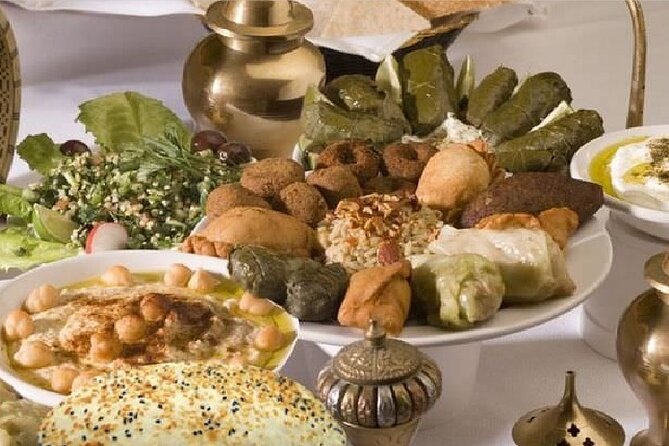
Food in Istanbul leaves clues everywhere. This half-day style tour connects what people ate and how they lived in Ottoman and Byzantine eras, while you move through major historic sites.
I especially like the way the day links daily life to real locations, so you are not just looking at buildings, you are learning the food culture that surrounded them. I also appreciate that lunch and key admission tickets are included, which makes the value feel practical instead of pay-as-you-go.
One consideration: this is not a hands-on cooking class. If you want lots of kitchen time, you might feel it is more museum and neighborhood storytelling than cooking.
Key things to know before you go
- Food history, tied to Ottoman and Byzantine daily life instead of generic sightseeing
- Topkapi Palace, Great Palace Mosaics Museum, and Tekfur Sarayi all have admission included
- Balat walk through a UNESCO heritage area connected to Muslim, Christian, and Jewish coexistence
- Lunch is included, so you can focus on the cultural stops rather than hunting for food
- Private format means only your group joins, with a professional English-speaking guide
- Plan for walking in narrow streets during the Balat portion
Why this Istanbul tour ties Turkish cuisine to palace walls
This tour is built around a simple idea: food is history you can taste through stories. You spend the day at locations tied to major eras, and your guide uses those settings to explain what people likely ate, how daily culture worked, and why cooking mattered in everyday life.
I like that it is not trying to be only a “palace tour” or only a “food tour.” The rhythm keeps switching between imperial sites and neighborhood streets, which helps the food theme feel grounded instead of abstract.
Also, the private-group setup matters more than you might think. With a smaller, contained group, questions land faster, and the guide can tailor explanations to what you care about most.
You can also read our reviews of more food & drink experiences in Istanbul
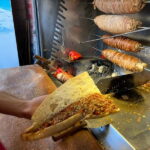
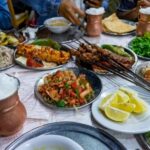
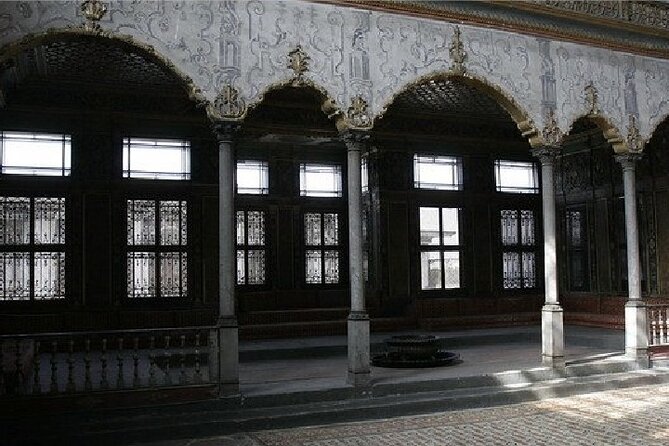
Topkapi Palace: Ottoman headquarters, plus the food-life angle
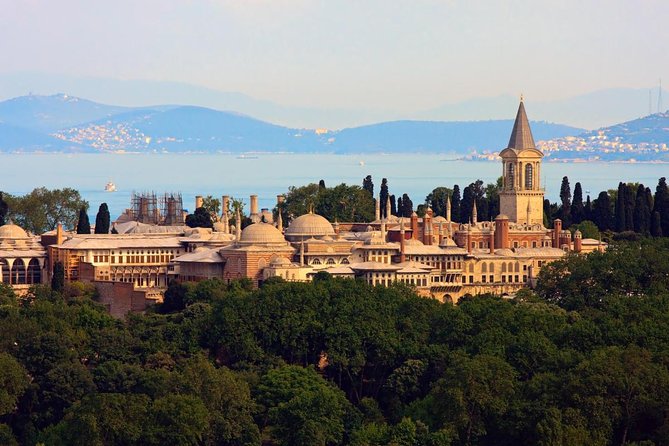
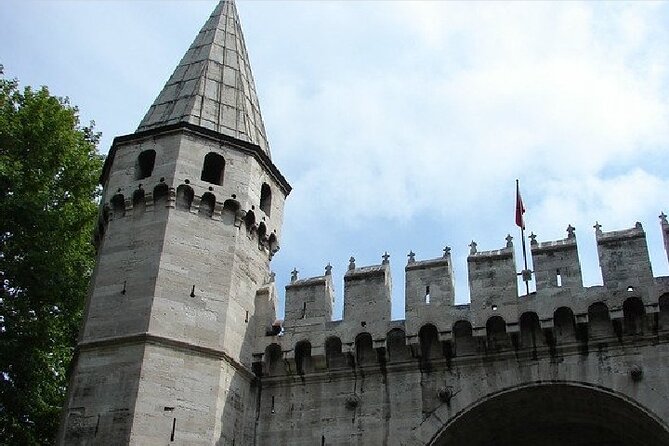
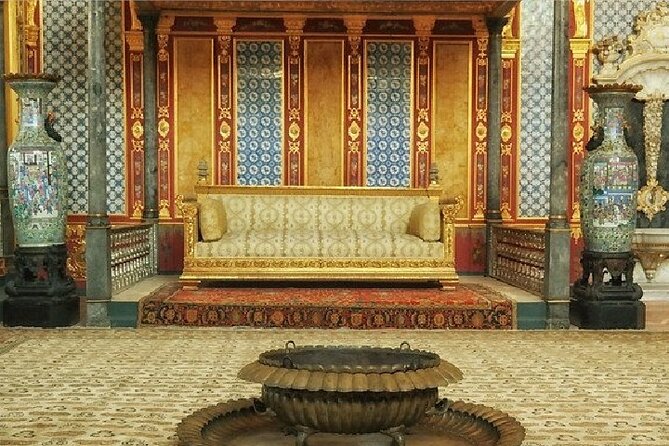
Topkapi Palace is where Ottoman power was organized at the highest level. You spend about two hours there, and admission is included, so you can concentrate on interpretation rather than logistics.
What makes this stop work for a Turkish cuisine and history focus is the context. Palaces were centers of administration and public meaning, and your guide ties that to the idea of daily culture, including the role food played in how people lived and gathered.
What to watch for: palace time can move fast, and you will be listening as much as looking. If you love slow museum pacing, give yourself permission to pause when a story clicks, then rejoin the group when you are ready.
If you like learning from a guide who keeps things clear and fun, you are in the right lane. Past guests have highlighted how guides in each location can be interesting, informative, and enjoyable, with real command of historic significance.
Great Palace Mosaics Museum: Byzantine art that explains everyday taste
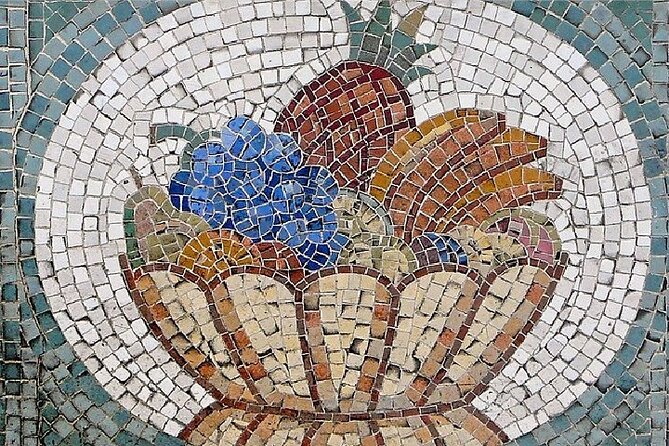
After Topkapi, you head to the Great Palace Mosaics Museum, with another two hours on the clock and admission included. The museum houses major Byzantine mosaics linked to the Great Palace of Constantinople, which is exactly the kind of setting that makes the “history through daily life” concept feel tangible.
The mosaics are visually striking, but this stop is not just about pretty pictures. Your guide connects what you see to how an empire expressed status and wealth, and then pulls that into the food-and-culture conversation of the era.
Why this matters for value: when you pair a food-history theme with a specific cultural artifact, the stories stick. You are not left trying to imagine the past from scratch, the museum gives you something concrete to hang the explanations on.
Possible drawback: mosaics museums can be detail-heavy. If you prefer hands-on or market-style food experiences, you might want to ask your guide to make the “food daily life” connections extra practical during this stop.
Tekfur Sarayi: seeing a late 13th century palace and its stories
Tekfur Sarayi is another two-hour stop, with admission included. This is a late 13th century palace built as part of Constantinople, and it sits in the kind of architectural setting where the past feels close, even if you are only there for a short time.
This stop helps bridge the “Byzantine world” to the broader Istanbul story you are building across the day. Your guide keeps the theme moving, using the palace setting to talk about the culture of cooking, daily routine, and what life looked like outside the most famous public spaces.
Tip for getting more out of it: while you are inside or around the palace areas, focus on your guide’s connections to daily life rather than memorizing every artifact. The goal is understanding food culture in context, and the guide will point out the threads that matter.
You can also treat this stop as a calm reset. Compared to some high-energy city sights, a palace and its setting can give you time to listen closely and absorb the “how people lived” angle.
Balat walking route: UNESCO coexistence and lived-in culture
In the afternoon, you walk through Balat for about two hours. This is the part that feels most like a real neighborhood day, with narrow streets and layers of community history.
Balat is described as a UNESCO cultural heritage area symbolizing coexistence of Muslim, Christian, and Jewish communities in Istanbul over time. Along the way, you can see key landmarks clustered close together, including a Greek Orthodox patriarchal church, the oldest synagogue in the city, and some old Ottoman mosques.
The food-history component can sound surprising here, but it actually makes sense. Neighborhoods are where daily life happens, and your guide uses Balat’s setting to help explain food habits as part of everyday culture, not just court life.
What to expect from the walk: you will be on your feet through narrow streets, so wear comfortable shoes. If you have mobility limits, this is the section I would think about first, because it is the most walking-focused segment.
Also, the best part of a walk is that you can stop when something catches your attention. If you like asking questions, Balat is a good place to request extra context about how different communities lived side by side in the city.
More Istanbul tours and experiences for the shortlist
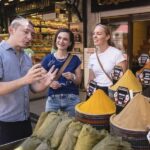




Lunch and the food-culture angle: beyond a cooking class
Lunch is included, which helps the day feel complete. It also supports the tour’s main promise: learning food culture through history rather than only reading placards.
One thing I appreciate about this format is that it is positioned as a different experience than typical cooking classes. Instead of shopping and chopping, you get storytelling connected to real sites, then you eat as part of the day.
Practical takeaway: if you are the type who learns best when you combine context with a meal, this structure fits. You see and hear about Istanbul’s culinary past, then you take a break and reset.
If you are hoping for a menu-by-menu culinary tour, you might find the emphasis leans more toward culture and history than detailed recipes. The good news is that the palace-to-mosaic-to-neighborhood flow keeps the “why” of food culture front and center.
Price and Logistics: what $205 covers, and what to double-check
The price is $205 per person for an approximately 8-hour day. For many visitors, the value comes from the combination of included items: lunch, a professional English-speaking guide, and admission tickets for the major stops.
It also helps that parking fees are included, which is one of those small details that makes the day run smoothly when you are on the move. And since this is a private tour, you are not splitting time across a large crowd, which often means less waiting and more interaction.
Here is the one logistics detail I would actively check before you go. The transfer information lists transfer from Hotel / To Hotel in Antalya City Center, even though the tour location is Istanbul. That might be a paperwork mix-up, or it could reflect a specific pickup zone for your booking. Either way, it is worth confirming where your driver meets you.
On the convenience side, you get a mobile ticket and pickup is offered. For a day with multiple stops, that kind of streamlined access can save time and keep you from juggling paper confirmations.
Also, there are group discounts mentioned. If you are traveling with friends or family, it can be worth asking how pricing works for a larger group under the private format.
How long is a day like this, and who it suits best
With about 8 hours total and four major stops, the schedule is focused. Each of the first three museum or palace stops is listed at about two hours, then Balat takes about two hours in the afternoon.
Best fit: this is ideal for people who enjoy both history and food culture, and who like learning through context. If you care about how communities lived, how cooking fits into daily routine, and how the city’s past shaped what people ate, you are going to get a lot out of it.
It is also a strong choice if you want a guided day but do not want the overhead of planning each entrance and meal separately. Lunch and key admissions are handled, and your guide does the connecting work between locations.
Less ideal for: anyone who wants a purely culinary experience with lots of sampling. This tour’s identity is cuisine, food, and history together, with visits to major sites first and cooking elements handled through storytelling rather than technique.
Should you book this Turkish cuisine, food, and history tour?
I would book it if you want Istanbul in a way that feels more meaningful than a standard highlights route. The combination of Topkapi Palace, Byzantine mosaics at the Great Palace Mosaics Museum, Tekfur Sarayi, and the UNESCO-linked neighborhood walk in Balat gives you both imperial context and everyday context, all under one food-and-history theme.
If you like good guidance, this is also promising. One of the standout praises from past experiences was the guide quality, with guides described as interesting, informative, and fun, and strongly qualified in historic significance. If you prefer a day that feels organized but still conversational, private format helps.
My advice: confirm the pickup location carefully given the Antalya transfer note. If that checks out, you are looking at a good value day where the story of Turkish cuisine is tied to the places where life actually unfolded.
FAQ
What time does the tour start?
The tour starts at 9:00 am.
How long is the tour?
It runs for approximately 8 hours.
Is pickup offered?
Yes, pickup is offered.
Are admissions included?
Yes. Admission tickets are included for Topkapi Palace, the Great Palace Mosaics Museum, and Tekfur Sarayi, and the Balat portion is also listed with admission included.
Is lunch included?
Yes, lunch is included.
What kind of guide will I have?
You will have a professional English-speaking guide.
Is this a private tour?
Yes. It is private, and only your group will participate.
What ticket format do I get?
You receive a mobile ticket.
What is the cancellation policy?
Free cancellation is available. You can cancel up to 24 hours in advance of the experience’s start time for a full refund.
More Food Experiences in Istanbul
More Food & Drink Experiences in Istanbul
More Tour Reviews in Istanbul



Not for you? Here's more nearby things to do in Istanbul we have reviewed





More Historical Tours to consider.
 ★ 5.0Istanbul Gedikpasa Historical Turkish Bath with Privacy OptionFrom $601,285 reviews
 ★ 4.6Acemoglu Historical Turkish Bath w/Private OptionsFrom $421,190 reviews
 ★ 4.8Gedikpasa Historical Hammam with Privacy Add-OnFrom $59918 reviews
 ★ 4.5Istanbul Historical Tour with Guide, Lunch and TransfersFrom $248561 reviews
All in One Day Istanbul – Historical Tour of Istanbul with Bosphorus CruiseFrom $164489 reviews
 ★ 4.5Istanbul Heritage Tour – Incl. LunchFrom $216416 reviews
 ★ 4.5Historical PeninsulaFrom $57362 reviews
 ★ 5.0Full-Day Private Guided Cultural Tour of IstanbulFrom $120279 reviews
Other ways to explore Istanbul