
The Bosphorus is way better from a yacht. This 2-hour guided cruise gives you big Istanbul views with an English-speaking licensed guide who connects what you see to how the strait shaped the city. I like that the boat time feels relaxed, not rushed, and the included bites make the whole thing easy to enjoy.
My only caution is simple: this is a boat cruise, so you’re mostly seeing landmarks from the water rather than doing deep museum time. If you get seasick easily, or you have vertigo, this is not a great fit.
Key Highlights You’ll Actually Feel on This Cruise
- Small group on a luxury yacht (max 30), so it stays comfortable and not chaotic
- English guide storytelling that ties bridges, palaces, and fortresses to the Bosphorus geography
- Included snacks and drinks like baklava, cookies, fruit plates, Turkish tea, lemonade, and water
- Prime Bosphorus photo moments from both sides of Istanbul, Asia and Europe
- A route that mixes palaces and engineering (Dolmabahçe, Çırağan, Ortaköy, major bridges, fortresses)
- Flexible on-the-day adjustments when museums are closed, with an alternative stop
Why This 2-Hour Bosphorus Cruise Works (Especially if You’re Short on Time)
Istanbul is famous for monuments, but the city can also feel nonstop. This cruise is a clean reset. You get a guided walk through a few kilometers of the Bosphorus without the typical hassle of ticket lines and backtracking.
The timing helps too. Starting at 1:00 pm means you can do a morning of your own choosing, then shift into “sit back and watch” mode. You’re out there for about 2 hours, so it fits well even on a packed itinerary. And at around $35.39 per person, the value comes from the mix: licensed guide plus refreshments plus a small-group experience, all while you see a huge chunk of the skyline in one go.
You can also read our reviews of more boat tours in Istanbul
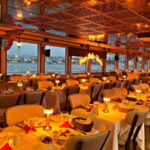
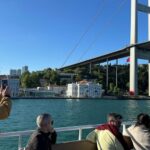
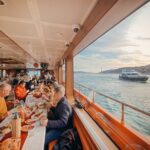
Getting On the Boat in Beyoğlu, Then Letting the Strait Do the Teaching
You meet at Türkiye Petrolleri Ömer Avni, Meclis-i Mebusan Cd. No:34 in Beyoğlu. Since it’s near public transportation, you’re not stuck planning a complicated taxi route just to start.
From there, the cruise focuses on the Bosphorus itself. The strait is the international waterway that separates Europe from Asia in Istanbul and connects the Sea of Marmara with the Black Sea. It’s only about 30 km long, but it’s deeply important, with strong currents: on the surface the flow trends from the Black Sea toward the Marmara, while underwater it goes the other way. That kind of detail matters, because it explains why the Bosphorus is not just scenic, it’s strategic.
On the boat, you’ll feel that context through the guide’s narration. And that’s one of the big reasons this experience works. You’re not just collecting photos, you’re understanding why these palaces, fortresses, and bridges had to be here.
Dolmabahçe Palace and Çırağan Palace Views: Ottoman Power, Seen Without the Crowd Hassle
Two of the most “wow” names on the route are Dolmabahçe Palace and Çırağan Palace. Even if you never step inside, the sightlines help you place Ottoman power directly on the shoreline.
Dolmabahçe Palace sits on a large area near Beşiktaş, along the Bosphorus. The setting is part of the appeal: it’s on the left bank as the Bosphorus meets the Sea of Marmara, opposite Üsküdar and Kuzguncuk. The guide’s commentary also sets it in the longer story of how this shoreline functioned, including that it was once a cove where ships anchored.
Then there’s Çırağan Palace. It was commissioned by Sultan Abdülaziz and designed by Sarkis Balyan. The palace is tied to a brutal chapter too: after Abdülaziz was deposed, he was imprisoned there for years with his family. Later, after Murat V was deposed, he faced long imprisonment there as well.
What I like about seeing these from the water is the quick emotional contrast. From the deck, you get the grandeur and the location, and the guide supplies the human scale of what went on behind those walls.
Ortaköy, the Bosphorus Bridge, and Fatih Sultan Mehmet Bridge: Istanbul’s Big Moves From One Perspective
Ortaköy is one of those places that instantly feels alive. This section of the cruise keeps it grounded in real city life, not just royal architecture. Ortaköy includes Ortaköy Bazaar with cafes, souvenir shops, and places to eat and drink. The vibe shifts throughout the day, and it’s the kind of area you can understand fast by looking at how it hugs the waterfront.
Next comes one of Istanbul’s engineering icons: the Bosphorus Bridge. It’s a suspension bridge and the first bridge built over the Bosphorus. Construction began in 1970 and it opened on October 29, 1973, marking the 50th anniversary of the Republic. Even if you’ve seen bridges in other cities, the Bosphorus version hits differently because it literally links the two continents in the same view.
The cruise also brings you near the Fatih Sultan Mehmet Bridge. This one opened July 3, 1988 and carries a large share of trans-Bosphorus traffic. It’s also a major part of Istanbul’s skyline, so this is an area where you’ll get strong photo angles without leaving your seat.
Practical tip: if you’re chasing photos, keep your expectations realistic. You’ll be on moving water, so aim for steady shots rather than waiting for perfect stillness. The tradeoff is that the views keep changing every few minutes, so you get more variety than you’d get standing in one spot.
Bebek to Rumeli Hisarı: Waterside Elegance Meets a Fortress at the Narrowest Point
Bebek is a historic neighborhood on the European shore of the Bosphorus. The name translates to baby, tied to its positioning and charm along the water. From the cruise you’ll get the “reason people live here” view, with waterside mansions and historic landmarks in the area.
Then the mood turns more defensive with Rumeli Hisarı (Rumeli Fortress). This fortress sits directly across the Bosphorus from Anadolu Hisarı. Construction started in 1453 on the order of Sultan Mehmet the Conqueror, and it’s known for how fast it was built, in about three months. Before the conquest of Istanbul, it helped protect against naval attacks. Afterward, it became an inspection point for maritime traffic.
The best part of this segment is the way the guide connects location to purpose. The Bosphorus is narrowest around this area, so the architecture makes sense immediately. Later on, the fortress area became a concert venue in summer and functions as an open-air theater and museum. You may not be touring inside during the cruise, but the stories give you a sense of how the same walls shifted from defense to culture.
You can also read our reviews of more guided tours in Istanbul

Anadolu Hisarı and the Asia-Side Contrast
On the other side of the strait is Anadolu Hisarı (Anatolian Fortress) in Beykoz. It was built in 1395 by Beyazıt I and includes a citadel and exterior castle walls. After the conquest, it lost strategic importance and was converted into a military hospital.
Today it’s described as an open-air museum, but access is limited mostly to outer walls, with the road passing through the area. That detail matters because it explains why so many people experience these fortifications from outside, including from the water.
I like that the cruise doesn’t keep you stuck on the European side. The Bosphorus naturally forces the comparison. Once you’ve seen Rumeli Hisarı and then the Anadolu Hisarı side, the meaning of Asia versus Europe becomes practical, not abstract.
Küçüksu Pavilion and Beylerbeyi Palace: Summer-Lodge Calm on a Moving Day
The cruise also highlights Küçüksu Pavilion. Ottoman emperors used it as a summer palace and hunting lodge. This stop gives your eyes a break from fortifications and bridges. It’s a gentler mood, and it helps balance the heavier political stories connected to the big palaces.
Then comes Beylerbeyi Palace, built on the shores of the Bosphorus in the 1860s. It’s designed by Sarkis Balyan and blends Renaissance, Baroque, and other styles from East and West. The building itself is a two-store structure with a high basement, plus multiple rooms, halls, and even a hamam.
If you’re visual, pay attention to the setting: the palace grounds include a lily pond and a large garden. Even from the water, that matters because it explains how these palaces were not only about power. They were about seasons, leisure, and comfort.
Galata Tower and Galata Bridge: The Golden Horn Adds a Different Texture
A cruise through Istanbul also benefits from seeing what lies beyond the Bosphorus shoreline. This route includes sights associated with the Galata Tower and the Galata Bridge.
The Galata Tower is the nine-story tower built by the Genoese in 1348. It rises to about 66.90 meters, and historically it was the tallest building in the city. It served multiple roles in the Ottoman era, including fire observation and jail. One famous moment connected to the tower is Hezârfen Ahmet Çelebi gliding across the Bosphorus to Üsküdar in 1632 using wings he built himself.
Then there’s the Galata Bridge story. The bridge spans the Golden Horn and has been rebuilt over time, including after a fire in 1992. Today it’s famous for the layers of everyday life under and around it, with restaurants and cafes along the lower level and heavy pedestrian movement on top.
This segment is where Istanbul starts to feel like a living city rather than a museum collection. You’ll see the kind of bustle that makes you understand why people write songs and books about these waters.
Maiden’s Tower Legend: A Story You Can Picture, Even on a Short Cruise
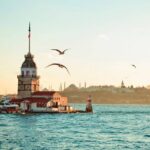
The route ends with Maiden’s Tower (Kız Kulesi), a distinctive landmark on a tiny island about 200 meters from the shore of Üsküdar. It’s tied to legends, and the most popular one involves a sultan, his daughter, and an oracle’s prophecy that the princess would die from a snake bite on her 18th birthday.
The story goes that the tower was built in the middle of the Bosphorus to keep her safe in secrecy. On her birthday, a basket of fruits is brought to her. Hidden inside is the snake, and the prophecy plays out in the final tragic moment.
Even if you don’t care about myths, this is a good mental anchor. It turns the physical view into meaning. And because the cruise is guided, the story lands right when the tower is in front of you.
Food, Drinks, and the On-Board Comfort That Makes It Feel Worth It
This cruise keeps things simple and tasty. You get snacks and drinks including Turkish tea, lemonade, water, cookies, baklava, and fruit plates. Alcohol is not included, and the minimum drinking age is 18 and above.
I like that the included menu fits the setting. Tea and lemonade are easy to sip while you watch the shoreline slide by. Baklava and cookies take the edge off any hunger without turning the cruise into a meal marathon.
On the comfort side, the small group size helps. With a maximum of 30 travelers, the vibe stays friendly, and you can actually hear the guide at normal speaking volume.
One more practical note from experience with the guide style: the host and team are set up to keep the day moving. If museums are closed, an alternative stop may be provided. That kind of flexibility matters in Istanbul, where schedules can shift.
Who This Cruise Fits Best, and Who Should Rethink It
This is a strong choice if you want:
- A short, high-impact Bosphorus experience
- Guided storytelling in English
- A comfortable, low-effort way to see many landmarks from one route
- Included snacks that keep you satisfied
This might not be ideal if:
- You have vertigo
- You get seasick easily
- You’re hoping for lots of inside-the-building time, since it’s primarily an on-water viewing experience
If you’re traveling solo, this also works well because you’re not dealing with the “where do I meet this group” stress for hours. You board, listen, snack, and watch.
Should You Book This Bosphorus Guided Afternoon Cruise on a Luxury Yacht?
If you want an efficient, good-value Istanbul experience with real guidance and included refreshments, I’d book it. It’s especially worth it when you only have a half day and still want iconic Bosphorus landmarks like Dolmabahçe, Çırağan, Ortaköy, the bridges, the fortresses, Beylerbeyi Palace, Galata Tower, and Maiden’s Tower in one go.
Just be honest about two things: your comfort with boats and your expectations about how much you’ll go inside. If you’re good with sitting on deck, listening, and taking photos, this cruise is a smart way to understand Istanbul’s geography and stories without burning your whole day.
FAQ
How long is the Bosphorus guided afternoon cruise?
The cruise lasts about 2 hours.
What time does the tour start?
The start time is 1:00 pm.
Where is the meeting point in Istanbul?
The meeting point is Türkiye Petrolleri Ömer Avni, Meclis-i Mebusan Cd. No:34, 34427 Beyoğlu, Istanbul, Turkey.
Is the tour offered in English?
Yes, the tour is offered in English.
What snacks and drinks are included?
Snacks include cookies, baklava, Turkish tea, lemonade, fruit plates, and water.
Is alcohol included?
No, alcoholic beverages are not included. The minimum drinking age is 18 years old and above.
How large is the group?
The cruise has a maximum of 30 travelers.
Is this tour recommended if I have vertigo or get seasick?
No. It is not recommended for people with vertigo, and it is also not recommended for people who are prone to seasickness.
What if the weather is poor or the minimum number of travelers is not met?
The experience requires good weather. If it’s canceled due to poor weather, you’ll be offered a different date or a full refund. If the minimum number of travelers isn’t met, you’ll also be offered a different date or a full refund.
More Guided Tours in Istanbul


More Boat Tours & Cruises in Istanbul

More Tour Reviews in Istanbul
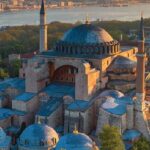
Not for you? Here's more nearby things to do in Istanbul we have reviewed
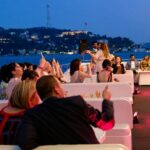
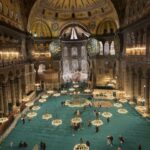
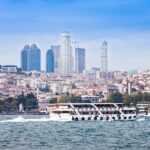

More Istanbul Bosphorus Cruises to consider.
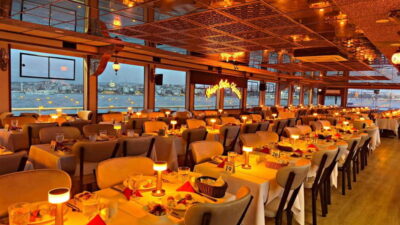 ★ 4.8Bosphorus Dinner Cruise & Show with Private TableFrom $3444,561 reviews
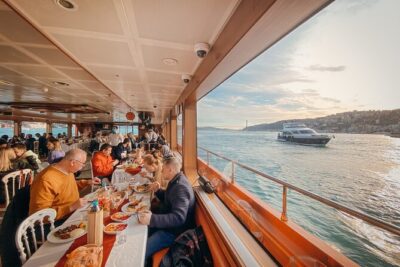 ★ 4.8Bosphorus Dinner Cruise with Turkish Night ShowFrom $3410,127 reviews
 ★ 5.0Perfume Making Workshop with Bosphorus ViewFrom $282,985 reviews
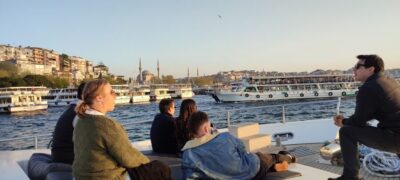 ★ 4.9Bosphorus Sunset Cruise on Yacht with Live GuideFrom $192,845 reviews
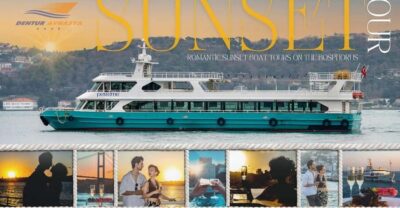 ★ 4.8Bosphorus Sunset Cruise with Drinks & SnackFrom $82,716 reviews
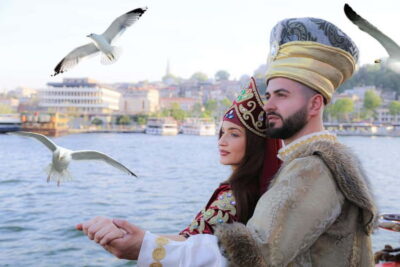 ★ 4.6Bosphorus Sightseeing Cruise Tour with Audio GuideFrom $82,694 reviews
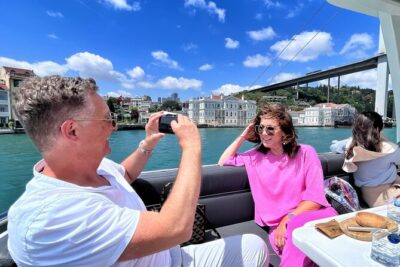 ★ 5.0Bosphorus Yacht Cruise Experience: Visit the Asian SideFrom $602,251 reviews
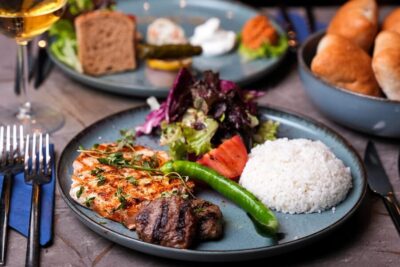 ★ 4.4Bosphorus Cruise with Dinner ShowFrom $412,181 reviews
Other ways to explore Istanbul