
Review · COOKING CLASSES
Istanbul Vegan/Vegeterian Cooking Class with Locals at Home
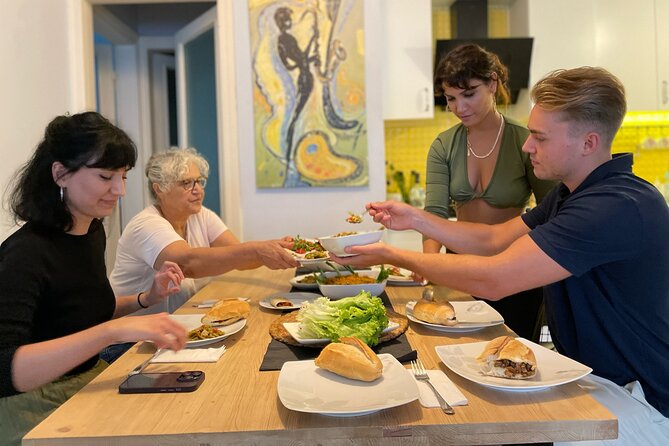
Dumplings for dinner, vegan style, in a local home. In Istanbul, this small-group vegan cooking class at a cozy Beyoğlu house gives you hands-on help while you turn classic Turkish flavors into plant-based versions, then sit down to eat together over tea. If you prefer watching from the sidelines and doing zero prep, this won’t feel like your kind of activity.
I like that it’s timed like a real dinner plan, not a tourist block. The session runs about 3 hours, starting at 5:30 pm, and it’s taught in English. At $93 per person, it’s not the cheapest meal you’ll have, but you’re paying for a guided kitchen evening plus the dishes you help make and eat, which is a very different value than a standard restaurant stop.
Key things to know before you cook
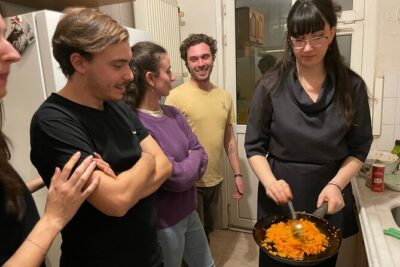
- Small-group size (max 8 travelers) means you get real attention while you chop, mix, and shape
- Vegan twist on Turkish classics includes dishes like vegan Dürüm, vegan Kokoreç, Kısır, and vegan Mantı
- Tea shows up as part of the flow, with conversation when you arrive and again after the meal
- Hands-on for beginners and practiced cooks, with enough variation in dishes to keep different skill levels interested
- You leave with more than recipes, with the warm, friend-like vibe that comes from eating together in someone’s home
A Beyoğlu home kitchen, starting at 5:30 pm
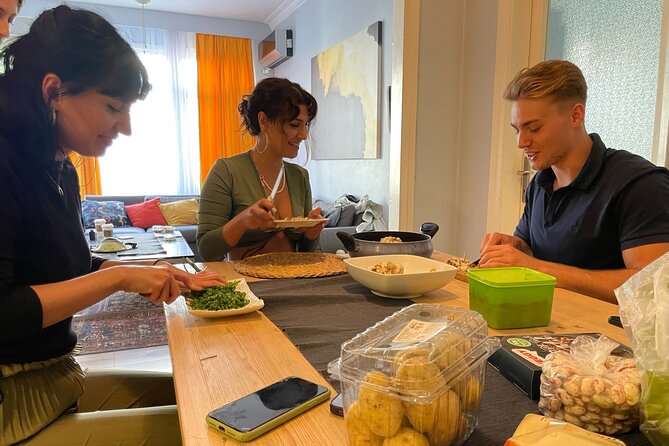
This is a “come into our living space” kind of class, not a big studio and not a quick demo. You meet at Ufak Sokak Gümüşsuyu, Ufak Sk., 34437 Beyoğlu, Istanbul, and the experience ends back at the same meeting point. That matters because it keeps the night simple. No confusing transfers, no hunting for a building at the end.
The start time is 5:30 pm, which is perfect if you’re doing other Beyoğlu neighborhoods in the late afternoon. You’ll already be in the part of town where walking, shopping, and quick transport links make sense. And since it runs about 3 hours, it feels like an actual evening plan, not a half-afternoon detour.
One practical note: because you’re cooking in a home, the pace is cozy and the setup is compact. You should go in expecting to participate. You’re not there to be a passive observer.
More Istanbul tours and experiences for the shortlist
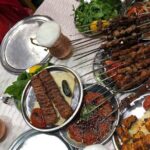
Tea and introductions that make the class feel human
The best cooking classes don’t just teach techniques, they teach context. Here, you begin with chatting and getting to know your host and the group. It’s set up so you can talk like people who share a table, not like strangers filling out forms.
Tea is part of the rhythm. You sip and connect first, then you cook, then you sit down for a family-style meal, and later there’s more tea and time to relax together. That whole arc is why this works so well: you learn while you’re relaxed, then you enjoy the result while you’re still in that conversation mode.
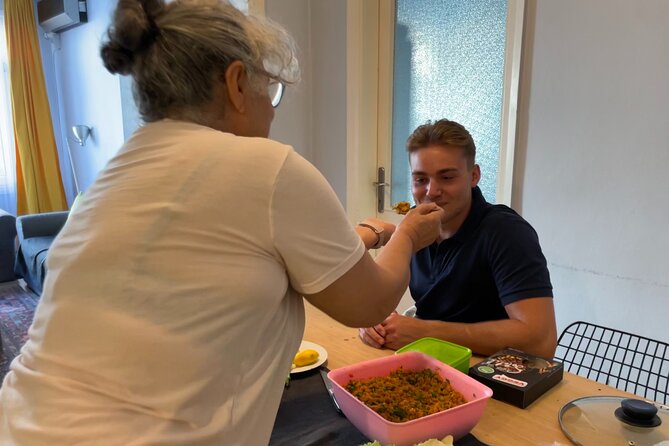
From the way the class is described, the host treats this like a welcome into their home. The goal is to make you feel at home quickly, then slowly turn a kitchen lesson into a cultural evening. That friendly tone shows up strongly in the past experiences, especially the praise for hosts like Rojda, and the way people felt comfortable cooking and talking.
Turning Turkish flavors vegan, ingredient by ingredient
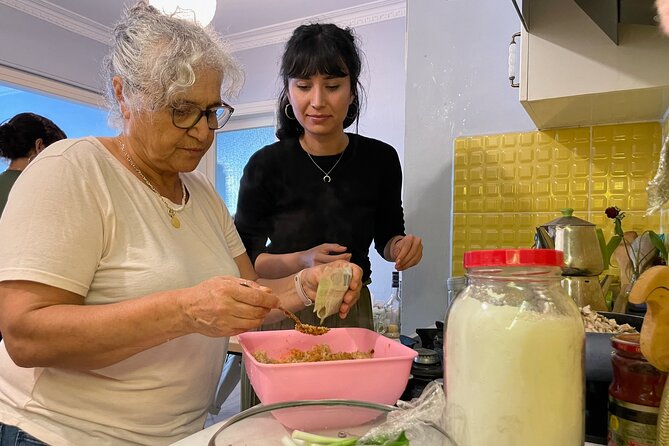
Turkey has plenty of vegetables, legumes, and grains, but vegan and vegetarian options outside can still be limited. The class leans into that reality, using a practical approach: converting Turkish recipes so they stay true to flavor, even when the ingredients change.
What you’ll likely appreciate is the “spice and ingredient logic.” The host explains which ingredients matter in Turkish cooking, and why. Instead of just handing you a recipe, the class encourages you to understand what makes the food taste like Turkey, then how to build that taste with plant-based swaps.
That’s a big deal for value. A lot of cooking classes teach “a dish.” This one is trying to teach you how to think about Turkish cooking so you can recreate it at home. You come away with a set of dishes, yes, but also with a better sense of how to use Turkish staples like herbs, spices, and grains.
Vegan Dürüm and the joy of wrapped, handheld food
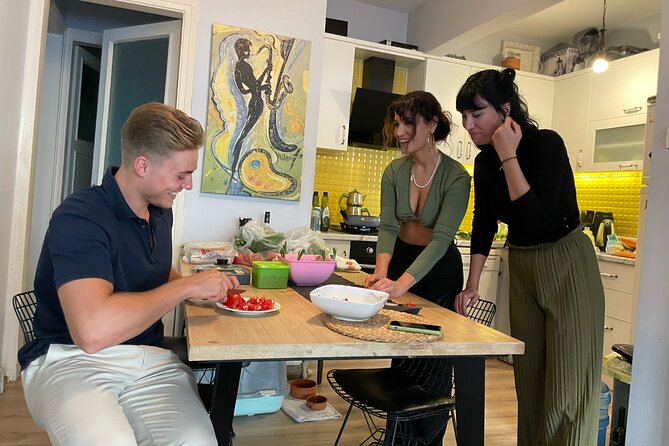
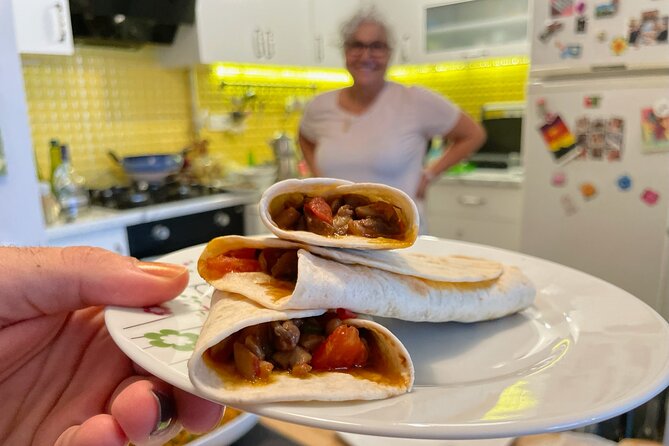
The sample menu often begins with Vegan Dürüm, Turkish wrapped meals built around veggies. This is a smart starter because it’s hands-on without being too technical. You can expect to mix, prep, and assemble components that come together into something you can eat immediately.
Dürüm is also a “real Istanbul food” style. It’s the kind of thing you see in street-food form, so even though this is vegan, the structure is familiar. You learn how wraps get built and seasoned, which is useful beyond this specific class. If you cook at home, wrapped meals let you use up leftover vegetables, sauces, and grains without wasting anything.
One small consideration: because it’s a cooking class, you’ll be working while others are working too. If you’re the type who wants everything explained perfectly step-by-step, tell your host early. The class is small, so personalized help is part of the point.
Vegan Kokoreç, a street-food style challenge
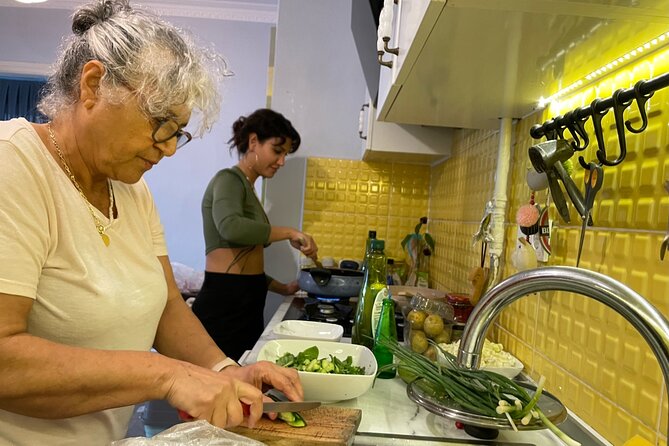
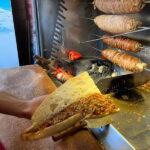
Next up: Vegan Kokoreç, described as a vegan version of a famous street-food dish. Kokoreç has a reputation for being bold and a little intense in flavor, so the vegan adaptation is where you can learn the most about how Turkish street flavors are constructed.
Even if you haven’t had Kokoreç before, you’ll understand why it’s a highlight. It’s not a plain vegetable dish. It’s about seasoning, texture, and the way flavors layer. The class format makes this easier than trying to invent it yourself from scratch later.
Also, this kind of dish is great for building confidence. Once you see how the vegan version comes together, it’s easier to trust your own substitutions later. You start cooking with the mindset that Turkish flavor is not locked to one ingredient type.
You can also read our reviews of more cooking classes in Istanbul

Kısır is the bulgur lesson you’ll actually remember
Kısır is the dish many people talk about because it feels both everyday and special. It’s described here as one of the most tasty things you can cook with bulgur, and that’s exactly the point. Bulgur is a Turkish staple, and Kısır turns it into something lively and satisfying.
In a class like this, Kısır becomes more than a recipe. You learn how to handle bulgur, how it changes when you mix and season it, and how Turkish-style salads rely on the right balance of herbs, spices, and acidity. Even if you already like salads, Turkish versions tend to hit differently.
This is also where you can expect the class to feel rewarding fast. Bulgur salad is forgiving. If you’re a beginner, you’re not relying on delicate dough. If you’re more advanced, you can focus on getting the seasoning balance exactly how you like it.
Vegan Mantı: dumplings with technique, not fear
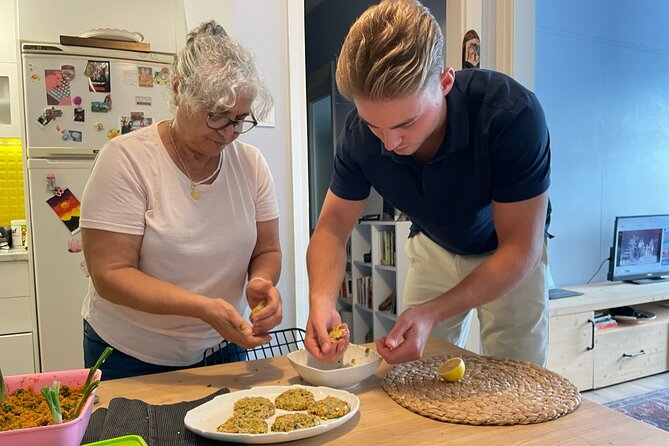
One of the most satisfying parts of Turkish cooking is dumplings, and the class includes Vegan Mantı (vegan Turkish dumplings) as a main. Mantı takes technique: shaping, portioning, and building a meal around bite-sized pieces.
The benefit of doing Mantı in a small home class is that someone can correct your hands-on mistakes quickly. In the past, people praised that the class works for both beginners and advanced cooks, which usually means the host adjusts guidance based on how you’re doing.
If you’re worried about cooking dumplings, this is the kind of dish where you learn by doing. You’ll see how to portion and shape, then watch how the finished dumplings come together as a complete meal. The payoff is huge because dumplings are the kind of food you can brag about later, and they reheat well if you end up with leftovers.
After you cook, you eat family-style and slow down
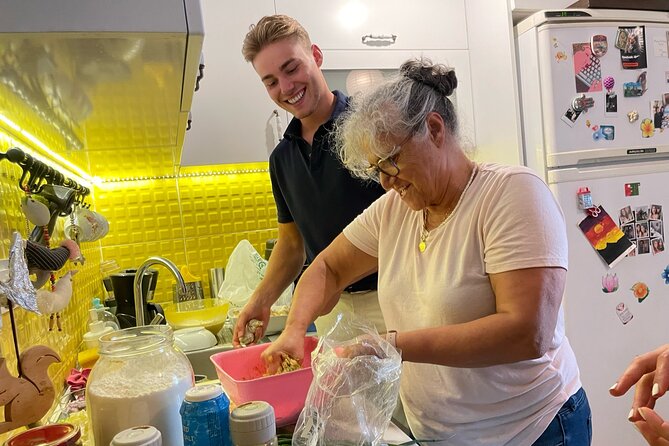
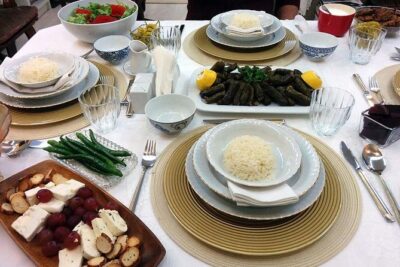
Here’s where the experience turns from activity to memory. Once cooking is underway, you eventually hit the best part: a family meal session where you savor what you prepared with the host. That shared meal is the real reason to book a home cooking class in the first place.
This is the moment you understand what your choices tasted like. The spices you questioned make sense after one bite. The textures you worked on become clear in the eating. And the conversation feels easier, because you’re sharing the same plate.
Tea comes again afterward, and the class includes a “chill together” time. That’s a big difference from rushed cooking demos. You get to be part of the evening, not just the labor.
One helpful detail: at least in one past experience, the host provided leftovers so people did not have to buy food for the next day. Don’t count on it every time, but it’s worth being prepared in case you’re sent home with extra food.
What you’ll take home, recipes and real kitchen habits
Cooking at a local home works because you learn habits you can use immediately. Based on how this class is described, you’re not just collecting a printed list of dishes. You’re learning how to work with Turkish ingredients and spices, and how to adapt meat-based recipes into vegan versions without turning the dish into something generic.
You can expect the class to focus on a set of familiar-but-adapted dishes. The sample menu includes:
- Vegan Dürüm as a starter
- Vegan Kokoreç as a main
- Kısır as a bulgur-centered main
- Vegan Mantı as dumplings
The host also mentions favorites like Vegan Dolma and Mücver, plus the idea of converting other Turkish dishes when possible. So even if your class doesn’t match every dish perfectly, the “toolkit” should feel consistent: Turkish flavor, plant-based substitutions, and a hands-on workflow.
If you cook at home, that toolkit is what makes the class worth it. You’ll be able to recreate the vibe, not just the exact dinner.
Small-group dynamics: why max 8 matters
The group size is capped at 8 travelers, and that shows in how the evening is likely to feel. In a small class, you can ask questions in the moment. You can get help when your mix feels off. You can taste and adjust without waiting for a large group queue.
This is also why the class has such strong praise for feeling personal. People highlighted that hosts like Rojda were attentive and kind, and that they cooked multiple dishes together. A small group makes it easier for the host to notice when you’re struggling, and for you to feel like you’re part of the kitchen conversation.
Also, a small group is ideal for language and comfort. The class is offered in English, so you won’t be thrown into an all-local discussion. You can still chat naturally, ask for clarifications, and follow along without feeling lost.
Price and value: $93 for a whole dinner lesson
Let’s talk about money without sugarcoating. At $93 per person for about 3 hours, this is a dinner experience with ingredients and instruction rolled together. It’s not cheap compared to buying a casual meal in Istanbul.
But the value comes from three places:
- You’ll cook multiple dishes, not just one quick item
- You’ll eat what you make as a family-style meal
- You get personal help in a small-group setting inside a local home
If you’ve ever paid for a tour where you spend half your time traveling and photos are the main event, this feels more like paying for time and food. You’re buying an evening with a host who teaches, chats, and then shares the table with you.
Also, the experience is commonly booked about 26 days in advance on average. That’s a sign this isn’t a last-minute gamble if you want a specific evening.
Who should book this vegan cooking class
This class fits best if you:
- Want vegan or vegetarian Turkish food made in a practical, teachable way
- Prefer small-group learning over big, impersonal group tours
- Like spending evenings with people, not just ticking off a restaurant
- Are comfortable doing hands-on work for at least part of the night
It may be less ideal if you want a hands-off cultural show, or if you’re short on time and need something you can finish in under an hour. This is also not a “drop by whenever” situation. It’s a scheduled dinner lesson.
Language comfort is covered since it’s offered in English. If you rely on public transportation, the meeting point is described as being near public transit, so you should be able to plan your route without needing a car.
Should you book this vegan class in Istanbul?
If you’re craving Turkish food but want it vegan, this is a smart booking. The format solves a real problem, you learn how Turkish recipes can work without animal products, and you do it in a way that feels warm, not instructional and cold.
I’d book it if you want an evening that feels like a local home dinner, with tea, conversation, and hands-on cooking. You’re also very likely to leave with a practical set of recipes like Kısır and Vegan Mantı you can repeat.
But if your main goal is scenery, museum-style sightseeing, or a totally passive experience, you might feel impatient during the cooking portion. This class is for people who want to roll up their sleeves a bit and enjoy the results together.
FAQ
How long is the Istanbul Vegan/Vegetarian Cooking Class?
It lasts about 3 hours.
What time does the class start?
The start time is 5:30 pm.
Where do I meet for the experience?
The meeting point is Ufak Sokak Gümüşsuyu, Ufak Sk., 34437 Beyoğlu, Istanbul, Türkiye.
How many people are in the group?
The activity has a maximum of 8 travelers.
Is the class taught in English?
Yes, it is offered in English.
What dishes are included in the class?
A sample menu includes Vegan Dürüm, Vegan Kokoreç, Kısır, and Vegan Mantı. Other Turkish dishes with a vegan twist may also be recreated.
Does the experience include tea and eating together?
Yes. You sip tea during the chats and you also have a family meal session with the vegan dishes you prepare, followed by more teas.
Is this a vegan and vegetarian class?
Yes. It’s described as a vegan/vegetarian cooking class with a vegan twist.
How do tickets and confirmation work?
You get a mobile ticket, and you receive confirmation at the time of booking.
What is the cancellation policy?
You can cancel for a full refund up to 24 hours in advance of the experience’s start time, with free cancellation available under that window.
More Cooking Classes in Istanbul
More Food Experiences in Istanbul


More Tour Reviews in Istanbul






Not for you? Here's more nearby things to do in Istanbul we have reviewed












More Cooking Classes to consider.
 ★ 5.0Private Turkish Cuisine Cooking Class with Local MomsFrom $90114 reviews
 ★ 5.0Traditional Home Cooking with a Local in İstanbul City CenterFrom $8082 reviews
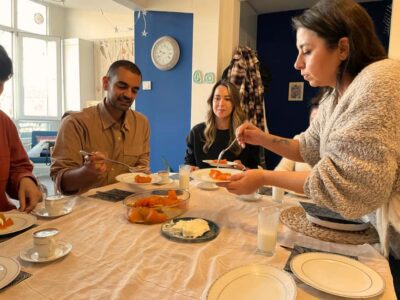 ★ 4.9Istanbul Home Cooking Course – Cook and EatFrom $10252 reviews
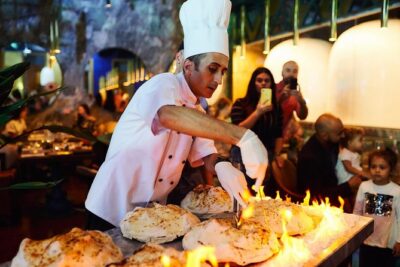 ★ 4.5Cooking Class in Turkey From IstanbulFrom $30023 reviews
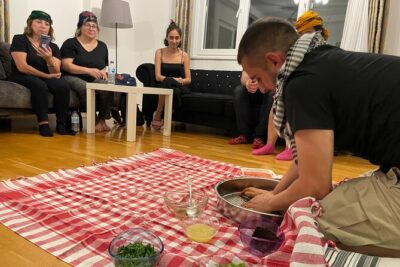 ★ 5.0Çiğ Köfte Cooking Class/Night with Traditional Music At HomeFrom $6020 reviews
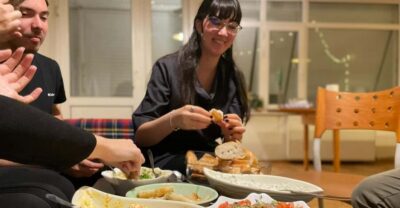 ★ 4.5Turkish Tapas – Meze Cooking for Beginners in IstanbulFrom $6516 reviews
 ★ 5.0Cook with a Local: Private Home Cooking Class In IstanbulFrom $17915 reviews
 ★ 4.5Turkish Meze Cooking for Beginners in IstanbulFrom $5515 reviews
Other ways to explore Istanbul