
Review · ISTANBUL WALKING TOURS
Istanbul: Colorful Fener & Balat Walking Tour w/Expert Guide
Colorful streets hide serious stories. This 2-hour walk through Fener and Balat traces Greek, Bulgarian, and Jewish landmarks, from the Church of Saint Mary of the Mongols to the Ahrida Synagogue, ending with Turkish coffee.
I love how the tour mixes real street life with major sights, especially the chance to step into churches and other heritage spaces instead of only peeking from outside. I also love the visual contrast, from Balat’s colorful stairways to well-kept Ottoman-era wooden houses.
The only big consideration is the walking, because the area is hilly with steep cobblestone streets, so plan for your feet.
Key moments that make this tour worth it
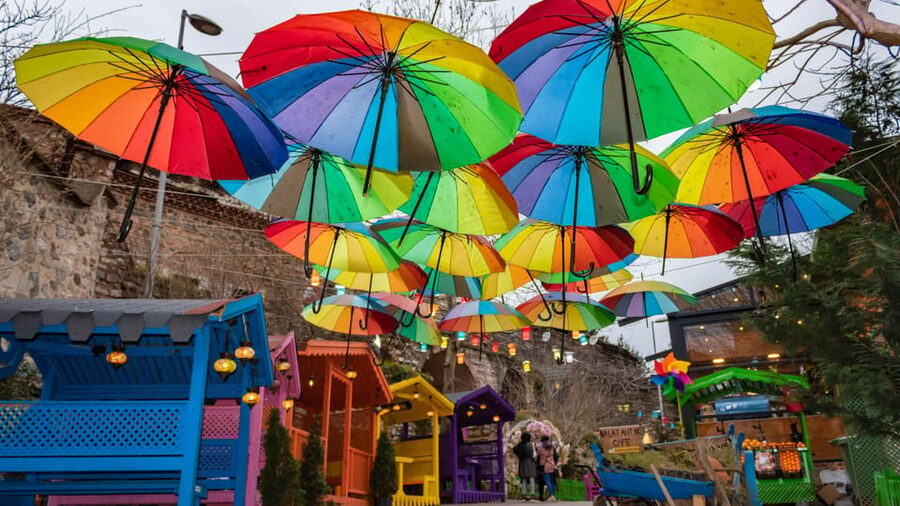
- Balat’s colorful streets and stairways, where photo stops actually make sense, not just for show
- The Iron Church in Balat (Bulgarian Church), known for its cast-iron structure
- Church of Saint Mary of the Mongols (1266) and other Fener religious stops that explain the neighborhood’s layers
- Ahrida Synagogue, described as one of Istanbul’s oldest, dating to the 15th century
- A finishing cup of Turkish coffee, a calm reset after the stone-and-stair grind
- English-speaking guides from TOURMANIA, with many guides highlighted by name for clear answering and good pacing
Why Fener and Balat feels like Istanbul’s side street stories
If your Istanbul plan is all grand monuments, this tour gives you the quieter, older version of the city. Fener and Balat sit in the Marmara Region, and the neighborhoods tell their story through places of worship, schools, and small streets that still feel lived-in. You walk past the physical evidence of how communities overlapped here over centuries.
What I like most is that the tour treats the neighborhoods as a whole, not a list. You’ll see churches, synagogues, and the kind of historic buildings that help you understand why people stayed, moved, traded, and built. And you do it in only 2 hours, so it works even if you want a lighter day.
You can also read our reviews of more walking tours in Istanbul

Meeting at Balat Merkez Şekercisi, and how to not miss the group
You meet in front of Balat Merkez Şekercisi. The guide holds a flag with the TOURMANIA logo, so it’s pretty hard to lose the start point if you look up and check.
Arrive on time. The tour notes that if you’re more than 5 minutes late, the guide won’t be able to wait. That matters here because the route includes stop-and-go photo moments, and the group pacing depends on everyone starting together.
Also, this is a walking tour with no transfers included. So once you’re at the meeting point, you’re basically committing to your own feet for the full experience.
Balat’s colored lanes: where the best photos come with context
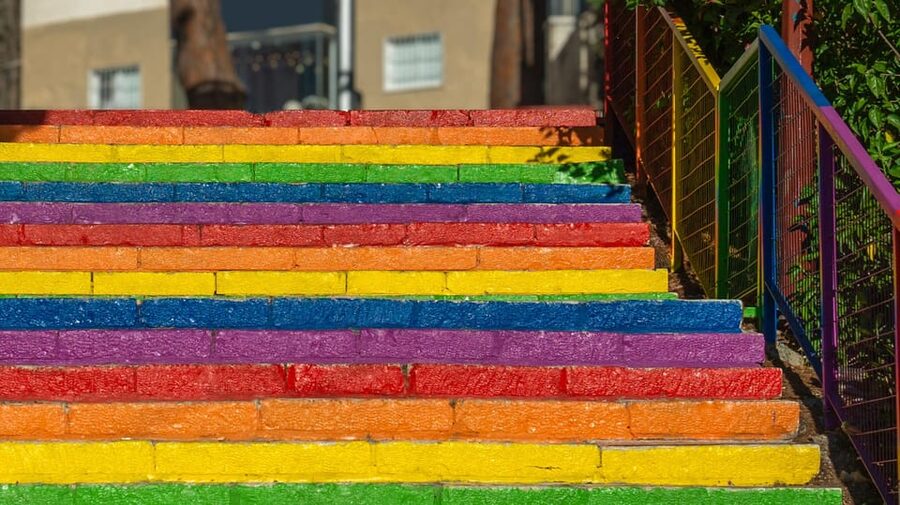
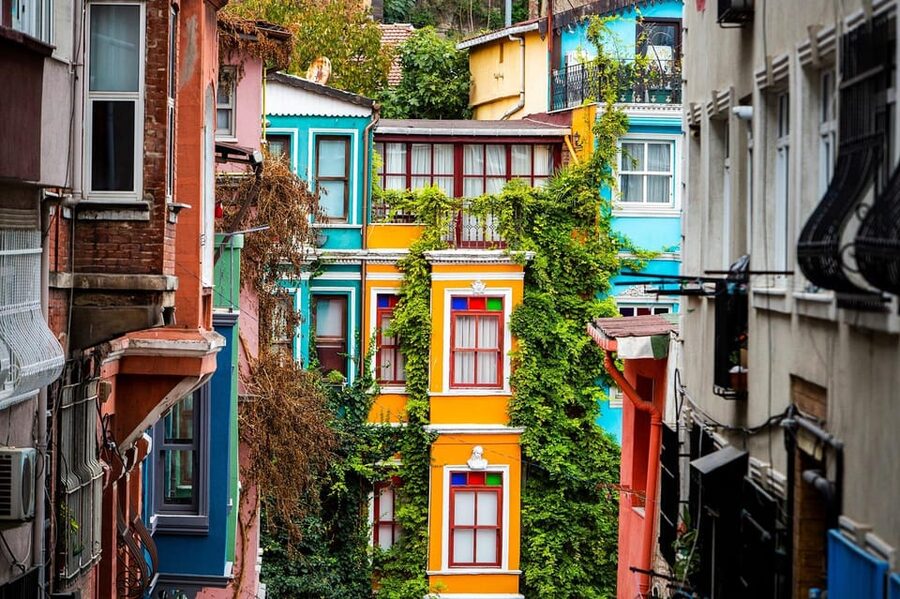
Balat is where the tour gets fun fast. You start with a neighborhood stop near Balat Muhtarligi, then you head into areas tied to Balat’s famous look: preserved Ottoman-era wooden houses and the colorful visual character people come for.
You’ll also build in photo stops at the Coloured Houses of Balat and along Renkli Merdivenler, the colorful stairways. Here’s the trick, though. The guide isn’t just letting you take pictures. They point out what you’re looking at, and why these streets and structures matter to the community story.
A practical note: these streets can be steep and uneven. If you tend to hate stairs, you’ll still enjoy it, but go slow, use railings when available, and keep your camera strap short so you don’t snag it on cobbles.
The Bulgarian Church, also called the Iron Church
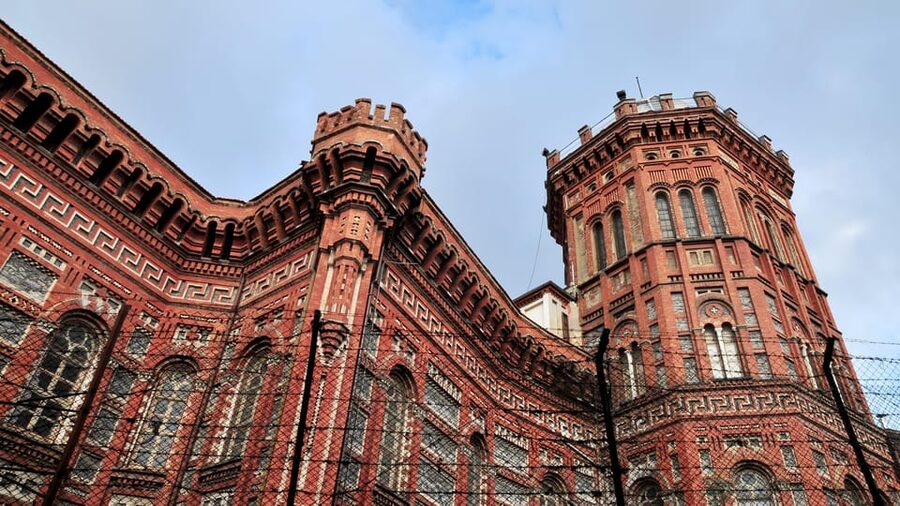
One of the main reasons to do this tour is the Bulgarian Church in Balat, nicknamed the Iron Church. The nickname comes from its cast-iron structure, and it’s the kind of detail that makes the building feel specific and different, even if you’ve seen other historic churches in Istanbul.
This stop is more than a photo moment. The value is in the explanation of why this style of construction and community space ended up here. You come away with the sense that Istanbul’s neighborhoods were shaped not just by grand rulers, but by local needs, faith, and resources.
Dress matters around religious sites. The tour asks you to be respectful, and it also flags headscarf rules for women. I’d also plan for possible limits on uncovered shoulders or knees, since some churches can restrict entry if your outfit doesn’t meet their requirements.
Moving into Fener: schools, churches, and a Romanian prince’s footprint
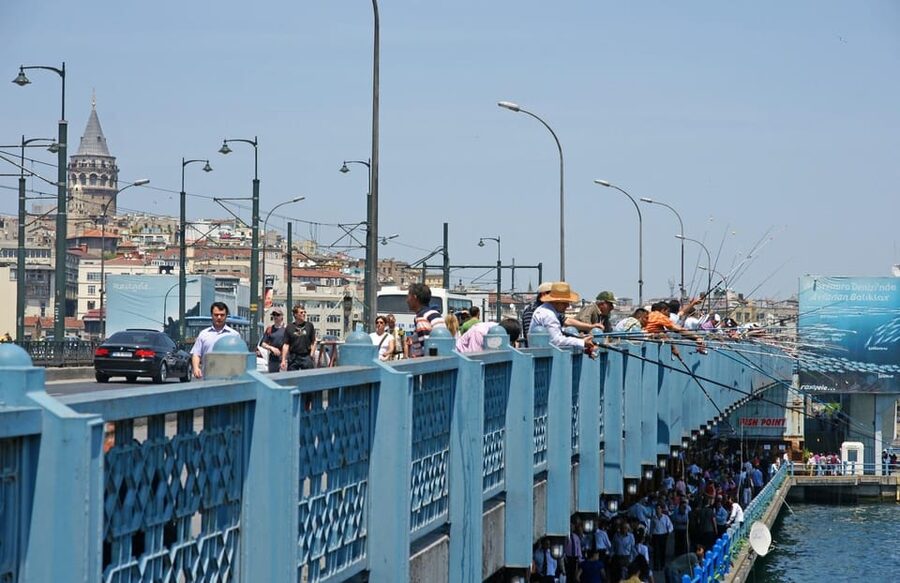
After Balat, the tour shifts into Fener, where you start seeing more Greek Orthodox landmarks and institutions. The route includes passes and stops tied to education and community buildings, which is often what makes Fener feel different from the more famous tourist corridors.
One standout stop is the area connected to Dimitrie Cantemir, including the Dimitrie Cantemir Museum Cafe. If you like history that sits inside everyday settings, this is a good match. It’s not only about the building, it’s about the surrounding neighborhood vibe that makes the story feel grounded.
You’ll also encounter the Phanar Greek Orthodox College and a Greek primary school stop. These aren’t random detours. Schools show you how communities preserved identity and taught the next generation, even as borders and power shifted.
You can also read our reviews of more guided tours in Istanbul

Church of Saint Mary of the Mongols, built 1266
The Church of Saint Mary of the Mongols is one of the most concrete “how old is this city” moments on the walk, because it dates back to 1266. The tour includes it as a key stop in Fener, and it’s one of those sites where the guide’s narrative helps you read the building like a clue.
In practical terms, think of this church stop as your checkpoint for the whole theme of the tour: multiple cultures sharing space over time. You’re not just seeing a church. You’re seeing how one community anchored itself in this part of Istanbul long ago.
And yes, you’ll be walking. So treat this stop as a chance to slow down, step inside where allowed, and reset your eyes before the next stretch.
Panagia Paramythia and the stops that connect the dots
Between the major landmarks, you’ll pass or stop by other churches that help stitch the story together, including Panagia Paramythia Church. The value here is pacing. Instead of getting hit with one huge landmark after another, the tour builds a chain of places you can compare.
When you know what to notice, small details start to matter. For example, the way a neighborhood organizes its religious life often lines up with its streets and institutions. The guide’s job is to point these patterns out so you leave with more than just a set of names.
If you’re the kind of person who likes asking questions, this is where you’ll feel your guide is worth it. Many guides for this route are praised for answering questions clearly and staying engaged without rushing the group.
The Ottoman wooden houses moment, and why it matters
A lot of people come to Balat for color. I get it. But the tour also emphasizes the preserved Ottoman-era wooden houses, which is where the experience turns from pretty to meaningful.
These buildings show how everyday life and architecture intertwined. They also make the religious sites feel less like isolated monuments. You start to see the bigger picture: the area wasn’t just about worship spaces. It was also about homes, schools, and daily routines around those places.
If you plan to do more Istanbul neighborhoods later, you’ll probably notice a theme: the city’s identity isn’t one single layer. It’s layers. Fener and Balat make that idea physical.
Ahrida Synagogue: one of Istanbul’s oldest stops
You finish the tour around the Ahrida Synagogue, described as one of the oldest synagogues in Istanbul and dating back to the 15th century. This is an important moment because it shifts the story from one community’s landmarks to another, showing how long Jewish life has been part of the neighborhood map.
The tour description also frames it as a finale that ties back to the theme of overlap and continuity. Even if you’re not deeply religious, it’s still a powerful stop. Old places like this give you a sense of time depth that you can’t get from modern streets alone.
Remember the photo rule: flash photography is not allowed. So plan on natural light, use your phone or camera without flash, and focus on composition.
St. George’s Cathedral and the “big stop” photo break
On the route, you’ll also have a photo stop at St. George’s Cathedral, Istanbul. Even if you don’t go inside at this moment, it’s useful as a visual anchor. It helps you connect what you saw earlier in smaller neighborhood streets to a broader church presence.
The guide also builds in free time at certain points. That matters when you’re walking in a hilly neighborhood, because you’ll want 5 minutes where you don’t feel like you’re doing something wrong by stopping.
Turkish coffee at the end: a small ritual that helps you land the day
The tour ends with a cup of Turkish coffee. This is more than a perk. After moving through steep streets and multiple sites of worship, you need a pause where your brain can process what you saw.
This coffee break also fits the neighborhood feel. It’s easy to picture the locals doing the same thing, pausing mid-errand, sitting with friends, and watching the street go by.
Dress code and etiquette: headscarves, modesty, and respectful behavior
Religious sites in Istanbul are not like museums with the same rules as a city bus. This tour explicitly notes that a headscarf is required for women, and it asks for respectful behavior around places of worship.
It also flags bringing a hat and a headscarf, plus water and comfortable shoes. That’s practical because even if the sightseeing is short, you’re on your feet in open air.
One real-world tip from the experience: some churches may not allow entry if your knees or shoulders are exposed. One review mentioned the option to buy something onsite if you’re not dressed for the rule. So to avoid a scramble, bring clothing that covers knees and shoulders when possible.
Price and value: what you pay for in this 2-hour format
At $18 per person for a 2-hour guided walk, the value comes from density. You’re paying for a route that hits multiple major landmarks in two districts, with entrance fees included and a guide who helps you understand what you’re looking at.
It’s also one of those timesaving deals. The tour includes a skip-the-ticket-line note, which can matter when religious sites have their own rules and schedules.
What you should expect is a compact experience. You won’t have the time to wander every side alley for an hour on your own. Instead, you get a structured route that’s designed to show you the key sights and the neighborhood logic behind them.
Who should book this walking tour
This is a great fit if you want Istanbul that’s off the main tourist lanes, and you enjoy history through everyday places like churches, schools, and neighborhood streets. It’s also a smart choice if you only have a short window and still want variety, because you cover both Balat and Fener in one outing.
It’s less ideal if you have serious mobility limits, since it’s not suitable for wheelchair users. It also may not feel fun if your ankles and knees hate cobblestones, because steep hills are part of the deal.
Should you book this Istanbul Fener and Balat walking tour?
Yes, if you want an efficient, structured walk through two of Istanbul’s most story-filled districts. The Iron Church, the 1266 Church of Saint Mary of the Mongols, and the Ahrida Synagogue give you real religious and cultural landmarks, and the Turkish coffee ending is a nice reset after the stairs.
Skip it or plan differently if you can’t comfortably handle hilly cobblestones, or if dress rules make you nervous. If you prepare with proper clothing and bring a headscarf where needed, you’ll likely come away feeling like you understood the neighborhood, not just toured it.
FAQ
Where is the meeting point for the tour?
You meet in front of Balat Merkez Şekercisi. The guide will be holding a flag with the TOURMANIA logo.
How long is the walk and what language is the guide?
The tour lasts 2 hours. It is offered in English.
What’s included in the price?
The price includes a walking tour of Fener and Balat, a professional guide, and entrance fees. Turkish coffee is included at the end, but food and drinks are not otherwise included.
What should I bring, especially for religious sites?
Wear comfortable shoes and bring water, a hat, a camera, and a headscarf. The tour also notes that a headscarf is required for women.
Are there rules about photography?
Yes. Flash photography is not allowed.
Is the tour wheelchair accessible?
No, this tour is not suitable for wheelchair users.
More Walking Tours in Istanbul

More Tours in Istanbul


More Tour Reviews in Istanbul

Not for you? Here's more nearby things to do in Istanbul we have reviewed




More Istanbul Walking Tours to consider.
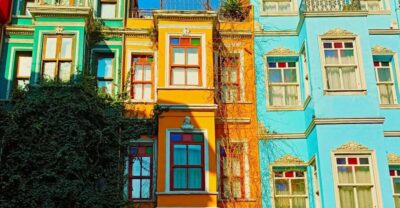 ★ 4.9Fener Balat Half-day Guided Walking TourFrom $201,711 reviews
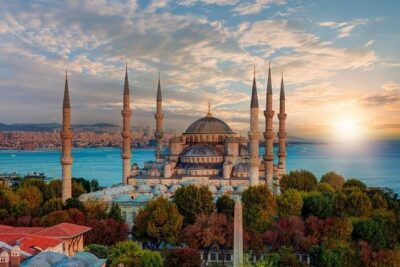 ★ 4.5Istanbul Highlights Small-Group Walking Guided TourFrom $1551,346 reviews
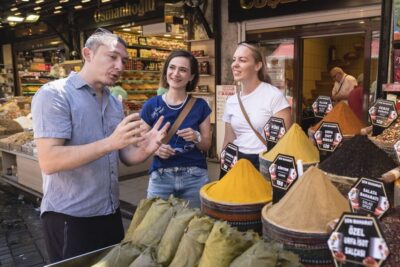 ★ 4.9European and Asian Side Guided Foodie Walking TourFrom $1351,038 reviews
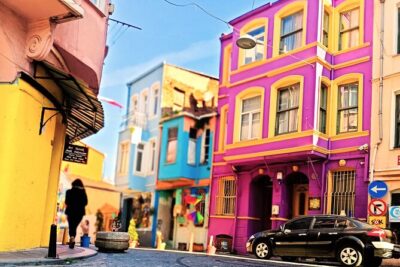 ★ 5.0Half day Fener-Balat Walking Tour in TurkiyeFrom $20308 reviews
 ★ 4.4Asian Side Walking Tour with Ferry RideFrom $29224 reviews
 ★ 5.0Old Town Of Istanbul Orientation – Tip Based Walking TourFrom $18181 reviews
★ 4.4Istanbul Highlights Small-Group Walking Guided TourFrom $150179 reviews
★ 5.0Old Town Of Istanbul Orientation – Tip Based Walking TourFrom $18181 reviews
★ 4.4Istanbul Highlights Small-Group Walking Guided TourFrom $150179 reviews
 ★ 4.8Private Guided Walking TourFrom $74167 reviews
Other ways to explore Istanbul