
Review · ISTANBUL HAGIA SOPHIA TOURS
Istanbul: Whirling Dervish Ceremony next to Hagia Sophia
Forget a typical show, this is Sufi prayer.
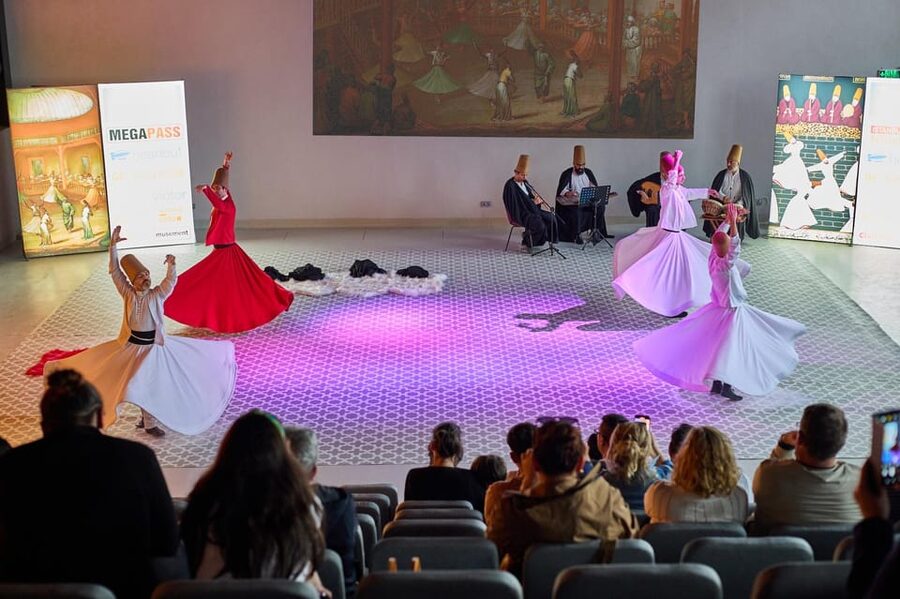
This Whirling Dervish Sema ceremony takes place in a traditional wooden venue right by the Hagia Sophia area, with live classical Turkish music and a proper, respectful introduction. I like that it is framed as an Intangible Cultural Heritage practice, not just entertainment with costumes and lights.
What I love most is the tone. The event stays calm and ceremonial, and the music, rhythm, and turning are slow enough that you actually notice the ritual doing its work. I also really appreciate the live Turkish music plus a licensed professional host who explains the meaning before and after, with a smart audio guide in multiple languages to keep up.
One possible drawback: the experience depends on the sound and your ability to focus during the explanations. A few people noted that the speaker audio was hard to catch at the beginning, or that the host spoke quickly, so if you need super clear narration, plan to arrive early and settle in fast.
Key Highlights You Should Not Miss
- Location with real context: near Hagia Sophia, with the meetup at the Basilica Cistern area
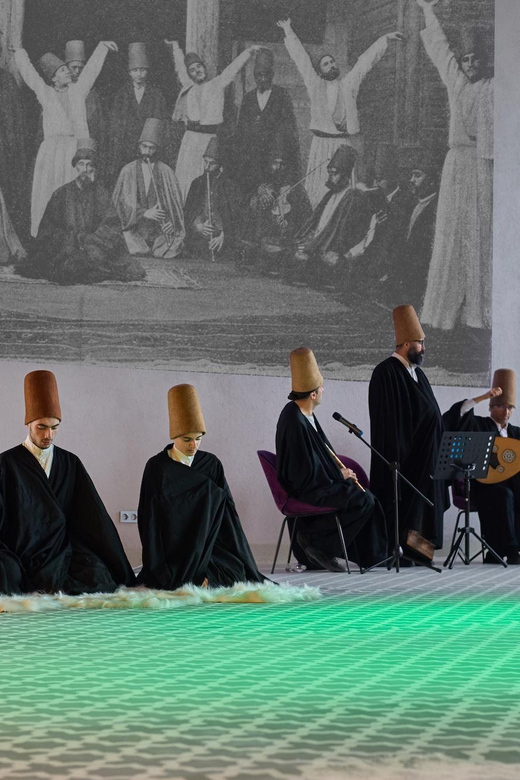
- Live music that matches the ritual: strings, drums, and flutes, with traditional pieces from the 1400s to early 1800s
- UNESCO Intangible Cultural Heritage framing: Sema as a living cultural practice
- You get meaning, not just movement: explanation before and after, plus audio guidance in 7 languages
- A calm, respectful setting: silence matters, phones can pull you out of it
- A small local drink included: tea or sherbet, plus water
Finding the Venue Near Hagia Sophia (Meet by the Basilica Cistern)
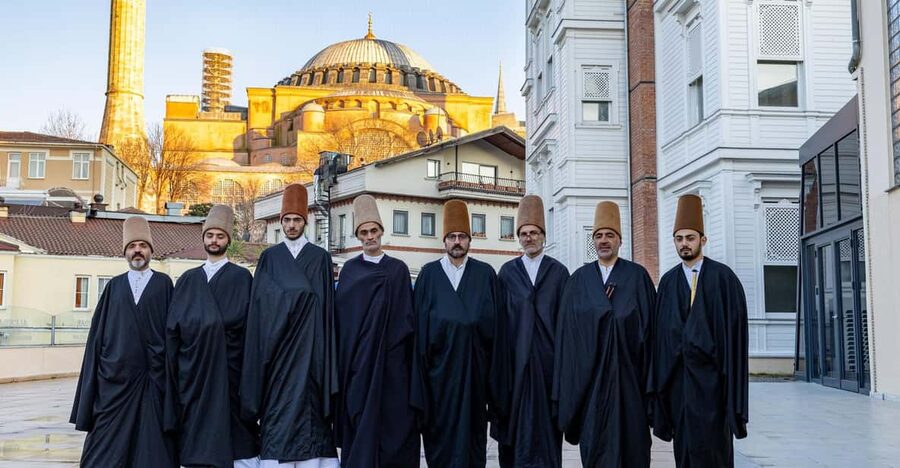
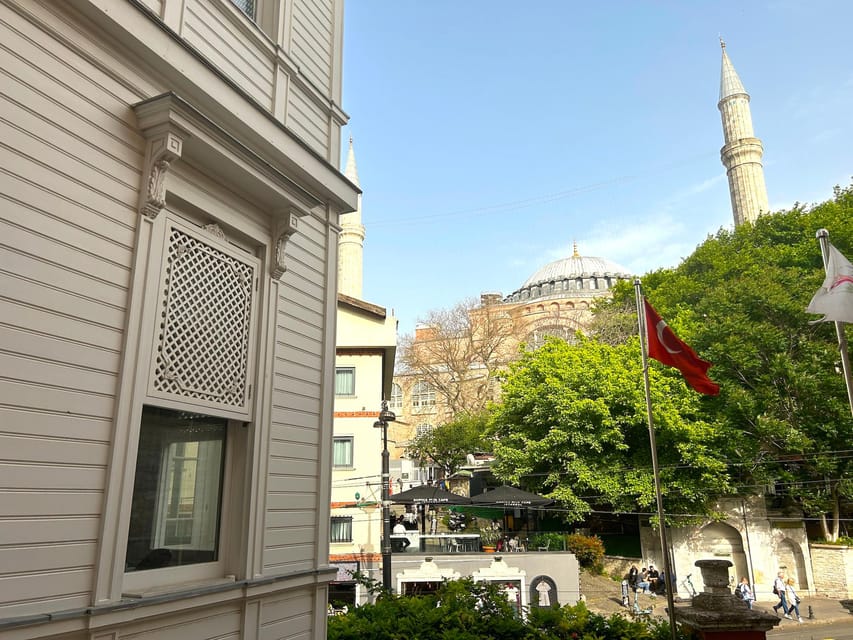
The meeting point is next to the entrance of the Basilica Cistern. You will spot the reception desk at the gate of a giant white wooden house, and the gate opens 30 minutes before the ceremony starts. That early opening matters because you want time to orient yourself without rushing into the quiet.
From there, you will move into the salon, described as a traditional, beautiful wooden house in Istanbul. This is one of the reasons the event feels less like a modern theater production and more like a real community ceremony in an older setting.
If you are the type who needs a plan, do this: arrive close to the gate opening. That gives you time for the restroom too. The venue asks you to visit before or after, and it is easier to enjoy the turning if you do not worry about it mid-ritual.
You can also read our reviews of more tours and experiences in Istanbul.


What Exactly Happens Before the Dervishes Turn?
You should expect a structured flow, not a random performance. The event begins with an introduction by a professional host, before the whirling starts, and then there is usually more context after.
The smart part is the included guidance. You get an audio guide in English plus several other languages (German, French, Italian, Russian, Spanish, and Arabic). You also get a digital information guide in those languages, which many people found useful because it helps you connect symbolism to what you are seeing.
During the lead-in, live instrumental music starts using traditional sounds. You will hear strings, drums, and flutes, and the early music is your training wheels for the ritual. One of the best ways to enjoy the ceremony is to let that rhythm do the work, instead of trying to analyze every second.
The Live Music: Why It Matters More Than Background Entertainment
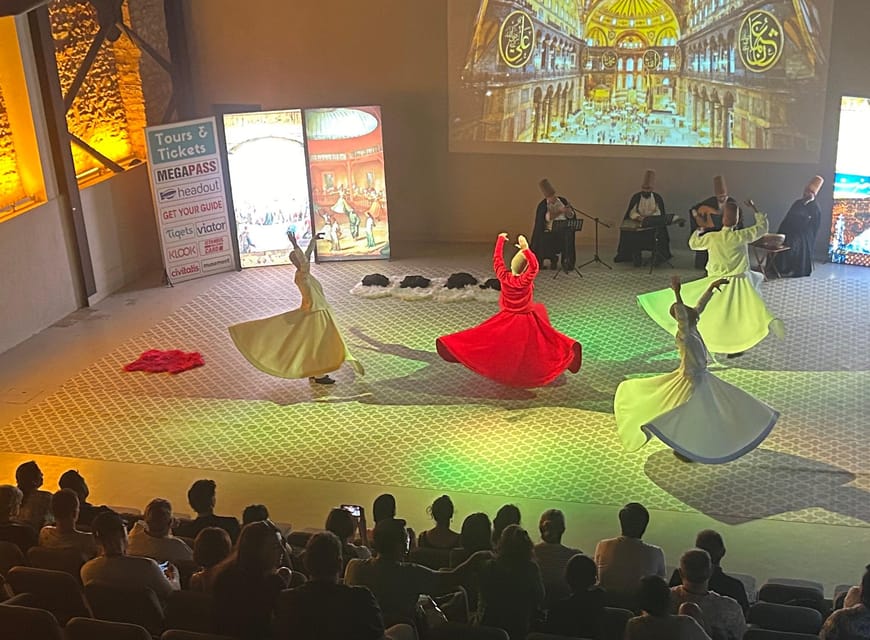
A lot of Istanbul performances treat music like atmosphere. Here, the music is part of the ritual engine.
The ceremony uses classic live Turkish music, and the musical pieces are described as being composed from the 1400s through the early 1800s. That time range is not trivia for trivia’s sake. It signals that this is meant to feel like an old spiritual language, repeated and carried forward, not a soundtrack specially made for tourists.
In practical terms, listen for the shift from instrumental building to the moment the prayers begin. Reviews frequently describe the pace as gradual, with a calm build rather than dramatic stage tricks. If you expect high energy from the first minute, you might miss what makes it powerful.
Also, keep your phone quiet or away during the ceremony. Multiple comments stress that using your phone interrupts the experience, because it snaps you out of the steady, meditative rhythm.
Watching the Whirling Part Like a Pro (What to Notice)
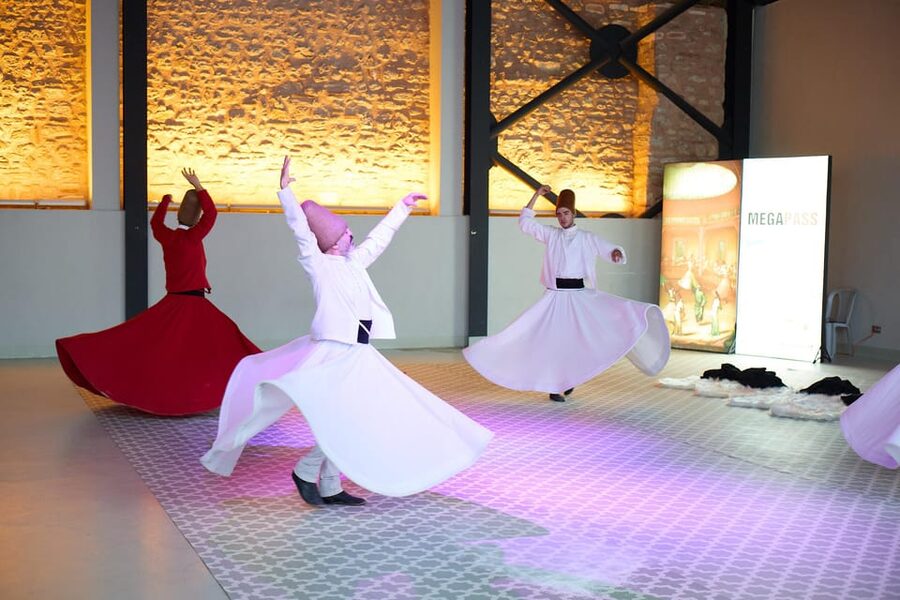
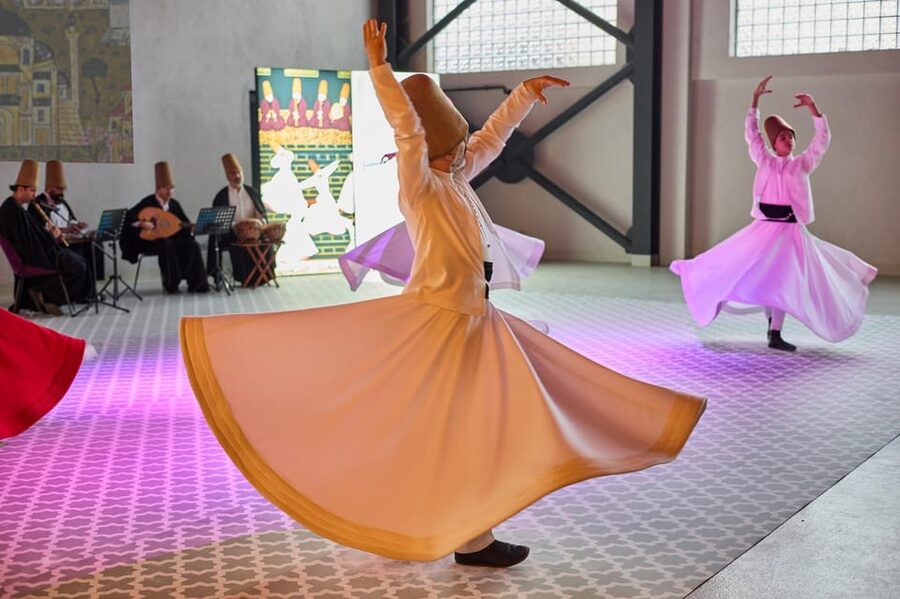
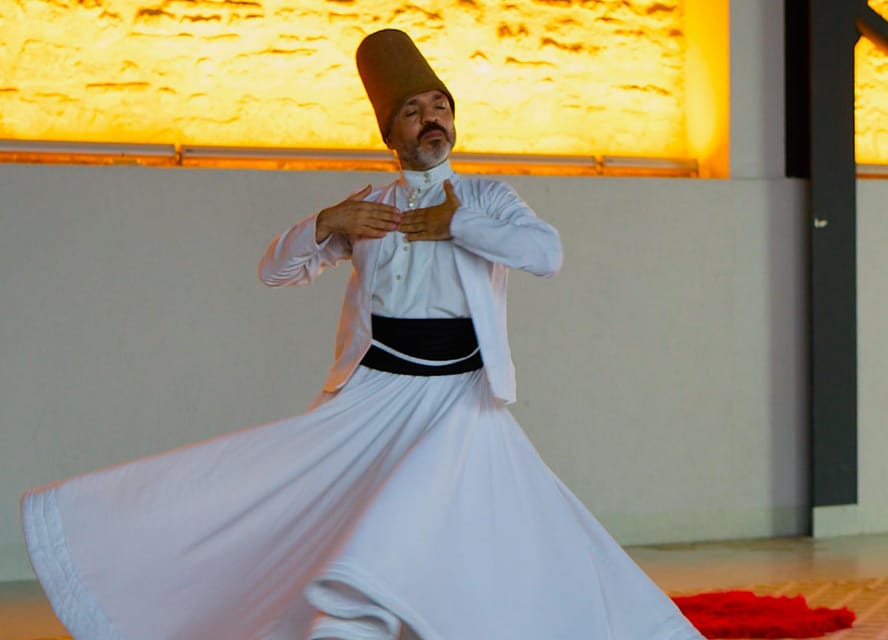
When the prayers begin, the whirling dervishes arrive in serenity. Then the motions accelerate in time with the rhythm, which is meant to symbolize harmony in the universe.
What I think helps most is changing your viewing goal. Instead of waiting for the most dramatic moment, watch for how the turning relates to the music and to stillness around it. People often describe it as hypnotic, and that makes sense if you let the rhythm become your anchor.
You may also notice symbolic hand gestures and the meaning tied to the direction of the hands. One detailed description explains that one hand is lifted toward the heavens while the other points toward the earth, representing receiving blessings and sharing them. Whether you know all the symbolism beforehand or not, seeing it clearly is easier if you keep distractions low and focus on the movement as a language.
The venue also sets rules to protect concentration. You should not make noise, and silence is important. This is a big deal here, because the ceremony is supposed to feel intentional, not like people chatting between turns.
The Ceremony Timing and Why Some People Feel It Is Short
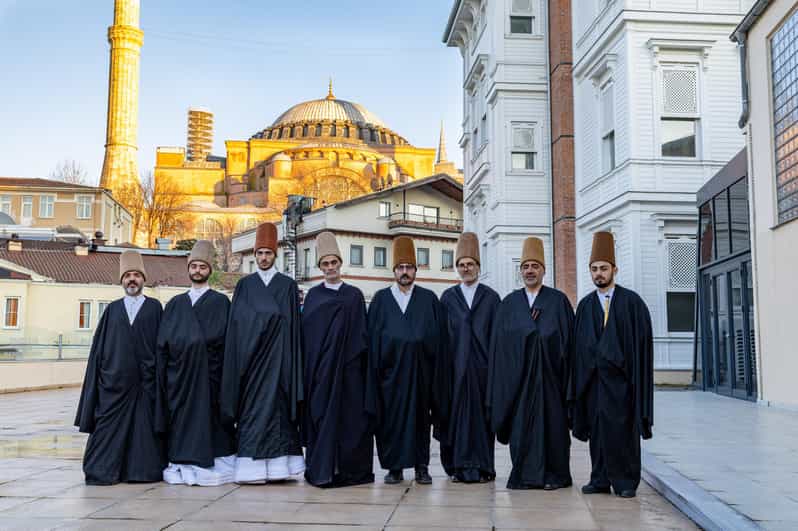
The total duration is 55 minutes. That includes the overall flow, with introduction elements and the whirling ceremony itself.
If you are used to long guided shows, 55 minutes can feel brief. At the same time, many people loved the fact that the event does not drag. The best mindset is to treat it like a focused ritual session, not a full evening program.
My advice: arrive early, go in rested, and stay through the end even if you feel tempted to beat the crowd. Some participants mentioned missing the end Q and A because they had to leave right as it concluded. If you want context, plan your evening so you can stay for that final section.

Tour Flow, Step by Step (So You Know What to Expect)
Here is the experience rhythm you can count on, based on the way the ceremony is described.
1) Meet by the Basilica Cistern area
You meet your host next to the Basilica Cistern entrance. The reception is at the gate of the giant white wooden house, and the gate opens 30 minutes before start time.
2) Go into the salon and settle in
Once inside, the setting is a traditional wooden house salon. Seats are set up so you can see, and reviews often praise the visibility.
3) Listen to the intro and follow the audio guide
A licensed professional explains what you are about to see, before the turning. At the same time, the smart audio guide provides structure if you want translation support. It is available in English and other languages.
4) Enjoy live instrumental music
Traditional instruments, including strings, drums, and flutes, carry the mood. This is your adjustment phase, and it helps you notice the style of Sufi music as it builds.
5) Watch the whirling begins with prayers
The dervishes enter serenely as the prayers begin. Then the turning accelerates in accordance with the rhythm.
6) Stay calm for the silence rules
Do not make noise. This is not the place for live commentary, loud reactions, or phone scrolling.
7) Finish with tea or sherbet and take in the after-notes
You get a local drink of the day, choosing between tea or sherbet, and water is included. The host also provides explanation before and after, and some people valued the chance to ask questions at the end.
Price and Value: Is $17 Fair for Central Istanbul?
$17 per person for about 55 minutes, with live music, a guided ceremonial intro, and included tea or sherbet is strong value by Istanbul standards. The key is that you are not paying mainly for spectacle. You are paying for an authentic, UNESCO-linked cultural practice with context that helps you understand what you are watching.
You also get extra layers that often cost extra elsewhere: a smart audio guide in 7 languages and a professional host explanation. Add to that the venue itself, a traditional wooden-house setting that supports the mood, and the price starts to make more sense.
One more value angle shows up in the feedback: the event has an NGO or community purpose, with ticket income described as supporting scholarships and arts education. When a cultural experience has that kind of social footprint, it feels less like a disposable tourist stop and more like you are helping keep the practice alive.
Cultural Respect Tips That Actually Improve Your Experience
This ceremony is not for anyone who wants to treat Sufism like a visual trend. It is a religious ritual, and you will enjoy it more if you come with the right expectations.
Here are the practical respect tips I recommend:
- Keep silence like it is part of the choreography
The rules are explicit: no noise. If you are tempted to narrate the experience to your group, save it for outside.
- Avoid phones during the ceremony
Several comments point out that phones pull you out of the moment. If you must capture something, consider doing it only before and after.
- Read up on the themes, even lightly
One suggestion that stood out is studying Rumi and Shams Tabrizi beforehand, and paying attention to the ney flute and themes of letting go of the self. You do not need to become a scholar. Even a short primer helps you catch references in the music and explanations.
- Ask questions, but focus them
Some people found the host’s answers useful, especially when questions were specific. If your question can be researched in a sentence online, try waiting, or ask for a human explanation instead.
- Be ready for a calm pace
This is described as slow, intentional, and meditative. If you need constant stimulation, it might feel quiet. If you want a spiritual pause, it is made for you.
Who Should Book This Sema Ceremony, and Who Might Not Love It
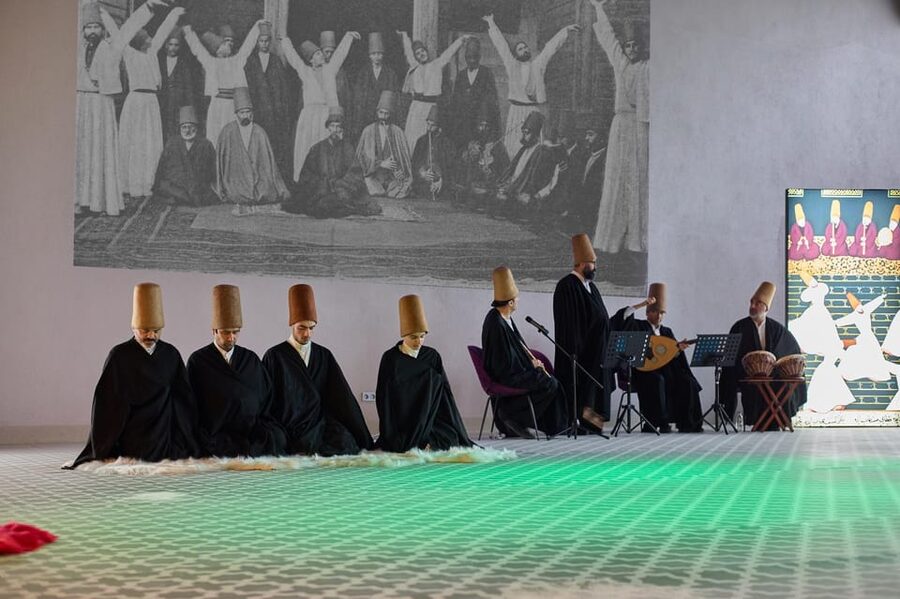
This experience fits best if you want a respectful, cultural evening that is more about meaning than spectacle. If you like Istanbul’s spiritual and artistic side, and you enjoy listening as much as watching, you will likely feel satisfied.
You might want to skip or think twice if you:
- need loud, dramatic performance energy,
- struggle with listening in busy rooms,
- dislike religious settings,
- or prefer activities with lots of free time to wander.
It is also not suitable for children under 2. That is a practical comfort factor, since the ceremony is built around silence and attention.
On the other hand, wheelchair access is noted. The setup includes accessibility claims, and at least one review highlights that staff worked to accommodate a wheelchair-dependent guest. If accessibility is a priority for you, ask questions when you book.
Should You Book This Whirling Dervish Ceremony Next to Hagia Sophia?
Yes, if you want a genuinely local-feeling cultural experience that is still easy to do in the middle of a sightseeing schedule. For $17, you get live classical Turkish music, a proper introduction and follow-up, an audio guide in 7 languages, and a included tea or sherbet. That is good value, and the ceremony’s calm pace is exactly what makes it memorable.
I would book it even if you are not a Sufi scholar. But go in with the right mindset: silence, patience, and curiosity. If you do that, the turning stops being a “thing to watch” and starts feeling like a moment you will carry.
If you do nothing else in Istanbul one evening besides wander between big sights, this is a smart add-on. It is one of those rare experiences where the setting and the ritual rules actually help, not distract.
FAQ
Where is the meeting point for the Whirling Dervish Ceremony?
You meet your host next to the entrance of the Basilica Cistern. The reception desk is at the gate of the giant white wooden house, and the gate opens 30 minutes before the ceremony starts.
How long is the ceremony?
The duration is 55 minutes.
What is included in the ticket price?
Your ticket includes entrance to the Whirling Dervish Ceremony with live music and an authentic ritual, a local traditional drink (tea or sherbet) plus water, and a smart audio guide in 7 languages.
Is there an English guide?
Yes, there is a live tour guide in English.
Do I need to bring anything for the restroom?
It is recommended that you visit the restroom before or after the ceremony.
Is the ceremony wheelchair accessible?
Yes, the activity is listed as wheelchair accessible.
Are children allowed?
The experience is not suitable for children under 2 years old.
What are the main behavior rules during the ceremony?
Making noise is not allowed, and silence is important.
Is free cancellation available?
Yes. You can cancel up to 24 hours in advance for a full refund.
More Tour Reviews in Istanbul
Not for you? Here's more nearby things to do in Istanbul we have reviewed





More Istanbul Hagia Sophia Tours to consider.
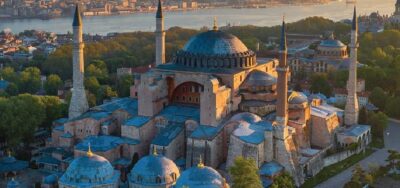 ★ 3.7Hagia Sophia Skip-the-Line Ticket & Museum OptionFrom $334,958 reviews
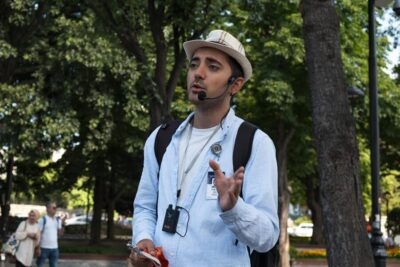 ★ 4.8Blue Mosque & Hagia Sophia Guided Tour w/ TicketsFrom $393,600 reviews
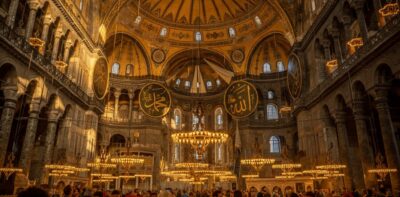 ★ 4.3Hagia Sophia Skip-the-Line Ticket and Audio GuideFrom $352,246 reviews
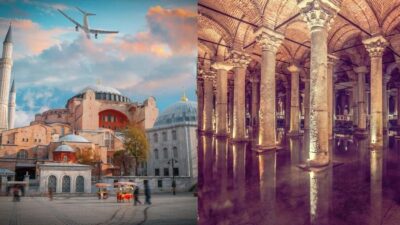 ★ 4.6Basilica Cistern & Hagia Sophia Combo TicketFrom $711,990 reviews
 ★ 4.7Blue Mosque, Hagia Sophia, & Basilica Cistern TourFrom $581,806 reviews
 ★ 4.4Hagia Sophia Skip-the-Line Ticket with Audio TourFrom $421,767 reviews
 ★ 4.3Blue Mosque, Basilica Cistern, & Hagia Sophia TourFrom $781,634 reviews
 ★ 4.3Hagia Sophia Skip-the-Ticket Line & Audio GuideFrom $411,469 reviews
Other ways to explore Istanbul