
Review · ISTANBUL WHIRLING DERVISH SHOWS
Istanbul: Whirling Dervishes Ceremony and Mevlevi Sema
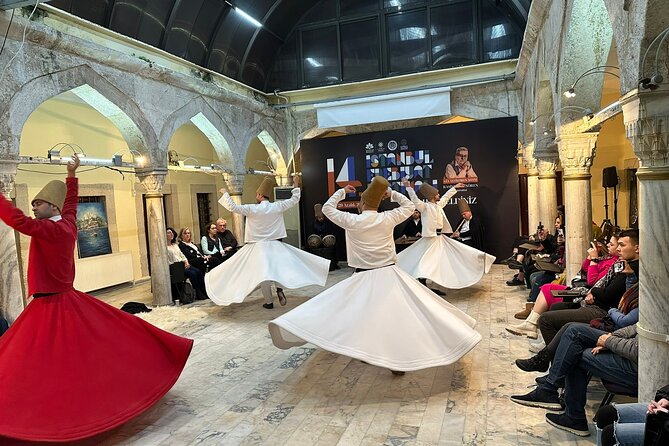
If you want calm, controlled motion, start here. The Mevlevi Sema at Hoca Rüstem Medrese pairs live chanting with a mesmerizing whirling ritual, and it feels genuinely spiritual rather than just staged. I love the live music and how the dervishes keep perfect form even as the spinning builds. The only drawback to plan for is that there is not much spoken explanation during the event, so you may want to use the audio guide.
What makes it interesting is the way the ceremony is built in layers, from sound to symbolism to movement. You’ll see costumes and gestures that the order treats as meaning, not decoration. I also like the venue setup, because it is intimate, close, and easy to follow once you understand what you are looking for. If you come expecting a narrated performance with lots of English commentary, you might feel a bit in the dark.
Price is $23 for a one-hour experience, and that matters because you’re paying mostly for the ritual itself plus an English audio guide. For many people, that is a fair trade, especially since you do not need a long sit or complicated itinerary. Just remember: you’ll want your phone charged and your ears ready, because the audio guide is your main translator.
Key things to know before you go
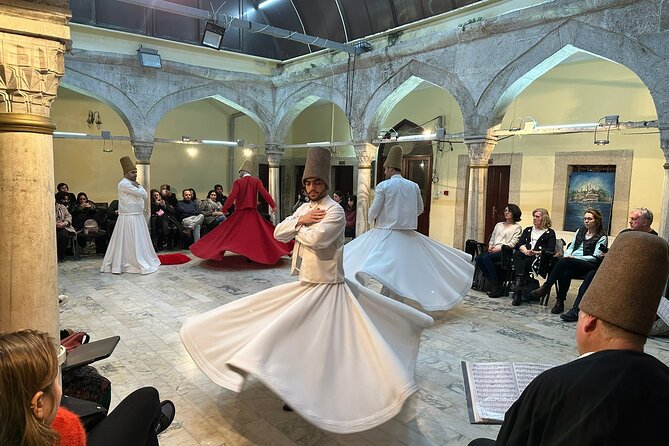
- Mevlevi Sema at Hoca Rüstem Medrese: a real venue for the ritual, set in Istanbul’s historic area
- Live music first, whirling second: the ceremony moves from chanting into the spinning ritual
- Symbolism is the point: costumes, hats, and gestures all represent parts of the spiritual journey
- Plan your seating: only a couple rows are truly close, and pillars can block views
- Respect the ceremony: quiet room behavior matters, and clapping is not the vibe
- Bring headphones: your English audio guide runs through your smartphone
Where the Mevlevi Sema happens in Istanbul
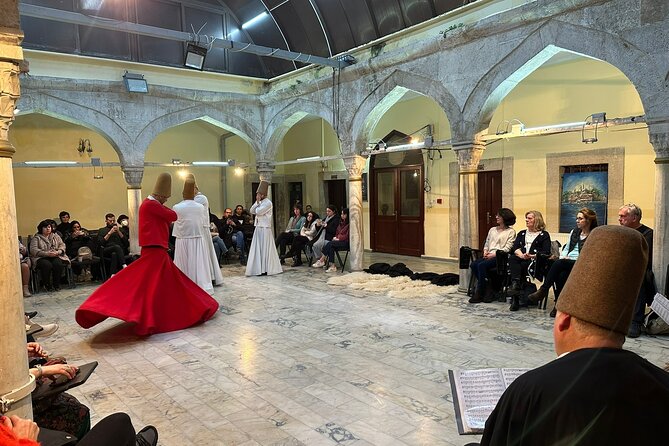
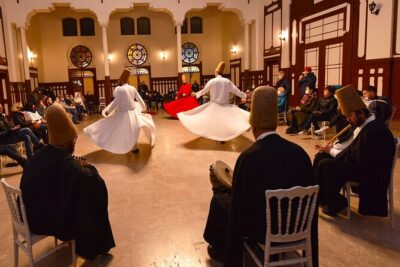
The ceremony takes place at Hoca Rüstem Medrese, in central Istanbul. Multiple people describe it as intimate, more like a small madrasa space than a big theater, and that fits the feel of the Sema. The hall setting also changes how you experience the sound, because the chanting and instruments do not travel like they would in a wide concert venue. It feels closer and more direct.
In practical terms, think of it as a focused cultural stop, not a casual walk-in performance you can tack onto the end of a busy day without thinking. You want to arrive with your brain ready to watch and listen for about an hour. If you are the type who likes background context, use the audio guide early, before the music gets going.
This venue choice is part of the value. When an event is staged in a more traditional setting, it tends to feel less like a big production line. People who cared about the spiritual tone often say this one delivered that tone better than they expected.
You can also read our reviews of more tours and experiences in Istanbul.


Price and time that actually fit a day of sights
At $23 per person and one hour total, this is one of those Istanbul activities that can slot in without wrecking your schedule. It is short enough that you do not have to plan a full evening around it, but long enough that you do not miss the core moment: the dervishes’ whirling.
I also like that it includes a smartphone audio guide in English. For a ritual with limited spoken explanation, that audio guide is your best friend. Without it, some people feel like they are watching beautiful movement with fewer signposts.
One logistical note you should factor in: there is no hotel pickup or drop-off. That sounds minor, but in Istanbul it changes how you plan your timing. You’ll want to build in margin, especially if you are navigating streets around Fatih and Sultanahmet area landmarks.
The ceremony flow, from tea and setup to the whirling part
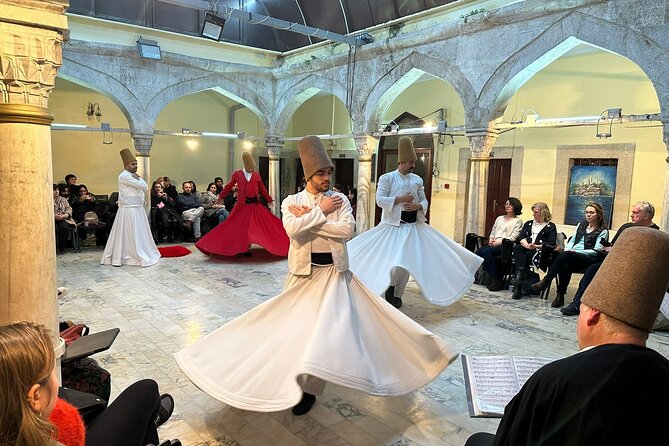
The schedule is simple. You show up, settle in, and the experience unfolds in a steady sequence.
Here is the flow you should expect:
- Arrive early and get settled
You need to be at the hall 15 minutes before the show starts. Many people recommend arriving even earlier if you care about getting a better view. The room has seating that is not equal, and there are only a couple rows that feel truly close.
- Wait in the calm before the music
There is commonly a tea service while you wait. Some people specifically mention hot tea, which makes sense for cooler days and for a hall where you’re sitting still for a while.
- Music and chanting begins
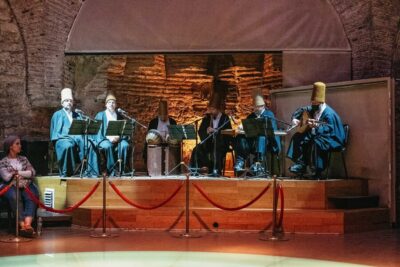
The ceremony often starts with a musical opening, with live instruments and vocals. One review mentions around 20 minutes of music before the dervishes come out. Another mentions a first half hour of music and singing before the whirling.
- The dervishes enter and the ritual begins
Once the dervishes begin the whirling, the atmosphere changes. People describe it as hypnotic and very focused. Even if you do not understand every word being sung, the rhythm tells you when you’ve entered the heart of the ritual.
- It ends without lingering
Total time is about one hour. That’s a plus if you want a meaningful experience without a long sit.
Now the behavior part. This is not a loud, clap-and-cheer “show.” Several reviews stress respect and quiet during the ceremony, and at least one mentions an organizer reacting strongly when applause broke out. So go in ready to watch, not perform your own commentary.
The meaning behind the costumes, hats, and whirling philosophy
This ritual works on symbolism. The point is not only that the whirling looks controlled. The point is that it represents a spiritual path.
Here is what you should keep in mind as you watch:
- Whirling as harmony
In Mevlevi thinking, whirling means being in harmony with the rest of creation. It connects everything from day and night to life and death, even down to the details they associate with the veil.
- Costumes are not random clothing
The ceremony treats each garment and accessory as meaningful. For example, black is used to symbolize death, while white symbolizes birth. The tall hats represent tombstones of the ego, so they signal letting go of self-centeredness.
- Removing layers has a purpose
People explain that black cloaks can be part of the symbolism, and the ritual includes changes in what the dervish wears during the sequence. You may notice the movement isn’t just spinning, it is spinning plus transitions.
- Your hands are part of the message
A specific interpretation used in explanations of the Sema is that the right hand opens toward the sky to receive divine blessings, while the left hand points to the earth to distribute blessings to humanity.
I know that sounds like a lot to remember, but you do not have to memorize it. The audio guide helps you connect what you see to the meaning. When you have even a basic map in your head, the ceremony stops being just beautiful movement and turns into a coherent ritual with emotional weight.
Live music, chanting, and the mood of the hall
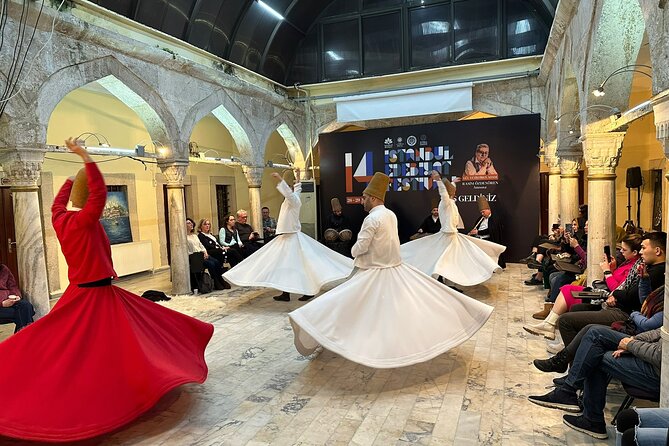
Music is not background noise here. It is part of the structure.
What you’ll likely notice:
- Live instruments plus vocals
Multiple people mention live musicians, and some specifically mention a trio and vocal chanting. One review highlights hafızs, which suggests the vocal element is taken seriously.
- The sound creates the pace
People describe the ritual as peaceful and rhythmic. The spinning feels timed to the music’s flow, not just started at random.
- The hall amplifies attention
Because the space is intimate, small details stand out more. If you sit near the front or center, the music and the whirling feel physically present.
One practical thing: if you’re sensitive to sound, you might want to control your volume on your phone audio guide using headphones. The audio guide is in English, and you want to use it without drowning out the live sound.


Seating, views, and photo realities (yes, pillars happen)
You do have control over your experience here, mostly through where you sit.
Based on what people note:
- Arrive early for the best views
There are only a couple rows that feel truly close. If you care about seeing footwork and costume details, show up earlier than the minimum 15 minutes.
- Pillars can block views
Some people mention being seated near a pillar. It can reduce what you see, especially if you’re hoping to track the dancers’ lower body details.
- The room can feel packed
A couple reviews mention overcrowding that limited the ability to see footwork. So if you want maximum visibility, pick a position thoughtfully and arrive early.
- Lighting panels can distract photos
One person warns about back-lit side panels that can be distracting for photography.
My advice: decide what you want from the moment. If you want faces, gestures, and costumes, prioritize a clear line of sight to the dervishes’ upper body. If you want footwork, get closer to the floor-level view and avoid blocked angles.
Who this Mevlevi Sema experience suits best
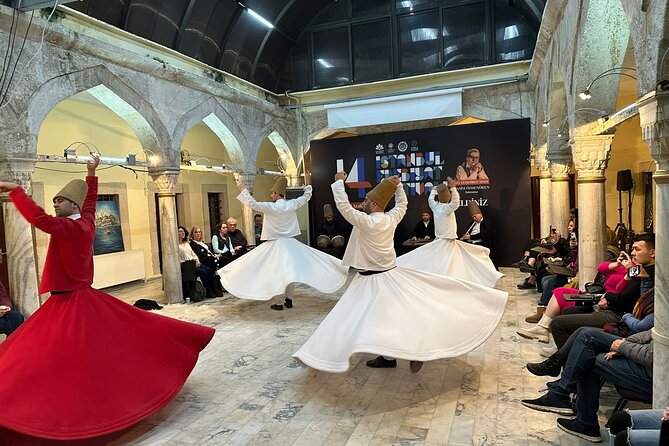
This is a strong choice for people who like:
- Spiritual or cultural experiences where behavior and meaning matter
- Live music and disciplined performance
- An intimate setting rather than a huge, anonymous auditorium
You’ll also get extra value if you are the type who reads a little beforehand. More than one person notes that there is little explanation during the ceremony itself, so the audio guide matters. If you show up curious, you’ll leave with a clearer sense of why the symbolism matters.
Who should think twice:
- If you want a heavily narrated, step-by-step English briefing during the event, you may feel the ceremony is too quiet and too direct. You can still enjoy it, but you should plan to rely on the audio guide rather than expecting staff to explain everything aloud.
- If you hate sitting in a packed hall for an hour, consider arriving earlier for a better seat and pick your expectations accordingly.
Should you book the Whirling Dervishes Ceremony in Istanbul?
Book it if you want a concentrated taste of Mevlevi spiritual culture in a one-hour window, with live music and a ritual that is meant to be watched respectfully. The $23 price feels fair for what you’re getting, especially since the event includes an English audio guide on your smartphone.
Skip it or adjust expectations if you are looking for a guided, classroom-style explanation. This ceremony is mostly about the ritual itself. If you come with headphones ready, your phone charged, and a little curiosity about the symbolism, you’ll get a lot more out of it.
One last tip: don’t treat this like a photo shoot. Treat it like a shared moment in a small hall. The dervishes whirl, the musicians sing, and the meaning lands through attention.
FAQ
How long is the Whirling Dervishes ceremony?
The experience lasts about 1 hour.
Where does the ceremony take place?
It takes place at Hoca Rüstem Medrese in Istanbul.
What is included in the ticket price?
Your ticket includes entry to the Whirling Dervishes ceremony plus an audio guide app on your smartphone (English).
Do I need hotel pickup?
No. Hotel pickup and drop-off are not included.
What should I bring?
Bring headphones and a charged smartphone so you can use the audio guide app.
What time should I arrive?
You need to be at the hall 15 minutes before the show starts.
Is there free cancellation?
Yes. You can cancel up to 24 hours in advance for a full refund.
More Tour Reviews in Istanbul
Not for you? Here's more nearby things to do in Istanbul we have reviewed









More Istanbul Whirling Dervish Shows to consider.
 ★ 4.4Hodjapasha Whirling Dervishes Show & ExhibitionFrom $324,790 reviews
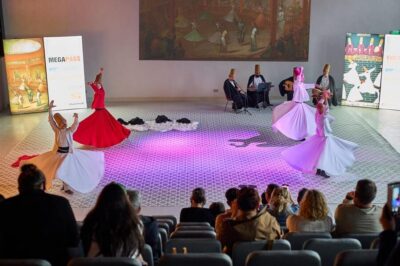 ★ 4.5Whirling Dervish Ceremony next to Hagia SophiaFrom $17906 reviews
★ 4.0Istanbul Hodjapasha Whirling Dervishes Show & ExhibitionFrom $32503 reviews
★ 4.5Whirling Dervish Ceremony next to Hagia SophiaFrom $17906 reviews
★ 4.0Istanbul Hodjapasha Whirling Dervishes Show & ExhibitionFrom $32503 reviews
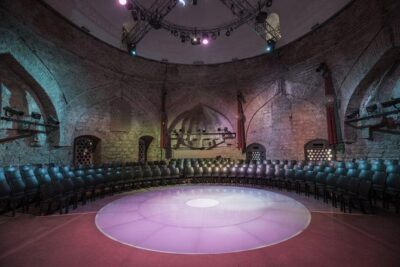 ★ 4.0Whirling Dervish Ceremony: Go on a Spiritual JourneyFrom $120177 reviews
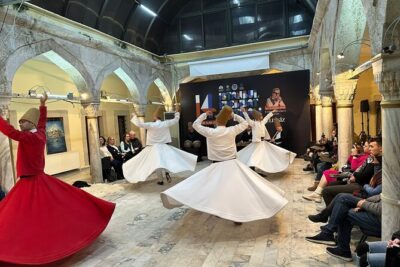 ★ 4.5Whirling Dervishes Ceremony and Mevlevi SemaFrom $24128 reviews
 ★ 4.5Istanbul Whirling Dervish Ceremony, A Mystical Sufi ExperienceFrom $42123 reviews
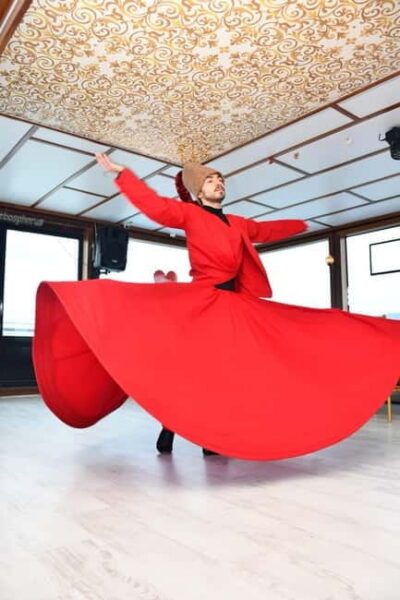 ★ 4.5Whirling Dervish CeremonyFrom $2235 reviews
 ★ 4.0Whirling Dervish Ceremony Tickets in IstanbulFrom $2230 reviews
Other ways to explore Istanbul