Review · ISTANBUL
Card Game and Afternoon Turkish Tea with Local Grandma
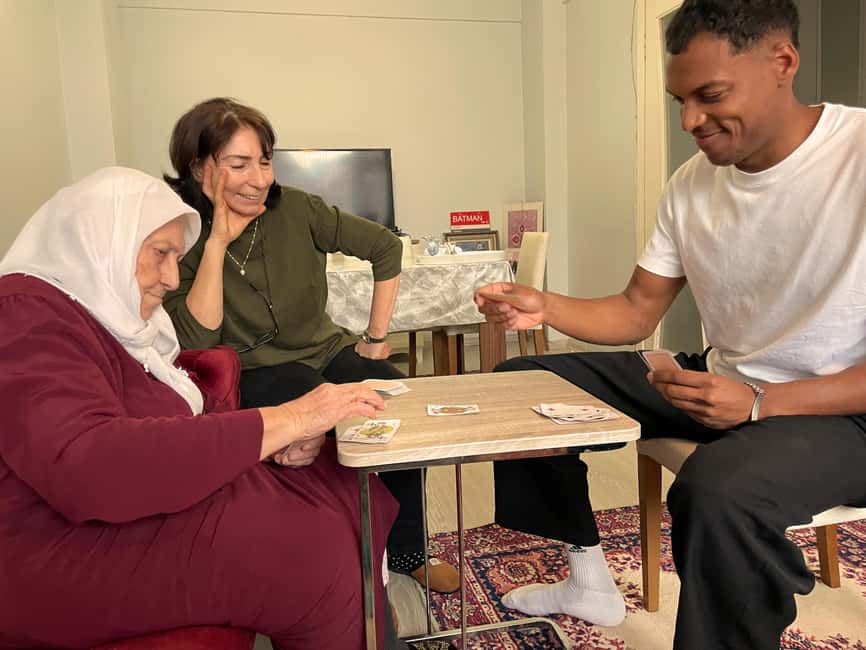
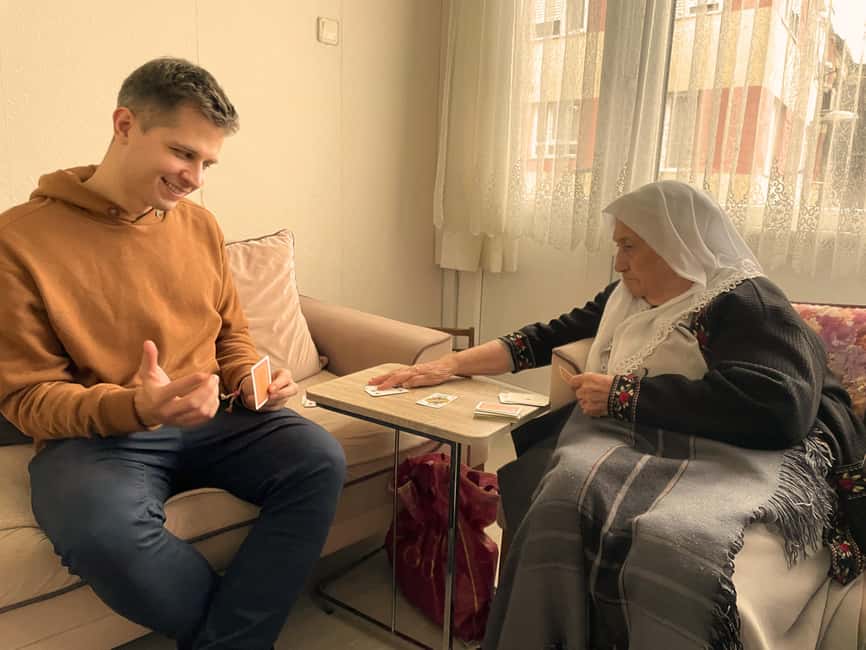
Tea, cards, and a roasty grandma in Istanbul. This 2-hour afternoon session is a simple idea with big payoff: you sit down for Turkish tea, meet a spirited grandmother, and learn a Turkish card game the way families actually do it. I especially like the small, home-like setting and the tea-and-cards tradition that keeps things relaxed but genuinely local.
The main entertainment is the grandma herself, often lively enough to make the whole room laugh, even when you are losing. You will get Anane-style teasing and humor, and it is all part of how she teaches. One thing to consider: this is not a quiet, formal class. The jokes are friendly, but if you dislike being lightly roasted, you might feel out of place.
You will be supported in Turkish and English, and the game is for all skill levels, so you do not need to know anything beforehand. With a 3-participant max, you get personal attention instead of being shuffled into a crowd. If you want a classic sightseeing stop with photo ops at every turn, this is not that kind of outing.
Key things you will notice fast
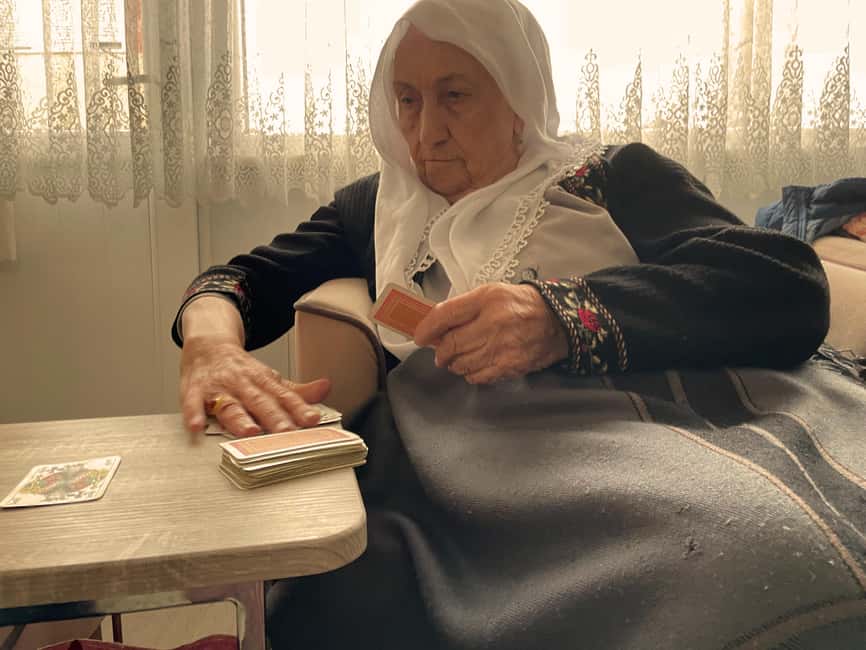
- A grandma-led card game lesson where you learn by playing, not by watching someone talk
- Turkish tea, plus homemade snacks that make the session feel like a real family break
- Playful teasing that keeps the energy up while you learn the rules
- Small group size (up to 3) so you actually interact, instead of just observing
- Turkish and English support so you can follow along even if your Turkish is basic
A Marmara afternoon in a real home, not a staged show
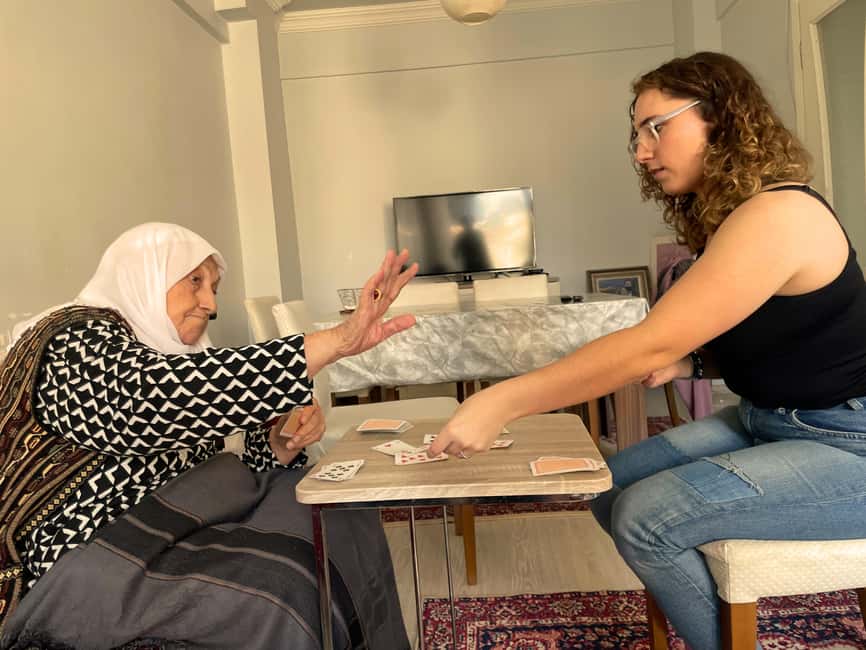
This experience works because it is set up like a family hangout. You arrive, you are welcomed into a cozy indoor space, and the tone is warm and informal right away. The point is not to impress you with a performance, it is to share time, teach a card game, and keep conversation moving over tea.
The difference you will feel is the pace. Instead of a “tour script” with constant instructions, you settle in like you are visiting someone. That matters because the humor lands better when it happens naturally, and you stop thinking about doing everything right.
Also, this is designed for interaction. The session has a small-group cap of 3 participants, which means the grandma can focus on how you are doing, not just move through a program. You are more likely to ask a question, make a mistake, and get a smile instead of feeling rushed.
Yes, it is a cultural experience. But it is not packaged as distant culture lessons. It is closer to watching how locals share a lazy afternoon, with the kind of laughter that seems to come from the whole room, not just one person.
You can also read our reviews of more tours and experiences in Istanbul.


The grandma’s banter is the secret ingredient
The card game part sounds straightforward: you learn games from a Turkish grandma, play a few rounds, and enjoy the company. What makes it memorable is the personality running the show. The grandma is described as funny, sharp, and quick with her card skills, and she does not hold back on teasing anyone in front of her.
In the sessions like this, you might hear Turkish humor mixed with English support. And the best part is that the teasing is never mean-spirited in tone, it is more like a playful roast meant to get you engaged. When someone laughs with their whole body, it changes the mood fast. You relax, you laugh back, and the game becomes easier to learn.
There is also a nice “family” layer. In some sessions, the daughter and grandson help with welcoming and making sure everyone can play. That support matters if you are new to Turkish card games. You will not be left to figure everything out alone.
One important consideration is psychological, not logistical: you should go in expecting that you will be gently mocked. It is part of the bonding rhythm. If you come looking for a strict, polite atmosphere, you might spend the whole time bracing yourself. If you come ready to laugh, you will probably enjoy the learning more.
Turkish tea first, then cards, then more tea
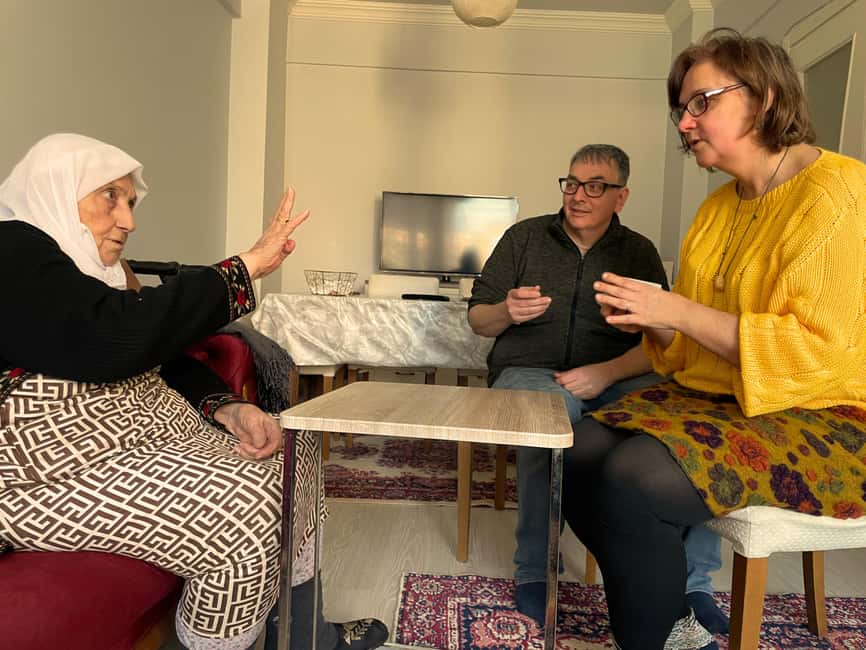
Tea is not just a drink here, it is the social glue. You start with traditional Turkish tea, served in a cozy setting that encourages conversation. Even before you touch the cards, the tea-and-snacks moment sets you up to relax and settle in.
You can also expect sweets and snacks. In at least some sessions, there are homemade biscuits and extra treats, not just a quick sip of tea. That small detail is why the whole session feels like a real afternoon at someone’s home, not a scheduled transaction.
Why this matters for you: Turkish tea culture is a slow rhythm, and card games fit naturally into that. When everyone is drinking tea and munching something, the “pressure to perform” drops. It makes it easier to learn rules, understand what people are watching for, and try your own moves without worrying you will annoy someone.
Timing is also part of the design. With only 2 hours total, the flow tends to be tight but not stressful: tea and welcome, quick introduction to the game, then rounds where you get feedback and joking encouragement. The snacks keep you comfortable through the full session, even if you arrive from sightseeing hungry.
If you are sensitive to spicy or very sweet foods, be aware you are at a home setting, so treats may be homemade and taste varies. But from what is shared, the snacks are meant to be friendly and plentiful.
How the game learning actually feels (and why it works)
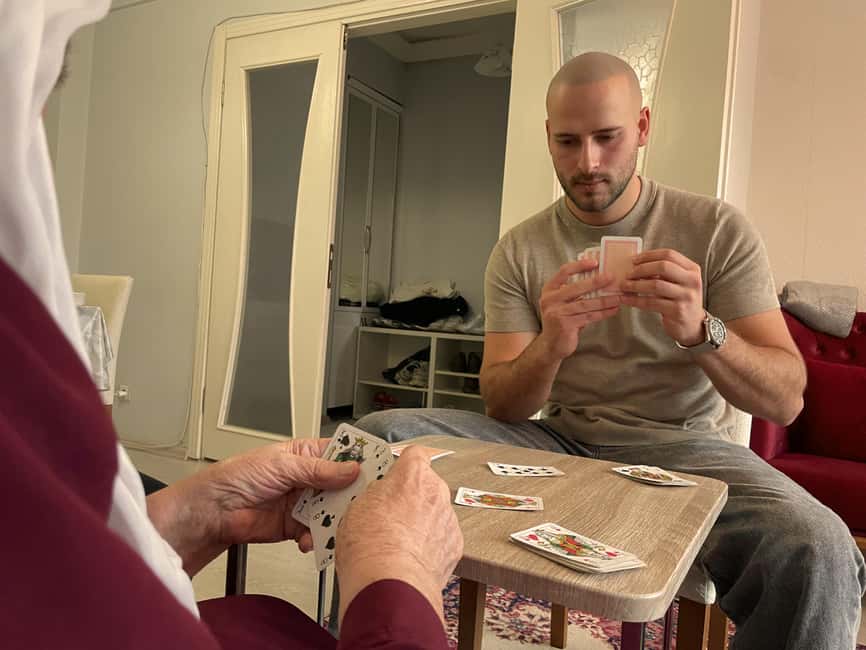
You might think a card game lesson means memorizing rules first, then playing. Here, the learning is built into the playing. You are given cards for Turkish card games, then you learn the game by joining the table and reacting to the grandma’s style.
Her style is part of the lesson. She is described as quick, sharp, and skilled, so the competition is lively. When she teaches with humor, you tend to remember the rules better. You remember because you also remember the moment she roasted you when you broke the rule.
Also, the session is set up for fun at different skill levels. You do not need to be strategic already. The important skill is willingness to try, laugh when you get corrected, and keep going even if you are not winning.
In practical terms, you should go with a mindset of short attention and quick learning. Expect the rules to be explained in a mix of Turkish and English, and expect the grandma to use humor to make concepts stick. If you focus only on understanding every word, you might miss the point. Instead, focus on the action at the table, because the rules often become clear as the game unfolds.
The payoff is that you leave knowing not just how to play once, but how to join the next round smoothly. Even if you never become a card-game champion, you gain a story and a skill you can repeat.
Price and value: why $18 can feel like more than it costs
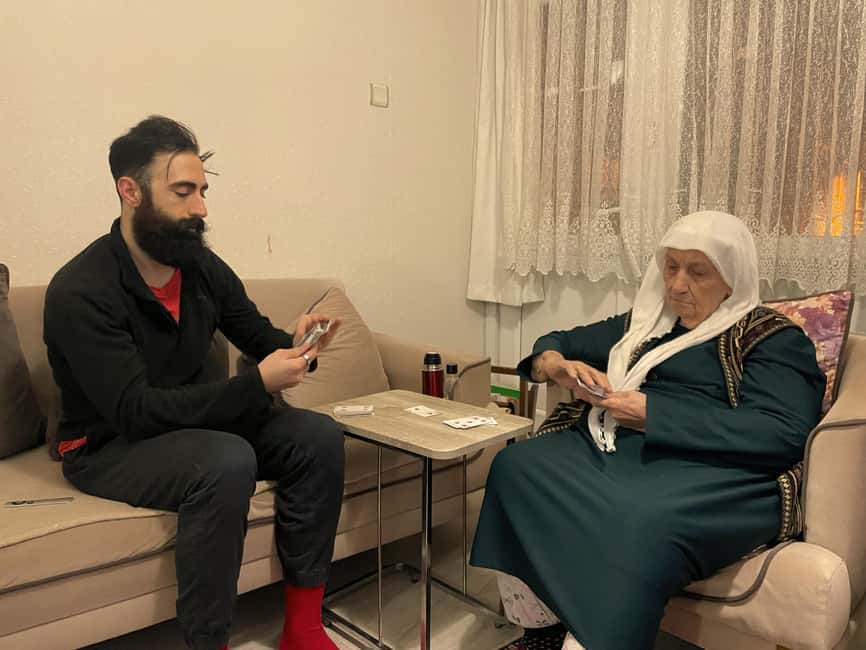
At $18 per person for a 2-hour experience, you are not buying a long guided tour. You are paying for time with a family, in a home setting, with tea and cards included, plus snacks in many sessions. That is the key value equation.
A large part of the price is the “human component.” The grandma’s personality, the family welcome, and the small-group attention are not easy to replicate in typical group tours. When a host has only a few people to work with, they can guide you one-on-one and keep the energy personal.
You also get included materials. Cards for Turkish card games are part of the package, and you do not need to bring anything except yourself. The tea and coffee or tea are covered as well, and that reduces the temptation to spend extra along the way.
The biggest value advantage for you is simplicity. If you want something short, local, and different from the usual monuments, this fits. Two hours is long enough to relax and learn, but short enough that it does not hijack your whole day.
Possible mismatch: if you are strictly budget shopping for the cheapest entertainment, this might feel like a “pay for an experience” choice rather than a bargain ticket. But if you like cultural interactions that are hands-on, $18 is a reasonable rate for a warm, memorable afternoon.


Getting there in Istanbul: tram, bus, and the Selamlık Street clue
This location is in the Beşiktaş area, and it is residential. That is good for the vibe, but you need to plan your arrival like you would for a dinner invite.
From the old town area (Sultanahmet, Hagia Sophia, etc.): take the tram to Kabataş. From Kabataş, you can taxi or bus, or walk for about 25 minutes. That walk can be a pleasant choice if you feel steady on your feet and you want a gradual transition away from the busiest streets.
From the Taksim area: take any bus to Beşiktaş that does not go to Ortaköy, and get off at Barbaros Bulvarı station. Then walk about 5 minutes to the location. If you take a bus that goes to Ortaköy, get off at Bahçeşehir Üniversitesi stop instead, and walk about 10 minutes. That second option includes a steeper walk, so choose it only if you are comfortable.
Once you reach Selamlık Street: find number 21, Evim Apt. It sits a bit above the car park, and the building door is right across Abbasaga Mosque. Ring the bell on the left, number 6, then walk up one floor.
Tip that helps: save those place markers in your map app before you go, then match them step-by-step. In an apartment block, quick navigation is everything.
Who this suits best, and who might want a different plan
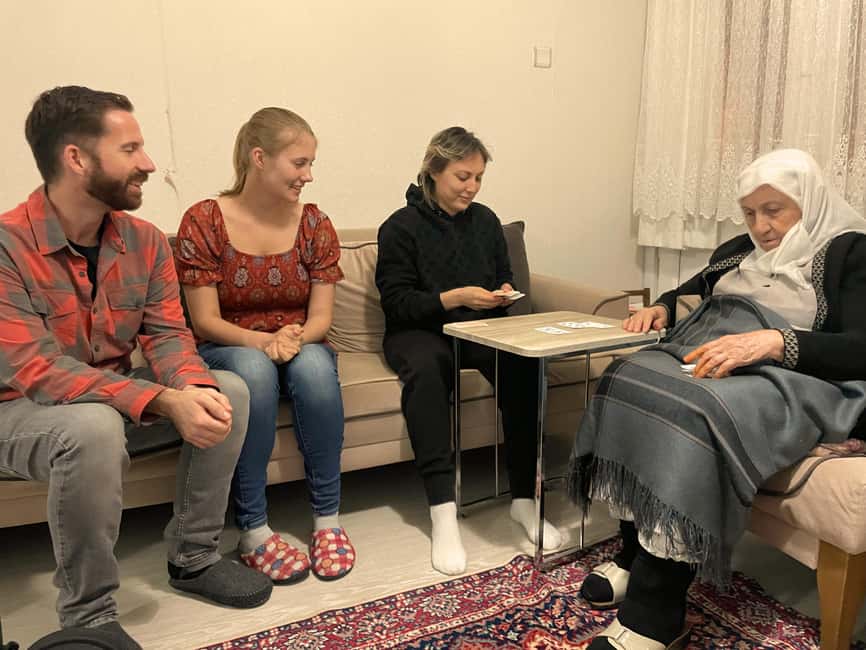
This afternoon card-and-tea session is ideal if you want a genuine local home moment. It is a strong match for people who like conversation, mild competition, and laughing while learning something new. If you enjoy meeting older locals and seeing how families spend time together, you will probably feel right at home.
It also suits beginners. The session is described as fun for all skill levels, which is exactly what you want when you do not know the games yet.
It is less ideal if you prefer quiet activities, or if you do not want to participate. This is not a drop-in museum style visit. You will be asked to play, even if you only start with a few hands.
Also, because the grandma is part teacher and part entertainer, your comfort with teasing matters. Go with a good attitude and the expectation that mistakes are normal.
If you are traveling with a group of friends, remember the session is limited to 3 participants. That small size is part of the charm, but it also means you cannot treat it like a casual “bring everyone” activity.
Practical tips so you enjoy the roasts and the rules
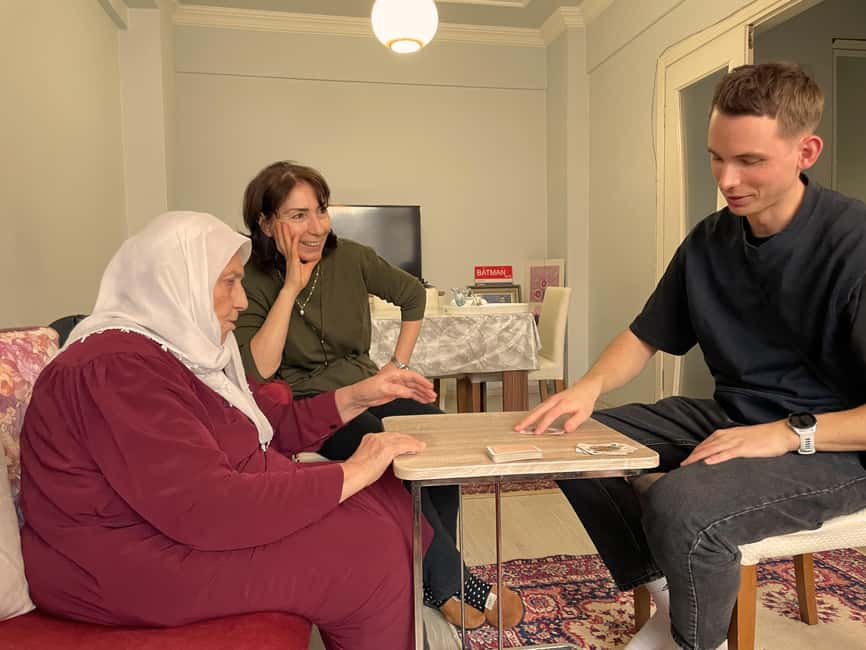
Bring a relaxed mindset. This experience is built on humor, and humor is easier when you do not try to be perfect.
A few things that tend to help:
- Arrive a little early so you can settle in and not feel rushed before tea arrives.
- Expect Turkish and English to mix. Focus on the game actions at the table, not just on understanding every word.
- When the grandma teases you, treat it like a compliment to your participation. The goal is connection, not humiliation.
- If you are hungry, you are in luck. Tea and snacks are part of the flow, and some sessions include homemade biscuits and extra treats.
What to pack: there is nothing special listed. Plan on just yourself and your normal day-travel essentials.
Finally, remember the core idea: you are not going to learn just a card game. You are learning the social rhythm around it, the way people talk, laugh, and correct each other in a friendly way. That is the part that stays with you.
Should you book this Turkish tea and card game afternoon?
I think this is worth booking if you want a short, local, hands-on experience that feels like a real household moment. The best reasons are clear: the grandma’s humor, the cozy welcome, and the combination of Turkish tea plus card game play in a 3-person max setting.
I would skip it only if you want a traditional sightseeing tour, a quiet atmosphere, or a purely instructional format with no teasing. Also, plan your arrival carefully since it is an apartment building. If navigating to the meeting point sounds like a chore for you, pick your route in advance and give yourself a small buffer.
If you are flexible, open to laughter, and ready to play, this kind of afternoon can turn into one of those simple stories you still smile about later.
FAQ
How long is the card game and Turkish tea experience?
The duration is 2 hours.
What is the group size for this activity?
It is a small group limited to 3 participants.
What languages will the host use?
The host or greeter uses Turkish and English.
What is included in the price?
Tea and/or coffee are included, along with cards for Turkish card games.
Where is the meeting point, and how do I get there from Sultanahmet or Taksim?
From the old town, take the tram to Kabataş, then taxi or bus, or walk about 25 minutes. From Taksim, take a bus to Beşiktaş that does not go to Ortaköy and get off at Barbaros Bulvarı station, then walk about 5 minutes. If the bus goes to Ortaköy, get off at Bahçeşehir Üniversitesi stop and walk about 10 minutes. At the location, find Selamlık Street, number 21, Evim Apt, across Abbasaga Mosque, ring bell number 6, and walk up one floor.
Is free cancellation available, and can I reserve without paying today?
Yes. You can cancel up to 24 hours in advance for a full refund. You can also reserve now and pay later.