
Review · ISTANBUL PRIVATE TOURS
Skip-The-Line:1, 2 or 3 Days Private Istanbul Guided Tour
Your day starts in the right place. This private Istanbul route strings together the city’s top landmarks, from the old Byzantine core to Ottoman palaces and modern Taksim, with a guide to explain what you’re seeing as you go. What makes it especially interesting is the mix of iconic stops plus a few quieter photo moments like Balat and Pierre Loti Hill, so the day feels more than checklist tourism.
What I like most is that you get a professional guide for a private experience, and the best-reviewed guides, like Cicek and Kemal Malgaz, are repeatedly praised for time management and for keeping the visit flowing without panic. You’ll also appreciate that several major sights are handled with practical queue-saving help, and reviews mention smoother entrances at Hagia Sophia and the Blue Mosque.
One drawback to keep in mind: “skip-the-line” is not identical at every stop. Galata Tower is visited from the outside due to local regulations, and pickup can be confusing for some hotels, so you’ll want your ticket details in writing before you show up.
Key things to know before you go
- Private format, lots of walking: This is built for moving through Istanbul efficiently, not sitting down every hour.
- Queue help is selective: Hagia Sophia and the Blue Mosque can be smoother, but Galata Tower is outside-view only.
- Big-ticket sights often need extra budget: Topkapi, Basilica Cistern, Dolmabahce, and Galata Tower are not included.
- Site closures affect the route: Topkapi is closed Tuesdays, Grand Bazaar Sundays, Dolmabahce Mondays, and Blue Mosque has a Friday timing rule.
- Your guide can shape the day: Reviews highlight flexibility, including pacing for knee issues and adjusting plans.
- Markets are part of the story: Grand Bazaar and the Spice Bazaar show how people shop and snack in Istanbul, not just what they own.
Why This Private Istanbul Highlights Route Works
Istanbul’s landmarks are spread out like puzzle pieces, and doing them alone can mean zigzagging, repeat lines, and lots of time wasted figuring out what matters. This tour is designed to solve that problem by grouping the city’s best sights into a logical sweep: Sultanahmet first, Ottoman power next, then across to Taksim and Beyoğlu, and finally toward viewpoints and the Golden Horn area.
You get the added advantage of having someone explain the “why” behind each place. The Hippodrome explains how ancient Constantinople held public life, Hagia Sophia shows the layers of faith and empire, and Topkapi frames how the Ottoman court actually worked.
Just know the tradeoff: you’re committing to a long day or multi-day plan with steady walking. If you’re the type who gets cranky after an hour on your feet, you’ll want to wear supportive shoes and plan breaks.
You can also read our reviews of more guided tours in Istanbul

Skip-the-Line Reality Check, from Hagia Sophia to Galata Tower
The title says skip-the-line, and in practice, that usually means easier entry than you’d get wandering in on your own. Reviews specifically call out improved access for Hagia Sophia and the Blue Mosque, and that’s a big deal because these spots can get crowded fast, especially during peak hours.
But there are two important caveats. First, Hagia Sophia can be closed during praying time, so your route timing may shift around the daily schedule. Second, Galata Tower is visited from the outside, because tour guides do not have priority entry for it under current regulations, so don’t plan on a ticket line being skipped there.
My advice is simple: check your day’s specific closures and be mentally ready for “queue help here, outside view there.” That keeps expectations realistic and prevents the most frustrating kind of disappointment.
Sultanahmet Square to Blue Mosque: Your Byzantine and Ottoman “After You See It” Tour
This part of the day is where Istanbul feels like the center of the universe. You start at Sultanahmet Square, which sits where the ancient Hippodrome once was. Even if you only spend about half an hour there, it works because it gives you a starting point and a sense of what this area used to be, a public stage for the Byzantine Empire.
Next comes the Hippodrome of Constantinople, known for chariot racing and massive crowds. What I like about this stop is that it’s not just trivia. The remnants and monuments you can still see connect the Roman and Byzantine world to the Istanbul you’re walking through now, including famous pieces like the Serpent Column and the Obelisk of Theodosius.
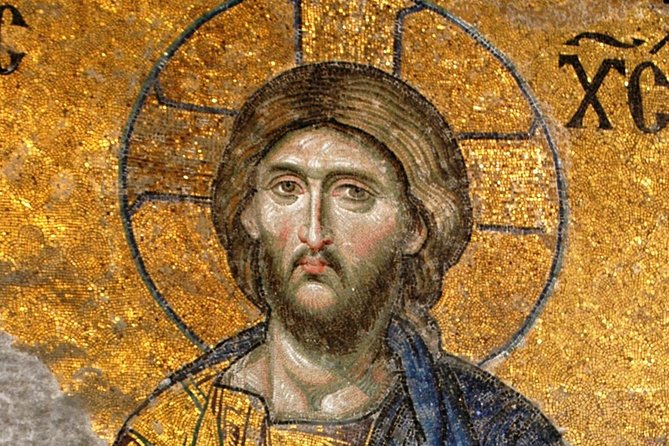
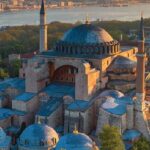
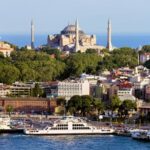
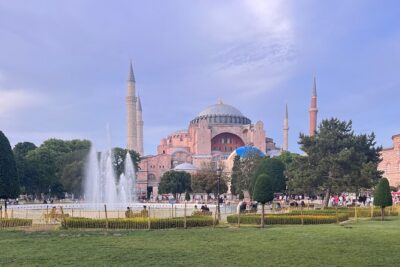
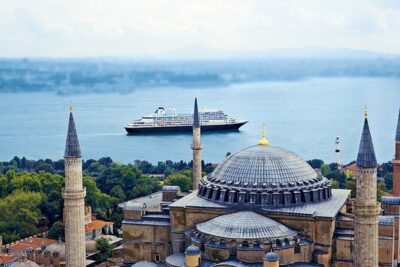
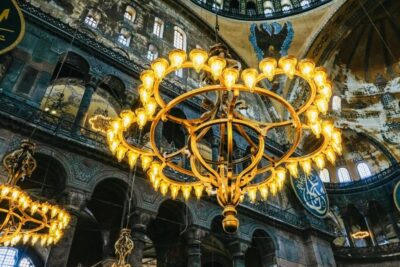
Then you hit the big emotional weight: Hagia Sophia Grand Mosque. As a former Byzantine cathedral turned mosque, it’s all about layers. You’ll need to plan time and your budget because admission is not included. You should also expect that prayer times can limit visiting access.
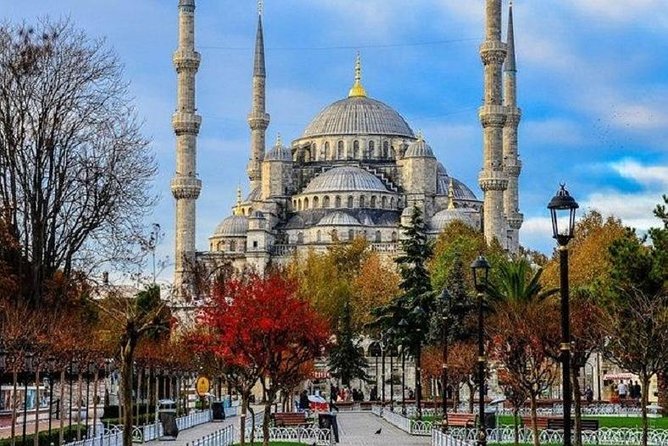
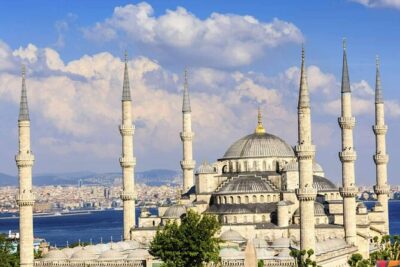
Finally, the Blue Mosque rounds out the Ottoman story. It’s still a working mosque, it’s known for the blue tiles, and it’s closed until 2pm on Fridays. The practical win here is that you’re not just looking at beauty, you’re learning how Ottoman design used color, light, and geometry to create a powerful interior atmosphere.
Basilica Cistern and Topkapi Palace: Where the City Went Underground and Into Power
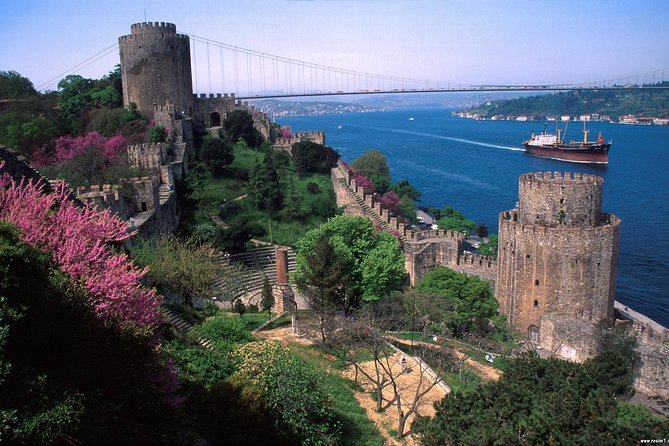
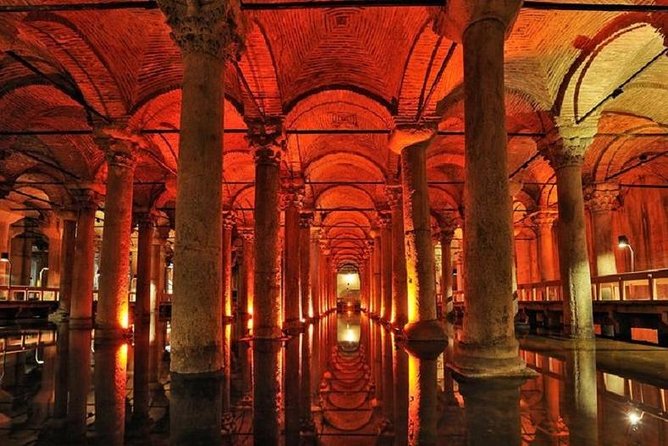
After the main squares, you get a scene change, from daylight monuments to the cool hush of underground Istanbul. The Basilica Cistern is a highlight for most people because it feels like stepping into a secret world. It’s the largest surviving underground cistern from Byzantine Constantinople, and the “Sunken Palace” idea is easy to feel once you’re inside.
This is another stop where admission is not included, so budget ahead. The payoff is that you see a side of Istanbul that’s not obvious on postcards, and you understand how the city managed water and engineering at scale.
Then you move into Ottoman administration at Topkapi Palace, the long-time residence of the sultans and the Ottoman Empire’s power center. The palace complex includes spaces like the Imperial Harem, Divan Council Hall, and the Treasury, and you’ll also hear the kind of details that make it feel real, not museum-dry. Again, tickets are not included, and Topkapi has a key closure: it’s closed on Tuesdays.
If you love architecture and want to understand how rulers lived and governed, this combination is a strong one. If you’re short on energy, prioritize good time management with your guide so you don’t rush through Topkapi in a way that ruins it.
Grand Bazaar and Spice Bazaar: Shopping That’s About Culture, Not Just Stuff
The tour gives you two different market experiences, and that matters. The Grand Bazaar is one of the world’s oldest covered markets, with more than 61 streets and thousands of shops. It also has a closure rule: it’s closed on Sundays. Plan your day accordingly or ask your guide how they’ll adjust if your route hits a closure.
The Bazaar is often overwhelming if you go alone. With a guide, you get help focusing on what’s worth seeing and how bargaining culture generally works, even if you choose not to buy anything.
You’ll also stop at the Spice Bazaar (Misir Çarşısı), which is fragrant, colorful, and built as part of a mosque complex. It’s tied to the taxes collected from Egypt, which is why it’s called Egypt Market. Reviews also suggest guides can steer you toward traditional products and snacks rather than pushing you toward random detours.
One thing to watch: two different reviews mention shopping stops feeling too sales-heavy for them. You’ll get the best experience if you’re clear at the start. If you want to browse only, tell your guide early and stick to that plan.
You can also read our reviews of more private tours in Istanbul




Taksim Square, Istiklal Avenue, and Galata Tower: Modern Istanbul with Easy Navigation
After Sultanahmet, Istanbul shifts gears, and your tour reflects that. Taksim Square anchors modern life at the end of Istiklal Avenue, and it’s a good place for understanding how the city organizes crowds, streets, and public events.
From there you’ll walk down İstiklal Caddesi, a long pedestrian avenue packed with shops, cafés, restaurants, and historic buildings. The length is about 1.4 km, so this isn’t a quick glance. It’s a real stroll that helps you feel the city’s current rhythm, not just its monuments.
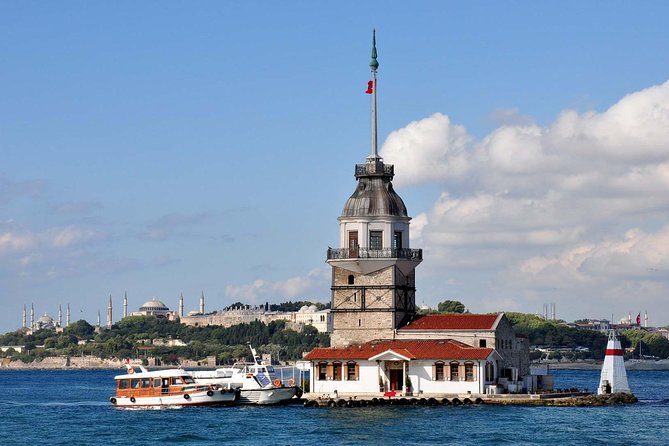
Then there’s Galata Tower. Because you do not get priority entry, you’ll see it from the outside and get stories from your guide. That’s not as satisfying as climbing the tower, but it’s still useful if you want context for the skyline. If you’re determined to go up, you may need to plan a separate visit.
Dolmabahce Palace and the Bosphorus: European-Style Splendor with Sea-Air Views
Dolmabahce Palace shifts Ottoman style into European influence. It was built in the mid-1800s as an administrative center, and it blends Baroque, Rococo, Neoclassical, and traditional Ottoman design. It’s also a museum now, with state apartments and ceremonial spaces, plus European art collections.
You should know the closure: Dolmabahce is closed on Mondays. Also, admission is not included here, so treat it as a planned paid add-on, not a free wander.
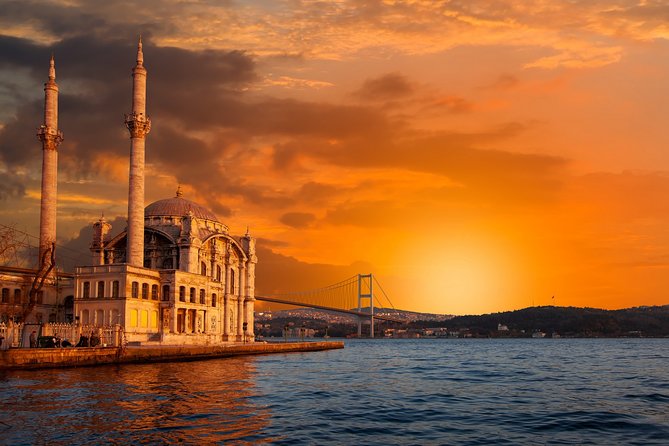
Next is the Bosphorus Strait, the literal split of Europe and Asia. You’ll get the geography lesson in a way that makes sense because the shoreline estates and Ottoman mansions help you visualize the connection. It’s a great place to reset your brain after palace rooms, because the views put the city back into perspective.
If you want a “big picture Istanbul” moment, this is it.
Balat, Pierre Loti Hill, and the Golden Horn: The “Old Streets” Side of the City
This is where the tour gets more personal and photogenic. Balat, on the Golden Horn side, is known for pastel houses, narrow streets, antique shops, and cozy cafés. Historically, it was home to Jewish, Greek, and Armenian communities, which helps explain why the neighborhood feels layered.
Then you’ll head to Pierre Loti Tepesi, a viewpoint tied to the French novelist Pierre Loti, who spent time in Istanbul. The hilltop café is the vibe cue here, a calmer counterpoint to the busier streets below.
Finally, the tour area around the Golden Horn (Haliç) rounds out the scenery. It’s a natural harbor that shaped trade and naval power for centuries, and the water’s change in color at sunrise or sunset is part of the legend of this place. Even if your timing isn’t perfect for that exact light, the shape of the water and surrounding districts still make the “why Istanbul mattered” idea click.
How Long Is Enough Time, and When Will You Be Walking?
The duration is listed as roughly 7 to 22 hours depending on whether you book 1, 2, or 3 days. That range matters because “private” doesn’t mean “slow.” You’ll be moving between major clusters, so your feet are part of the deal.
A few reviews mention doing a lot of walking and still feeling it was worth it. One review notes a guide worked around a friend’s bad knee, which is a strong sign that good guides can pace to your needs.
My practical advice: bring water, plan for sun or rain, and wear shoes you can walk in for hours. Also, set your priorities on day one. If your main goal is palaces, don’t get sidetracked by shopping. If your main goal is atmosphere, leave a little space for wandering.
Price and Value at $81: What’s Included, What Isn’t, and How to Budget Smart
At $81 per person, the headline price sounds like a bargain for a private guide covering multiple UNESCO-listed or major sites. The big value is not the sites themselves, it’s the guide’s ability to connect them and keep the day moving without you doing all the guesswork.
What’s included: a professional guide and a private tour over 1, 2, or 3 days depending on your option. Pickup is sometimes offered, but based on reviews, you can’t assume it will always match what you expect for your specific hotel. Also, there are free stops, including Sultanahmet Square, Hippodrome, Blue Mosque, Grand Bazaar, and several scenic or historical points.
What’s not included is where you should plan your spending. Museum and attraction tickets are excluded for several major stops: Hagia Sophia, Basilica Cistern, Topkapi Palace, Dolmabahce Palace, and Galata Tower. Lunch is also not included.
If you’re trying to keep costs controlled, this tour is usually still good value because you’re paying for a guide across many paid and free sites. But budget realistically for those key ticketed entries, or ask your guide which ones are best to prioritize if time runs tight.
Picking Up at the Right Place: German Fountain Meeting Point and Hotel Confusion
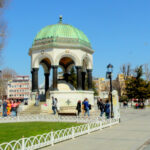
The stated start is German Fountain in At Meydanı, Fatih. The end returns to the meeting point. Pickup details say the guide meets you at central Istanbul hotels or Galataport, and if your hotel is not central, the pickup plan changes and the guide meets you at the front of the German Fountain.
This is where a couple reviews got frustrating. One guest said they were told pickup was not included and had to pay for a taxi. Another review asked for clearer written confirmation about what the skip-the-line price includes.
So here’s what I recommend to avoid wasted time: confirm pickup status in writing before the day. Ask a simple question: will the guide collect me from my exact hotel address, or should I plan to start at the German Fountain? Then screenshot the answer so you’re covered if the day starts with confusion.
Should You Book This Tour?
Book it if you want the fastest way to see Istanbul’s major highlights with a guide who can manage time and explain context as you walk. In reviews, guides such as Cicek, Kemal Malgaz, Ferhat, Tunç, Mustafa, and Sema come up again and again for being friendly, flexible, and helpful with navigation and pacing.
Don’t book it as your only plan if you need guaranteed ticketed entry at every site or if you expect pickup to work exactly the same way for every hotel location. Also, if you dislike shopping detours, tell your guide upfront and set the rule that you want to browse only, or skip any market stops that feel sales-heavy.
If you match the tour style to your travel personality, this is a strong value. You get a guided sweep through the places people actually come to Istanbul for, plus enough variety that the day does not feel like one big line queue after another.
FAQ
Which stops have tickets not included?
Admission is not included for Hagia Sophia Grand Mosque, Basilica Cistern, Topkapi Palace, Dolmabahce Palace, and Galata Tower.
Are you actually skipping lines at Galata Tower?
No. Galata Tower is visited from the outside because guides do not have skip-the-line privileges due to current regulations.
What days are major sites closed?
Topkapi Palace is closed on Tuesdays. Grand Bazaar is closed on Sundays. Blue Mosque is closed until 2pm on Fridays. Dolmabahce Palace is closed on Mondays.
Does Hagia Sophia always allow visits?
Not always. Hagia Sophia will be closed for visit during praying time.
Is pickup included?
Pickup is offered for central hotels or Galataport, but it may not apply the same way for every hotel location. The meeting point is German Fountain, and the guide meets you there if pickup is not arranged for your specific hotel.
Is lunch included?
No. Lunch is not included.
More Guided Tours in Istanbul



More Tours in Istanbul



More Tour Reviews in Istanbul

Not for you? Here's more nearby things to do in Istanbul we have reviewed










More Istanbul Private Tours to consider.
 ★ 5.0Best of Istanbul 1, 2 or 3-Day Private Guided Istanbul TourFrom $1008,922 reviews
 ★ 5.0ISTANBUL BEST: Iconic Landmarks Full Day PRIVATE Guided City TourFrom $801,032 reviews
 ★ 5.0Istanbul Highlights Private Tour: Hotel Pick-Up & Drop-OffFrom $90672 reviews
 ★ 5.0Skip-the-Line Istanbul: Private Tour from Cruise Ship & HotelFrom $280536 reviews
 ★ 4.71 or 2-Day Private Guided Tour with Hotel TransferFrom $188438 reviews
 ★ 5.0Best Of Istanbul: 1, 2 or 3 Day Private Guided TourFrom $85435 reviews
 ★ 4.7Full Day Istanbul 1, 2 or 3-Day Private City Guided TourFrom $98411 reviews
 ★ 4.8Best of the City 1, 2 or 3-Day Private Guided TourFrom $102373 reviews
Other ways to explore Istanbul